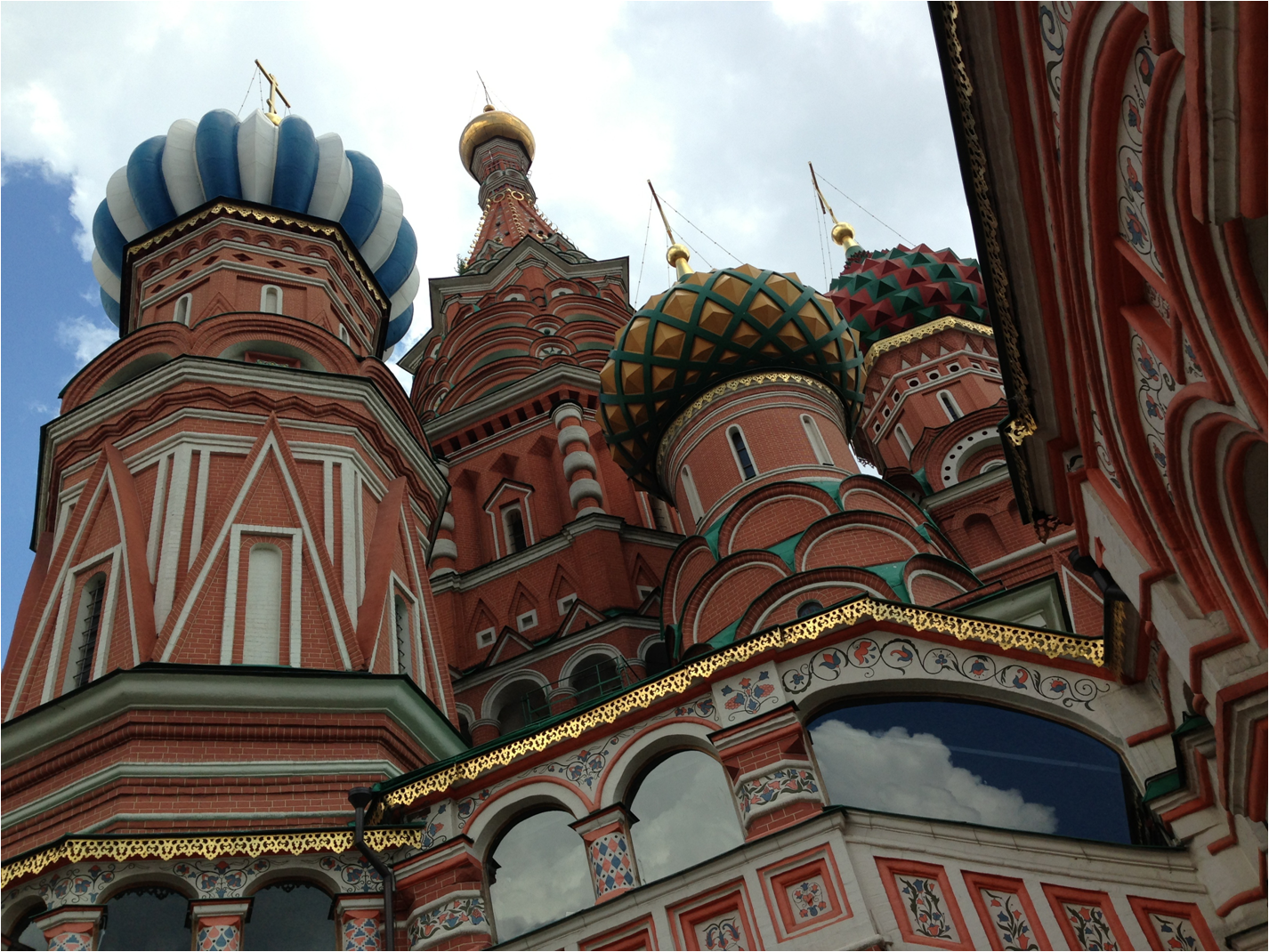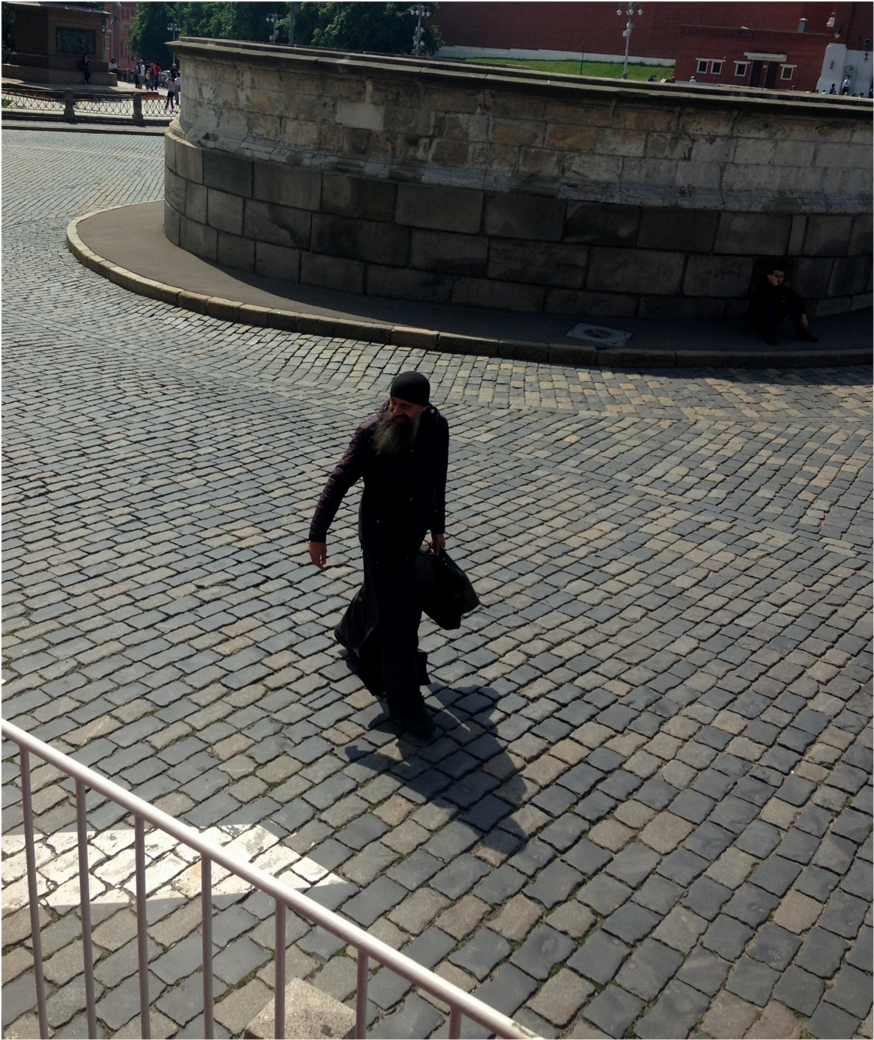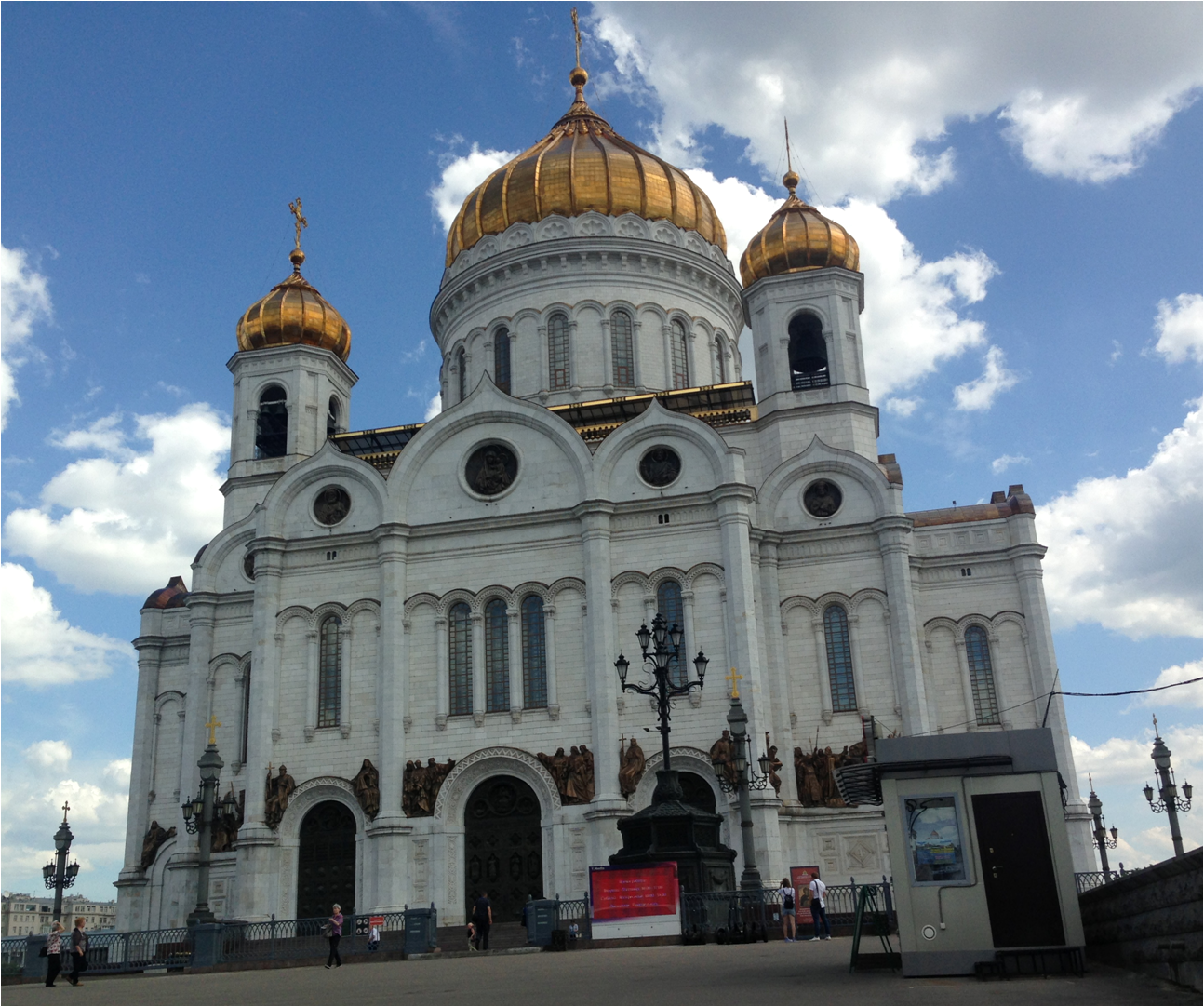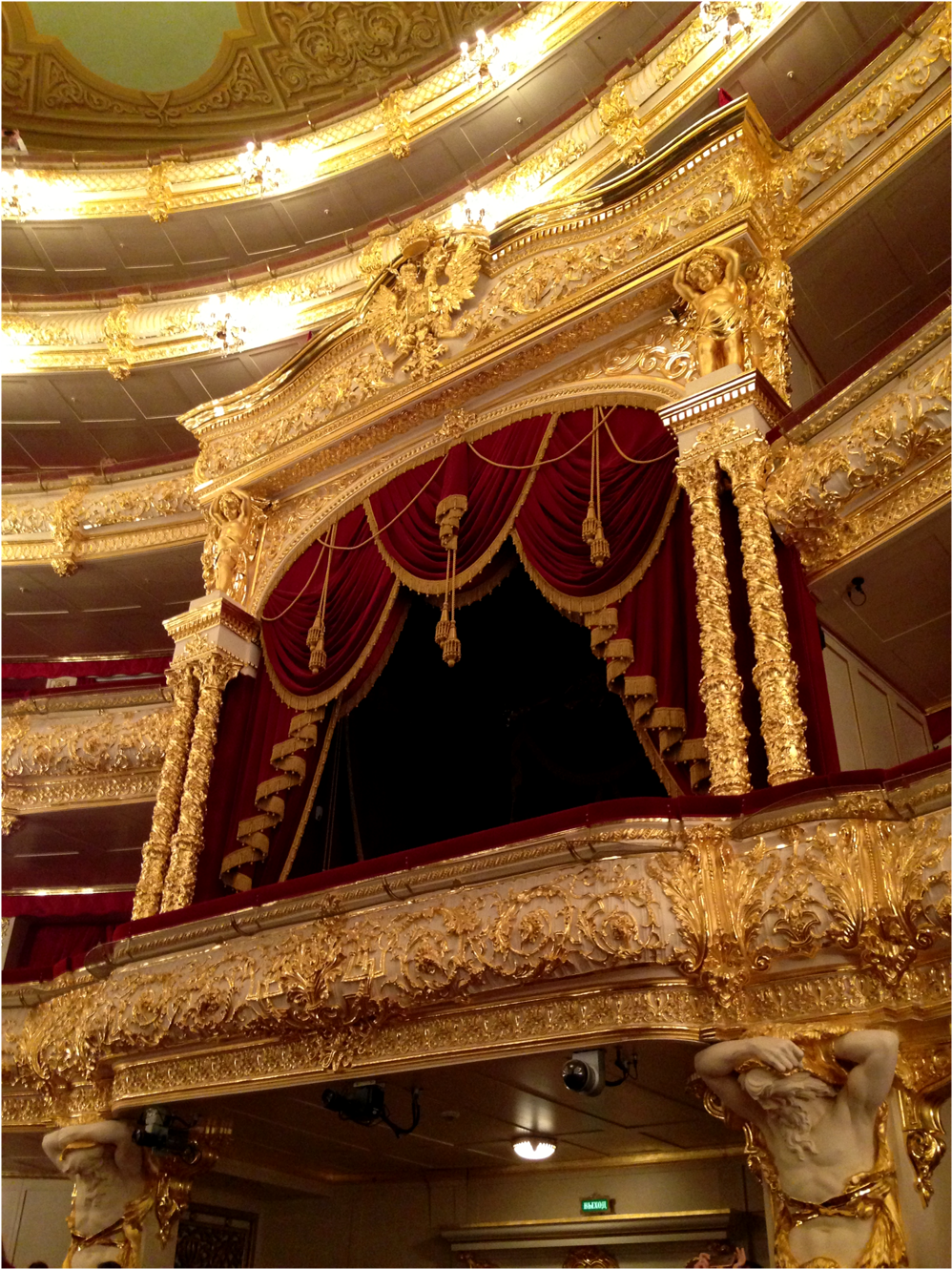
Rome, 2800 years of history – Great location for a scientific meeting

By Guillermo Paz-y-Miño C and Avelina Espinosa

We just visited Rome for the second time. Our first journey was back in 2010 when we traveled to Sicily, Rome, Florence and Pompeii before heading to the UK. But the last encounter with this imposing capital was, finally, what we always wanted: extensive, no rush and with enough opportunities to explore everything possible during three weeks in a 2800-year-old settlement.

As readers of EvoLiteracy know, we do not take vacations, but we explore Earth as much as we can within our academic schedules to attend scientific meetings. We never engage into “checklist traveling” (adding names of locations briefly visited) but rather dedicate quality time to experience –and learn about– each destination in detail. Time, however, is always a constraint.

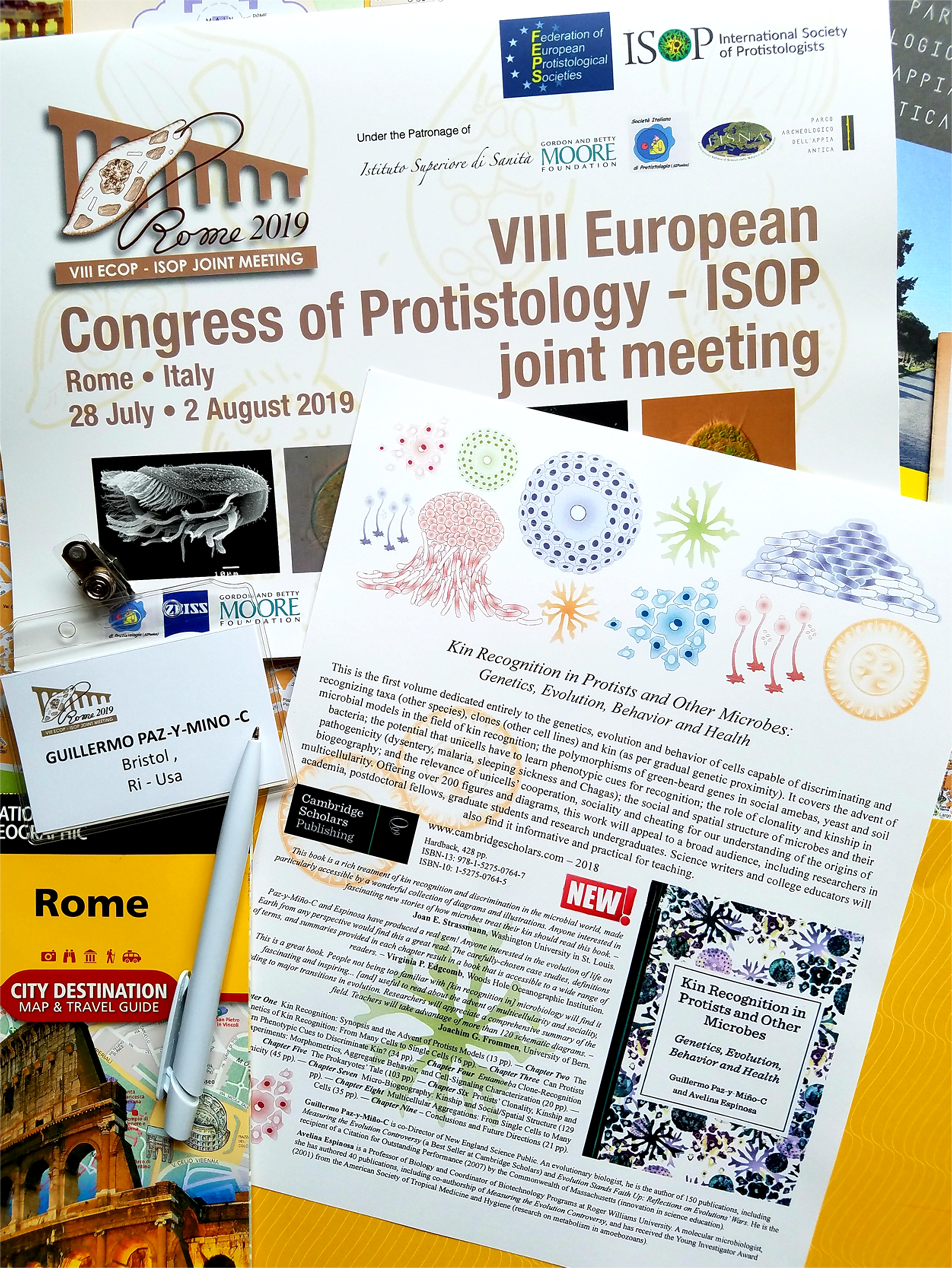
Our primary reason for going to Rome was the ECOP-ISoP 2019 gathering or the “VIII European Congress of Protistology – International Society of Protistologists Joint Meeting” (July 28 to August 2). Avelina is Program Committee Chair of ISoP and oversees the academic planning and organization of the conference(s), including symposia and special events; local organizers materialize each meeting via specific committees. PDFs of the program (talks, poster sessions) can be downloaded from this LINK.

We attend the ISoP meetings yearly and have reported about them before: Vancouver (2018),  Prague (2017), Moscow (2016) and Seville (2015). Previous conferences have taken place in Banff (2014), Oslo (2012), Berlin (2011) and Kent-Canterbury (2010), which we have attended as well (no postings of those years, but see photography and science traveling during the past 15 years).

This time, the package of the ECOP-ISoP 2019 meeting included a flyer describing our book “Kin Recognition in Protists and Other Microbes: Genetics, Evolution, Behavior and Health” (2018), together with endorsements by Joan E. Strassmann (Washington University in St. Louis), Virginia P. Edgcomb (Woods Hole Oceanographic Institution) and Joachim G. Frommen (University of Bern). Additional info about the book can be obtained from the publisher Cambridge Scholars.
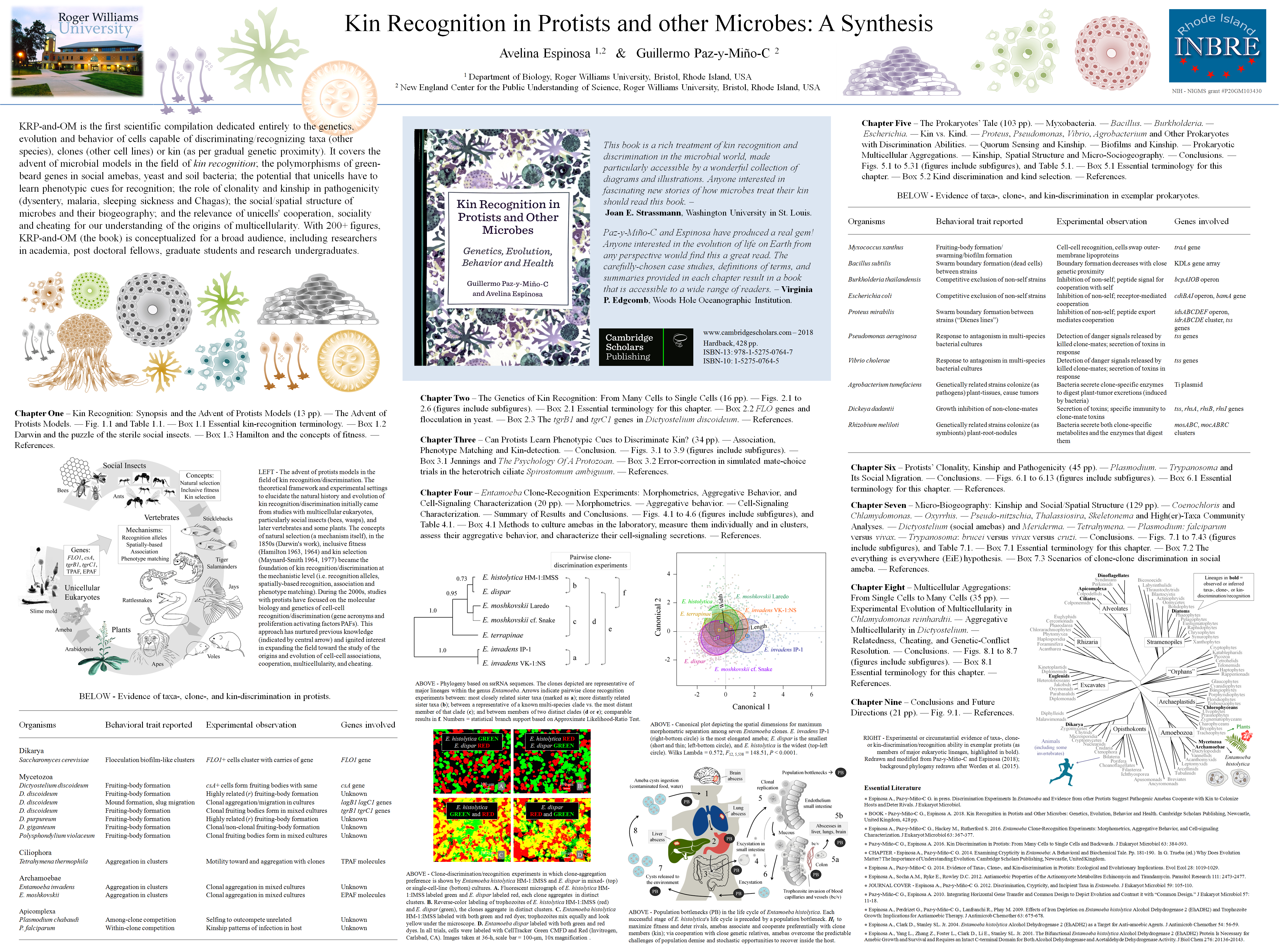
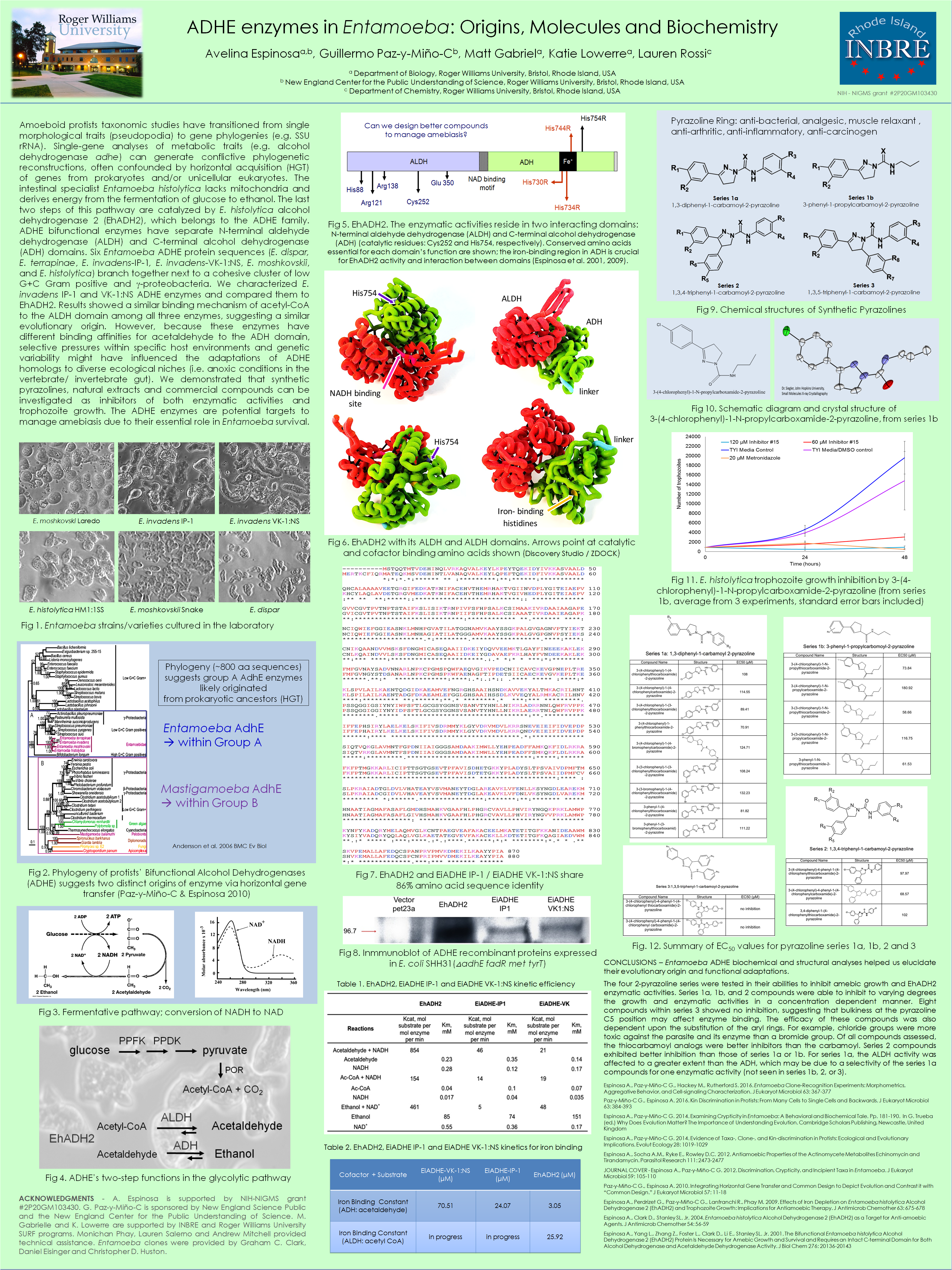
Nowadays, we are getting used to presenting posters; they bring back memories of our student years when poster presentations were the main format available to us. Fun though. Here is what we shared at ECOP-ISoP 2019 (click on image for higher resolution). Note at the bottom that we highlight two of our cover-journal articles (2012 and 2019), and the book “Kin Recognition in Protists and Other Microbes: Genetics, Evolution, Behavior and Health”.

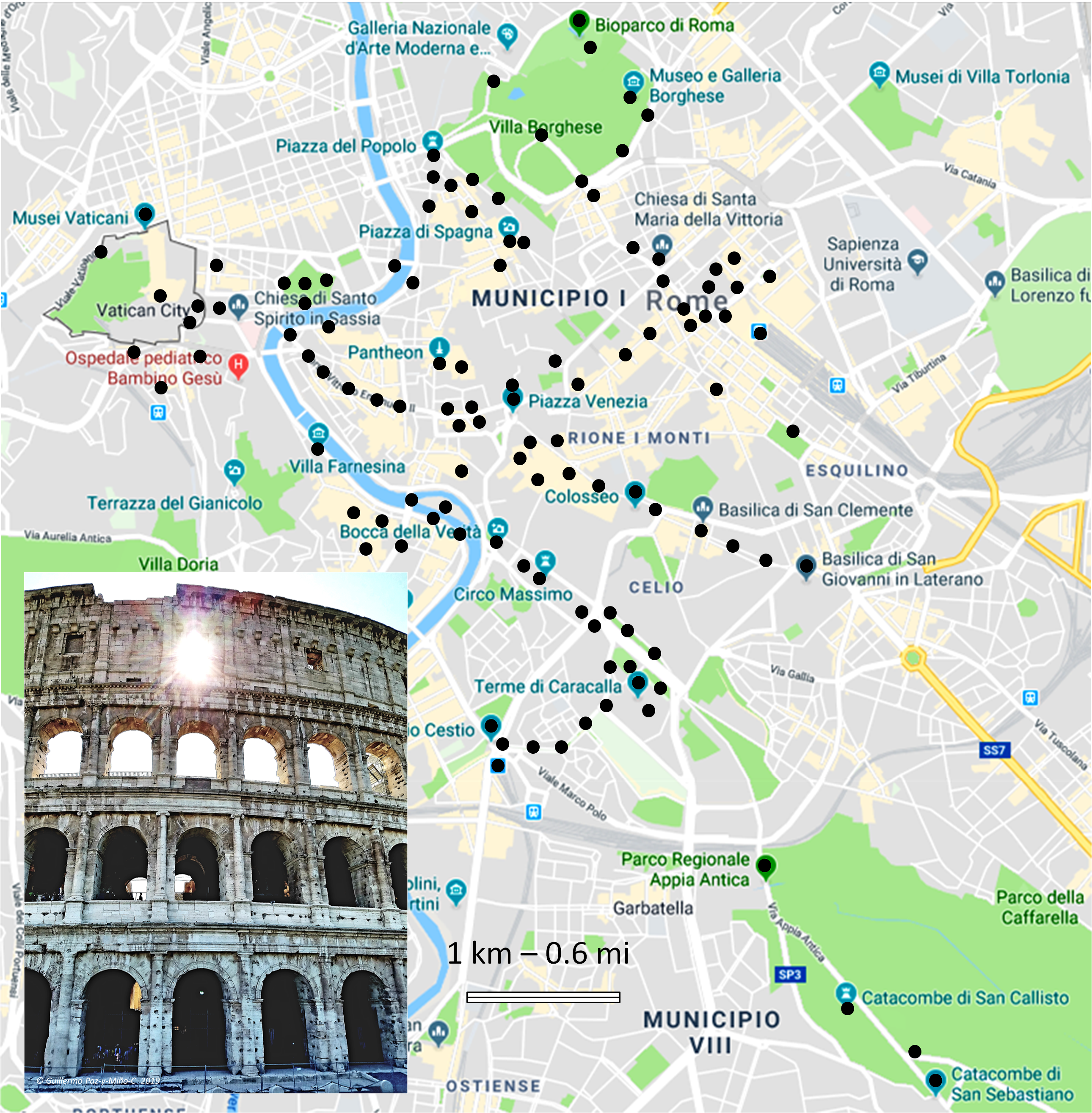
While exploring Rome, we walked 417,024 steps, equivalent to 209 km or 130 miles (about 10 km or 6.2 mi a day); we took 8,879 photos, of which 154 (1.7%) were shared on social media (Facebook and Twitter). Between the two of us, we lost 10 pounds, despite eating pizza daily. – Here are the most important locations (dots) at which we stopped to do something other than walking.
Below is a graphic account of our experience, before and after the ECOP-ISoP meeting. The images (more than 100) follow a chronological order of the sites visited. No doubt Rome is a great location for a scientific meeting, enjoy:

Above: the Saint Peter’s Basilica in the Vatican, as seen from the Angel’s Castle.
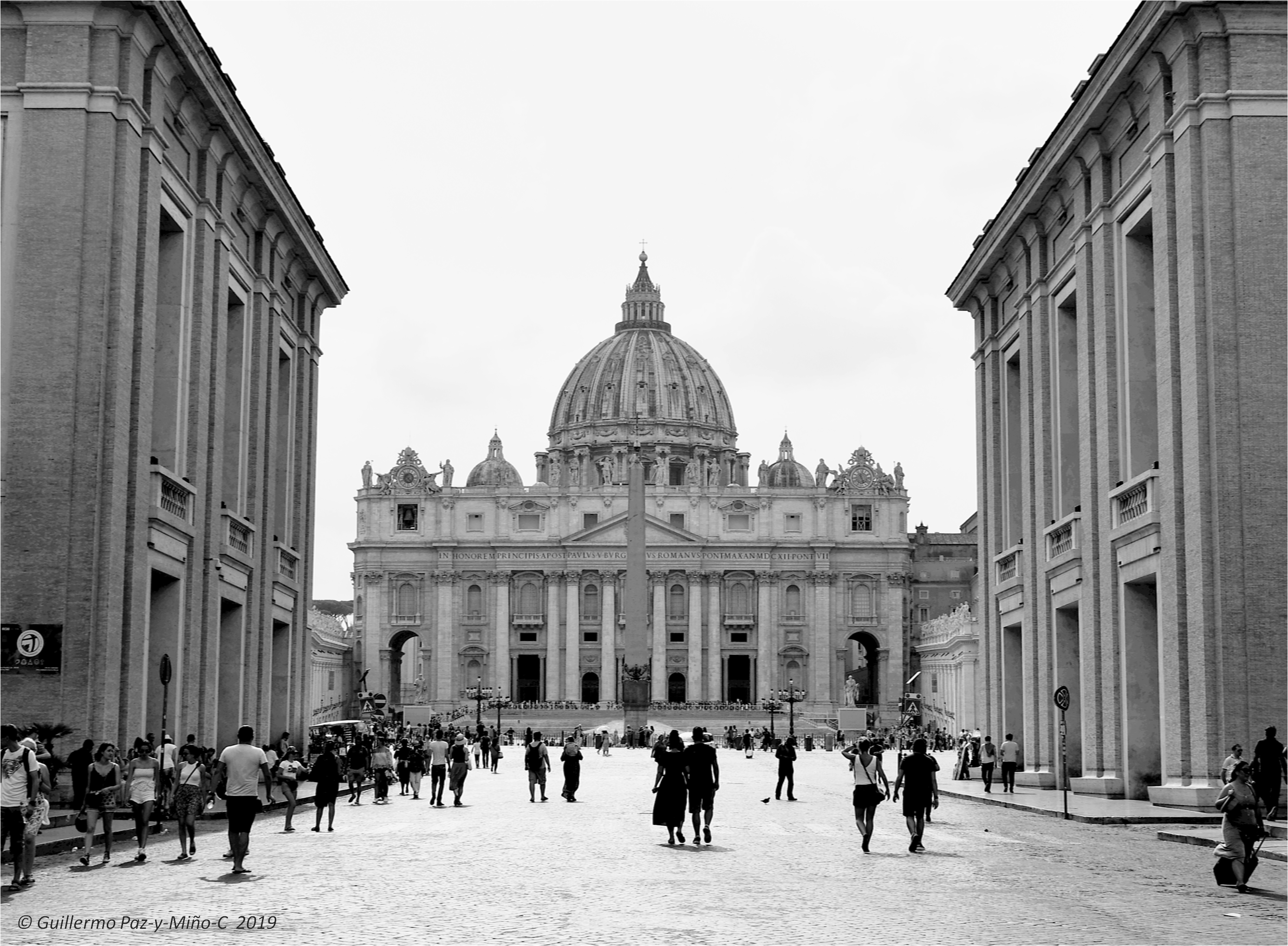
Above: a closer look B&W of the Saint Peter’s Basilica.
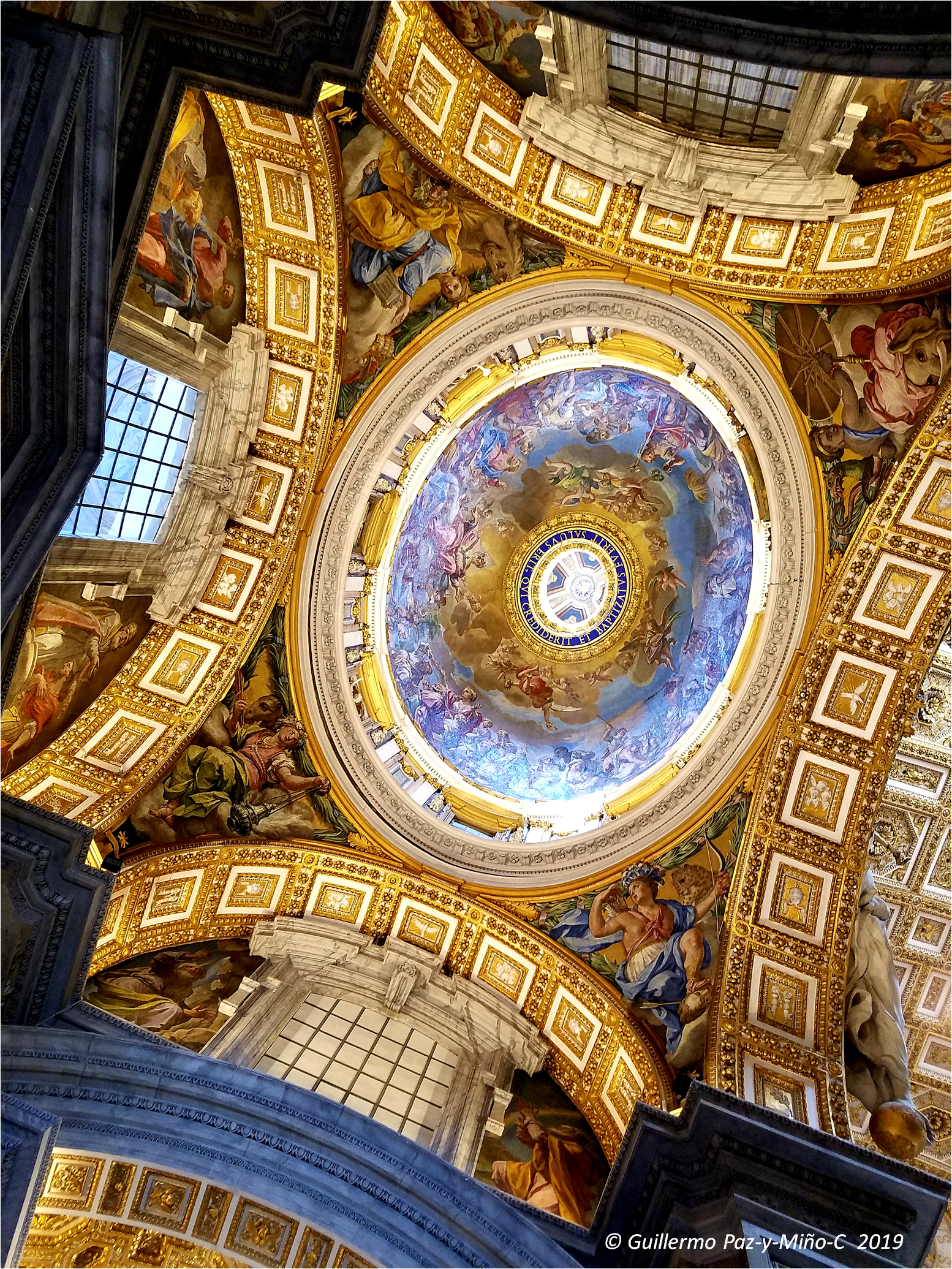
Above: colors at the Saint Peter’s Basilica in the Vatican [secular camera].
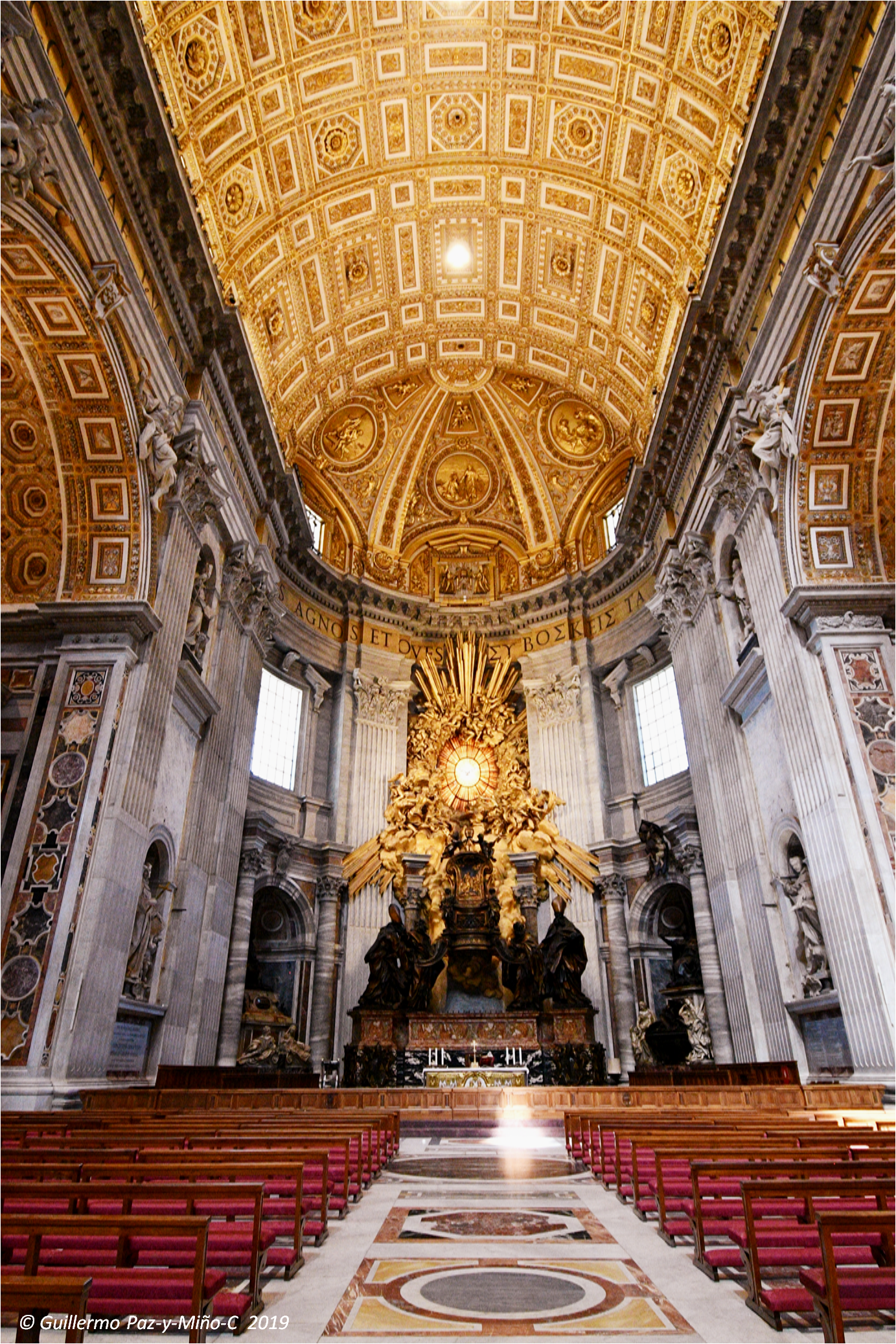
Above: colors inside the Saint Peter’s Basilica, Vatican [secular camera].
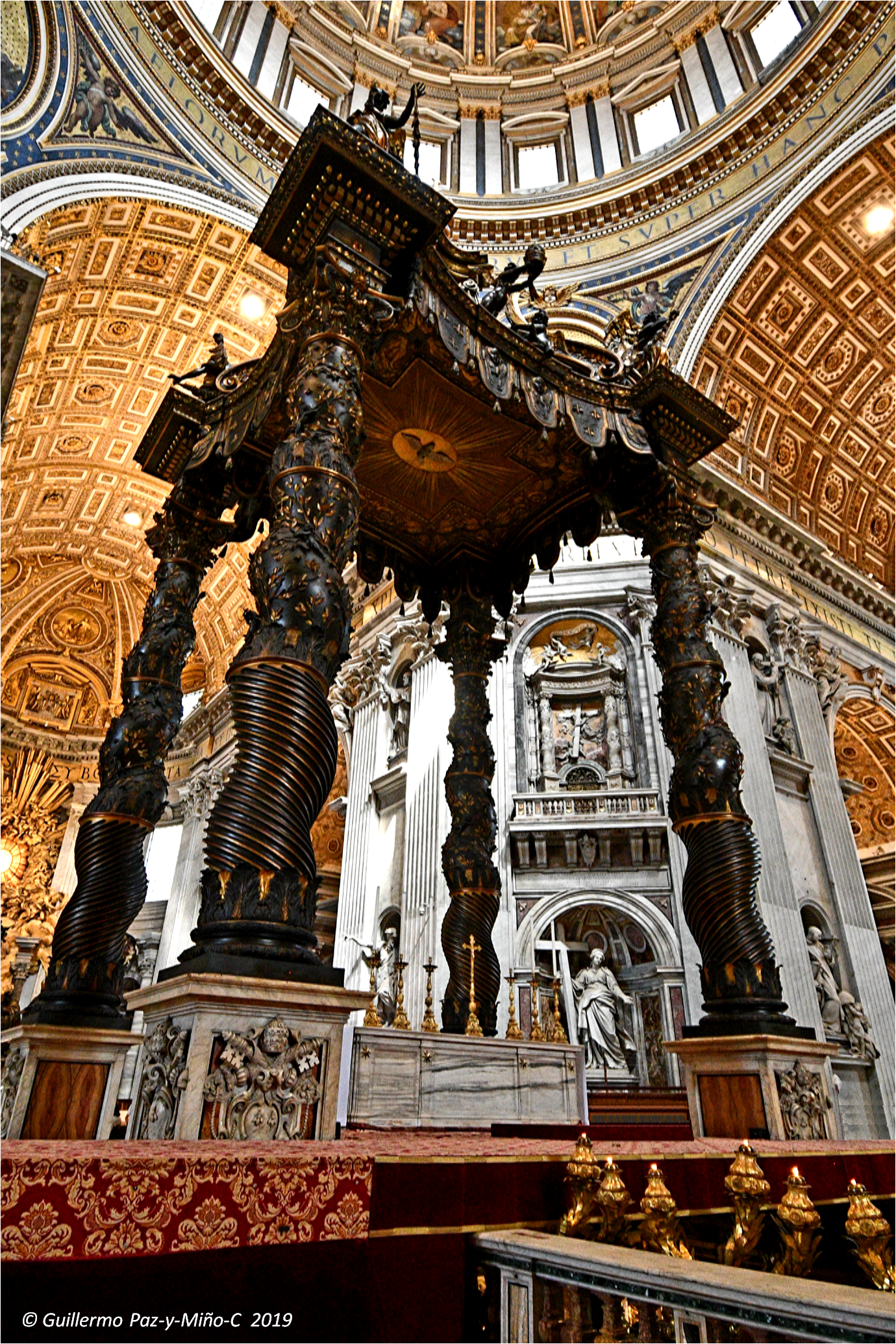
Above: the main pulpit at the Saint Peter’s Basilica, Vatican [secular camera].

Above: colors inside the Saint Peter’s Basilica, Vatican [secular camera].
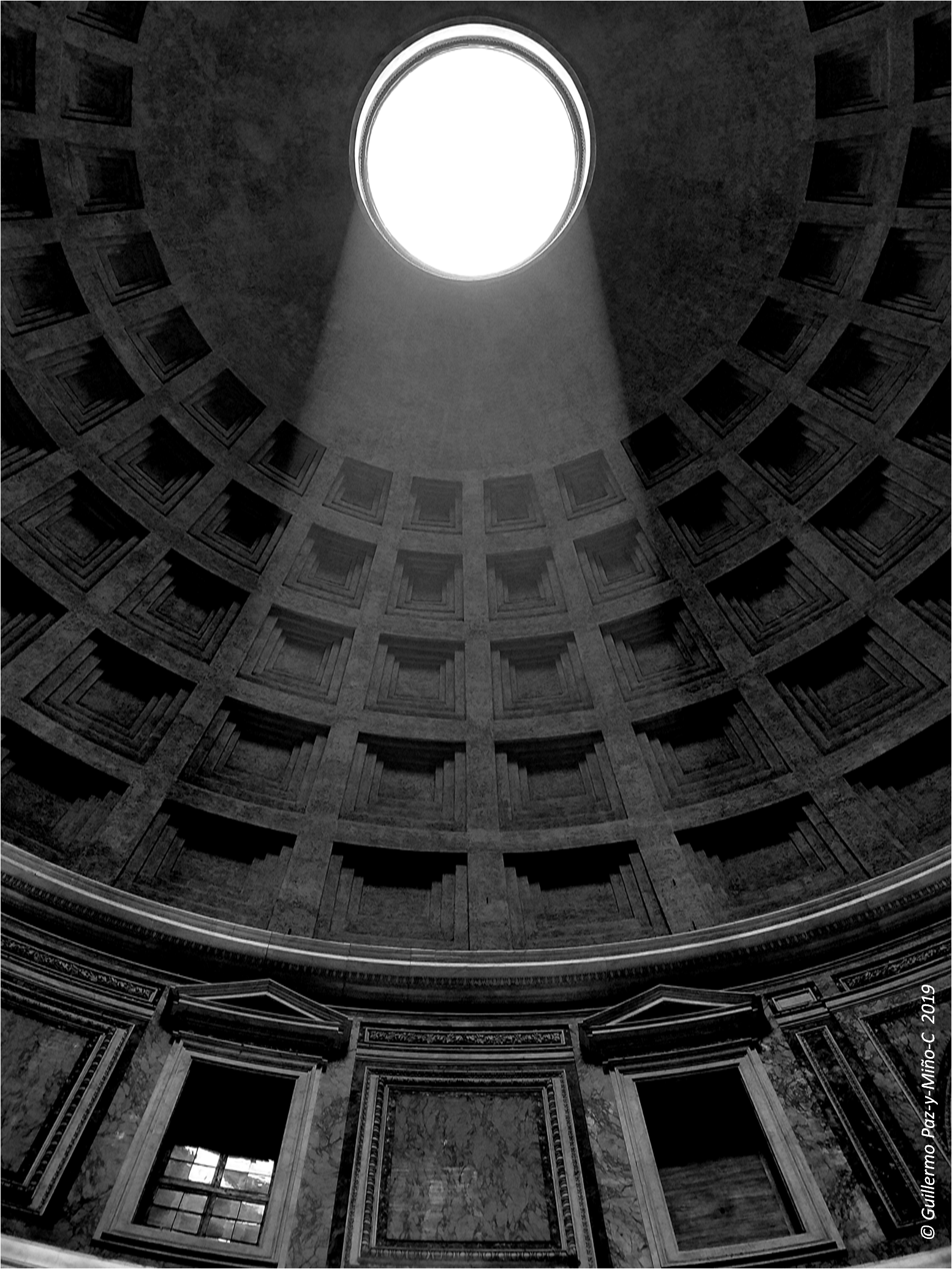
Above: the Pantheon [secular camera].

Above: Fontana di Trevi, the 5th most visited place in Rome after the Colosseum, Saint Peter’s Basilica, Pantheon and Vatican Museums.
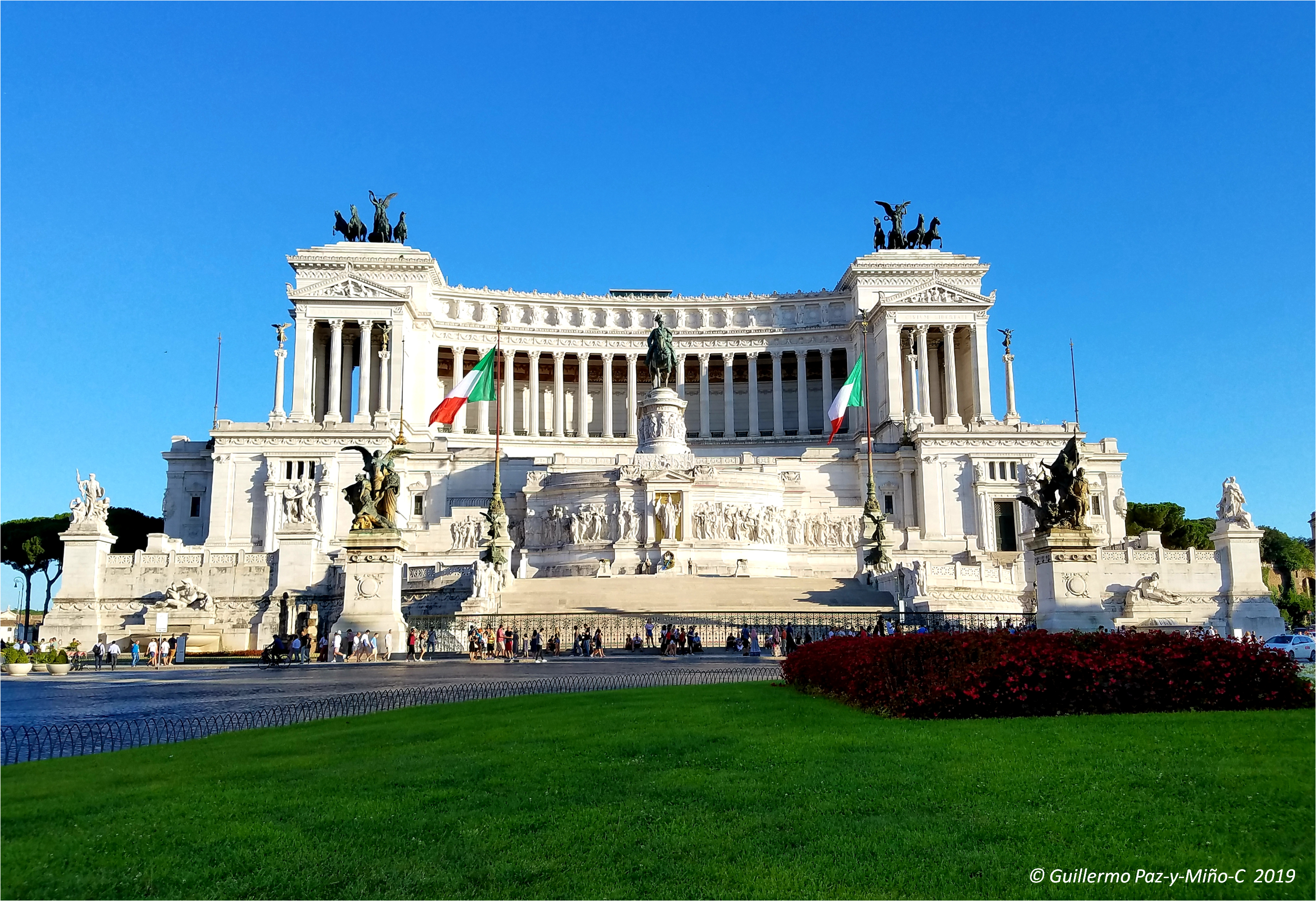
Above: Piazza Venezia… day
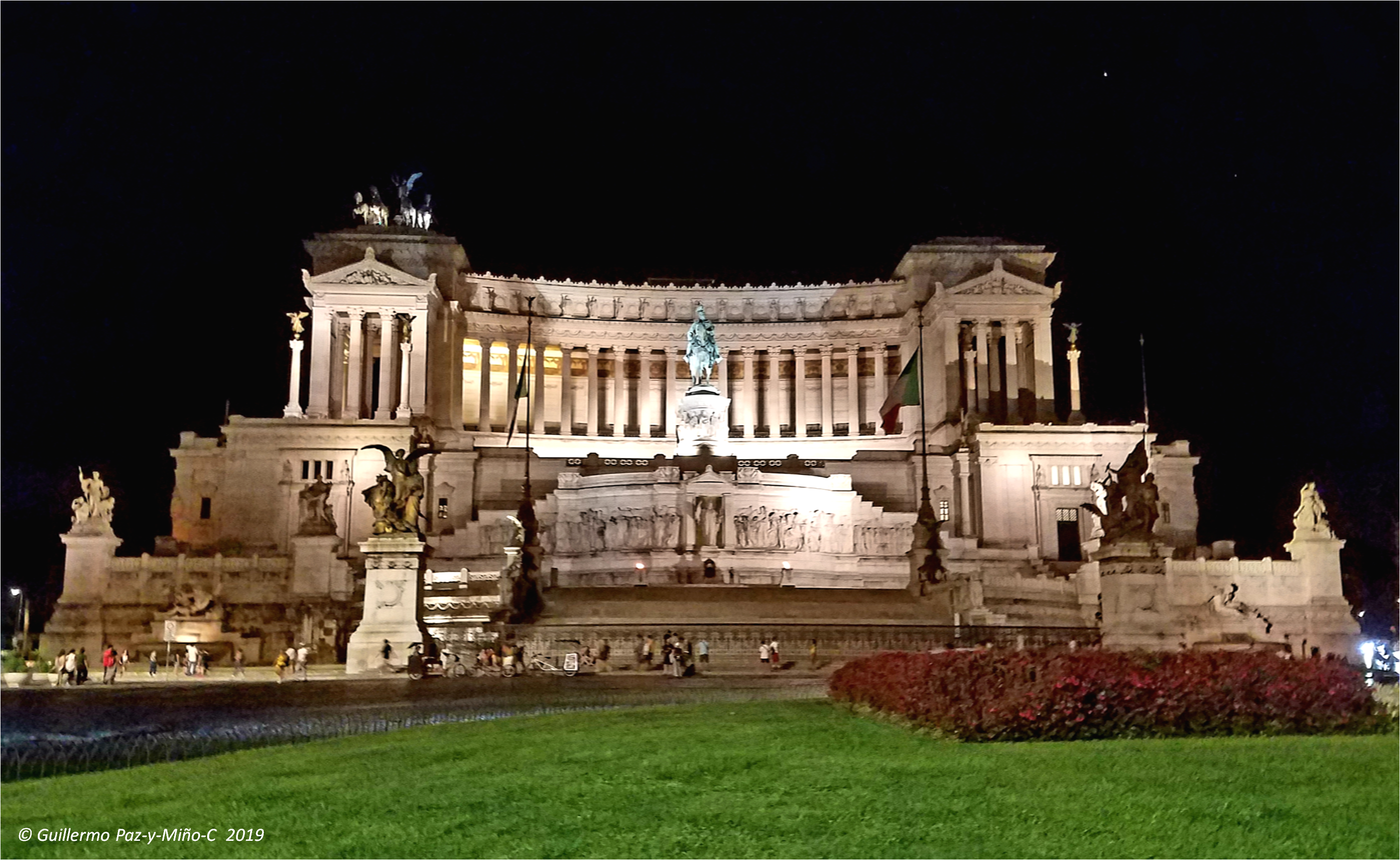
Above: Piazza Venezia… night.
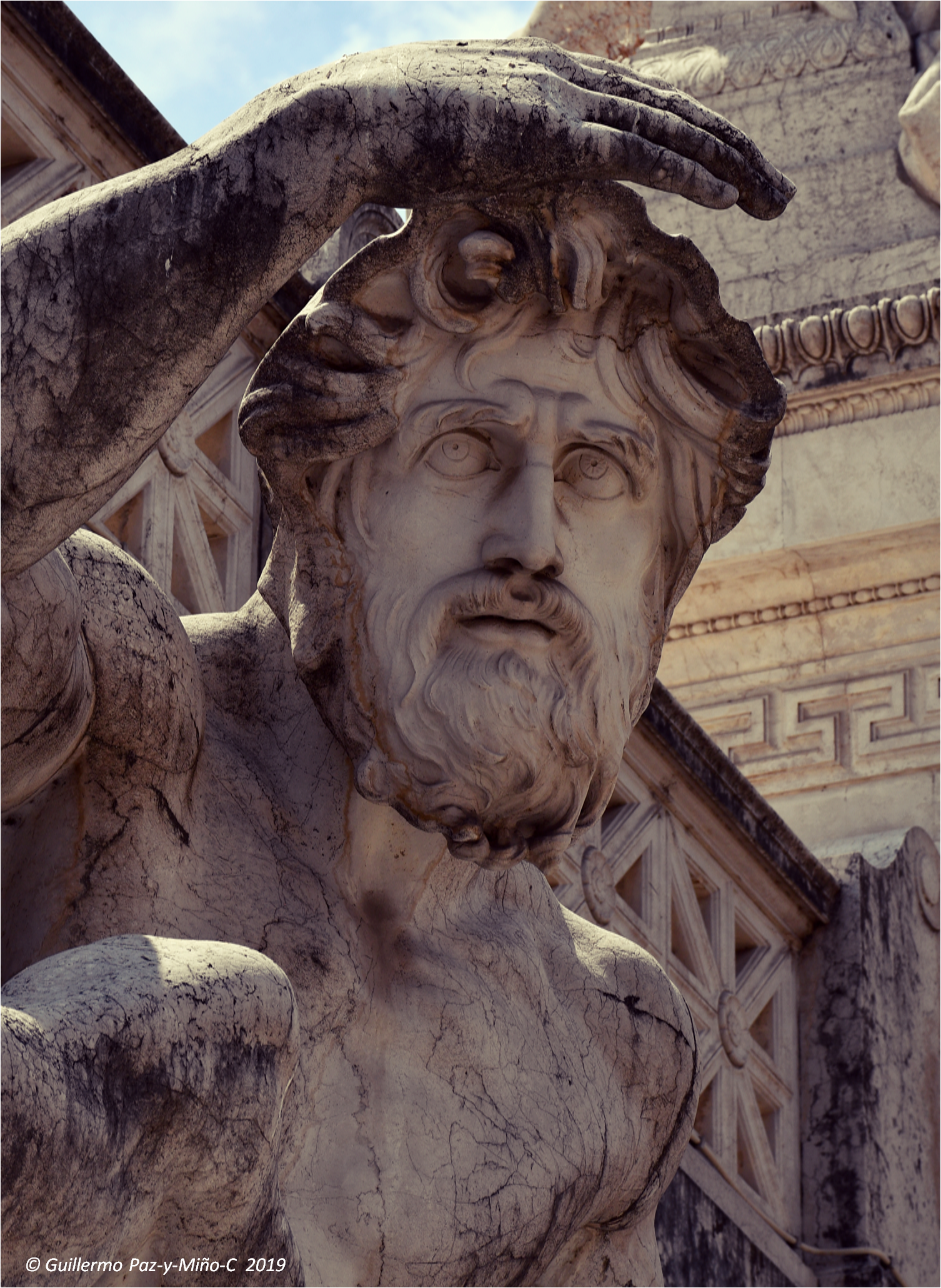
Above: Fontana dell’Adriatico, Piazza Venezia.
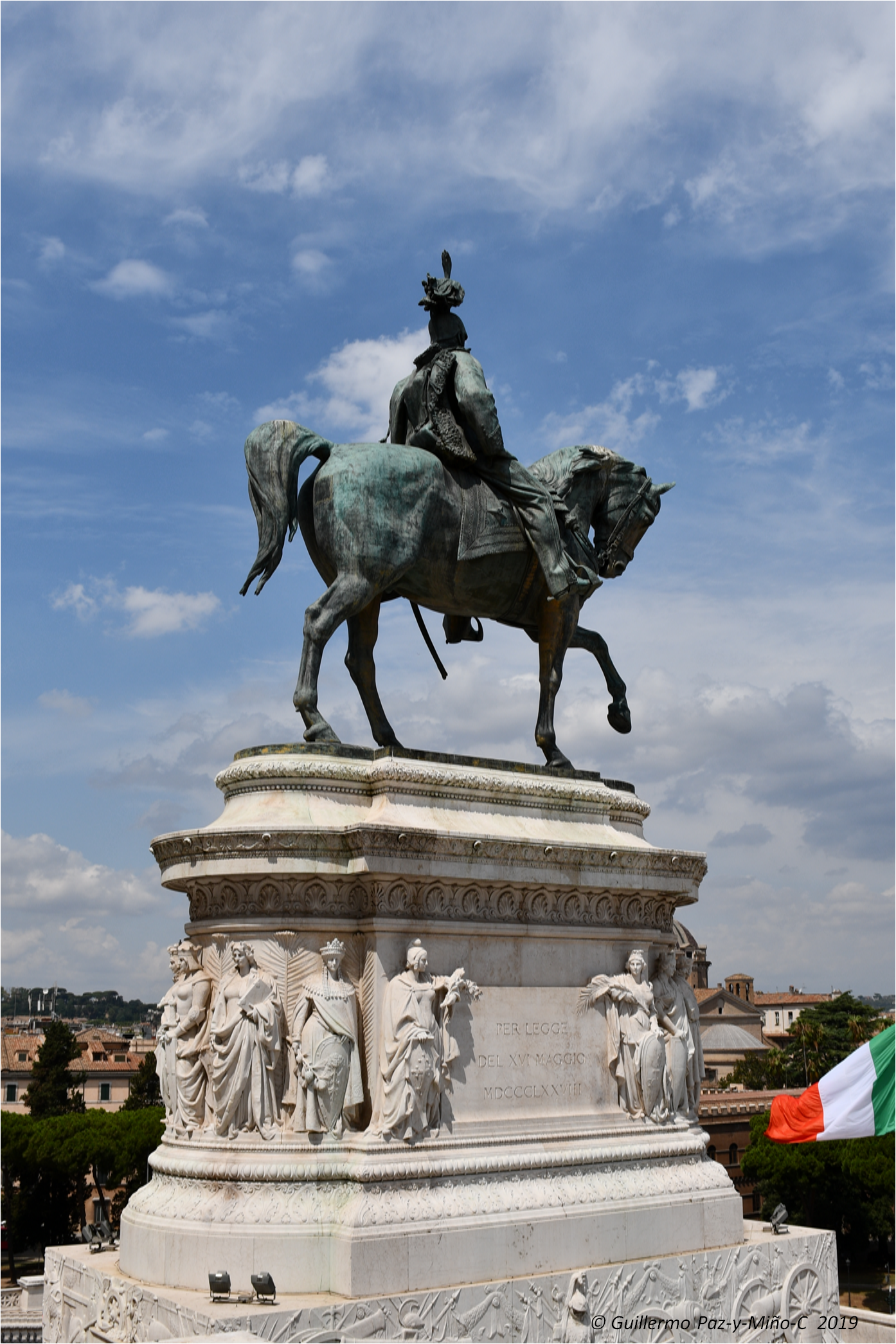
Above: the imposing monument to Vittorio Emanuele II, Piazza Venezia.
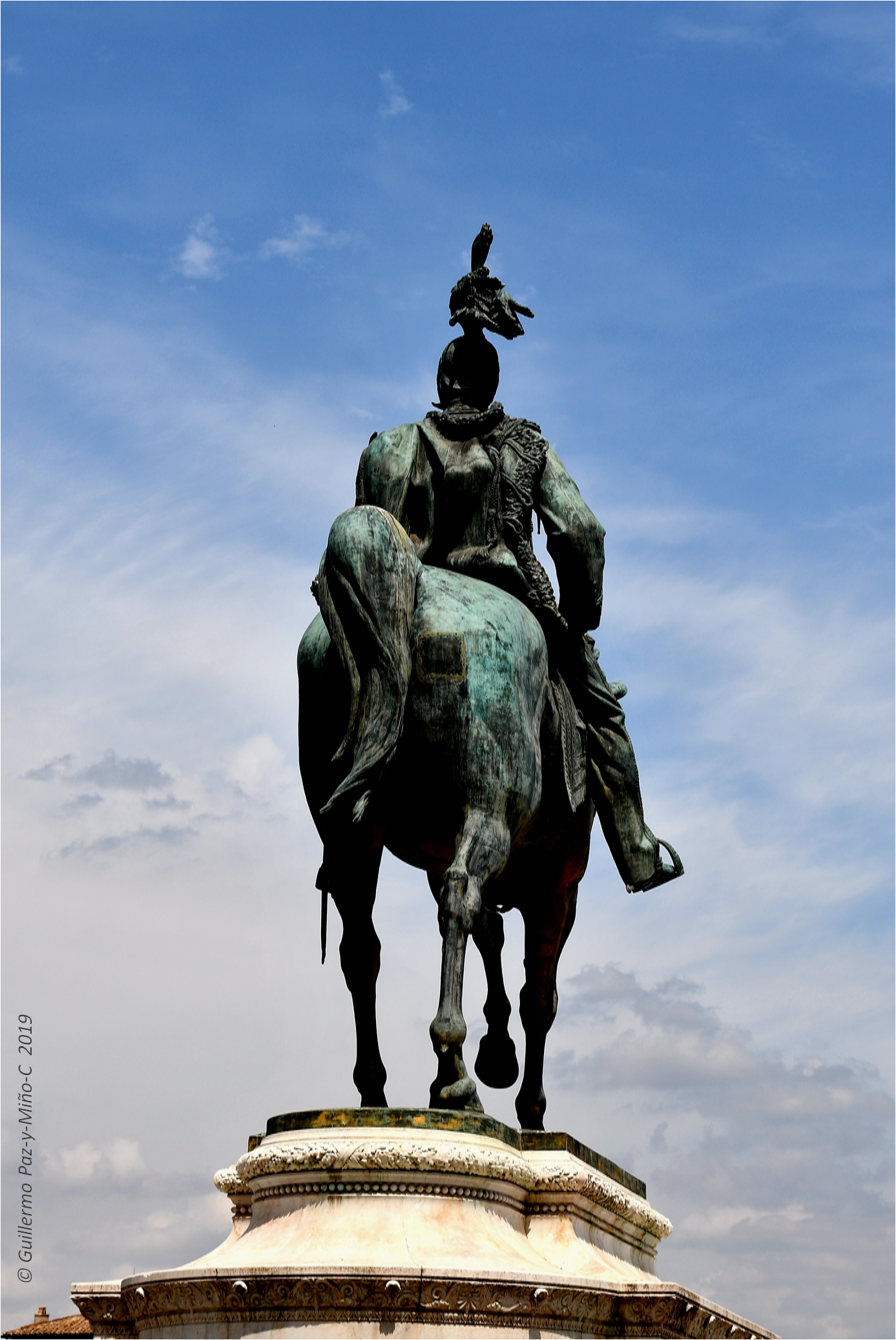
Above: another take of the imposing monument to Vittorio Emanuele II, Piazza Venezia.

Above: up close, Piazza Venezia.

Above: the Castel Sant’Angel.
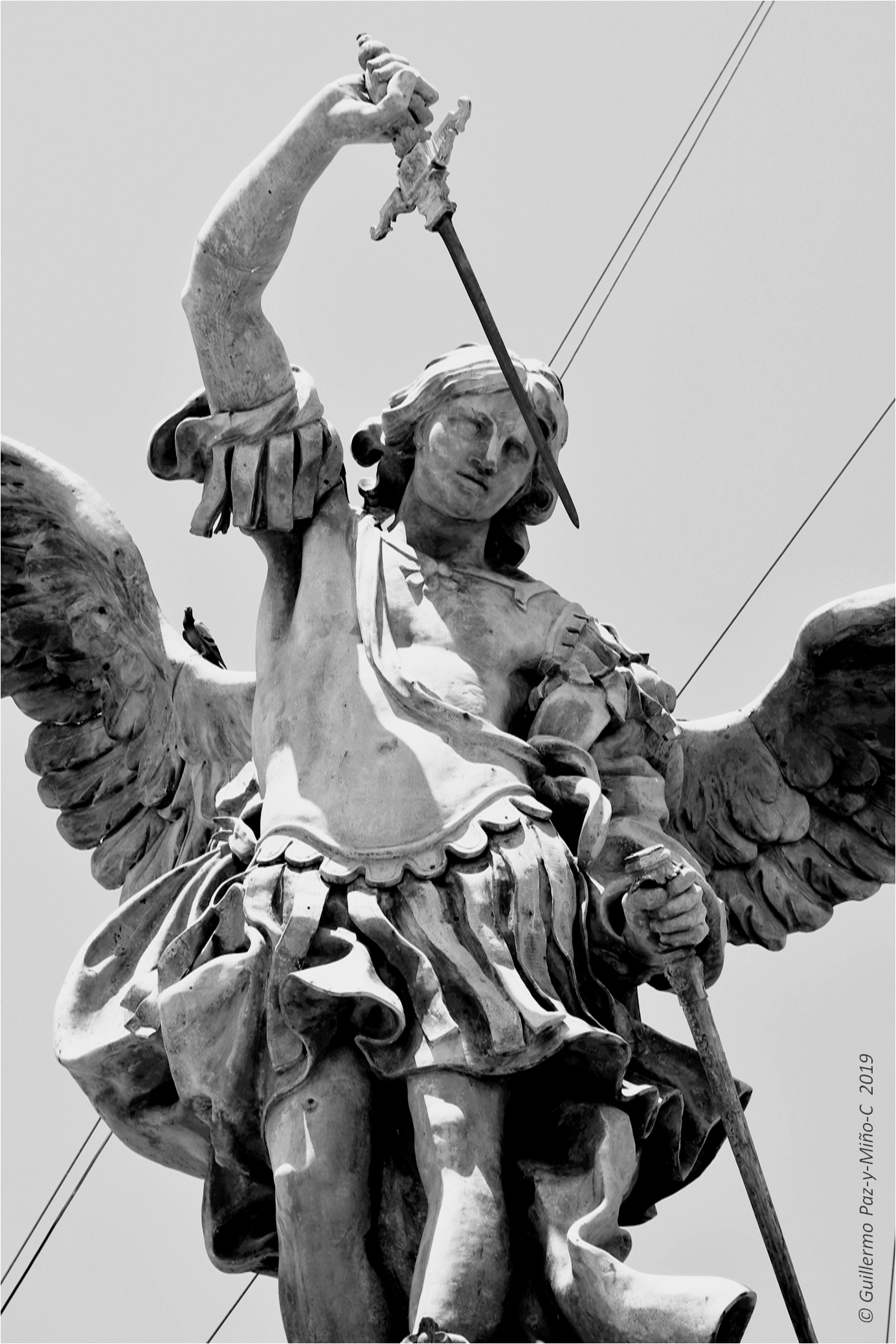
Above: Michael de Archangel at the Castel Sant’Angelo (on top of the castle).
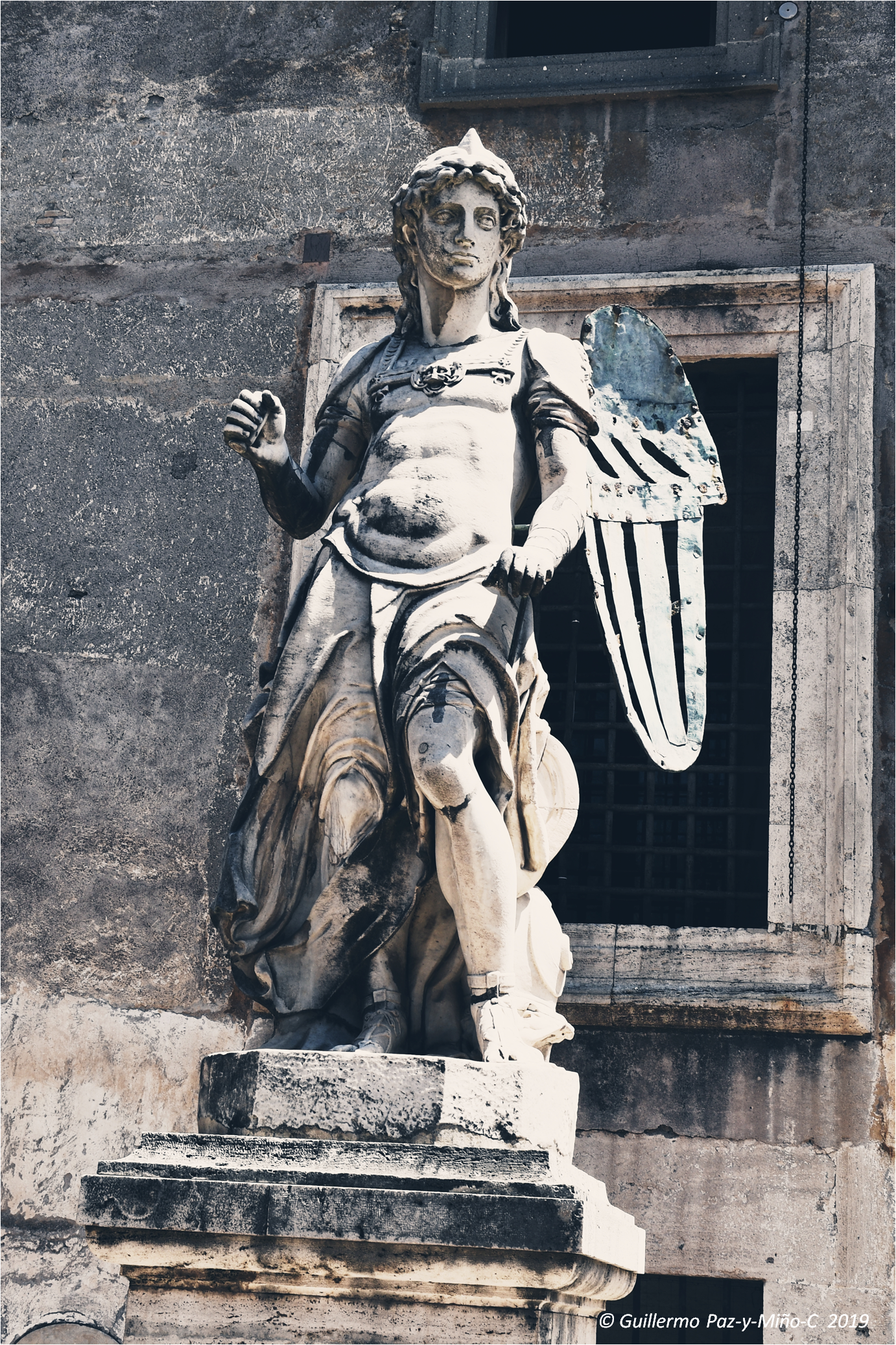
Above: another take of Michael de Archangel at the Castel Sant’Angelo (inside the castle).
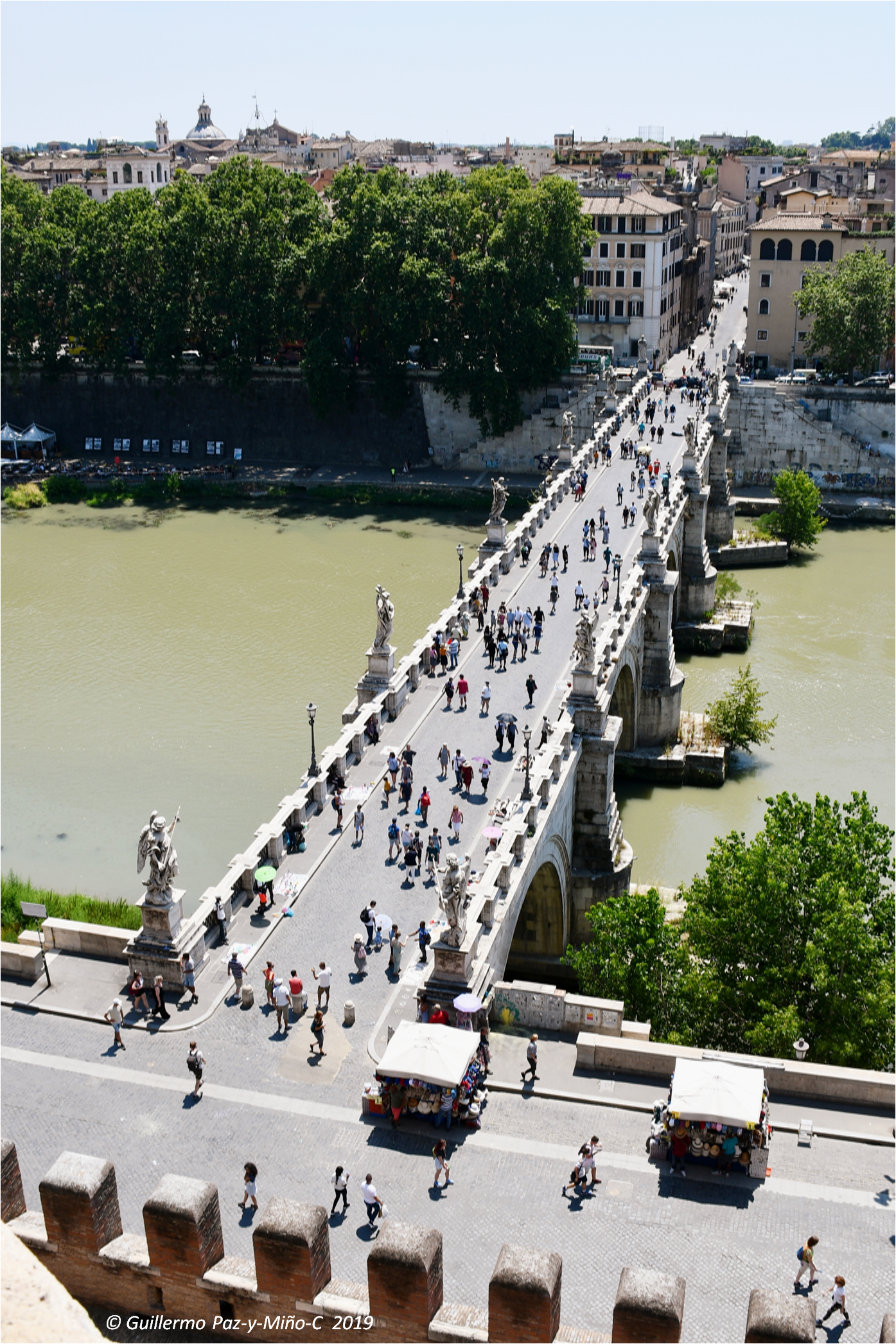
Above: the Sant’Angelo Bridge as seen from the Castel Sant’Angelo.

Above: pigeon photobombing at the Castel Sant’Angelo in Rome. Look at the St. Peter’s Basilica in the background.

Above: through an opening, shots at the Vatican (this is what we wanted to show in the previous image before the pigeon photobombed it).
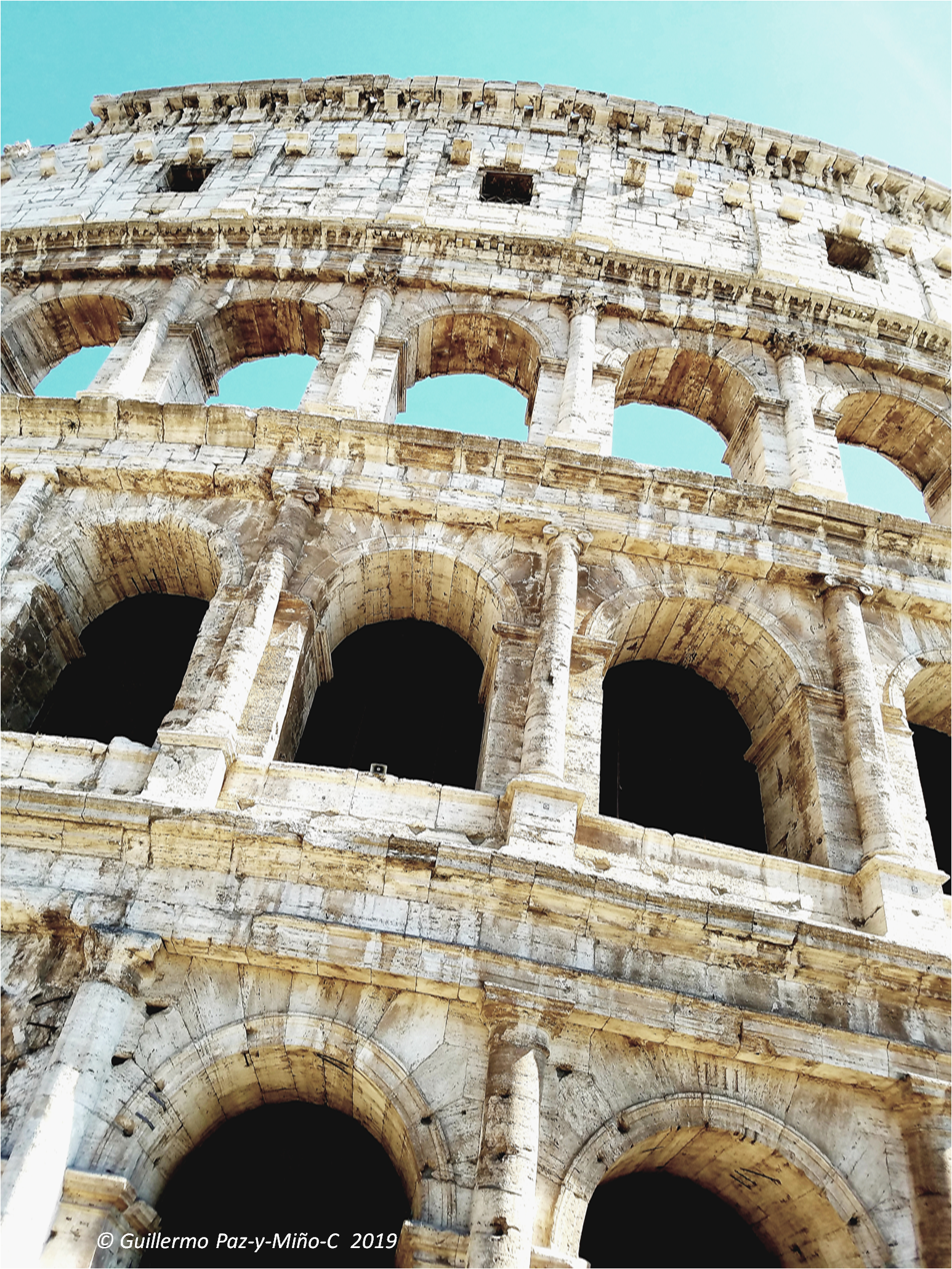
Above: impossible to not know what it is.

Above: ROME, monumental… beyond monumental.
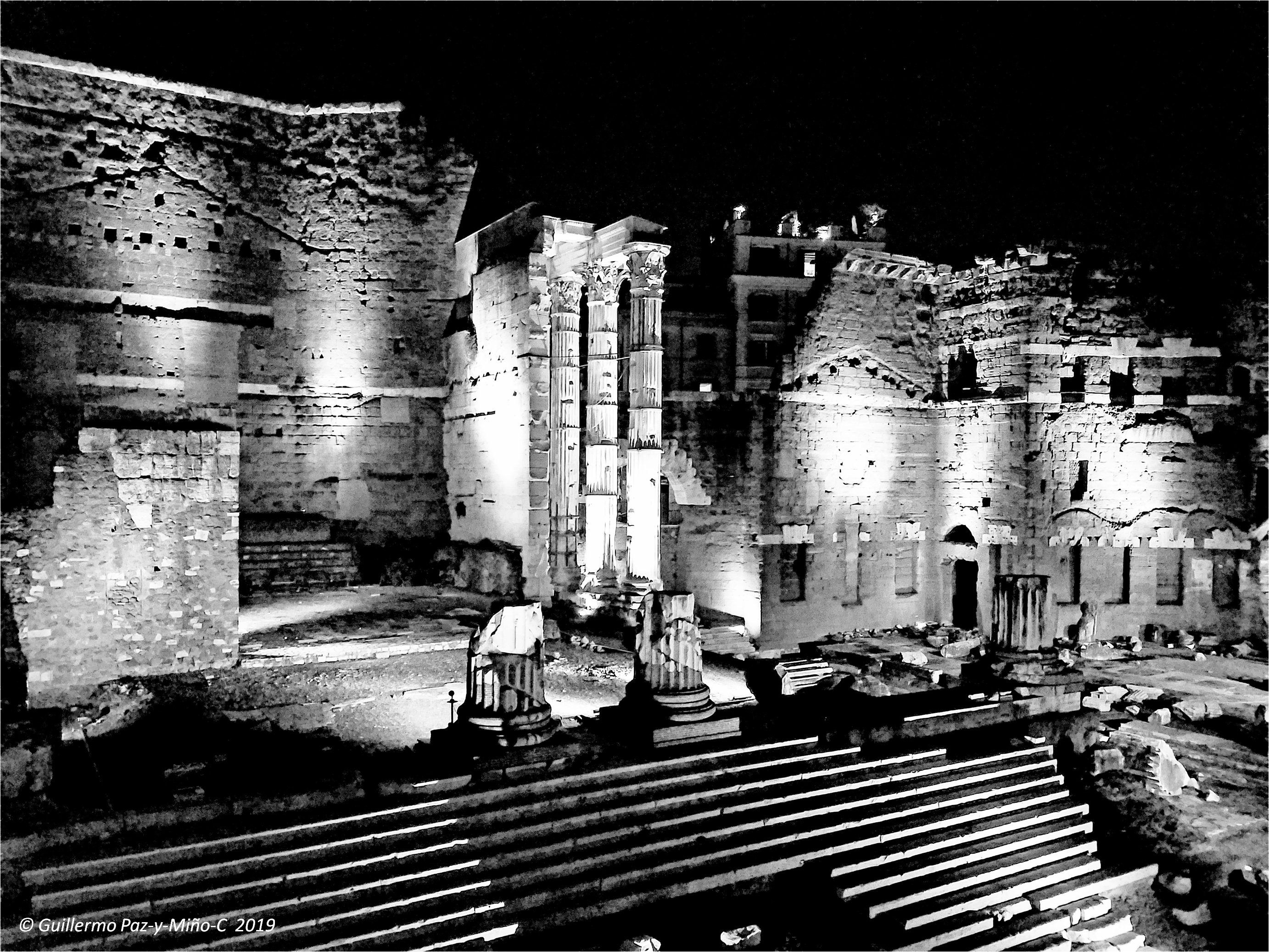
Above: ROME, monumental… beyond monumental.

Above: ROME, monumental… beyond monumental.
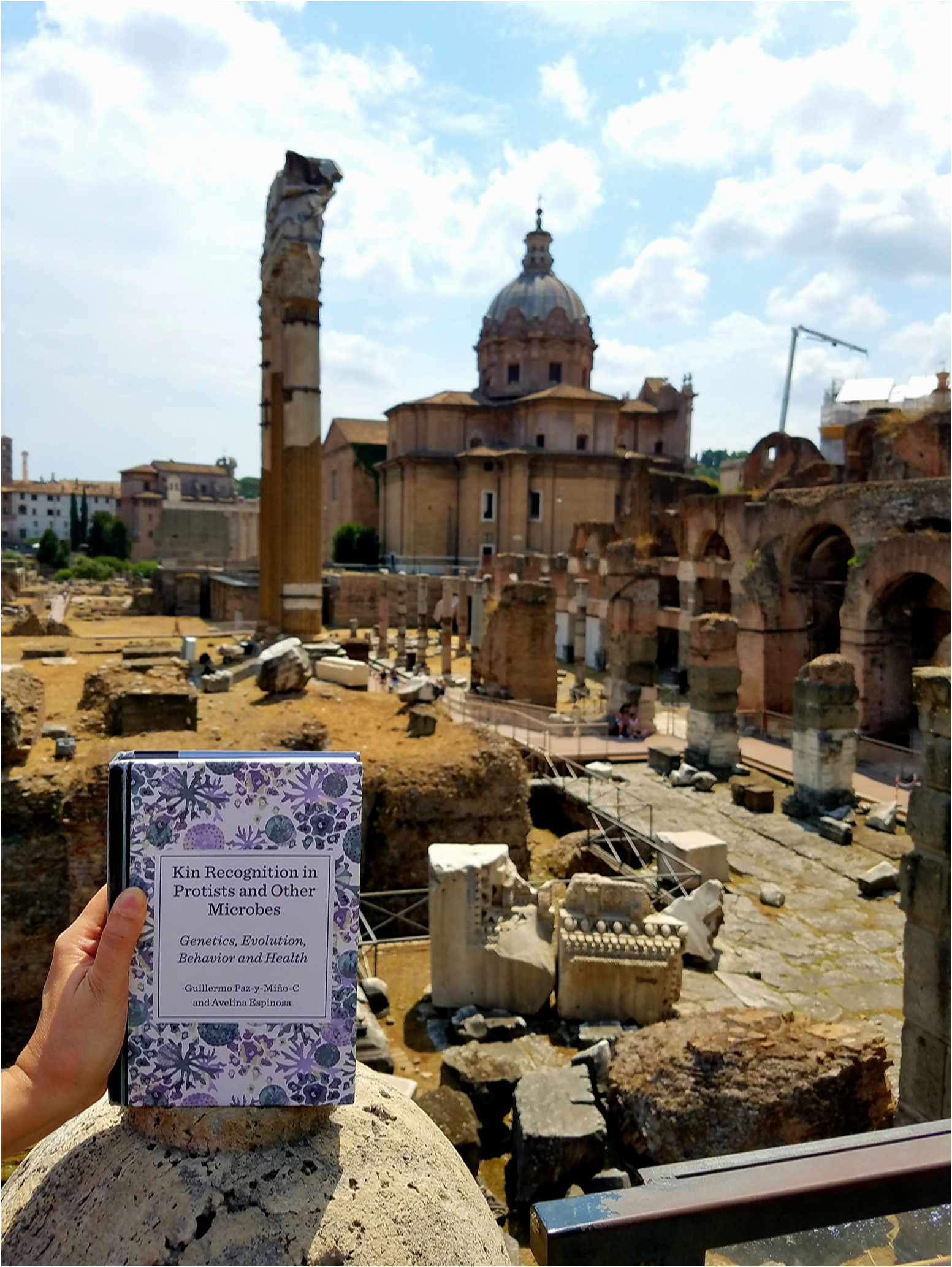
Above: when PROTISTS meet ancient ROME. Kin Recognition in Protists and Other Microbes (2018) made it to the Foro Romano…

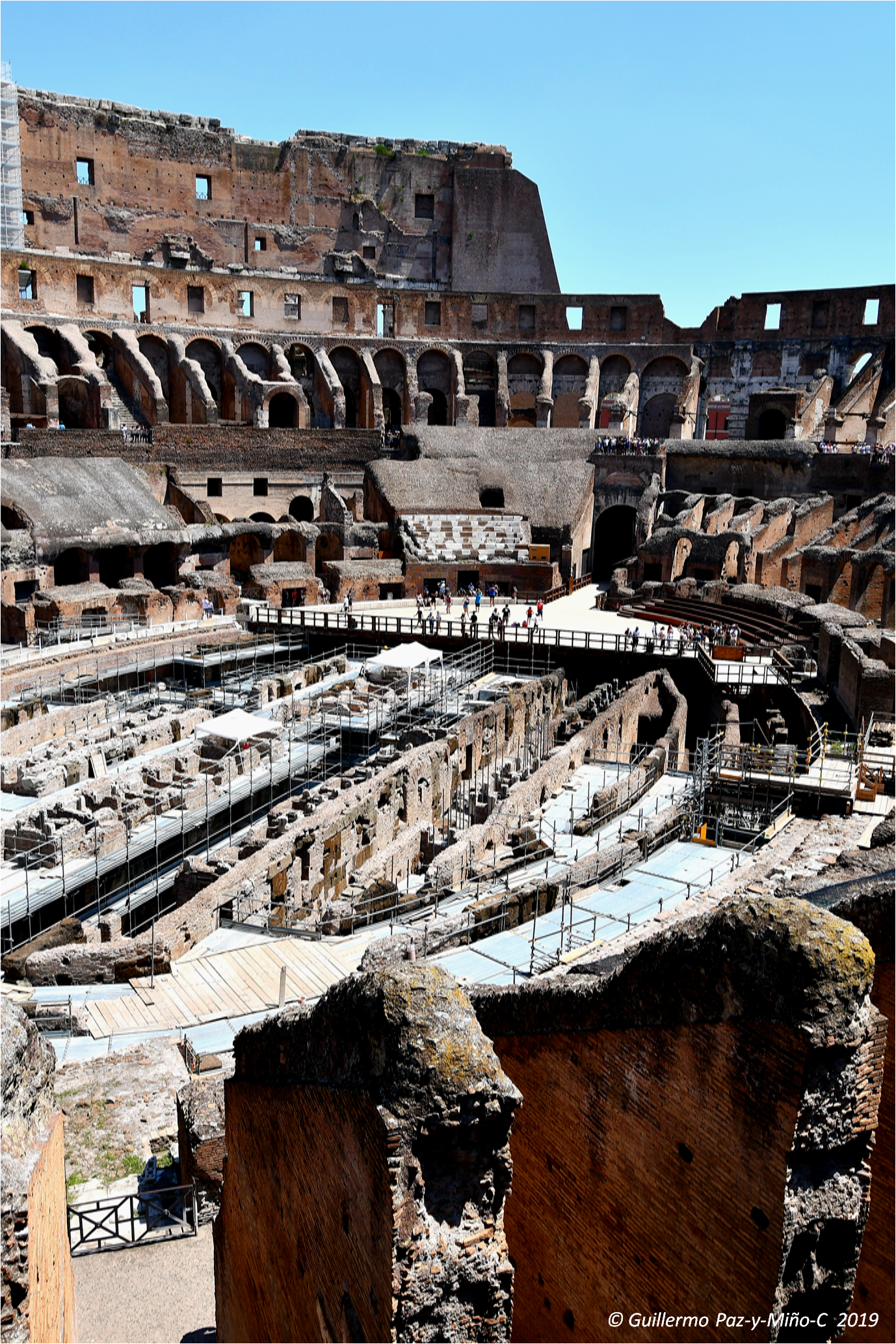
Above: Colosseum from within…
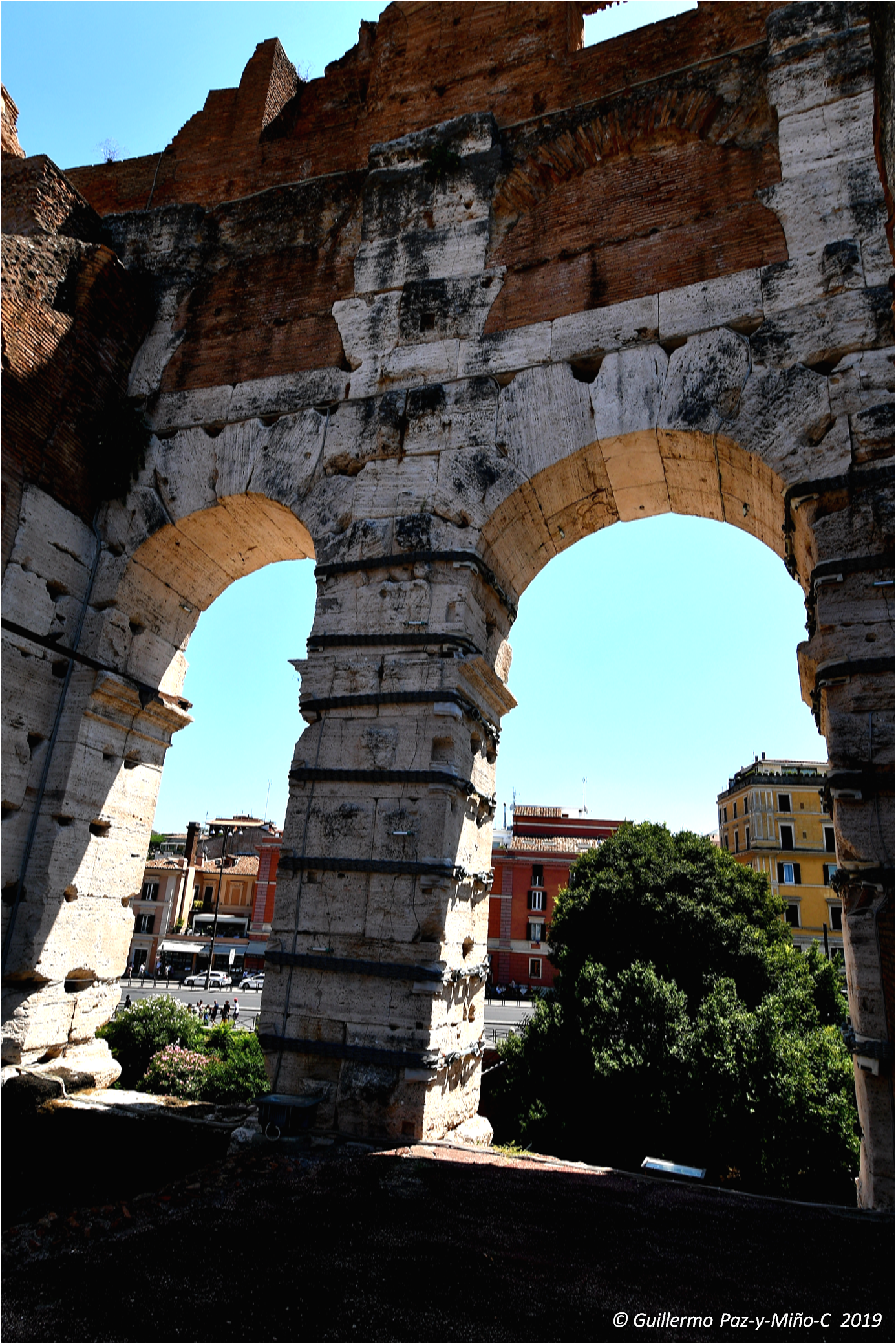
Above: ROME, monumental…

Above: just outside the Colosseum – Image One of Two – taken at the right place and time.
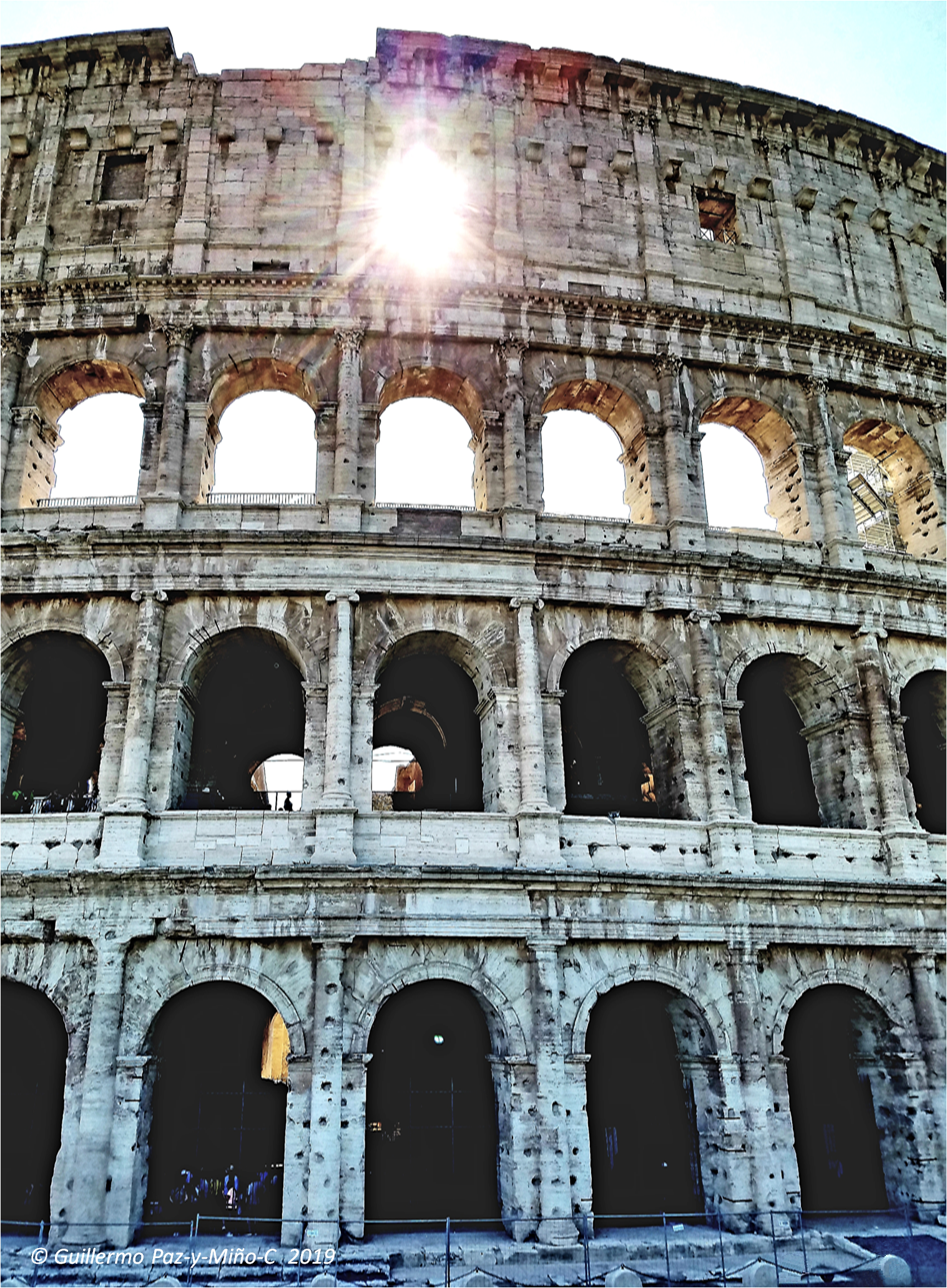
Above: just outside the Colosseum – Image Two of Two – taken at the right place and time; for this one, we went back to the Colosseum a few days later and looked for the exact spot to take the picture (different angle, of course).

Above: ROME, monumental…

Above: ROME, monumental…

Above: Measuring the Evolution Controversy (our 2016 book) at the Vatican…

Above: ROME, monumental…
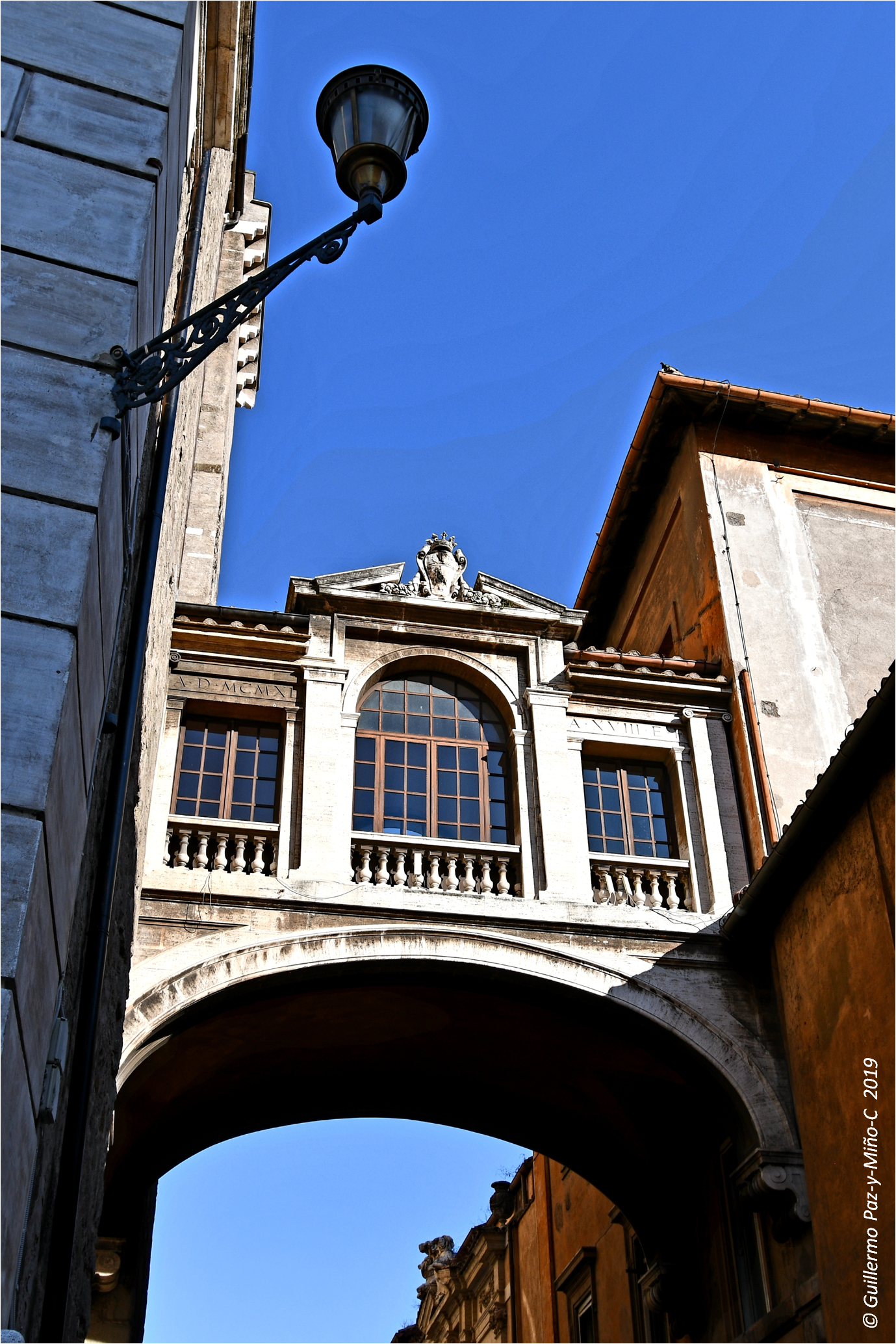
Above: ROME, bellissima…

Above: ROME, bellissima…
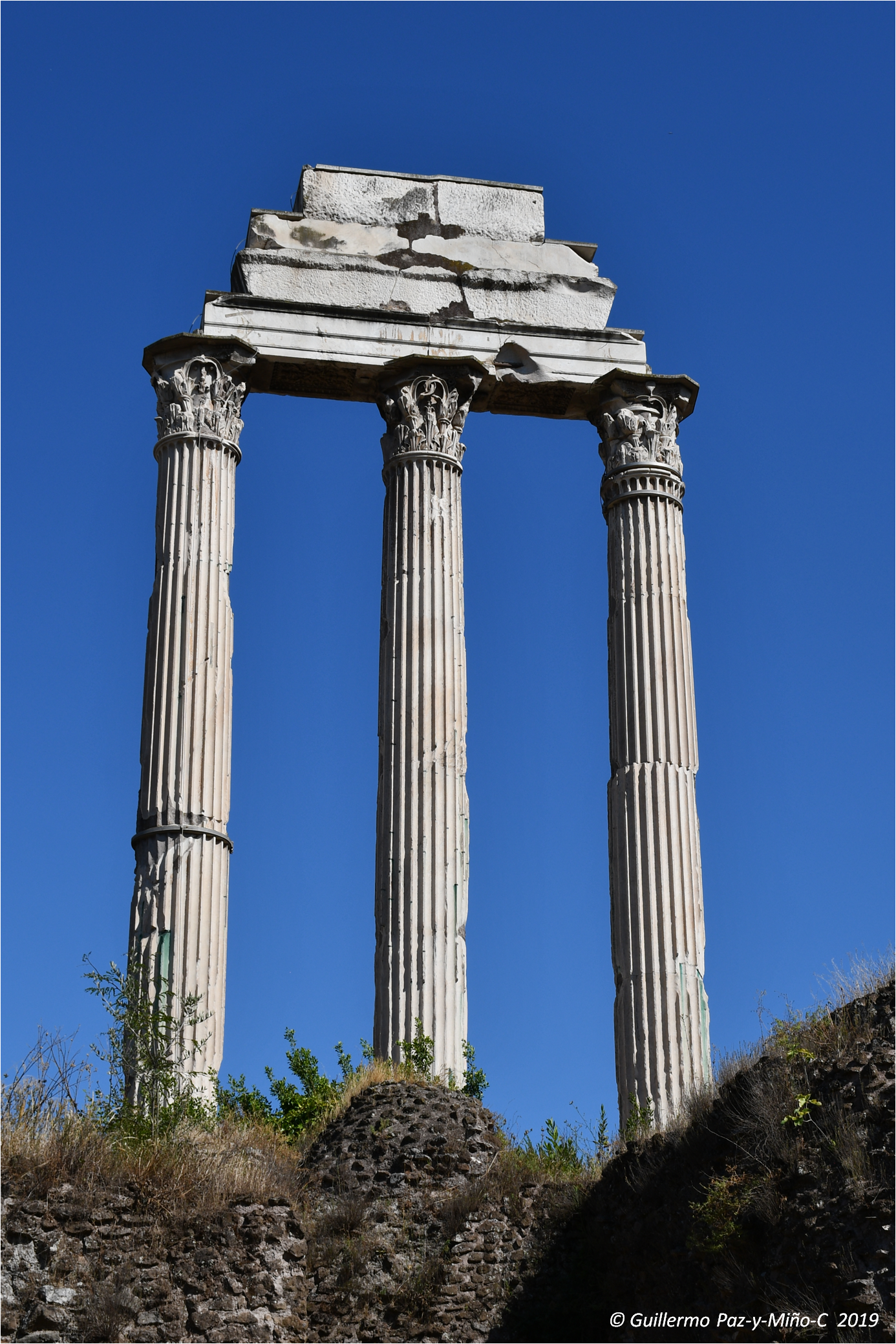
Above: at the Palatine.
Above: …and the last one of the Colosseum (for this particular day).
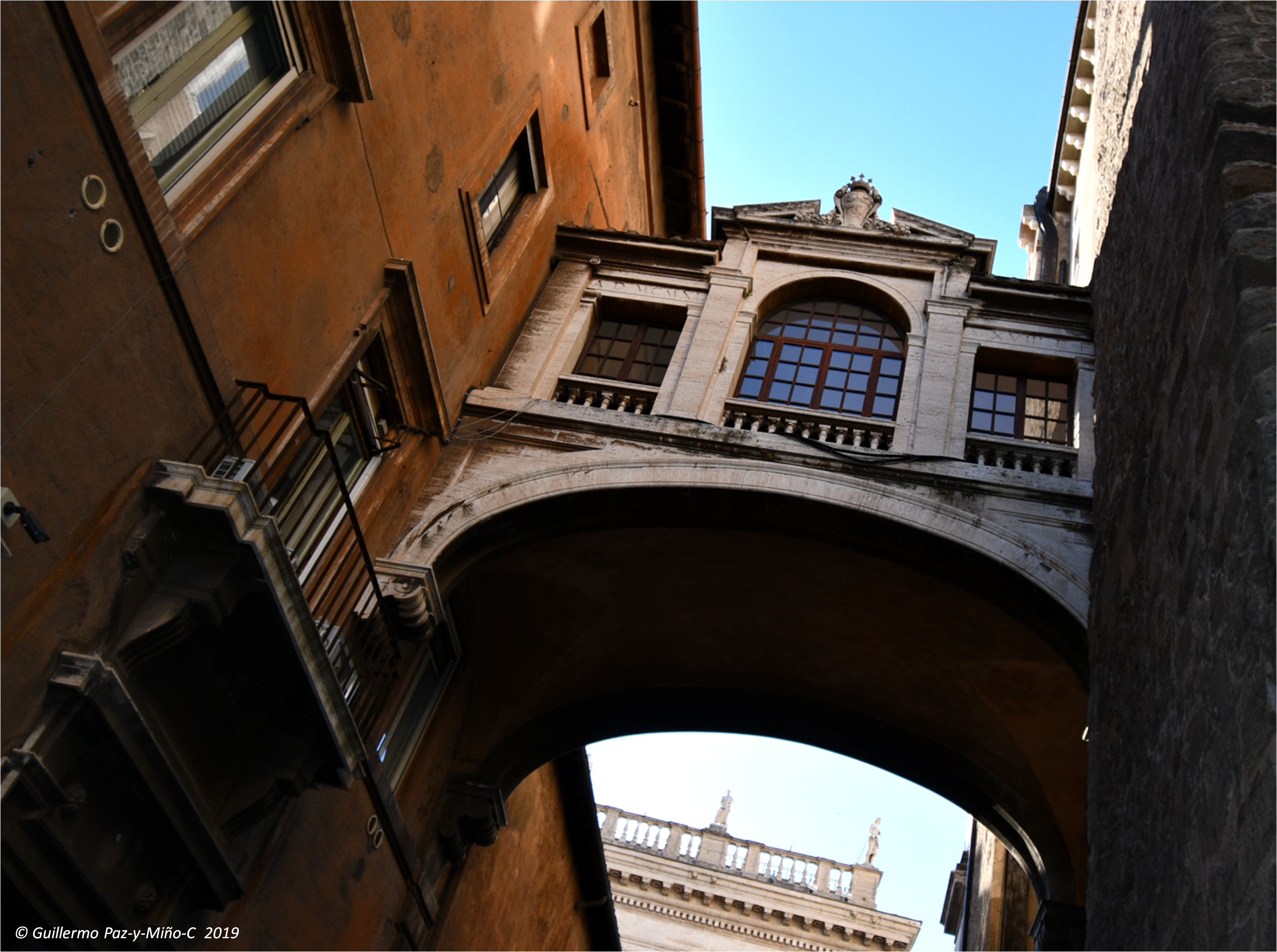
Above: ROME, bellissima.
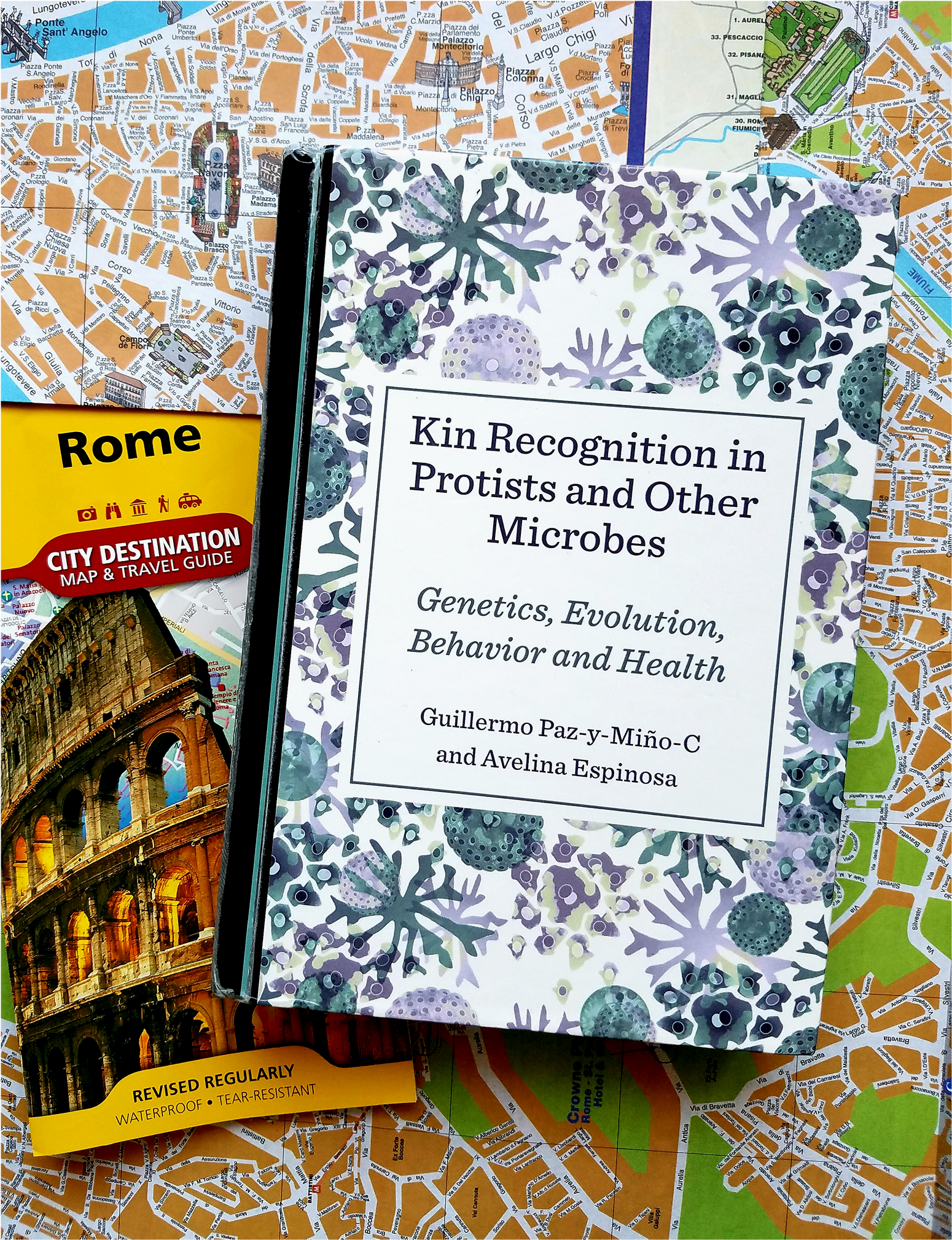
Above: QUESTIONS IN ROME (at the ECOP-ISoP 2019 meeting) – colleagues asked us a few questions about “Kin Recognition in Protists and Other Microbes” – (1) Are there alternative ways to order the book (meaning to make the purchase affordable)? The best option is to order it directly from the publisher. Another option is to ask your university library to purchase the book and have it at your campus. – (2) Is the book suitable for high schools? Short answer yes. Long answer, as we state in the book “offering over 200 figures and diagrams, this [book] will appeal to a broad audience, including researchers in academia [our first target audience: scientists], postdoctoral fellows, graduate students and research undergraduates. Science writers and college educators will also find it informative and practical for teaching”. We know of two high school teachers that have gotten the book for their own use as reference for lectures. – (3) Do we sign copies of the book? Yes, if you are at ECOP-ISoP- Rome-2019, approach us with your copy and we will sign it.
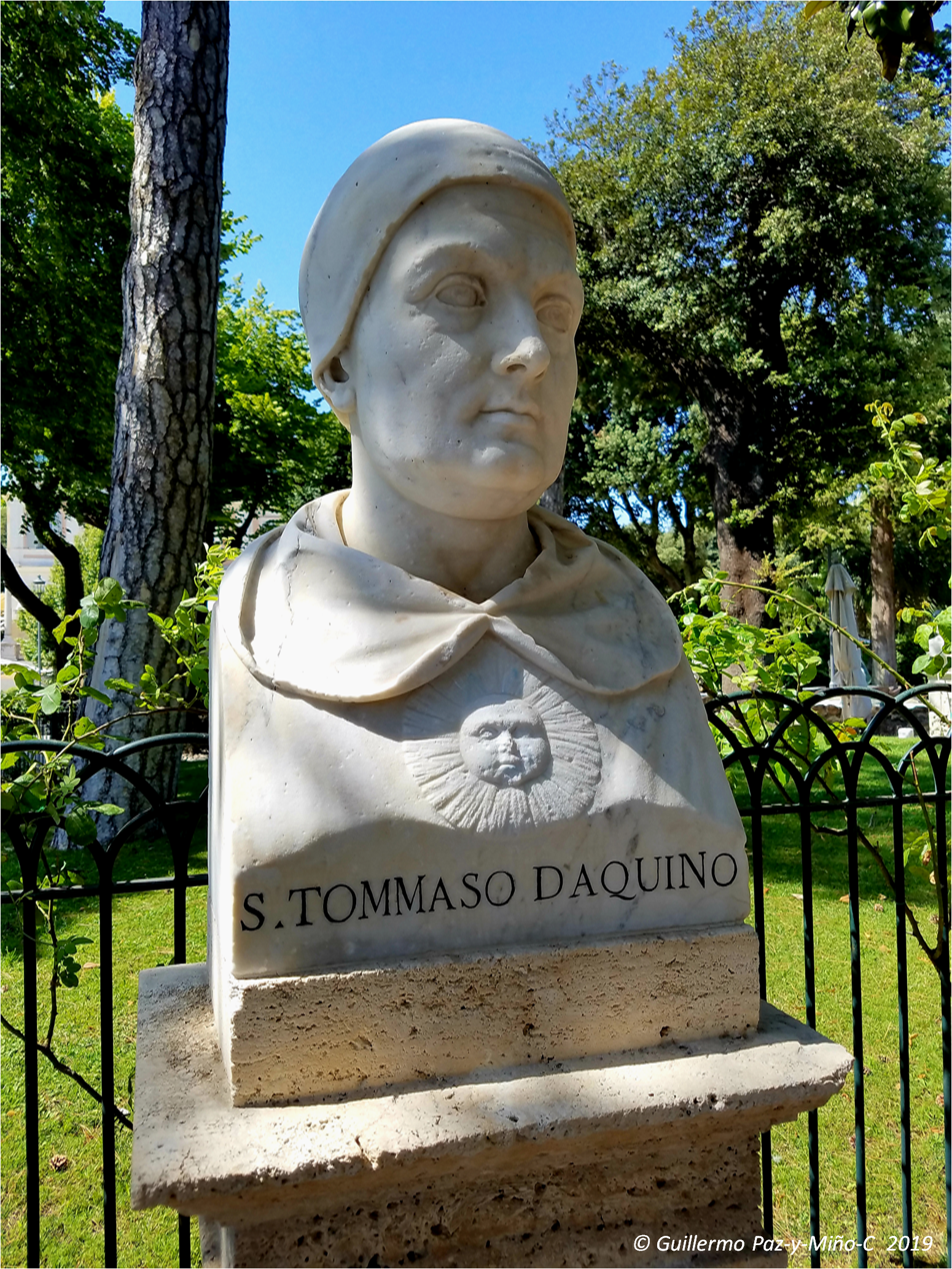
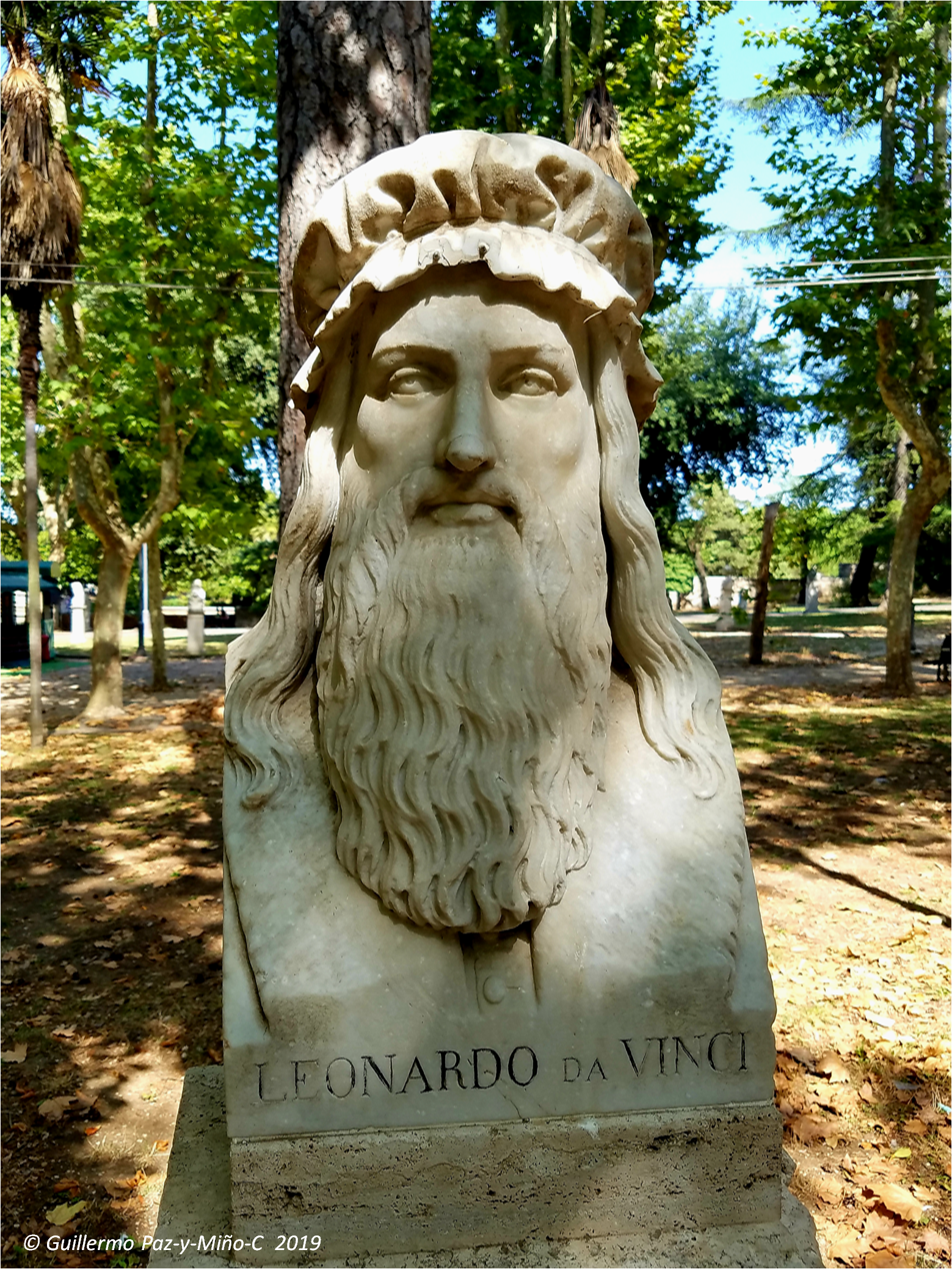
Above: theistic evolutionists have a crush on this guy…
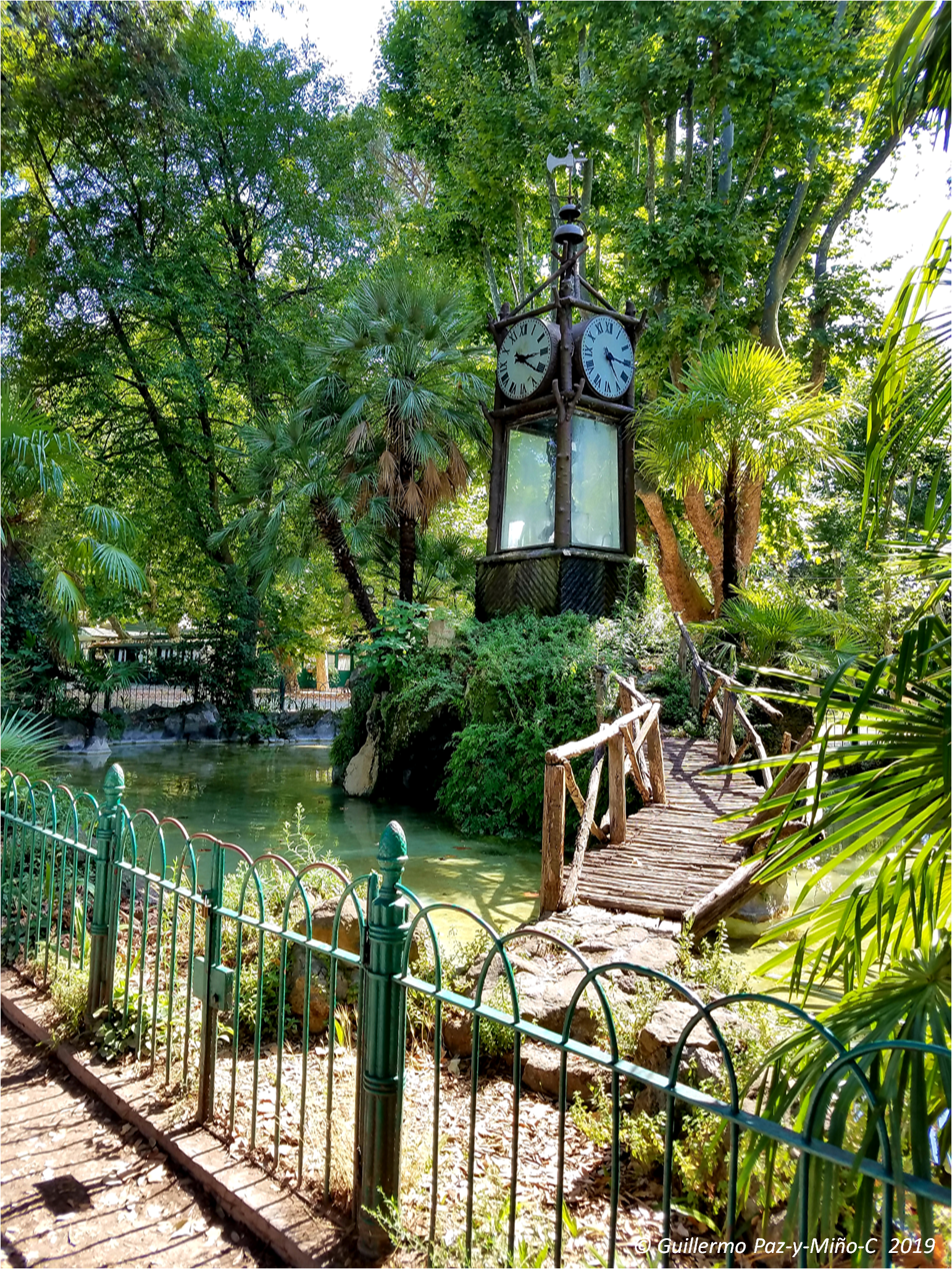
Above: water clock…
Above: there is symmetry in this image, and for a reason.
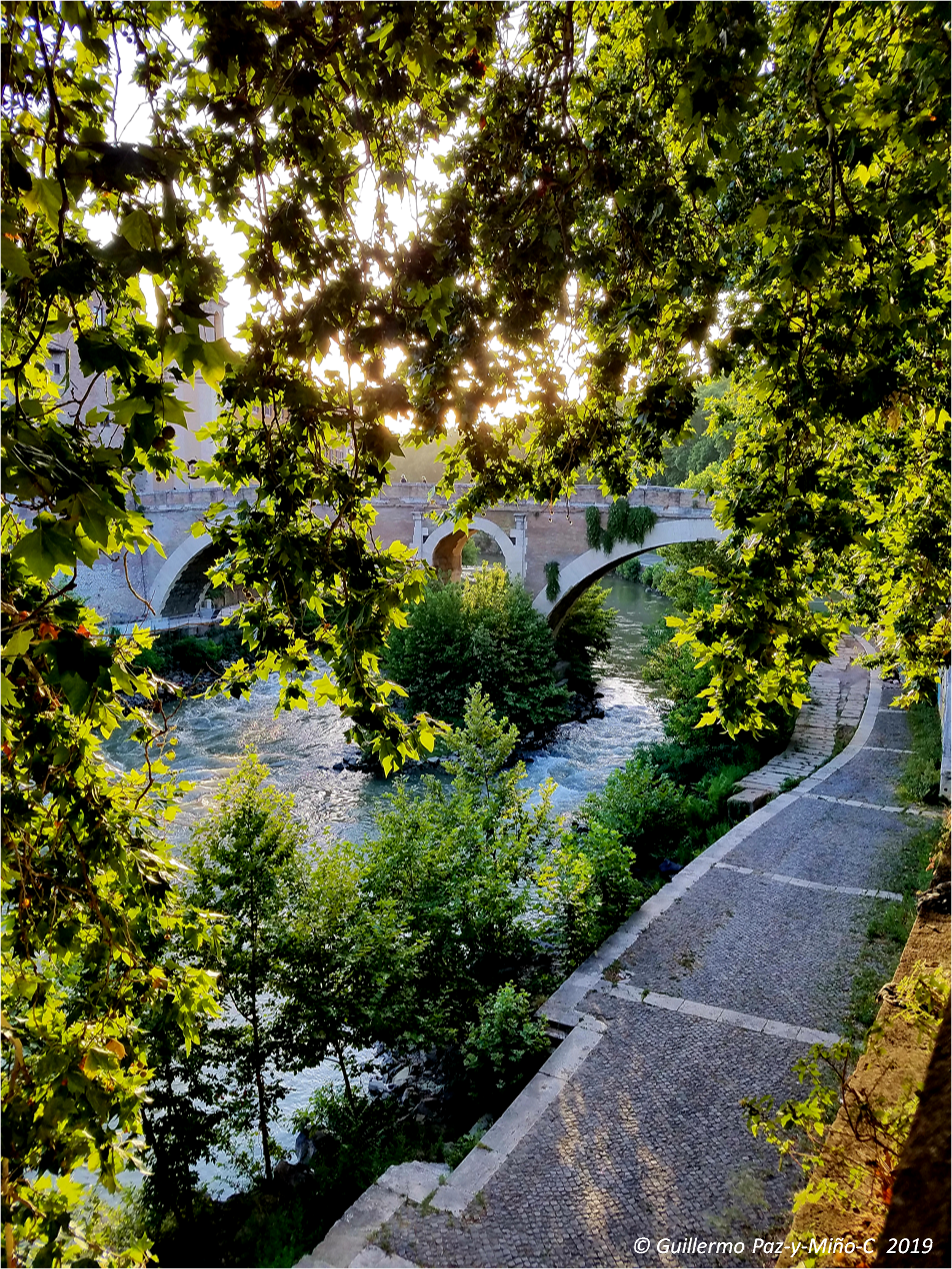
Above: Roma, bellissima… Ponte Fabricio.

Above: just outside the Pantheon.

Above: the Pantheon.
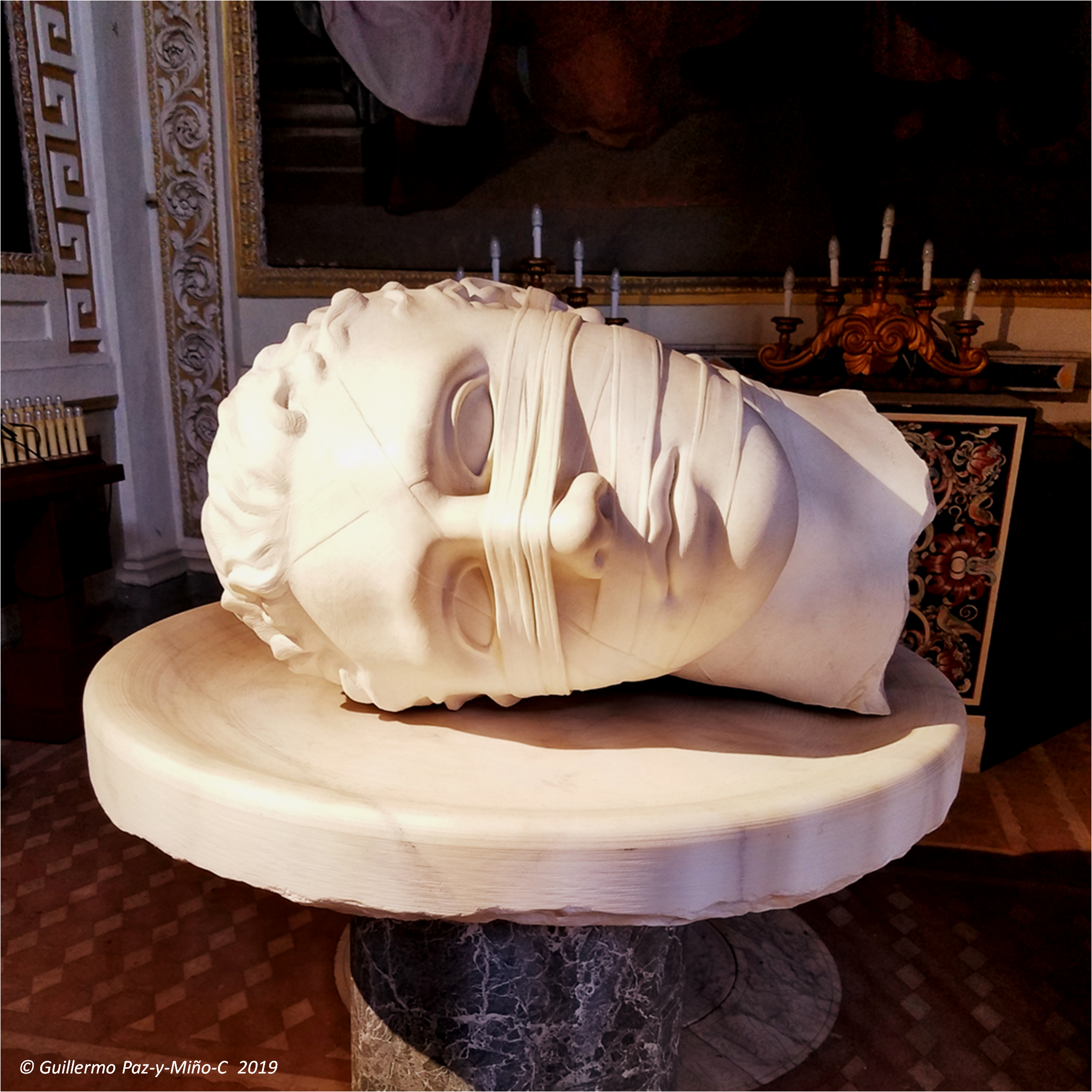
Above: Head of Saint Giovanni Battista at Santa Maria degli Angeli.
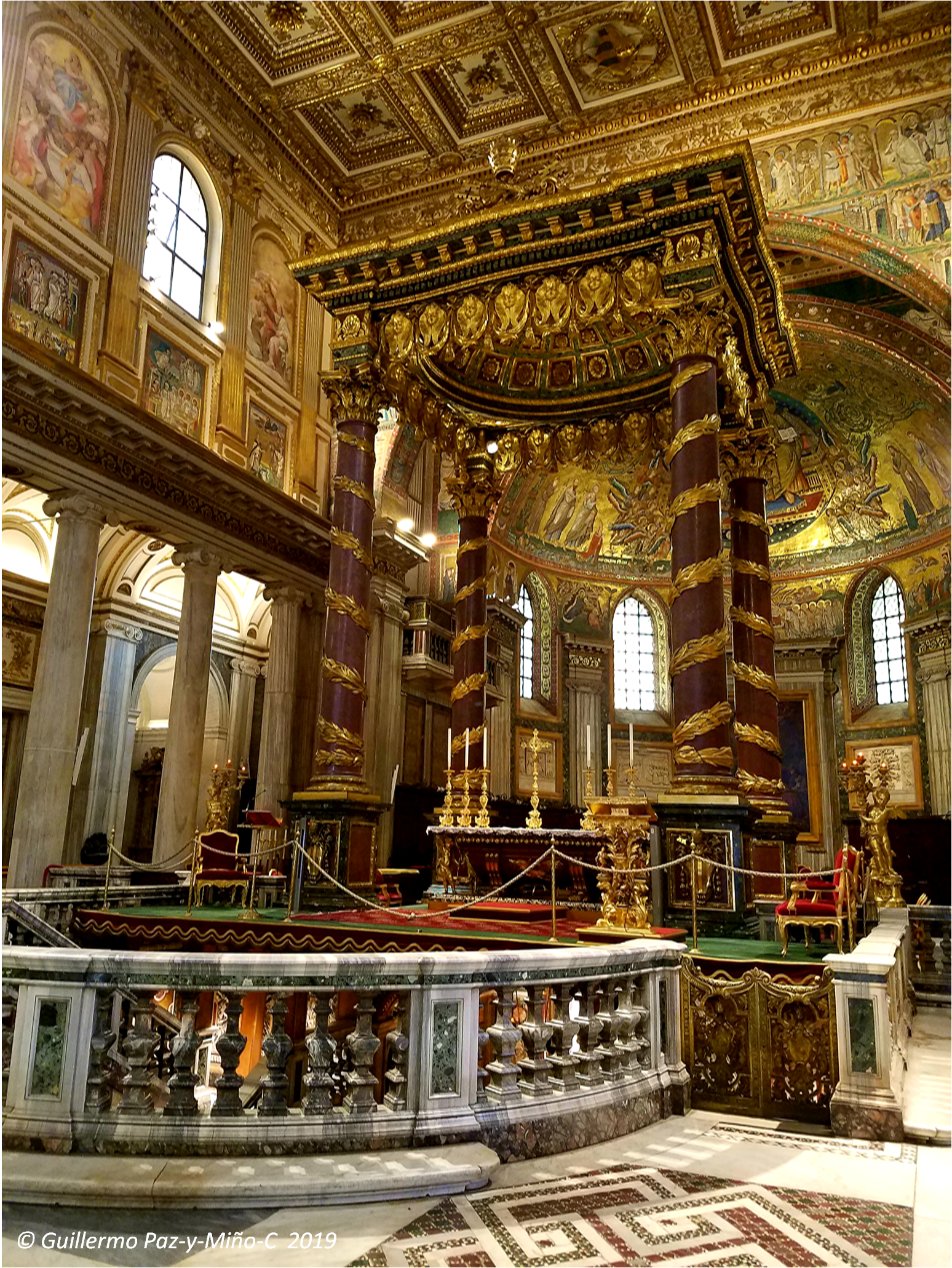
Above: Basilica Papale Santa Maria Maggliori, even more spectacular than the Saint Peter’s Basilica.
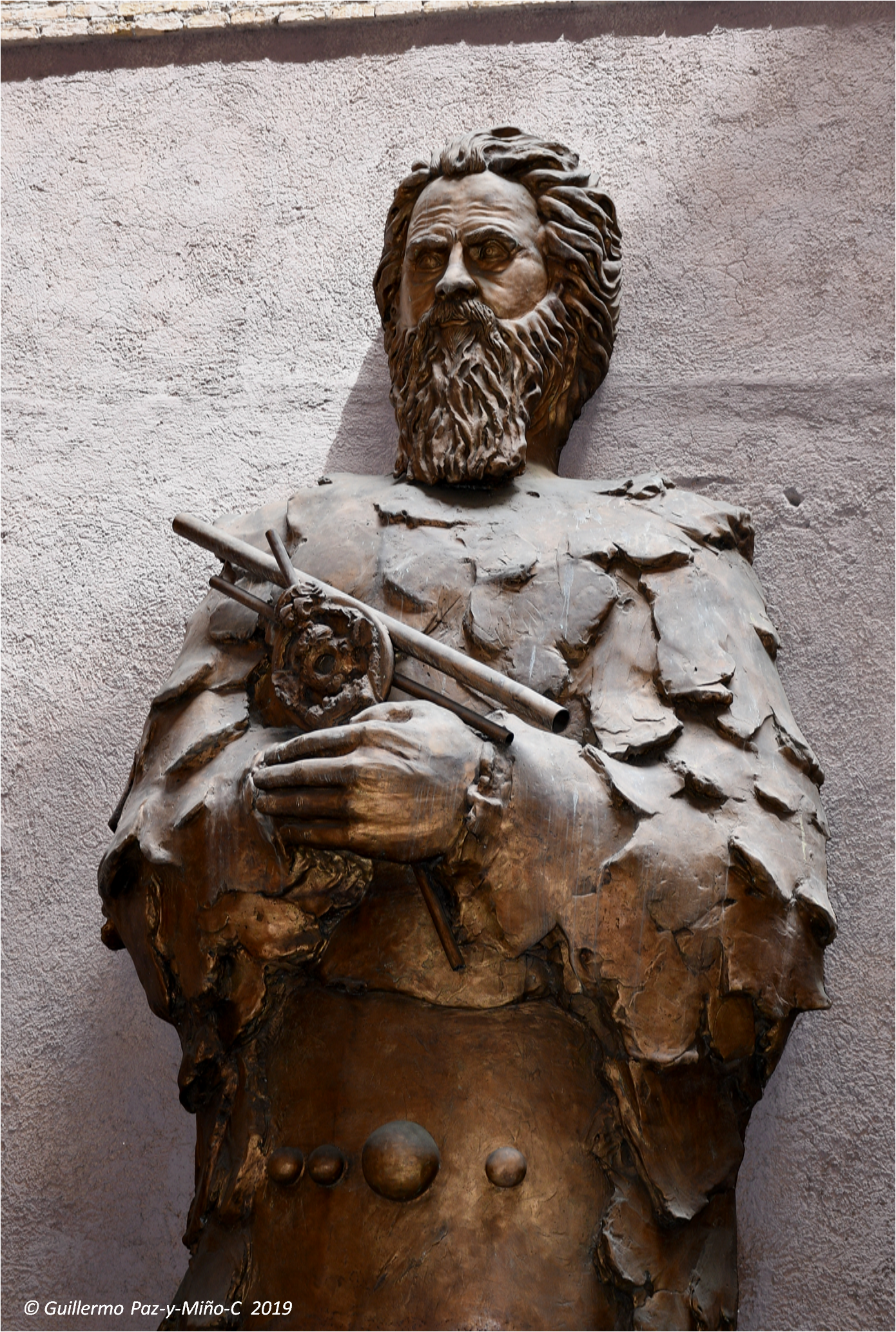
Above: Galileo Galilei by Tsung Dao Lee, Basilica di Santa Maria degli Angeli.
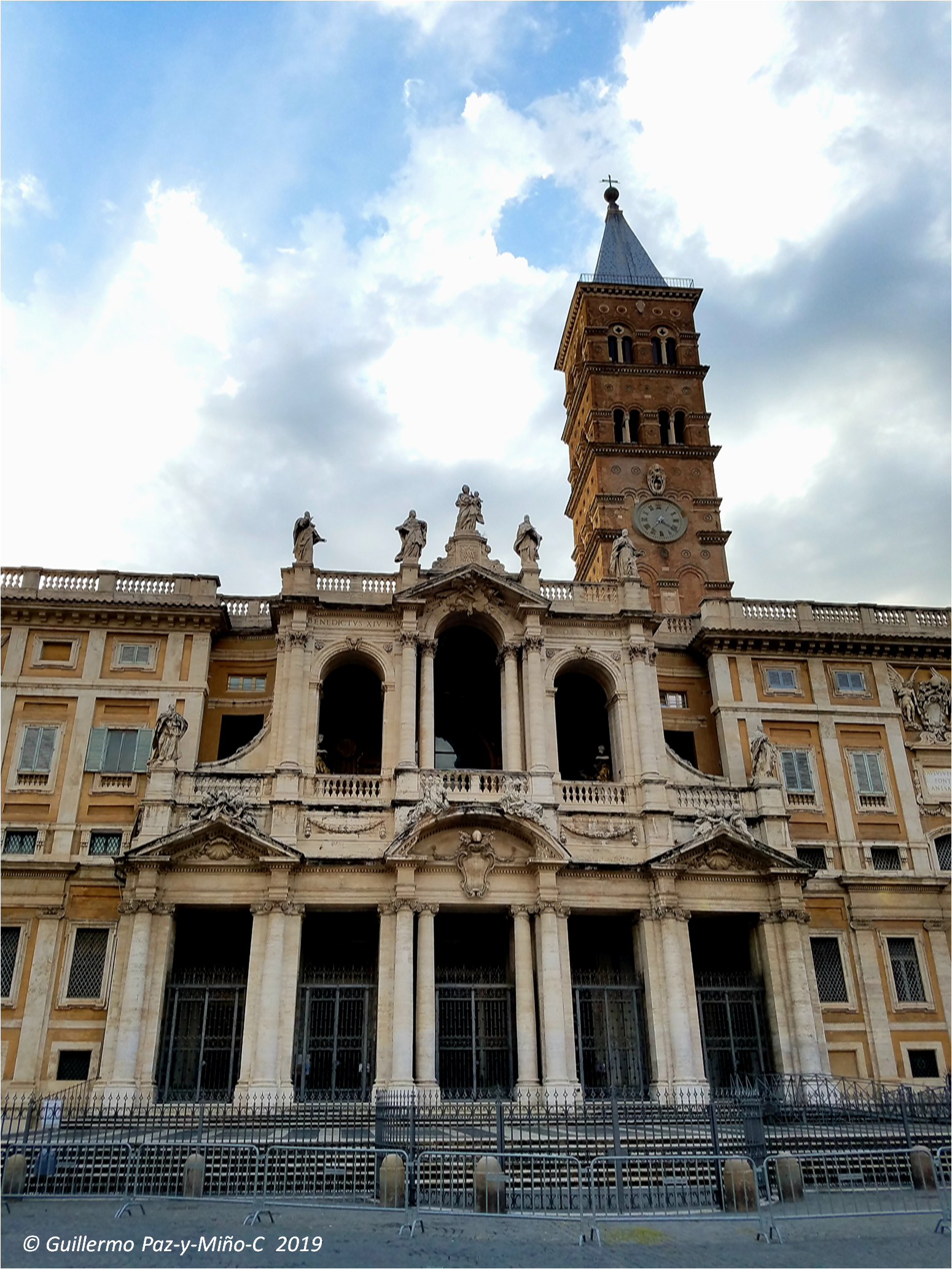
Above: …and the outdoors of the Basilica Papale Santa Maria Maggliori, ROME… today’s walk [secular camera].

Above: we went back to the Basilica Papale Santa Maria Maggliori for a few B&W and color shots – This monument rivals the Saint Peter’s Basilica in the Vatican.

Above: we went back to the Basilica Papale Santa Maria Maggliori for a few B&W and color shots – This monument rivals the Saint Peter’s Basilica in the Vatican.

Above: we went back to the Basilica Papale Santa Maria Maggliori for a few B&W and color shots – This monument rivals the Saint Peter’s Basilica in the Vatican.
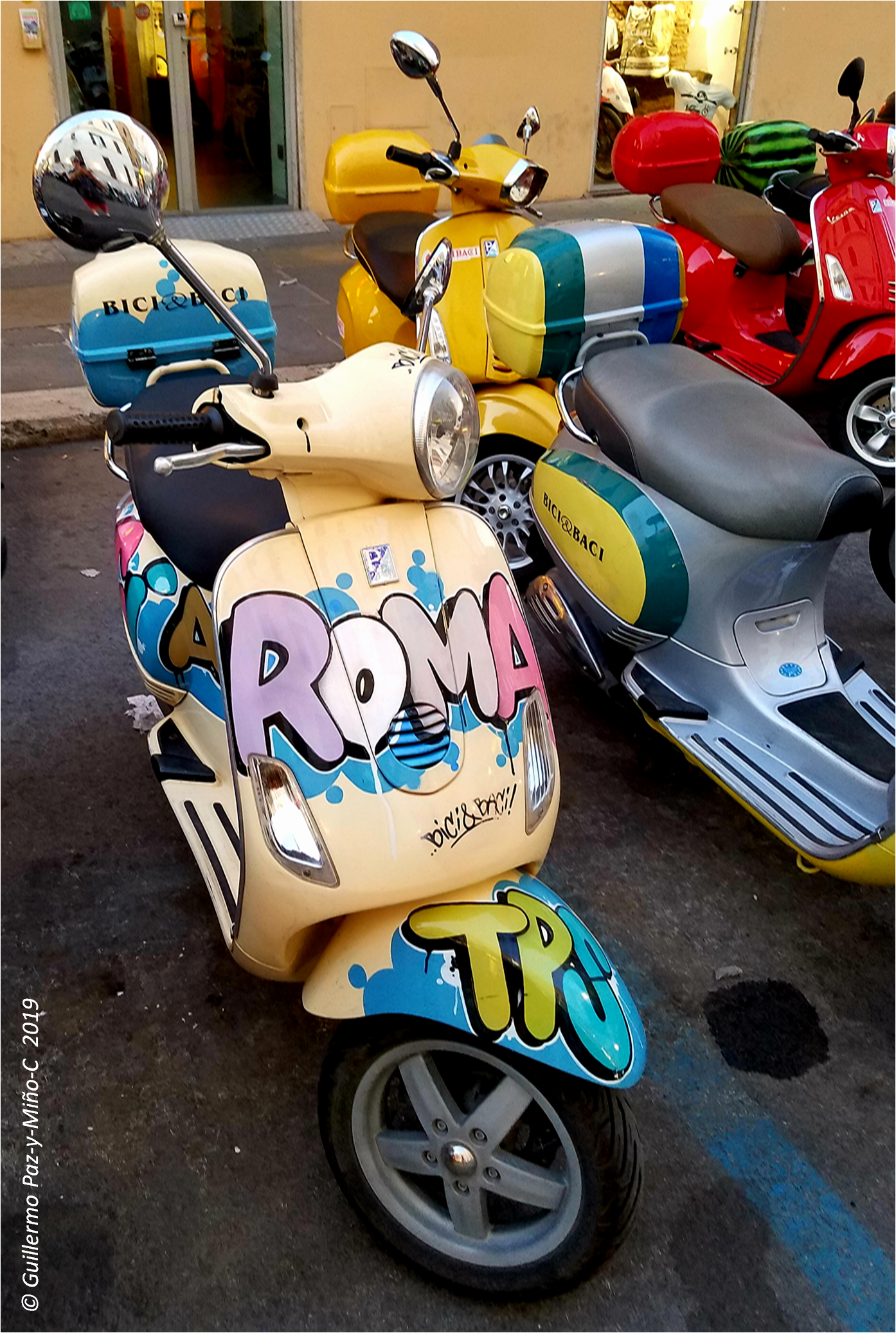
Above: ScooteRome…

Above: spectacular Rome, Terme di Caracalla…

Above: Terme di Caracalla…
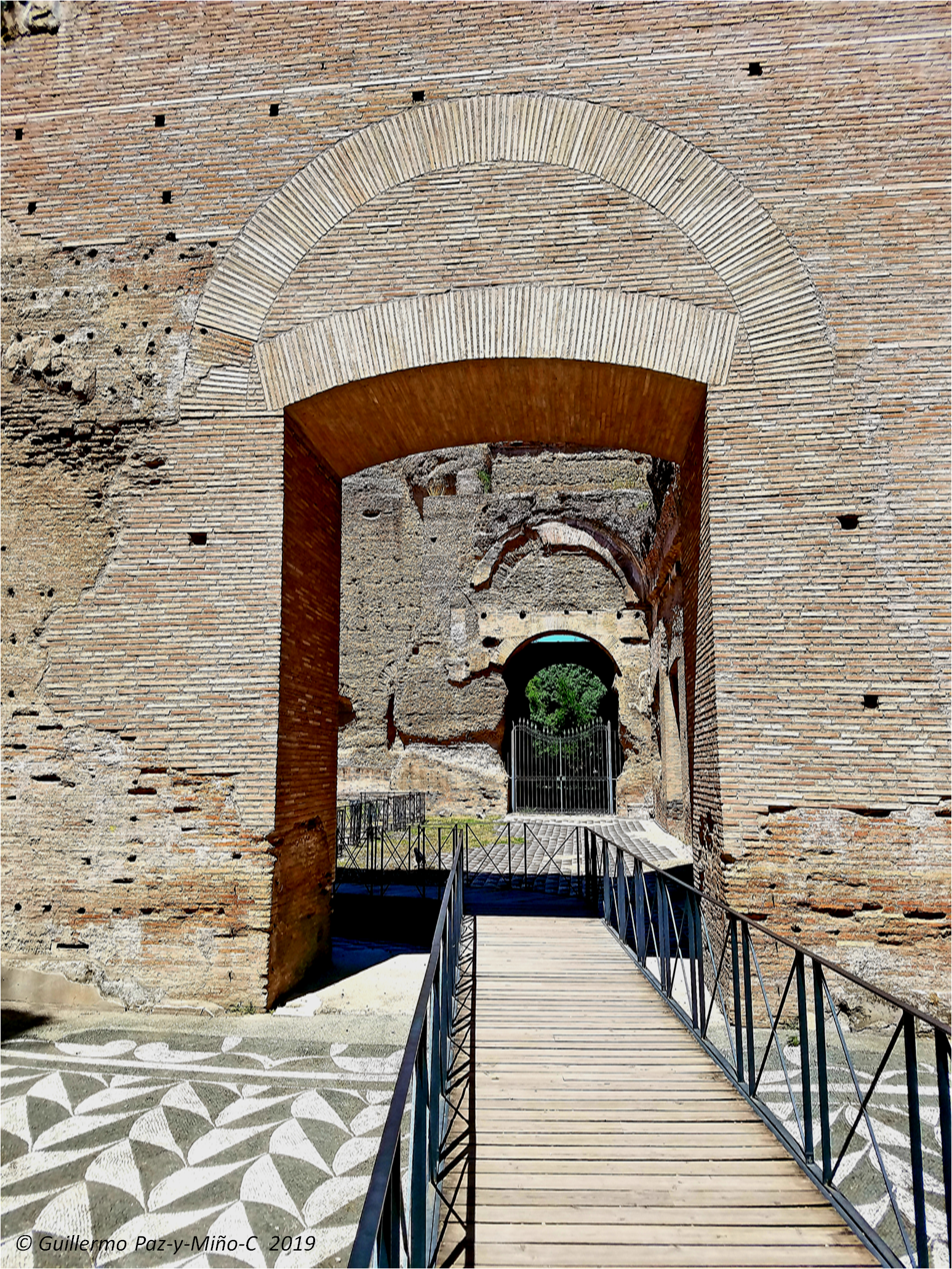
Above: Terme di Caracalla…
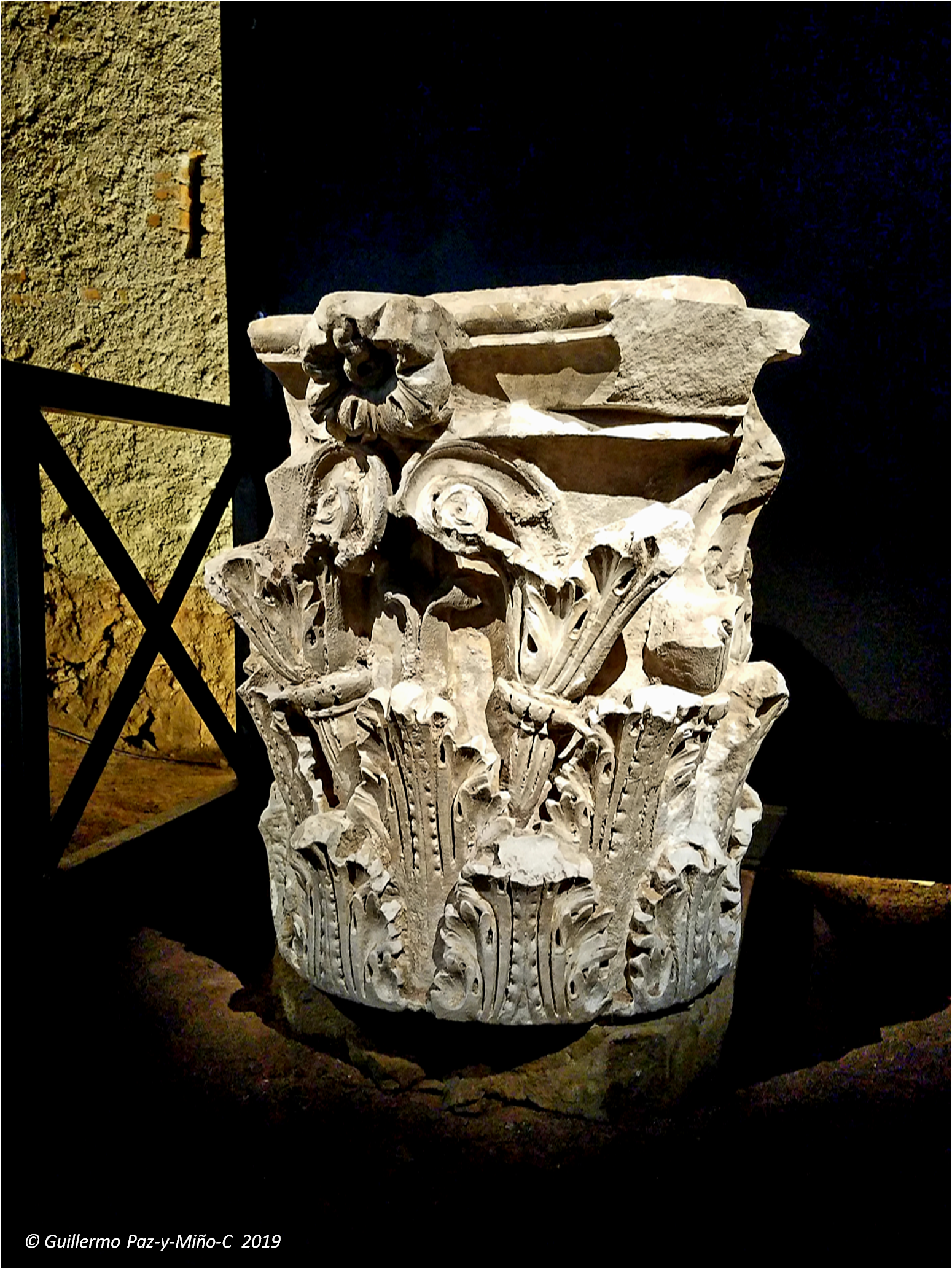
Above: Terme di Caracalla…

Above: Rome, ancient…

Above: Rome, ancient…

Above: …and another basilica in ROME (impossible to miss them in every block) – Basilica di Santa Maria in Trastevere, another competitor in beauty [secular camera].
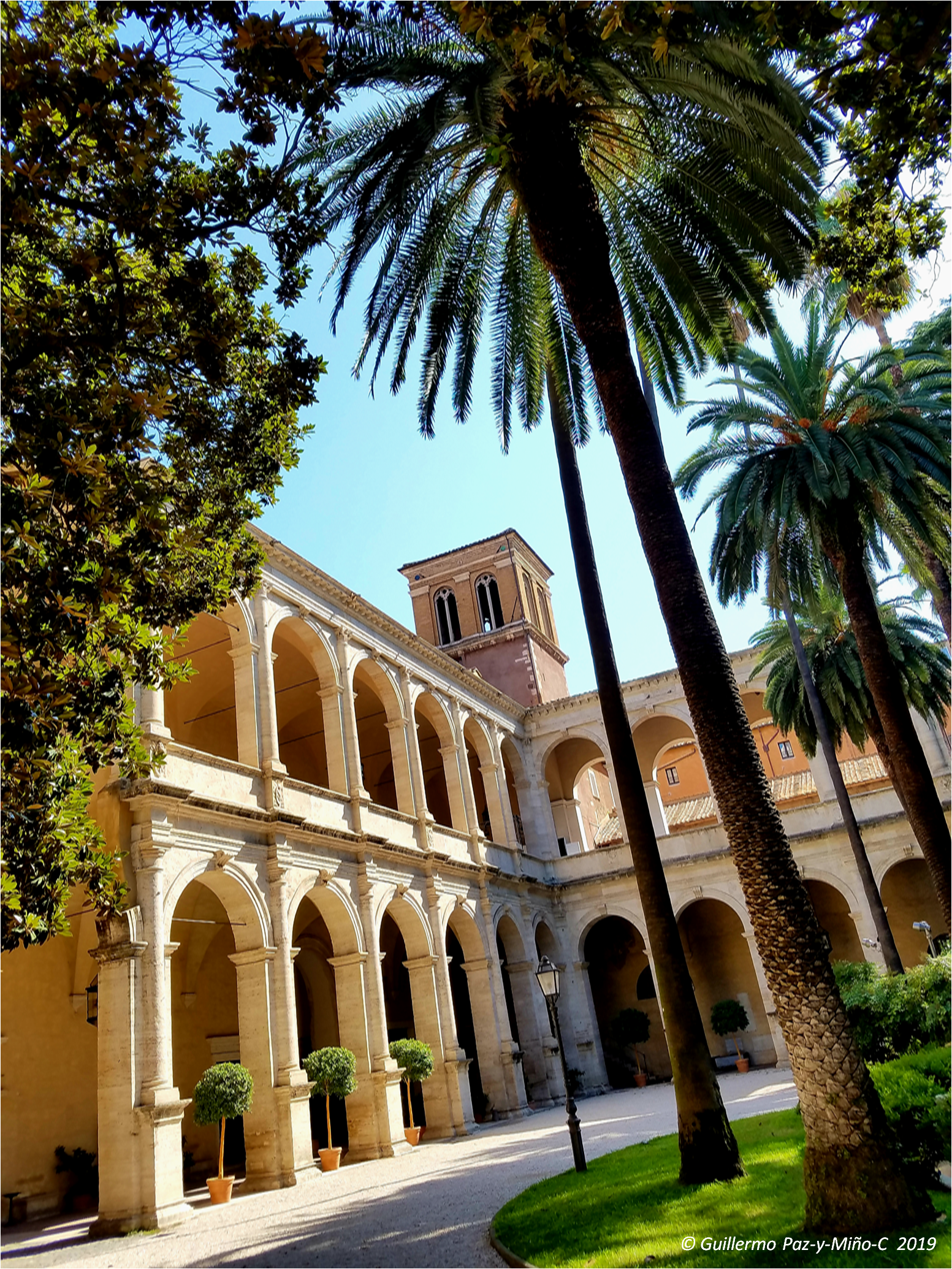
Above: National Museum of the Venetian Palace.

Above: Giordano Bruno at the Campo Dei Fiori (where he was burned in 1600 for heresy).
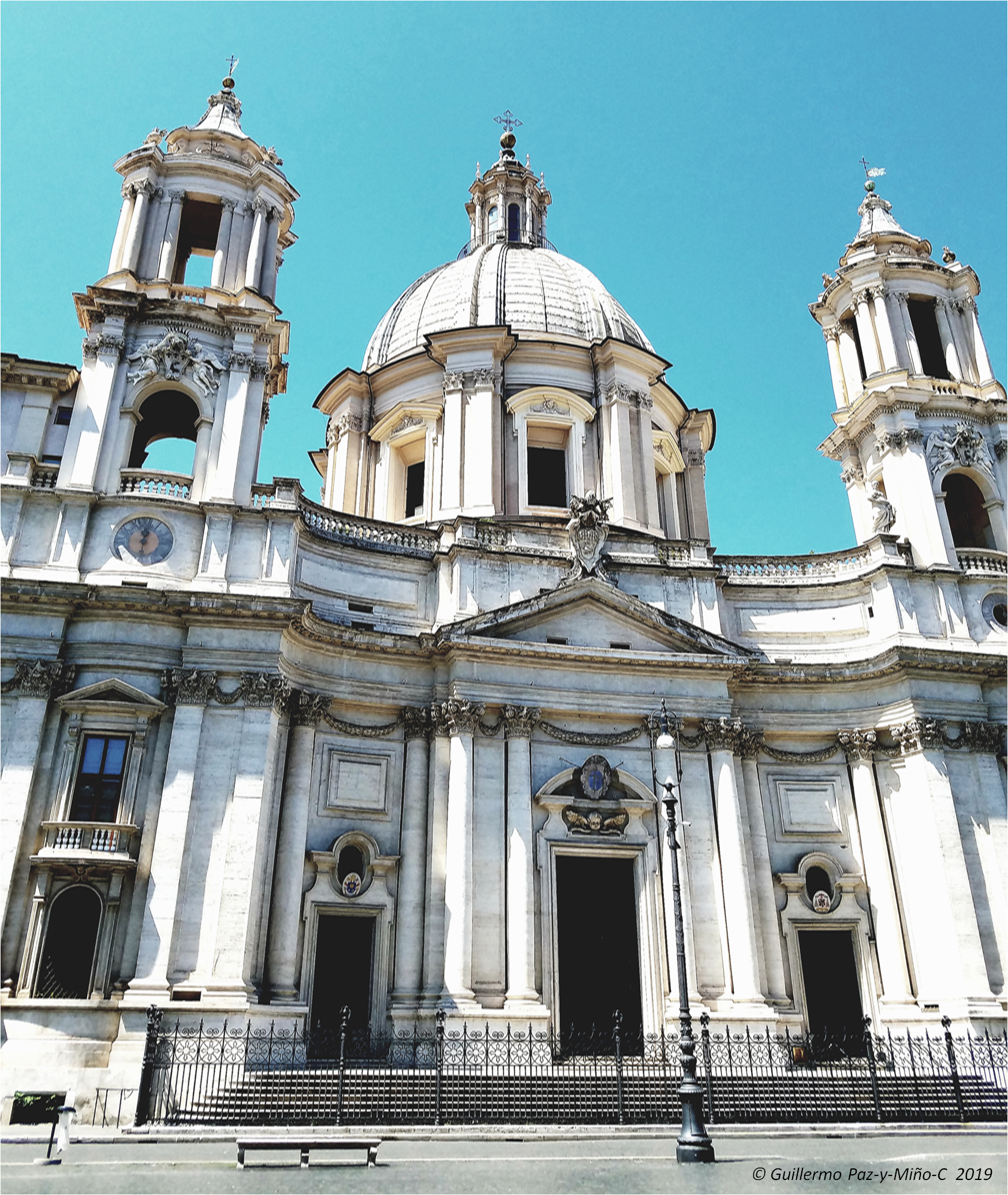
Above: at Piazza Navona.
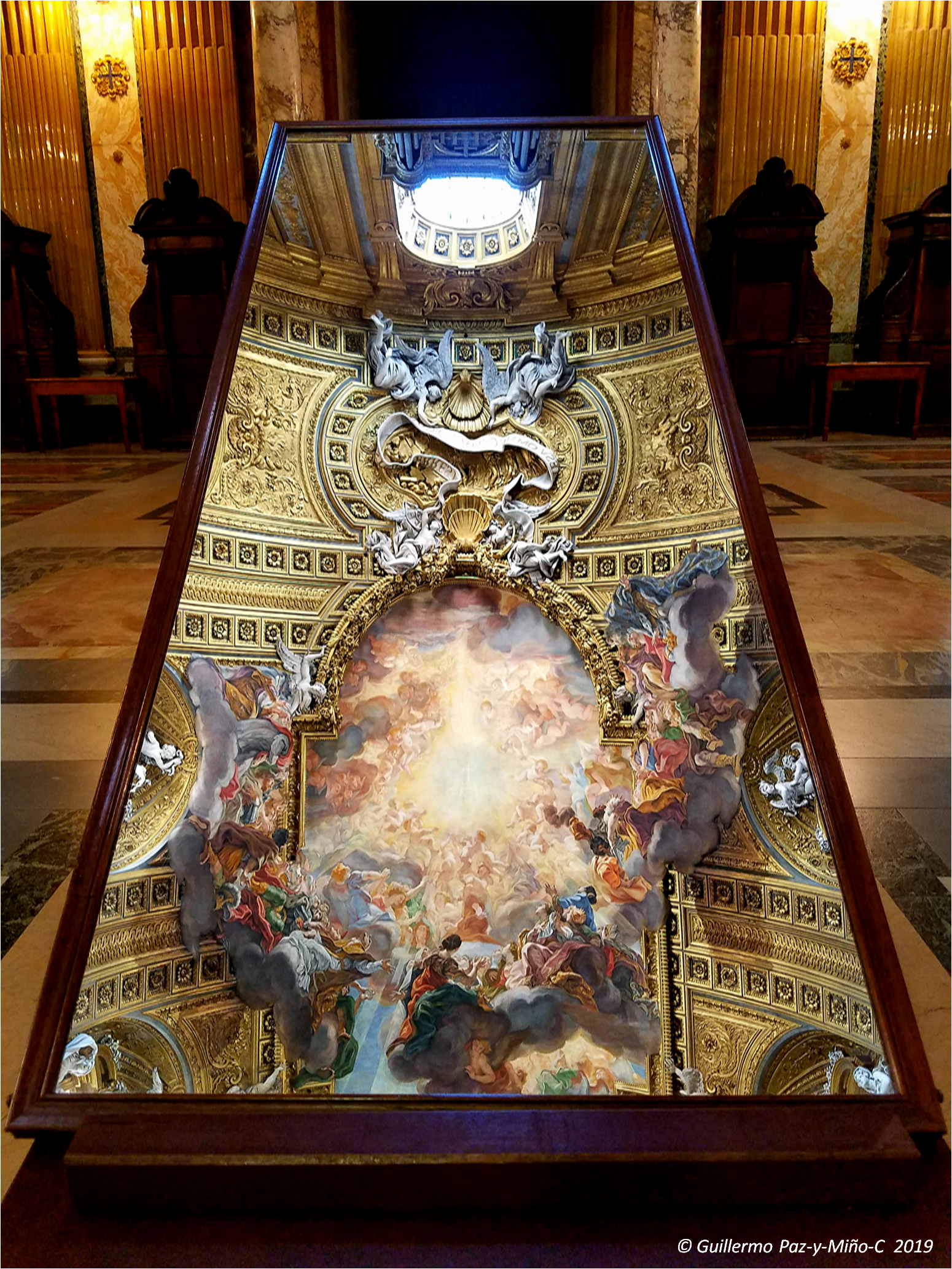
Above: mirror showing “the heavens” [figuratively, of course] at the Gesὺ Church in Rome [secular camera].

Above: Giordano Bruno… ROME, today’s walk – “…On February 8, 1600, when the death sentence was formally read to him, he addressed his judges, saying: ‘Perhaps your fear in passing judgment on me is greater than mine in receiving it.’ Not long after, he was taken to the Campo de’ Fiori, his tongue in a gag, and burned alive…

Above: the SHHH paradox – “SHHH”… they tell you on loud speakers at the Vatican museums. The SHHH itself is louder than the noise made by hundreds of people visiting the exhibits. The SHHH is to show respect at the temples and for the deities that are always deaf.
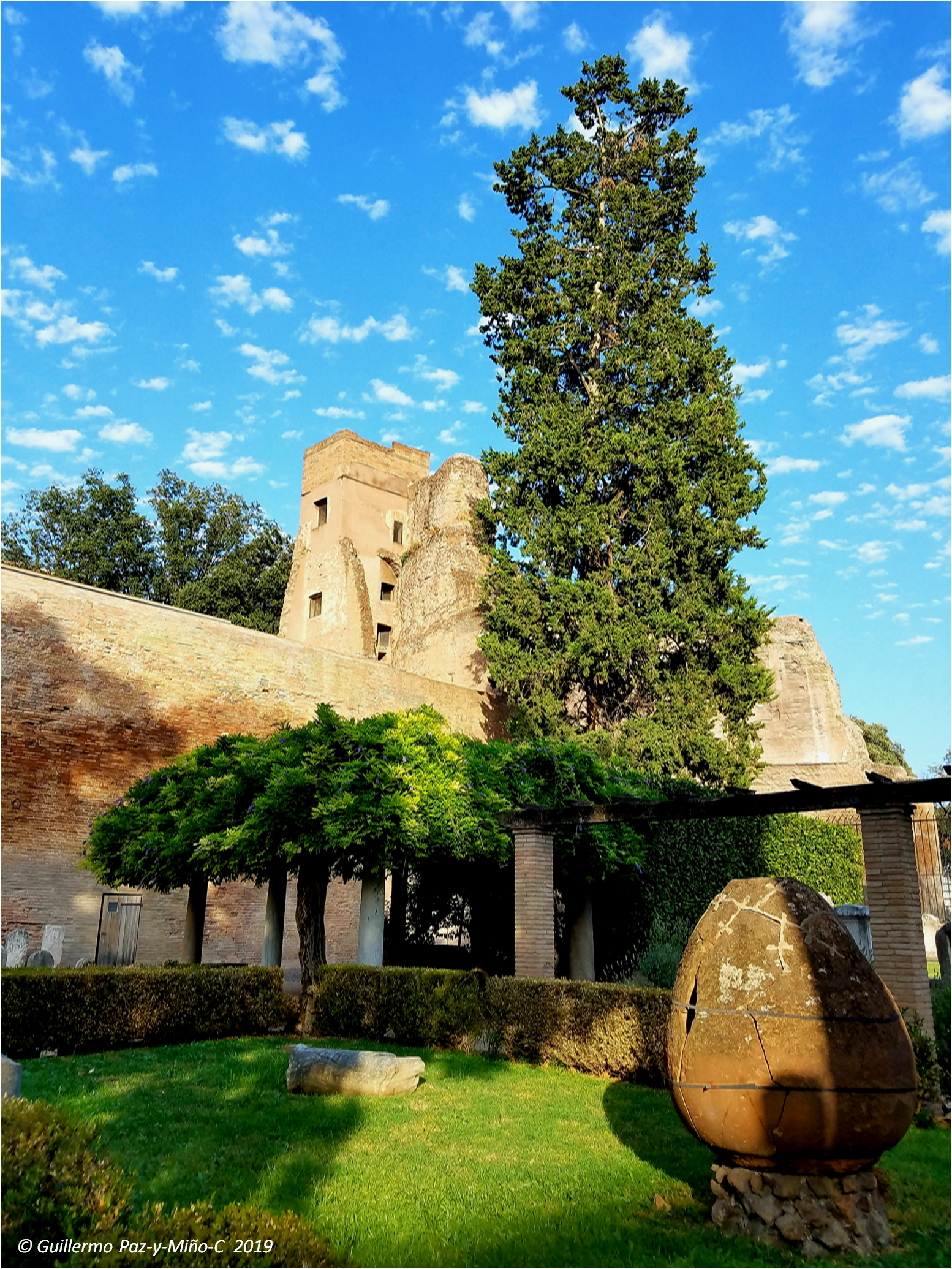
Above: only Rome looks like this…
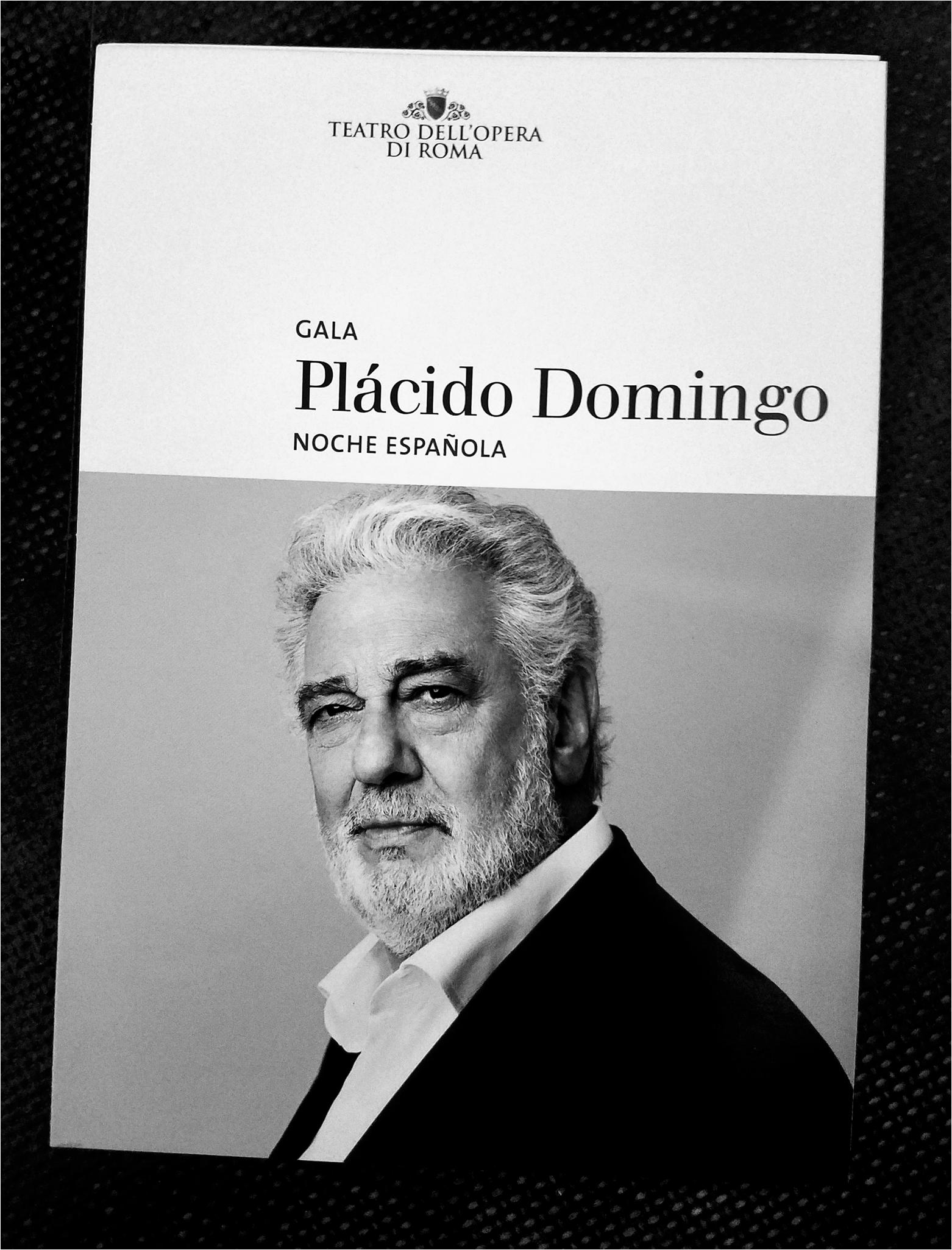
Above: we got great tickets to Noche Española with Plácido Domingo (row 13, center).

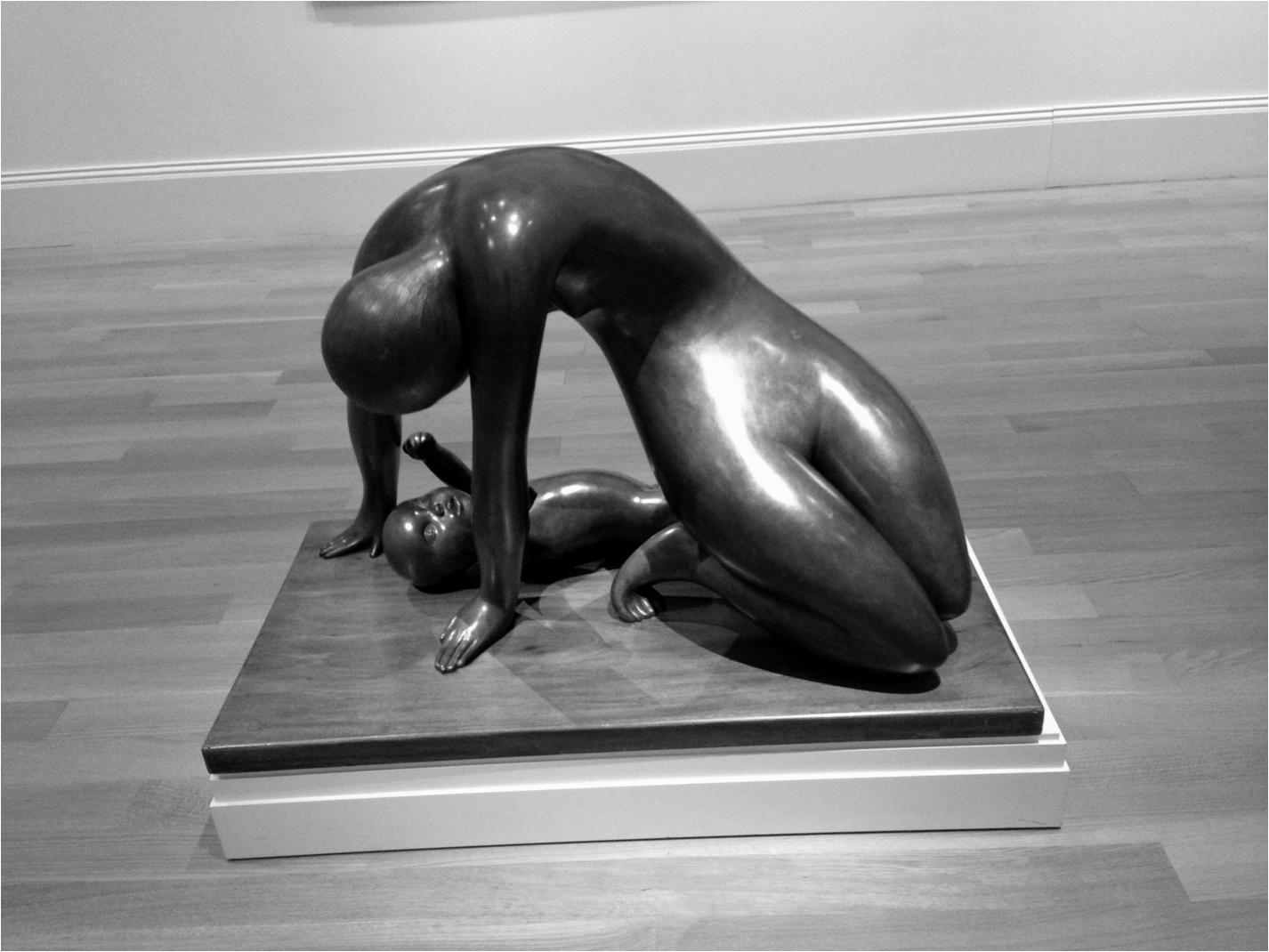
Above: Rodin at the Vatican…

Above: Egypt at the Vatican Museums…

Above: sarcophagus of Imhotep at the Vatican Museums…
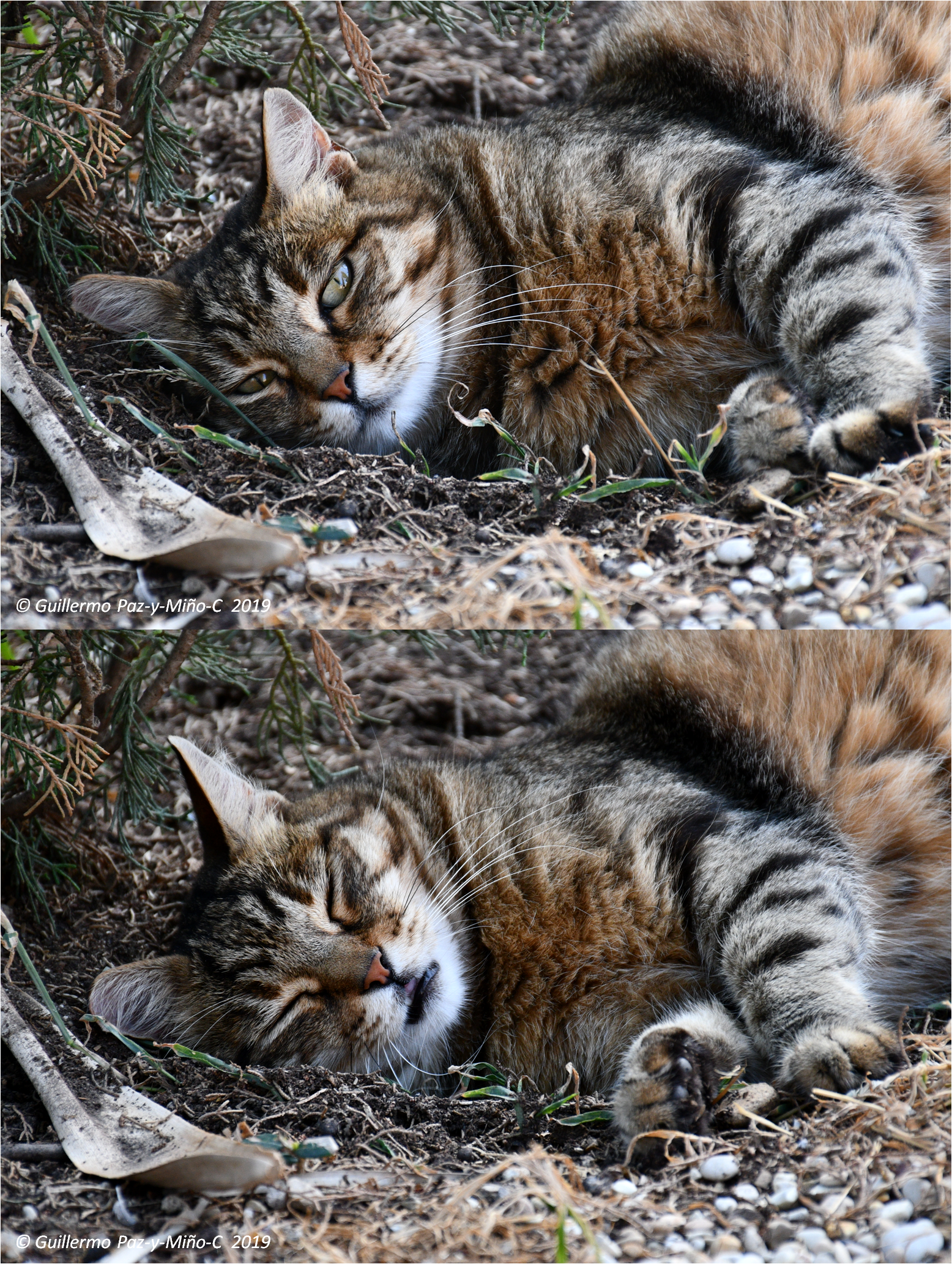
Above: we found this Roman cat roaming around ancient Rome. It soon decided to pause, self-groom and sleep…

Above: woman on scooter and Rome…

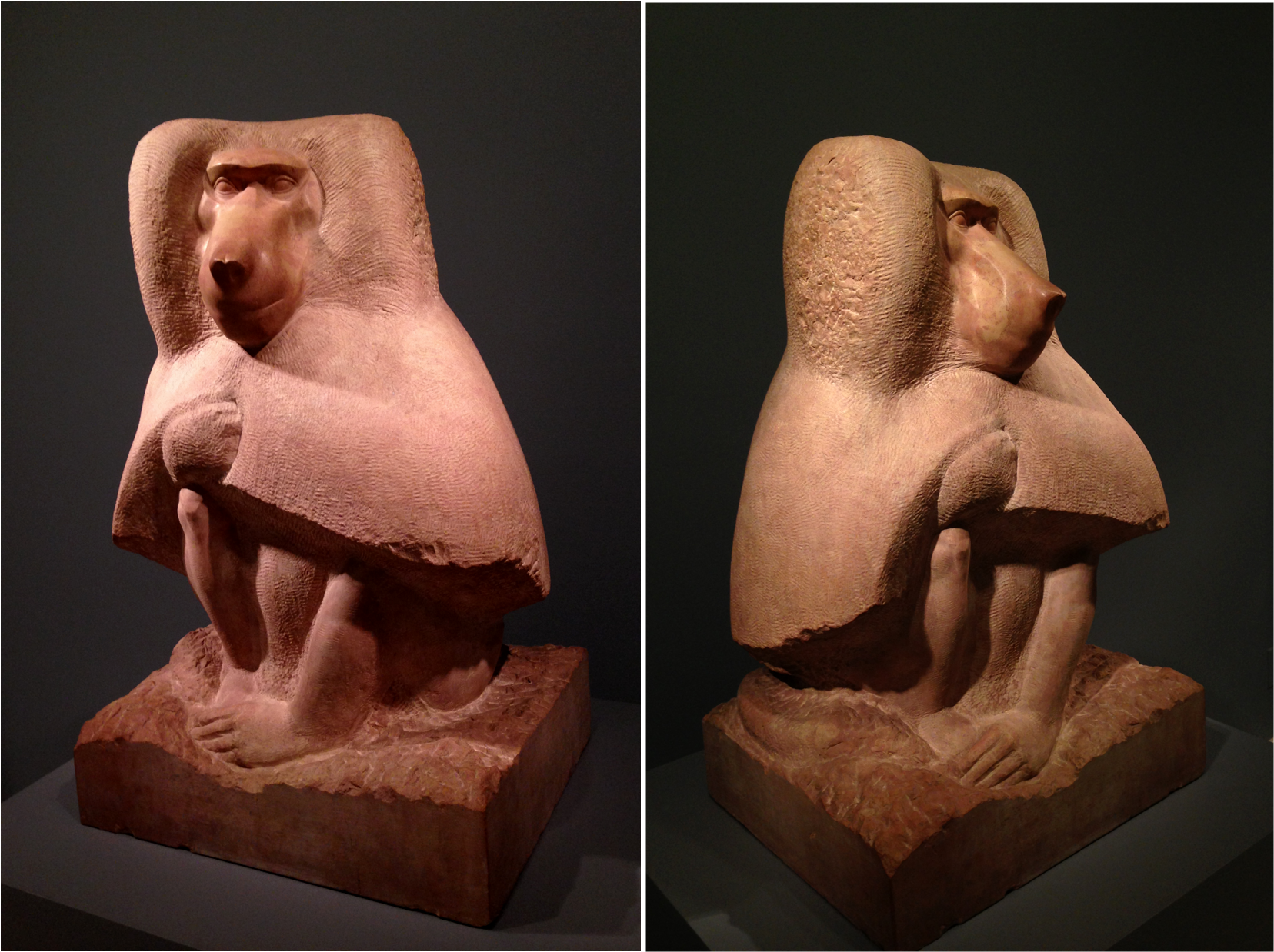
Above: THOTH [Egypt 1300 – 1250 BC], a baboon, Vatican Museums.

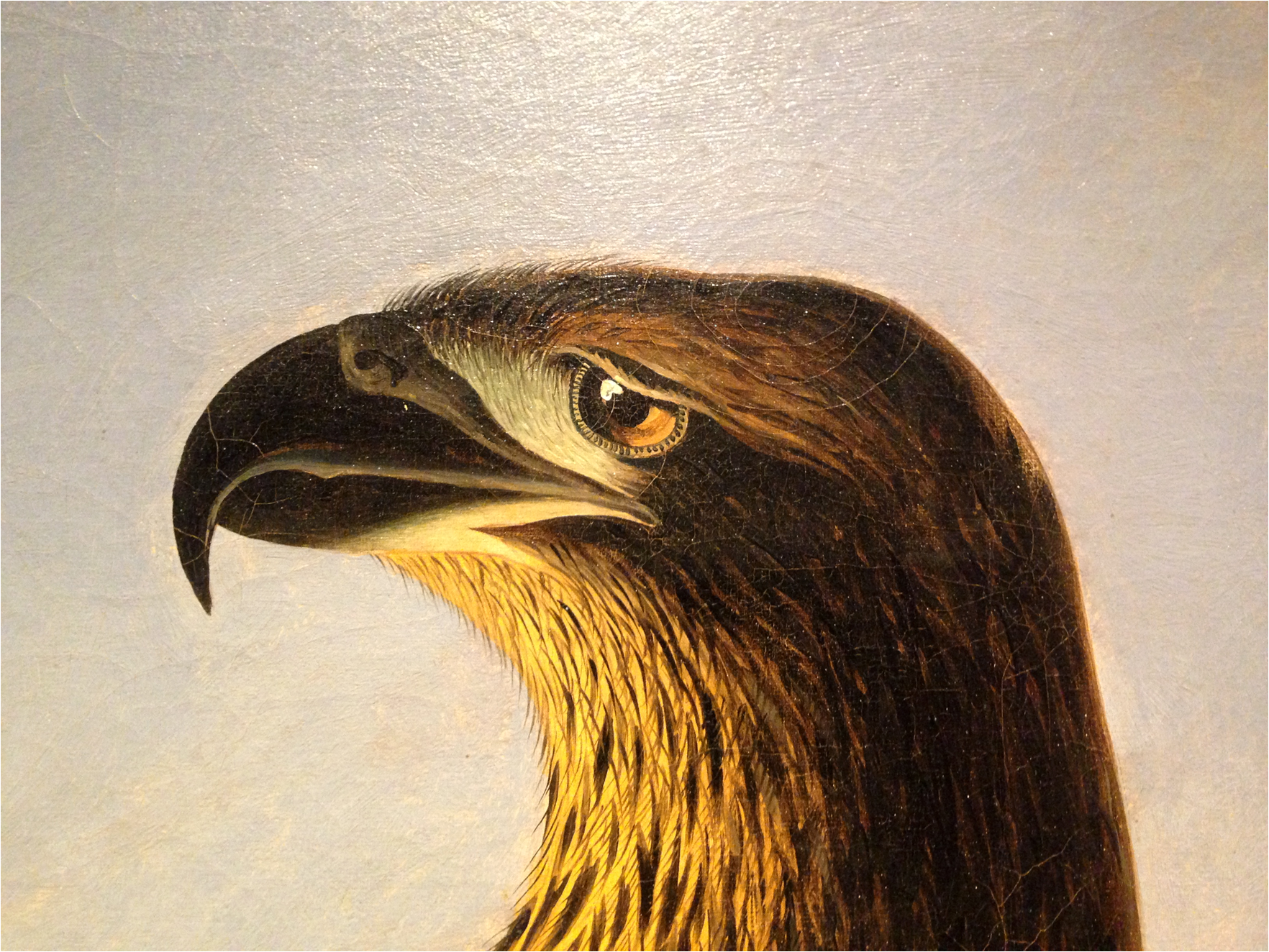
Above: detail of oil on wood by Filippo Balbi 1855 at the spectacular Terme di Diocieziano.

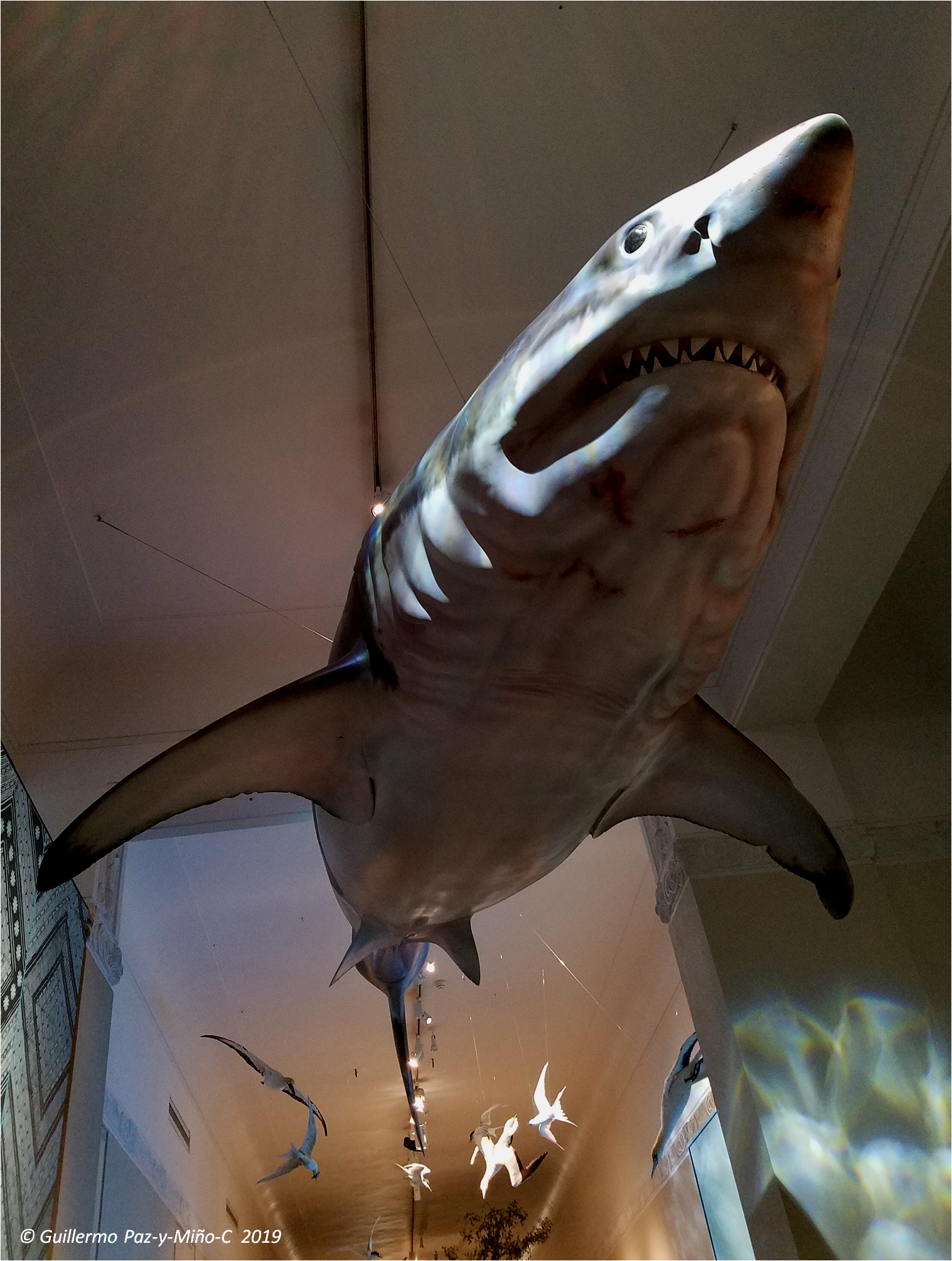
Above: One of the “Colossal Animal Heads of the Michelangelo’s Cloister”.

Above: Socrates at Palazzo Massimo alle Terme.

Above: we visited the Bioparco di Roma (the ZOO) and took some images. The zoo is quite good for education, with great signs and posted info about what is in the enclosures; a particular emphasis on animal behavior is evident in the posting (i.e. tips about what the animals do and what it means).

Above: under a fig tree…
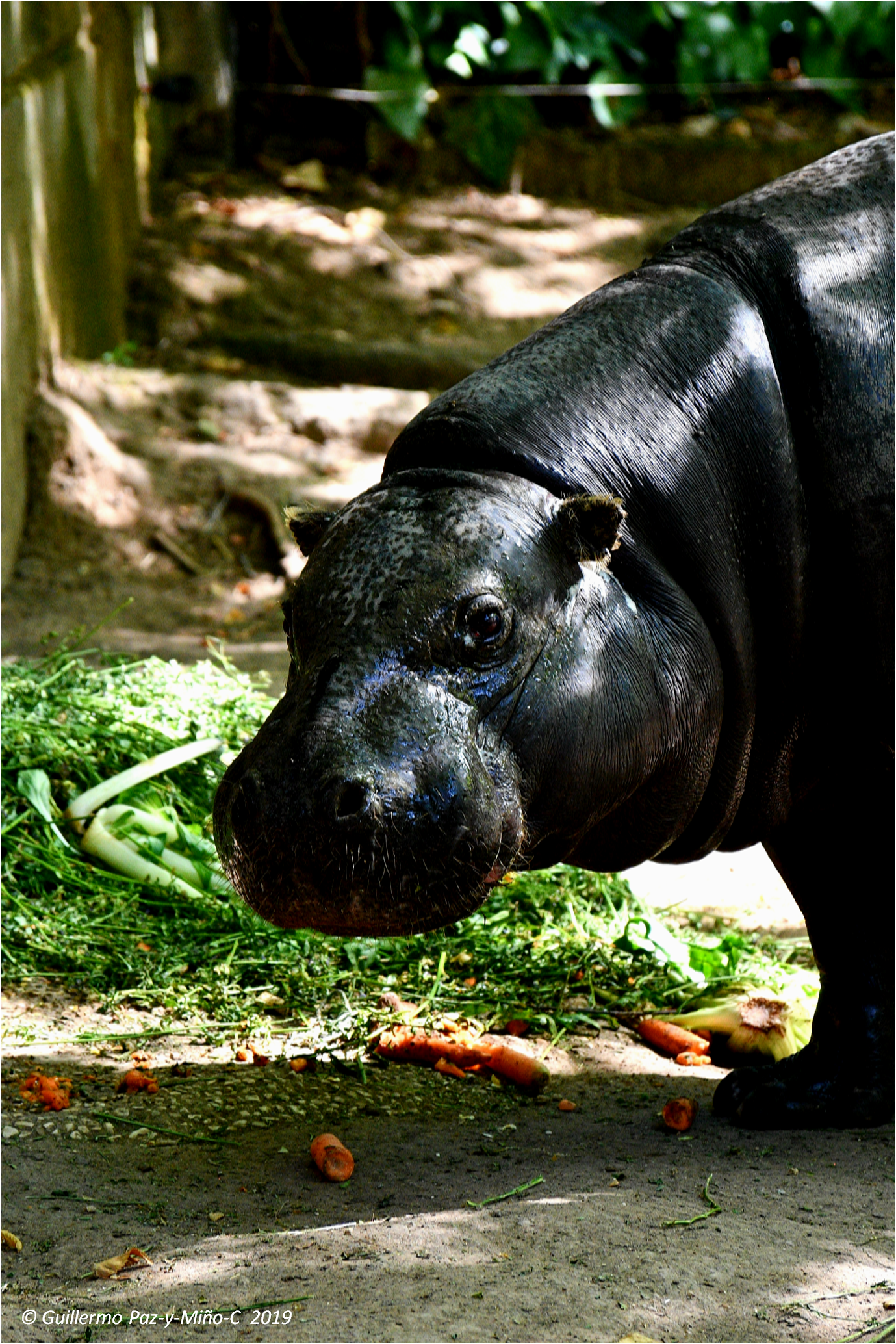
Above: pygmy hippo.

Above: close up with a primate-cousin.
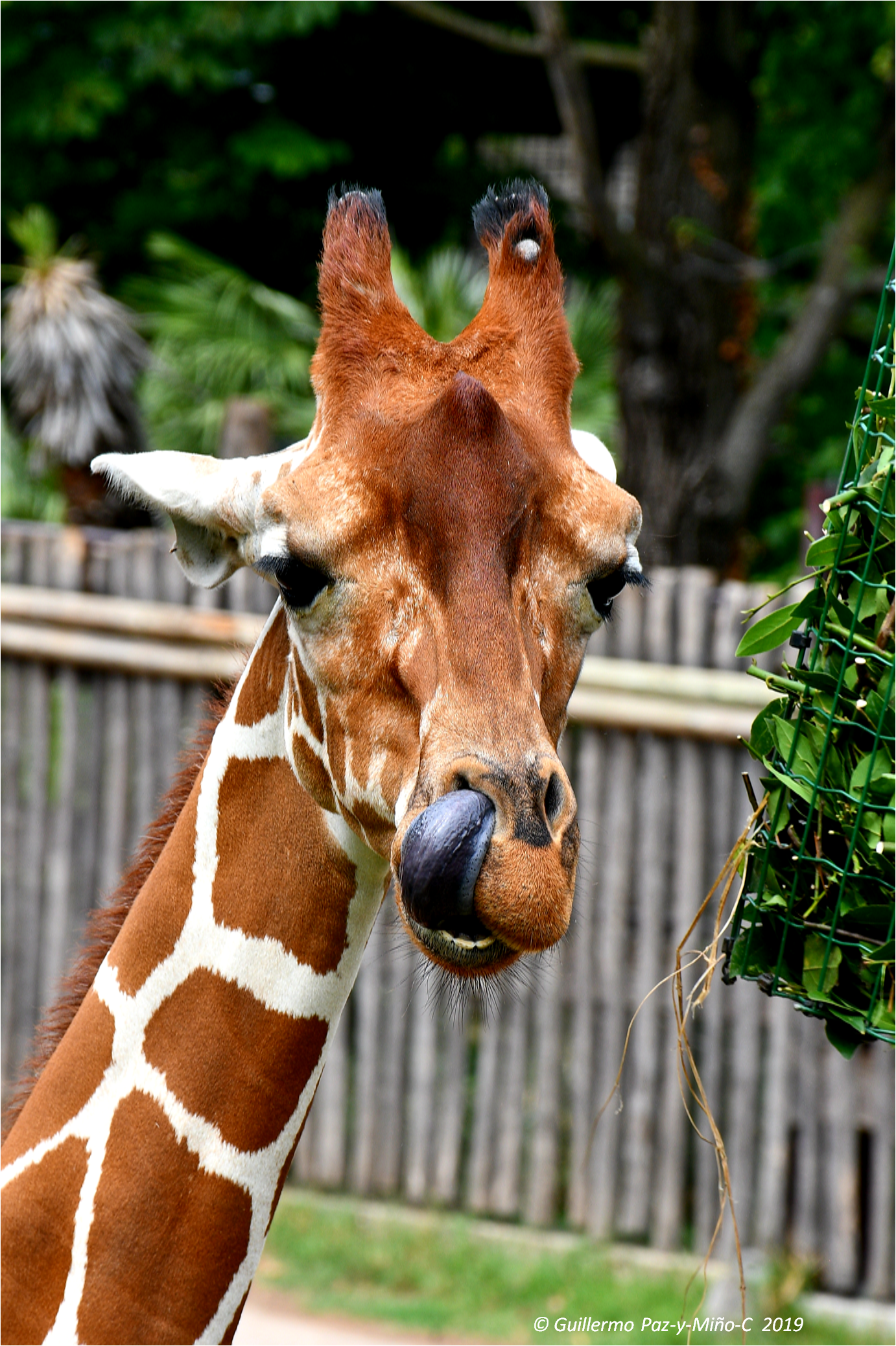
Above: reticulated giraffe…

Above: the story of Rome as told at the Bioparco di Roma (the Zoo) next to the wolves enclosure…
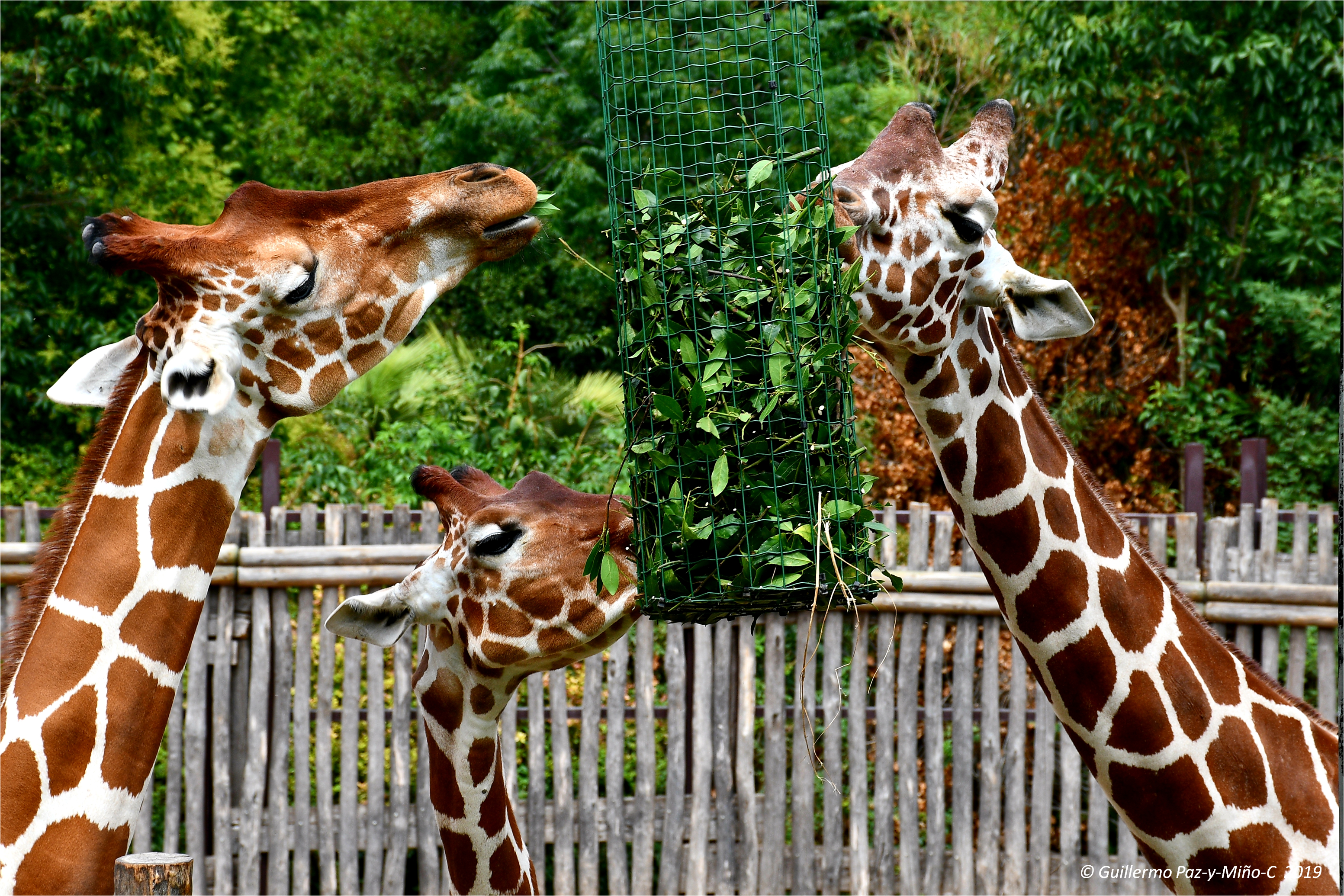
Above: a few more shots of reticulated giraffes at the Bioparco di Roma… Trilogy.

Above: a few more shots of reticulated giraffes (mom and offspring) at the Bioparco di Roma.
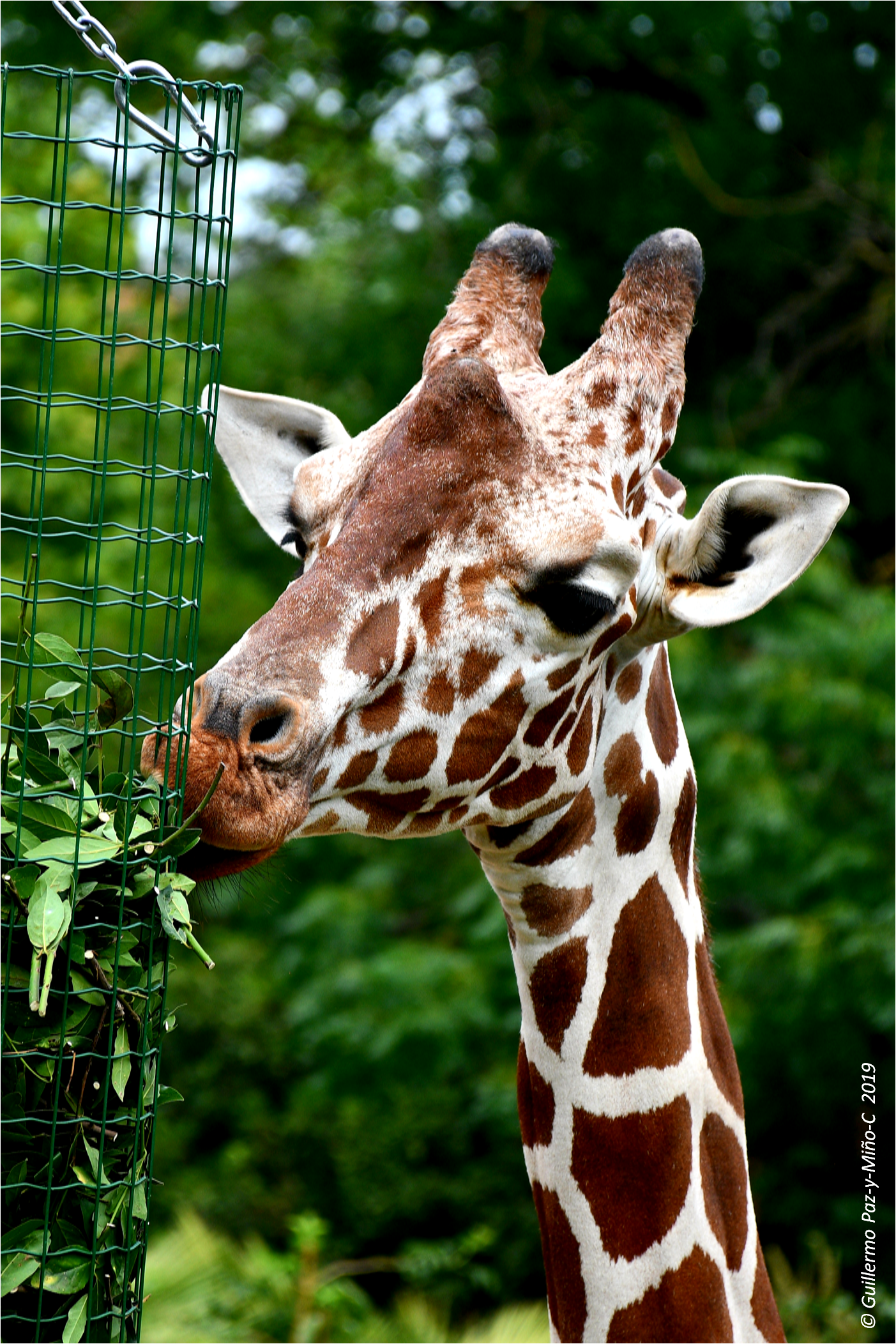
Above: and one more shots of reticulated giraffes at the Bioparco di Roma.
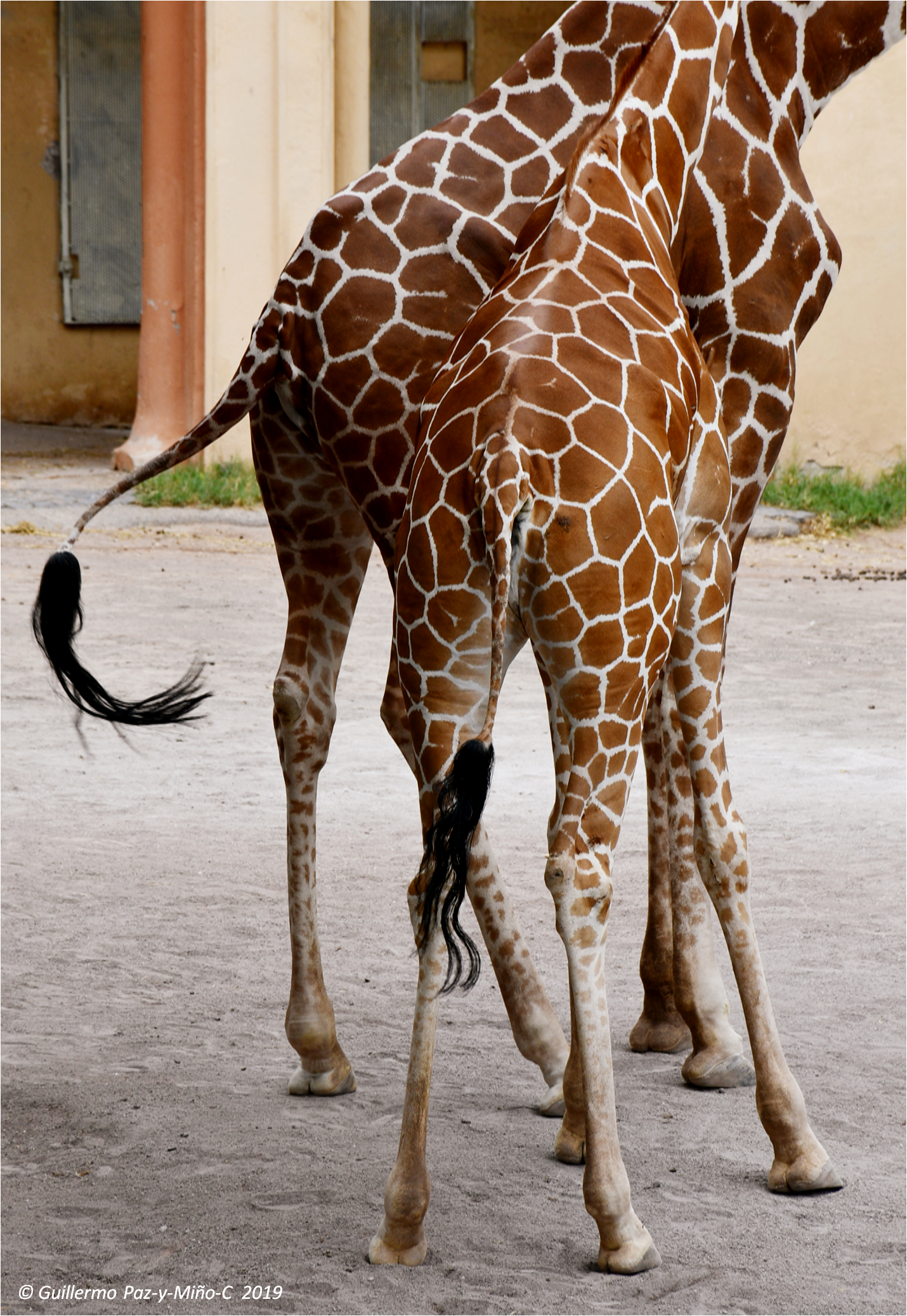
Above: a few more shots of reticulated giraffes at the Bioparco di Roma.

Above: Lowland Amazon tapirs nose-pointing at something [feeding time], Bioparco di Roma
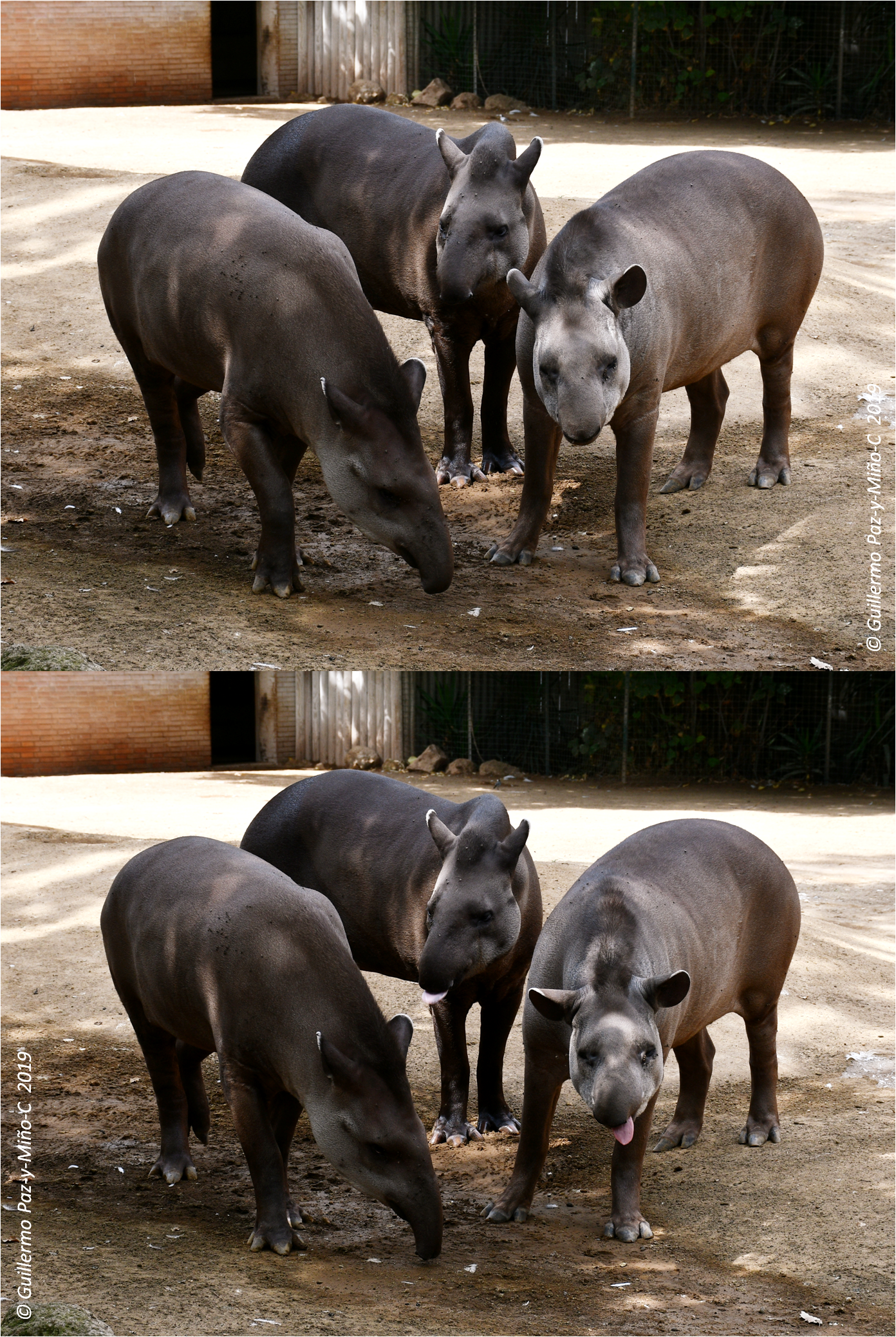
Above: TAPIR TRIO – top: tongues in – bottom: tongues out… Bioparco di Roma…

Above: chimps feeding…
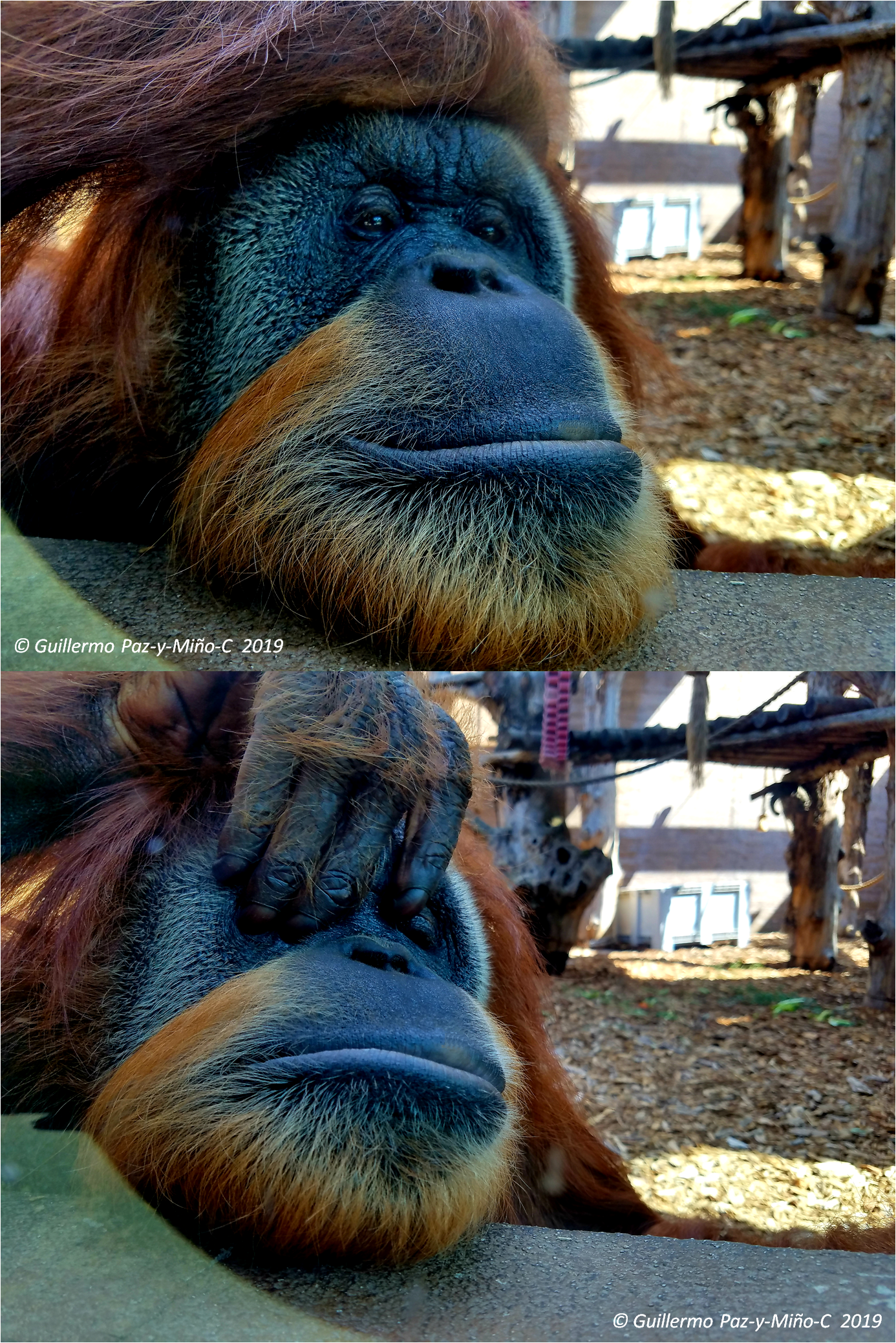
Above: this is what captivity can do to apes.
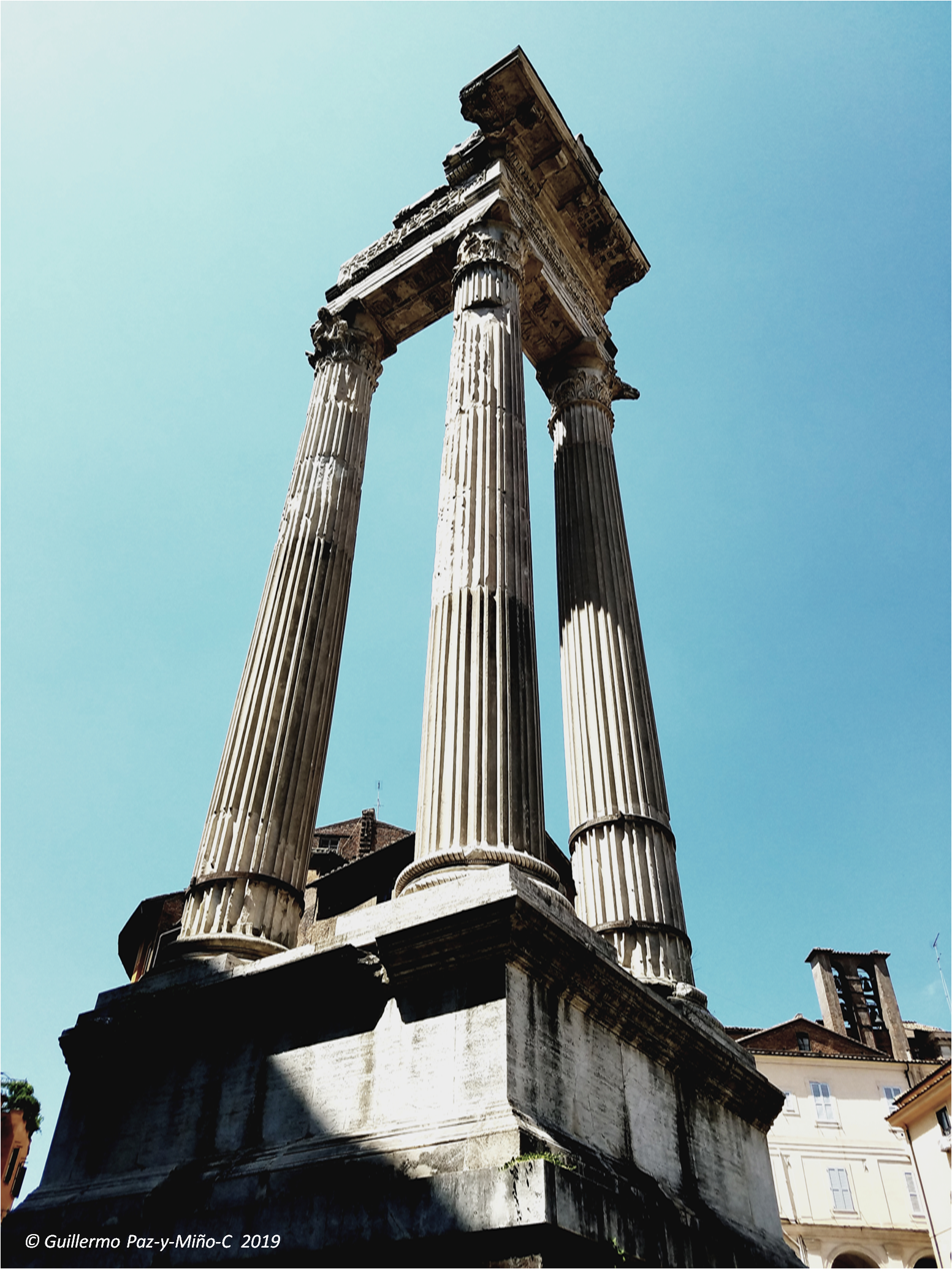
Above: an empire collapsed, then gravity took everything else down.
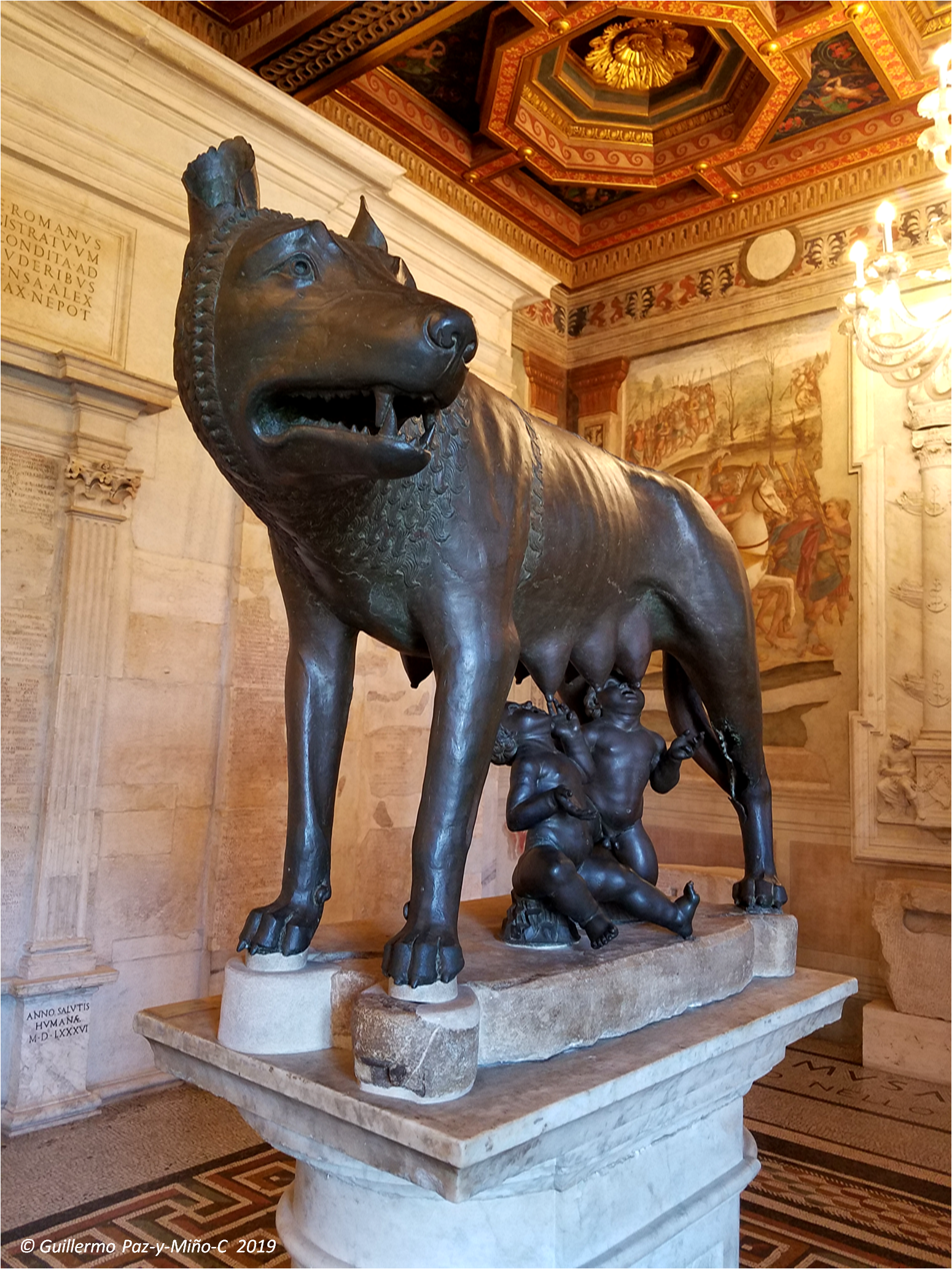
Above: the famous Loba Capitolina at the Capitolini.
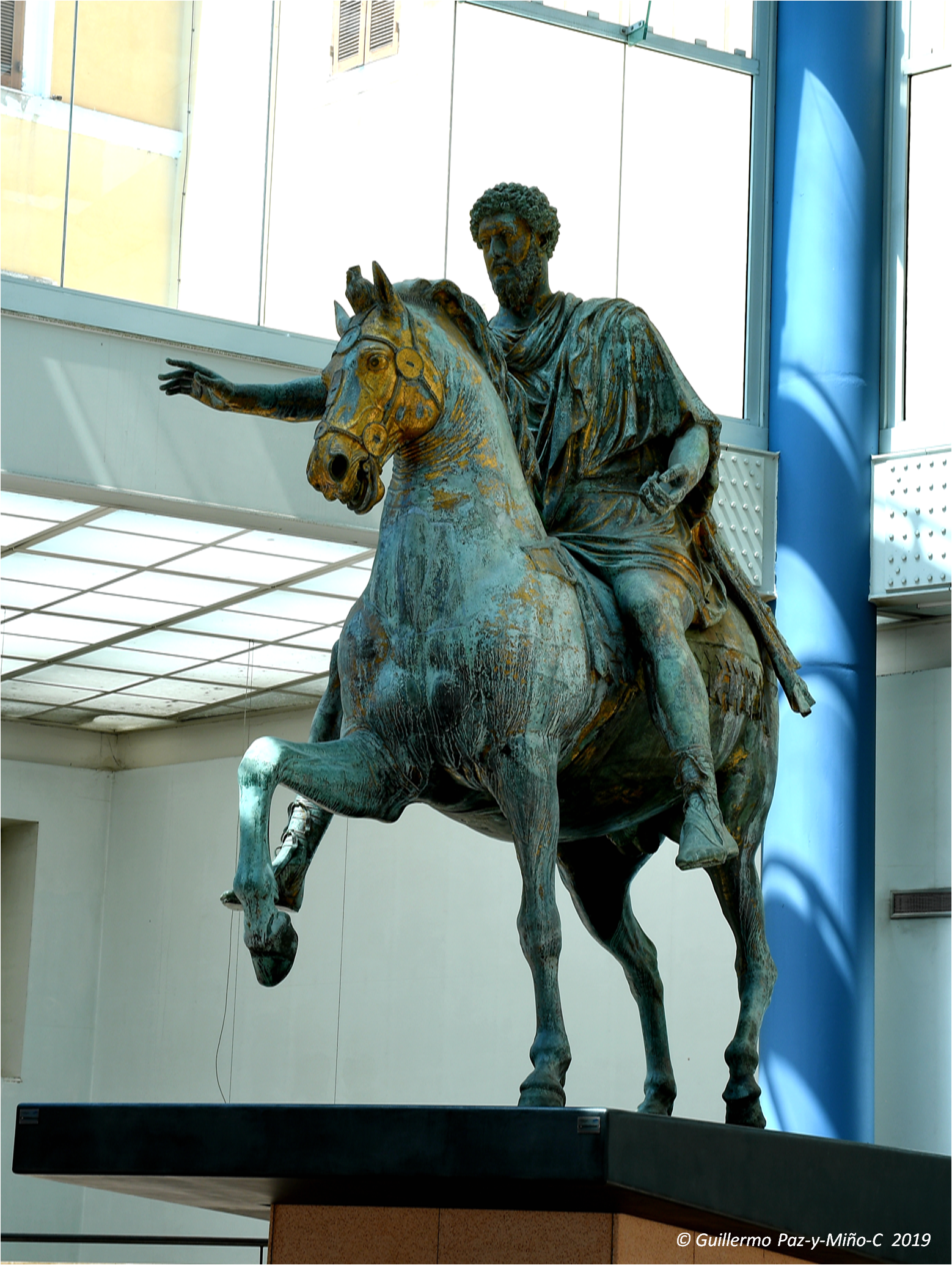
Above: Marcus Aurelius at the Museum Capitolini.

Above: Bernini’s Medusa, Museum Capitolini.
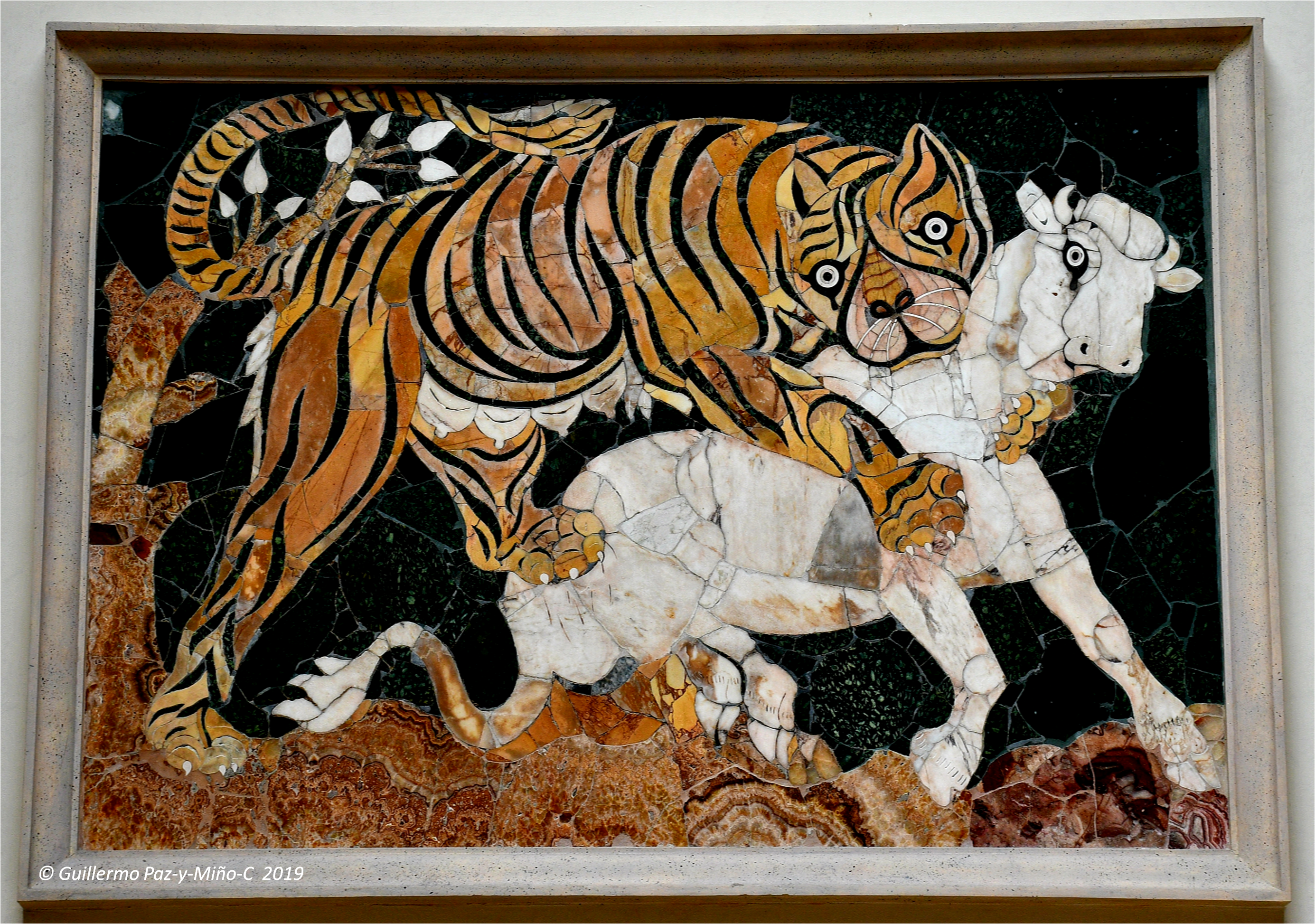
Above: …and a fantastic mosaic made of marble… Museum Capitolini.
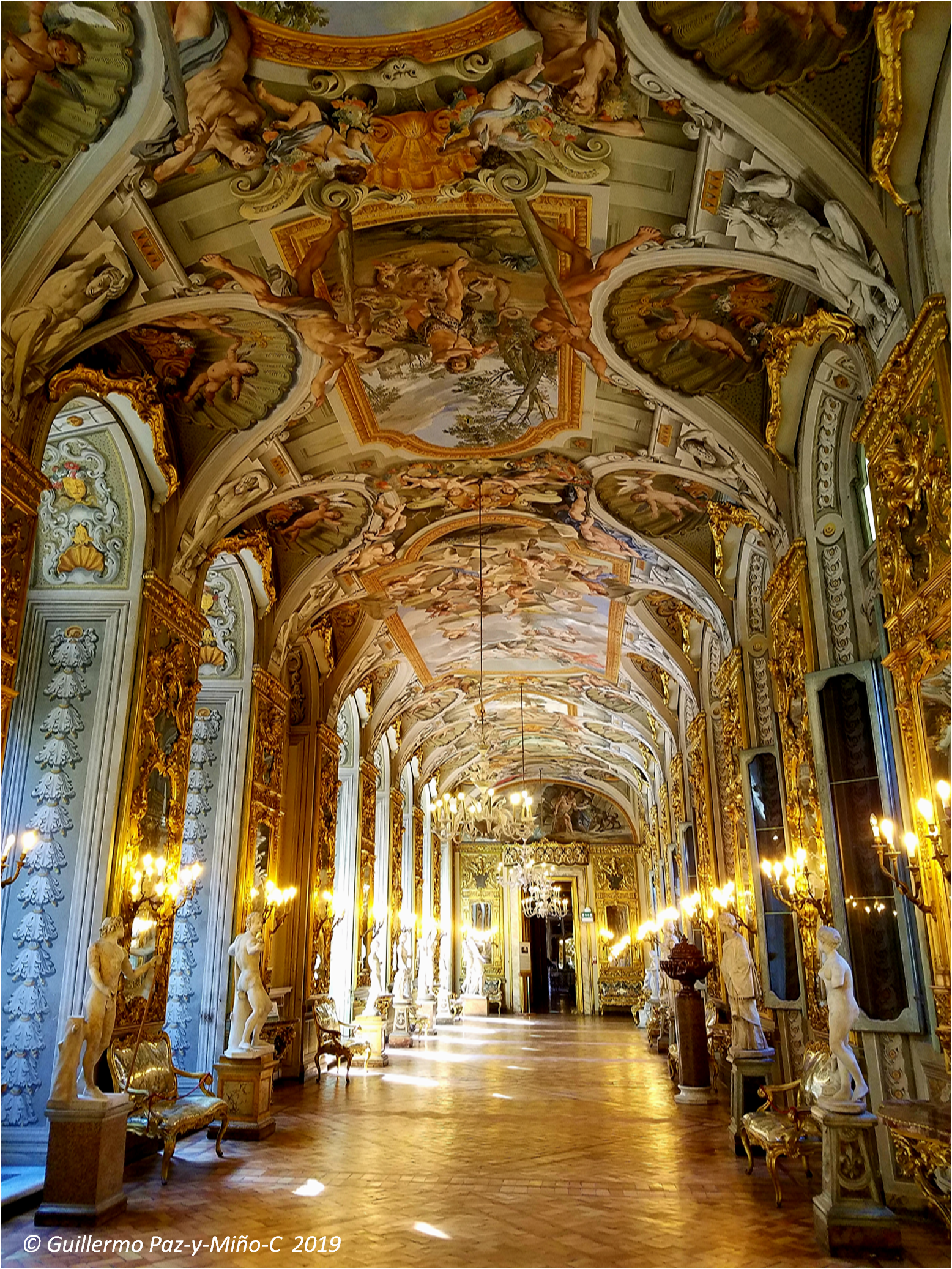
Above: it does rival any other best museum in the world… the Palazzo Doria Pamphilj.

Above: Hercules at the Palazzo Doria Pamphilj.

Above: same spot, same time…

Above: the spectacular Palazzo Doria Pamphilj.

Above: another take of Centaur at the spectacular Palazzo Doria Pamphilj.
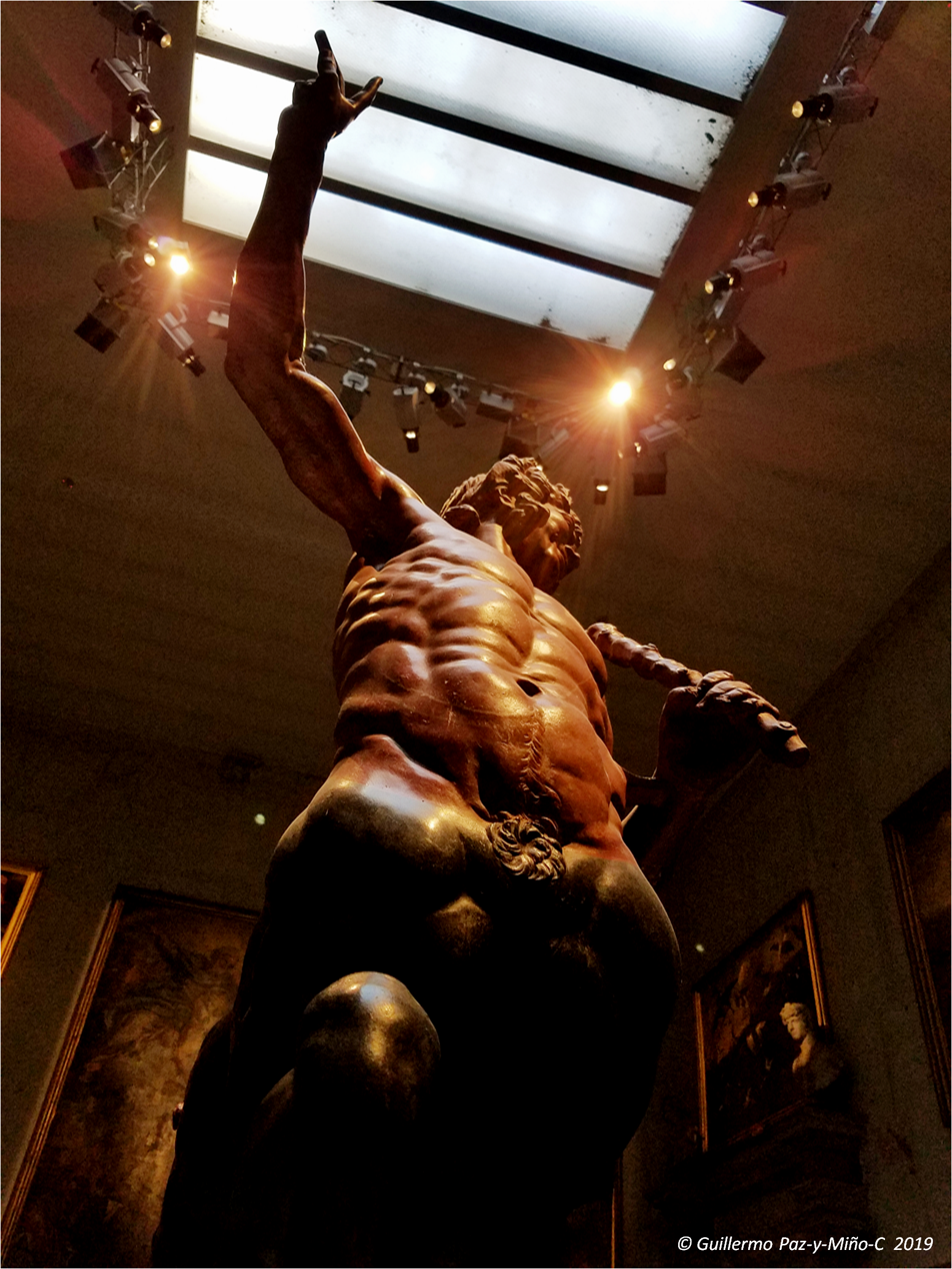
Above: and yet another take of Centaur at the spectacular Palazzo Doria Pamphilj.

Above: Basilica di San Giovanni in Laterano.

Above: main door, Basilica di San Giovanni in Laterano.

Above: inside details of Basilica di San Giovanni in Laterano.

Above: From Egypt to Rome…

Above: Jacob Wrestling With The Angel [Giacobbe e l’Angelo by Stefano Maderno] – Palazzo Doria Pamphilj.
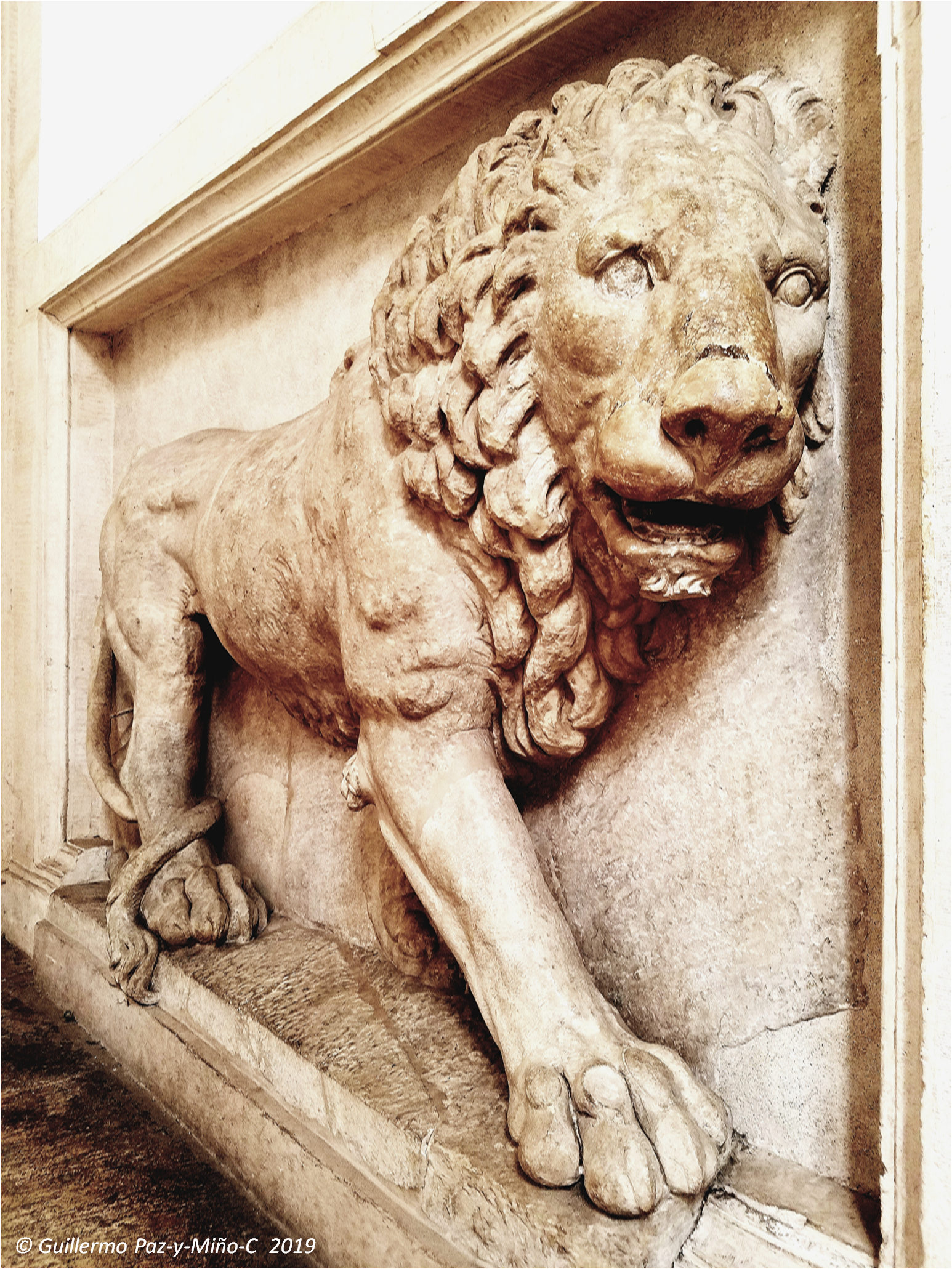
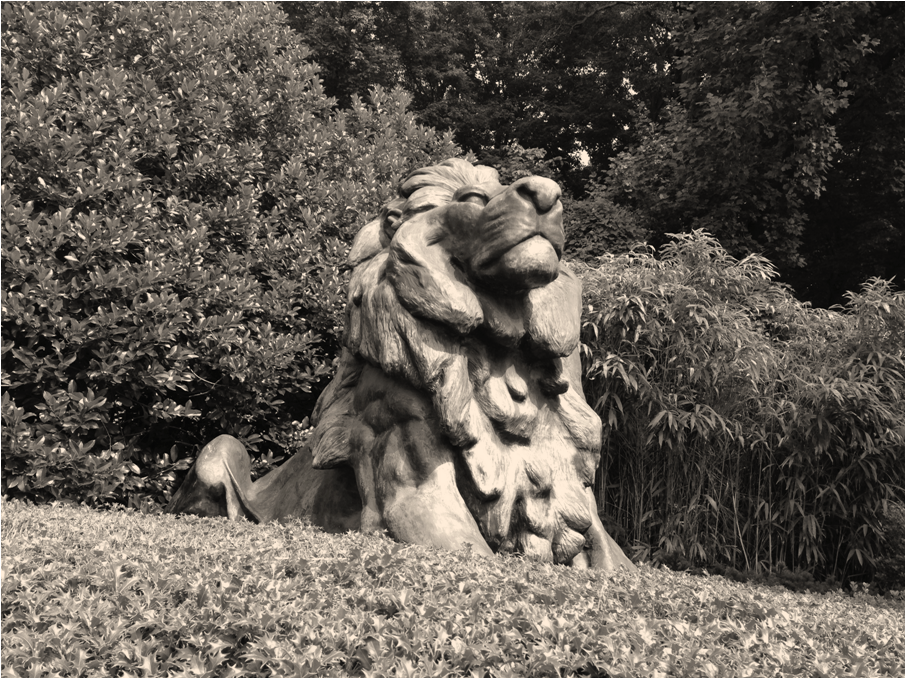
Above: Lion (well, half of a lion) Gallerie Nazionale D’Arte Antica.
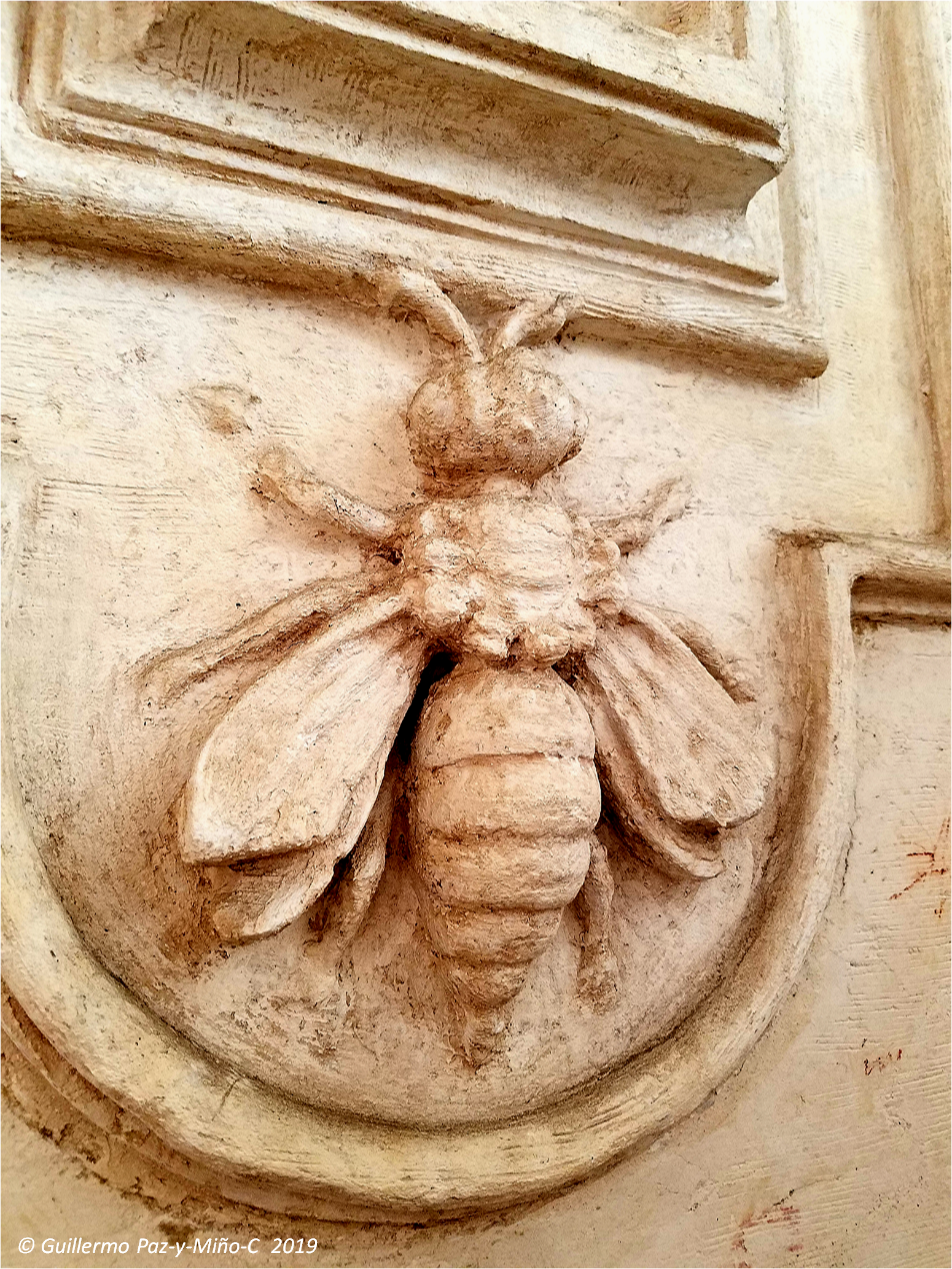
Above: BEE – ROME… Gallerie Nazionale D’Arte Antica.
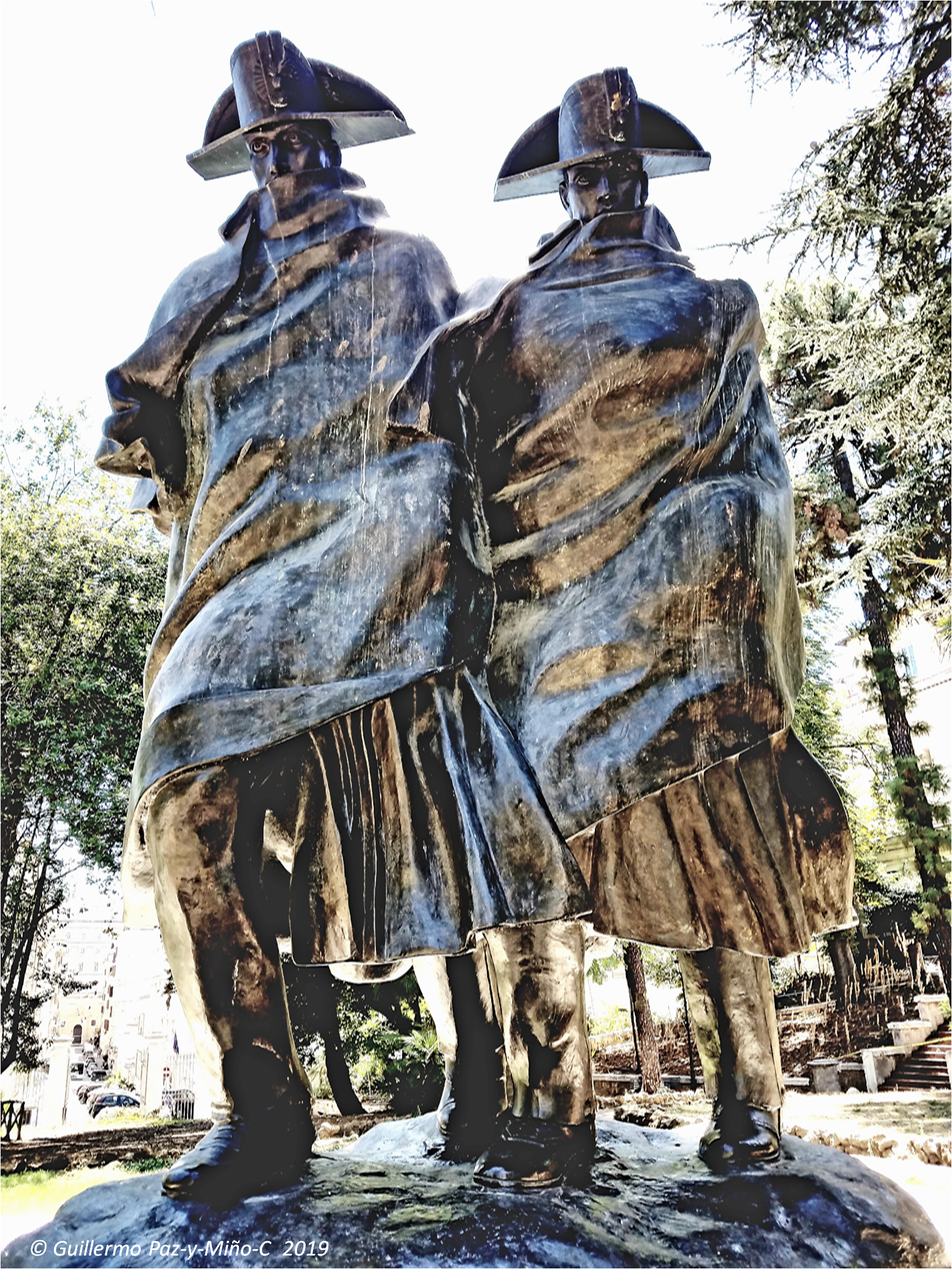
Above: Monumento Celebrativo del “Bicentenario dei Carabinieri”. Imposing, we tried to give it a winter touch (Rome was 100-F-hot on that day).
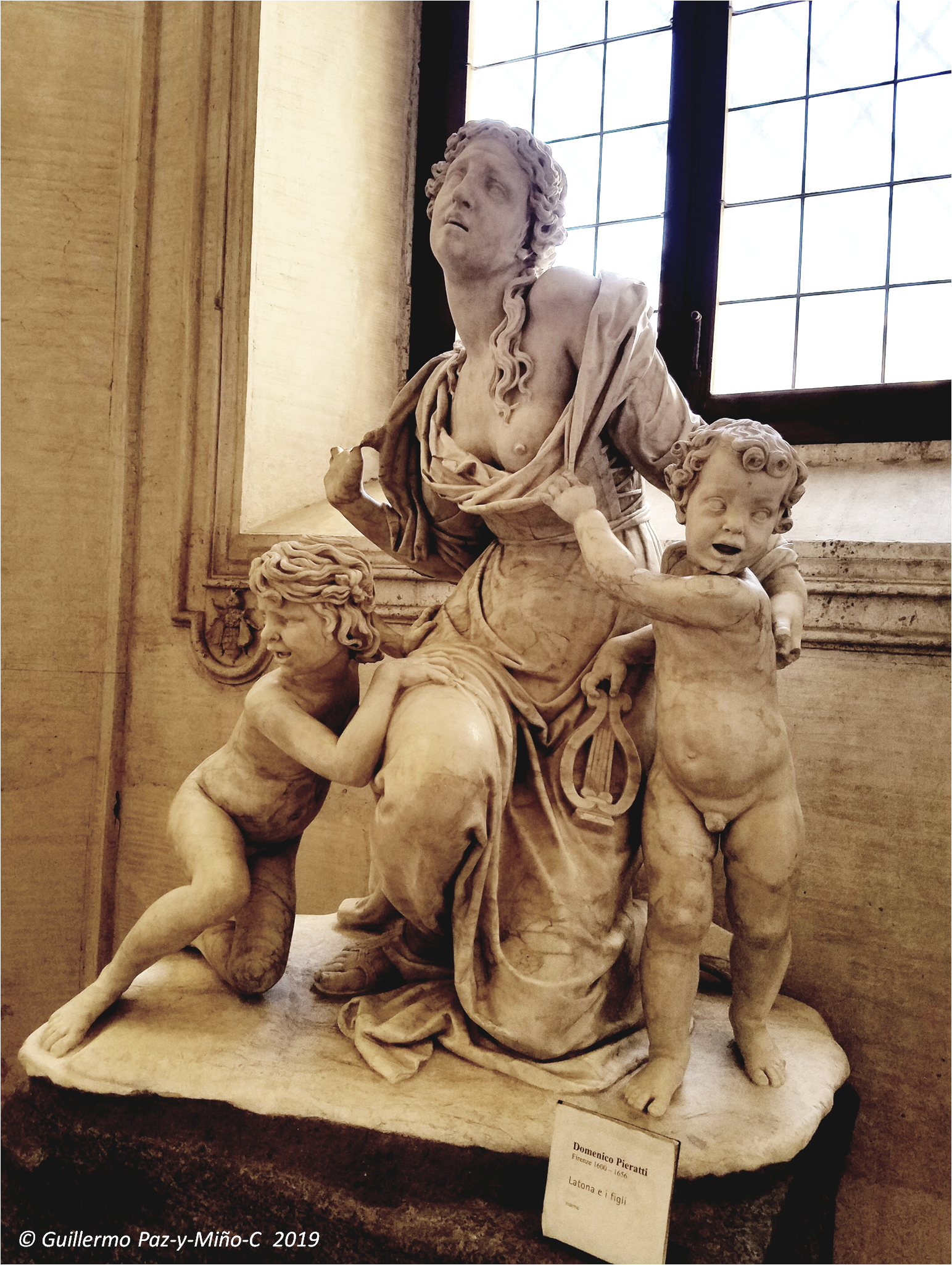
Above: splendor of Latona e i figli by Domenico Pieratti (1600s) Gallerie Nazionale D’Arte Antica.

Above: Piazza della Repubblica.
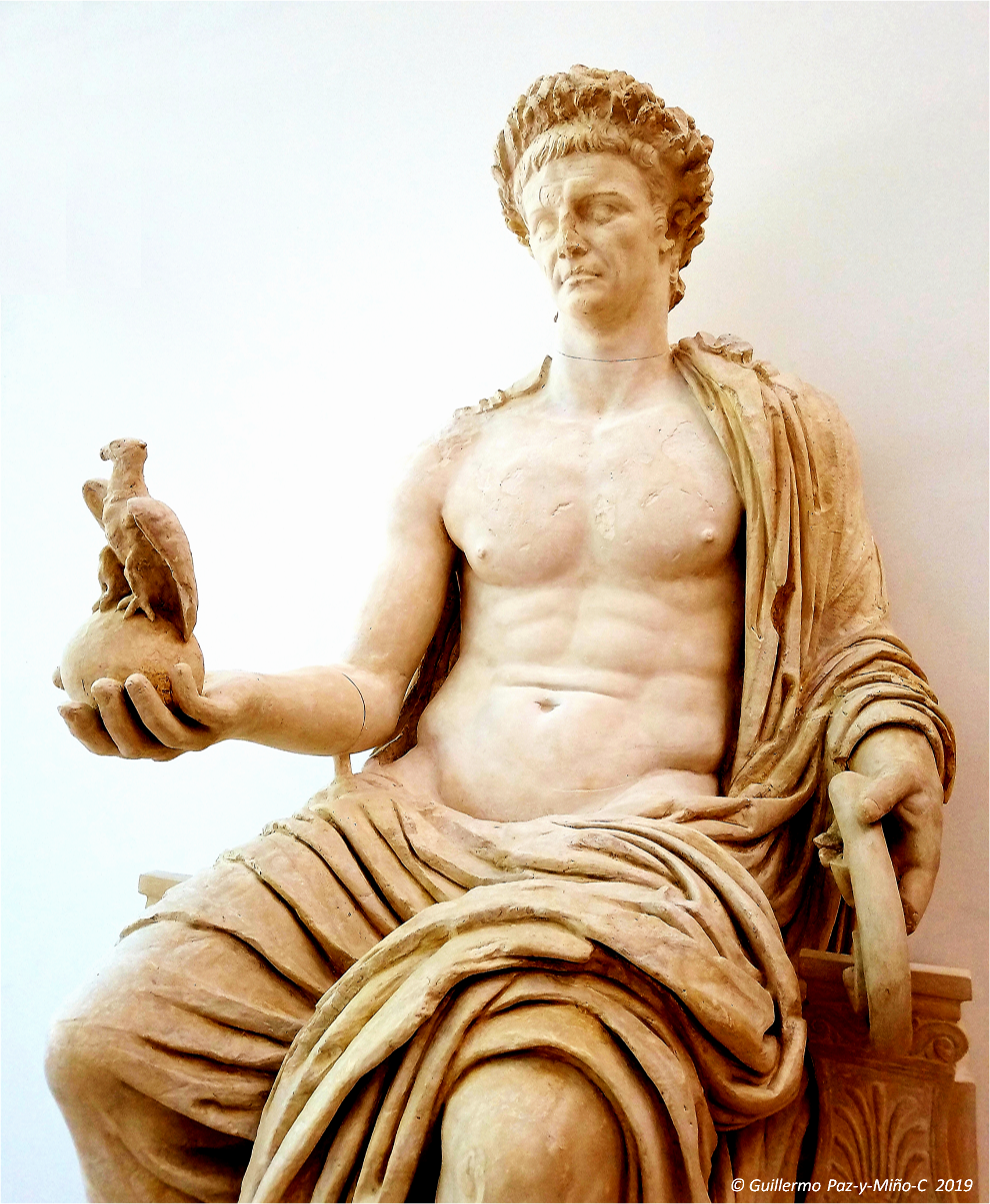
Above: CLAUDIO… Emperor of Rome [Museo dell’Ara Pacis].

Above: Museo dell’Ara Pacis.
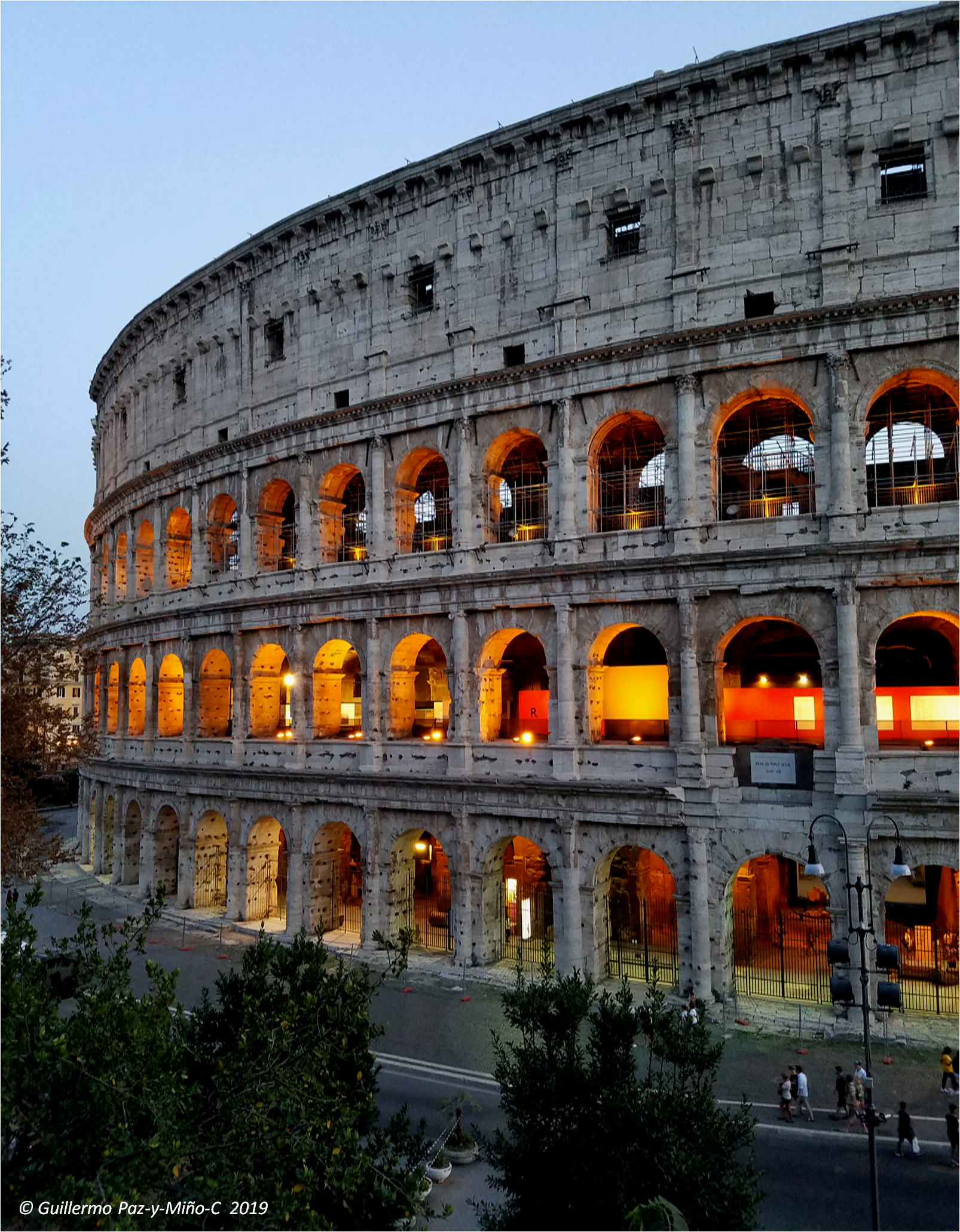
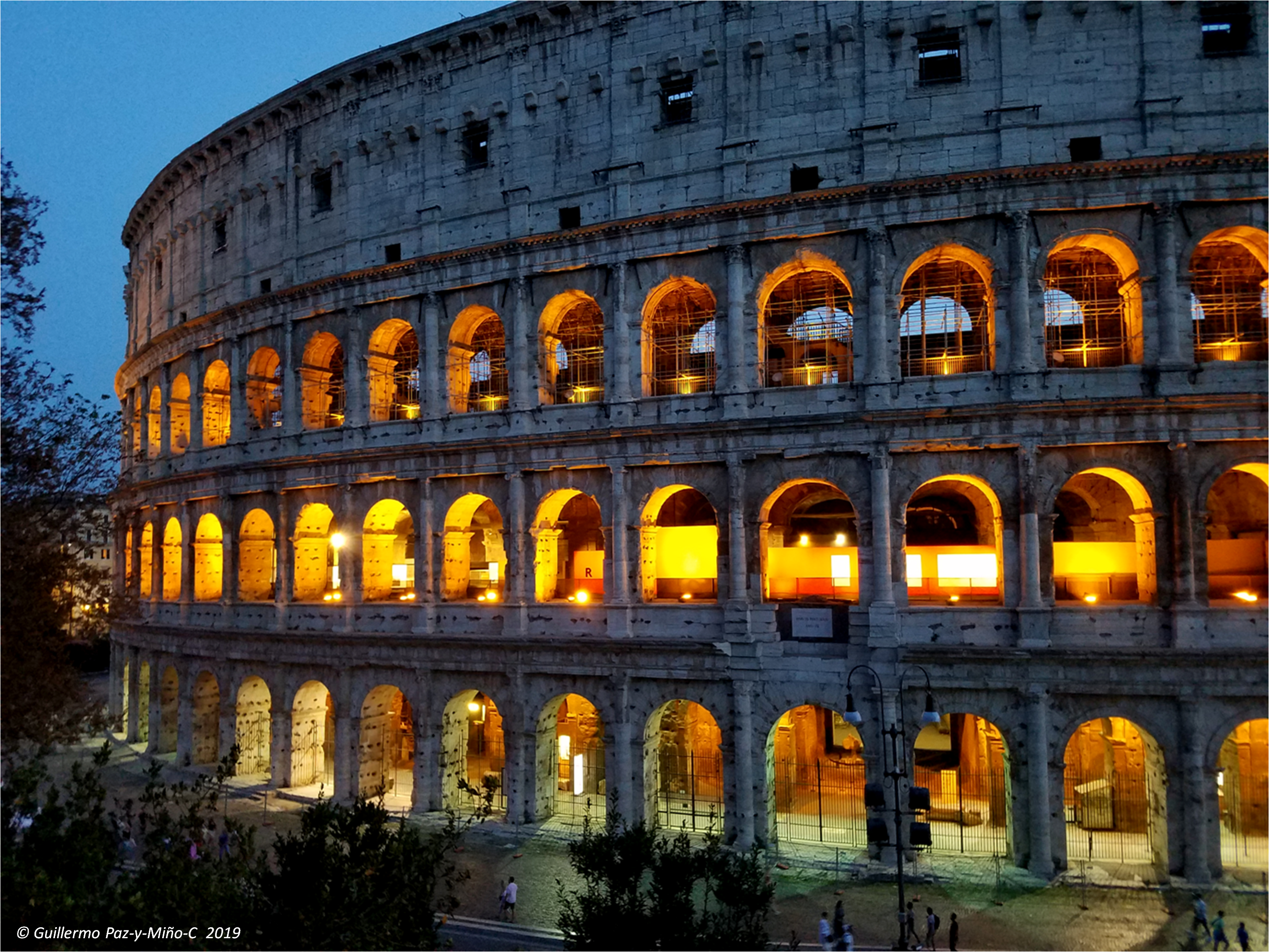
Above: shot of the Colosseum at dusk.
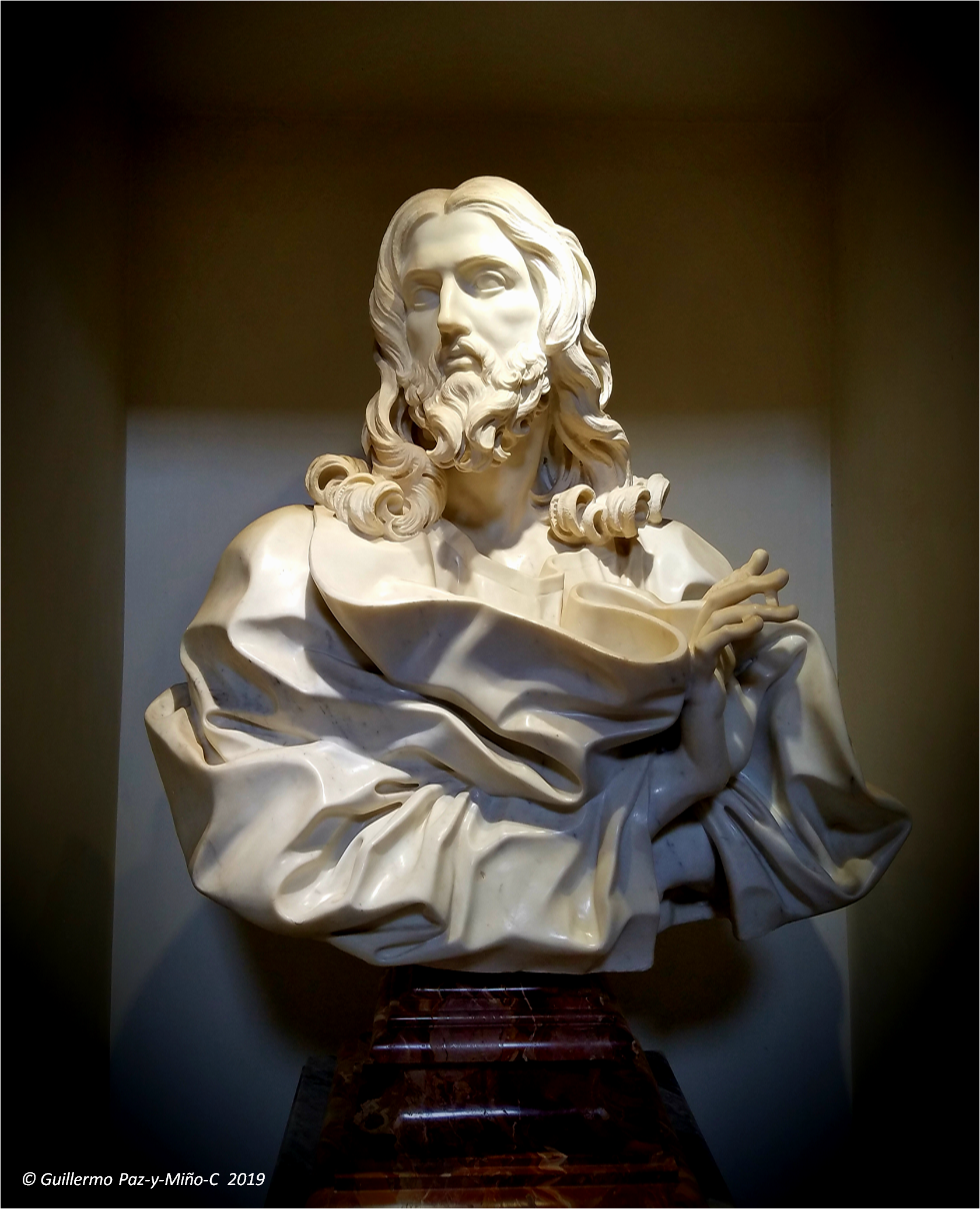
Above: “TRUMP supporters or Celtics fans”? – That was the question when purchasing the tickets to the Catacombs of San Sebastian (located Southeast of Rome’s downtown); apparently, a joke to anyone requesting info in American-English. We offered a simple answer “we are atheists stopping by.” – This is the original of Bernini’s 1679 The Salvator Mundi (restored 2006), spectacular work on marble, his last sculpture at age 82.

Above: The last shots of Rome – Palazzo della Consulta.

Above: FONTANA di TREVI – despite the thousands of people around, we elbowed ourselves a spot and took some shots of the Fontana, the 5th most popular site in Rome… arrivederci.

Above: BOSTON – back home and to conspiracy inferences that “the plane was not landing due to an arbitrary decision [by the Italian pilot] to take us somewhere else.” – In fact, as the pilot explained and it was obvious to see from the windows, there were very low clouds at ground level allowing visibility to only 1,000 feet (about 300 meters), unsafe for landing. We made it about an hour later, after flying in loops (identical in shape to the Circus Maximus in Rome) to make up time. The human mind is so prone to believing on anything but facts; and yes, it only takes one adamant passenger to trigger the rumor. ‒ EvoLiteracy © 2019

Follow us on Twitter and Facebook @gpazymino and GPC-Facebook 
Exploring beautiful New Zealand

“New Zealand deserves many visits to be fully explored; its beauty and richness of landscape seem endless. The intensity of colors like the deep blue of the sky or the fresh green of the vegetation can only be experienced in the flesh, no other way is possible.”

By Guillermo Paz-y-Miño-C

In our quest to explore islands, Avelina and I visited New Zealand during the first three weeks of January, 2019. We are compiling information about biodiversity, human development, and the future of island environments in response to global phenomena, e.g. population growth or climate change. So far, we have been to New Zealand, Hawai’i, the Galapagos, Jamaica and Sicily. Here are the images of our latest journey to the North Island of New Zealand (in no particular order). Enjoy the ride…

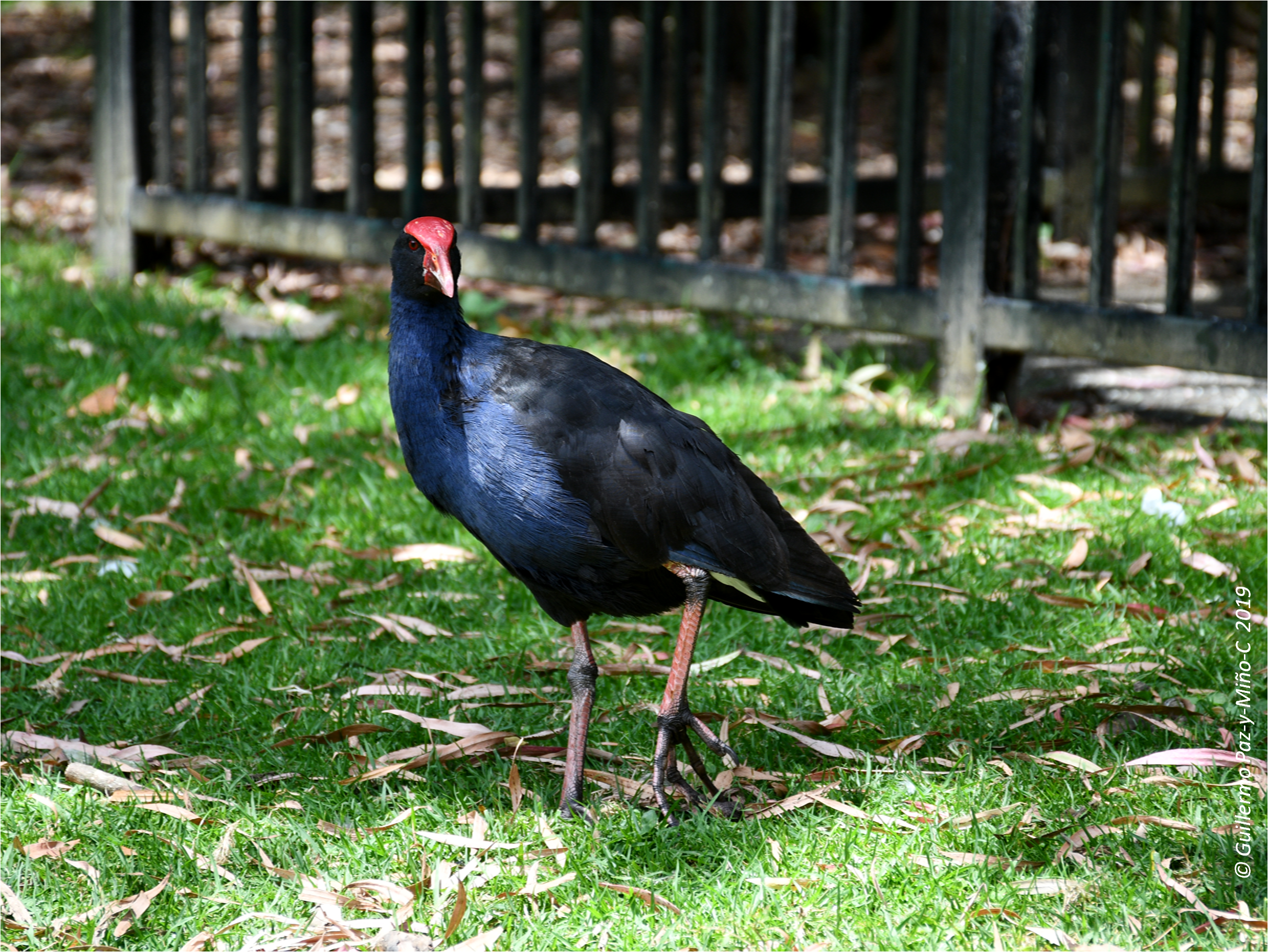
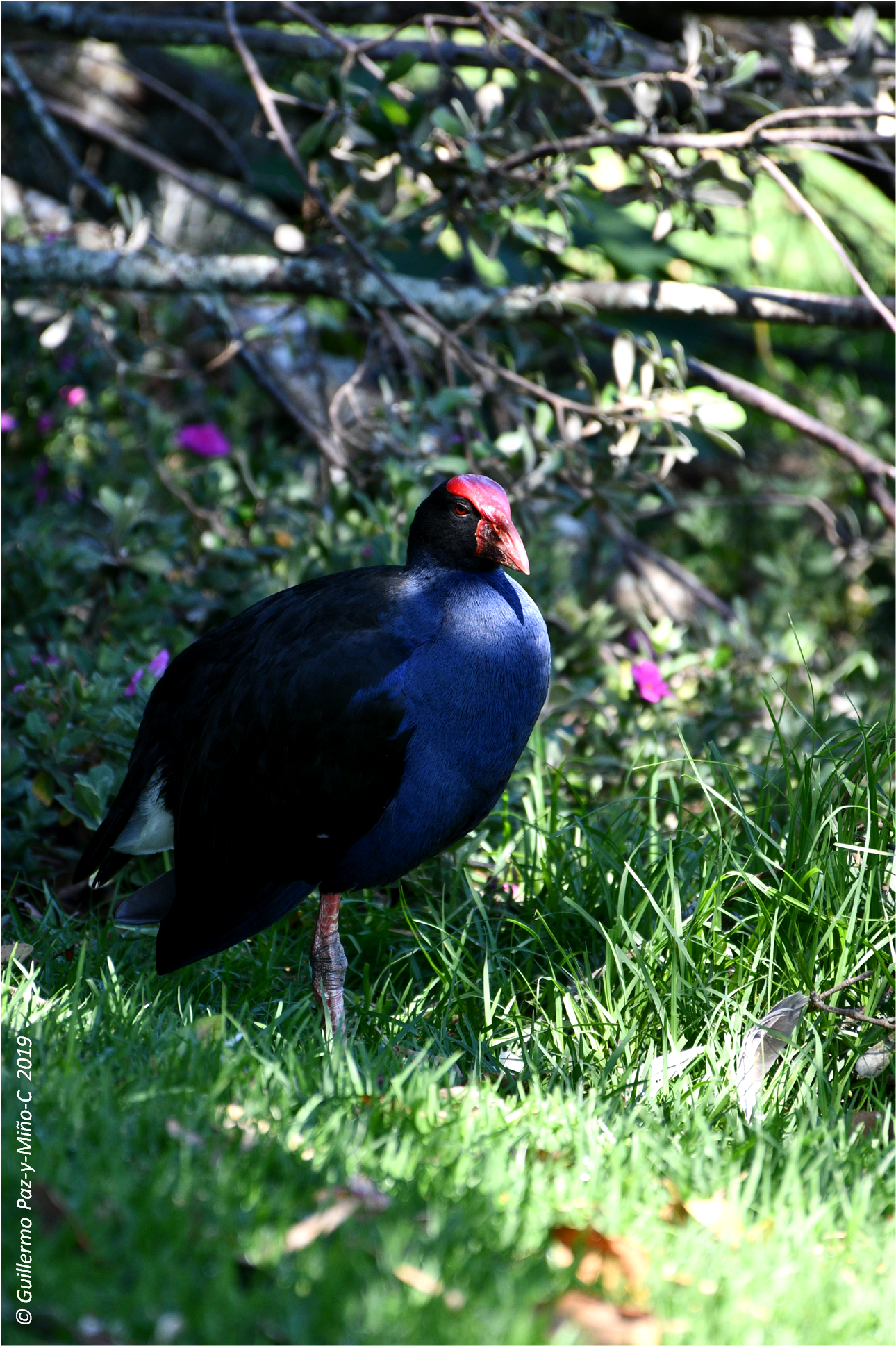
Above: the emblematic Pukeko… Western Springs Lakeside Park, Auckland

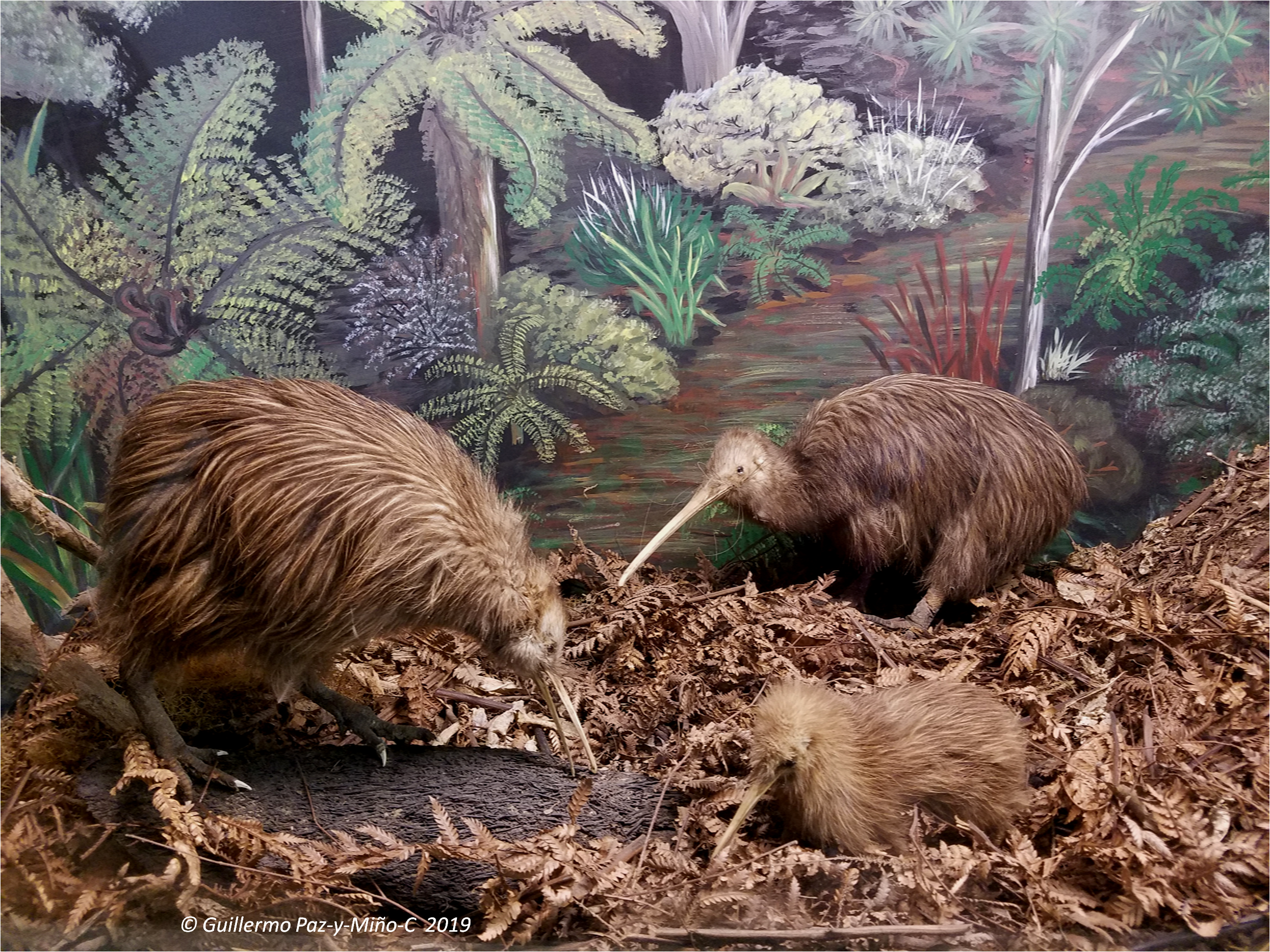
Above: the three kiwi species (diorama) at the Otorohanga Kiwi House (Native Bird Park) – We did get to see kiwis in captivity (night enclosure, no photos allowed – good)

Above: sheep – At the town of Tirau, New Zealand – “The Corrugated -Iron Capital of the World”

Above: we found this Tuatara (endemic to New Zealand) on the ground at the Otorohanga Kiwi House facilities. – We could not get closer than 3-m (9-ft) to take the photos; it was dark and with vegetation around (blocking our view). We managed to find an opening from which to take some shots

Above: imposing vegetation… and the Tasman Sea

Above: Kiwis crossing… be alert – via Waipoua

Above: exploration summary – 4300 km of driving (2670 mi) in the North Island; 309,550 walking steps while visiting Auckland (i.e. according to our wrist-portable step-counter), nearby and distant cities/towns, their museums and monuments, national parks and protected areas (in other words, about 155 km or 96 mi by foot)!

Above: Sometimes, this is all you need…

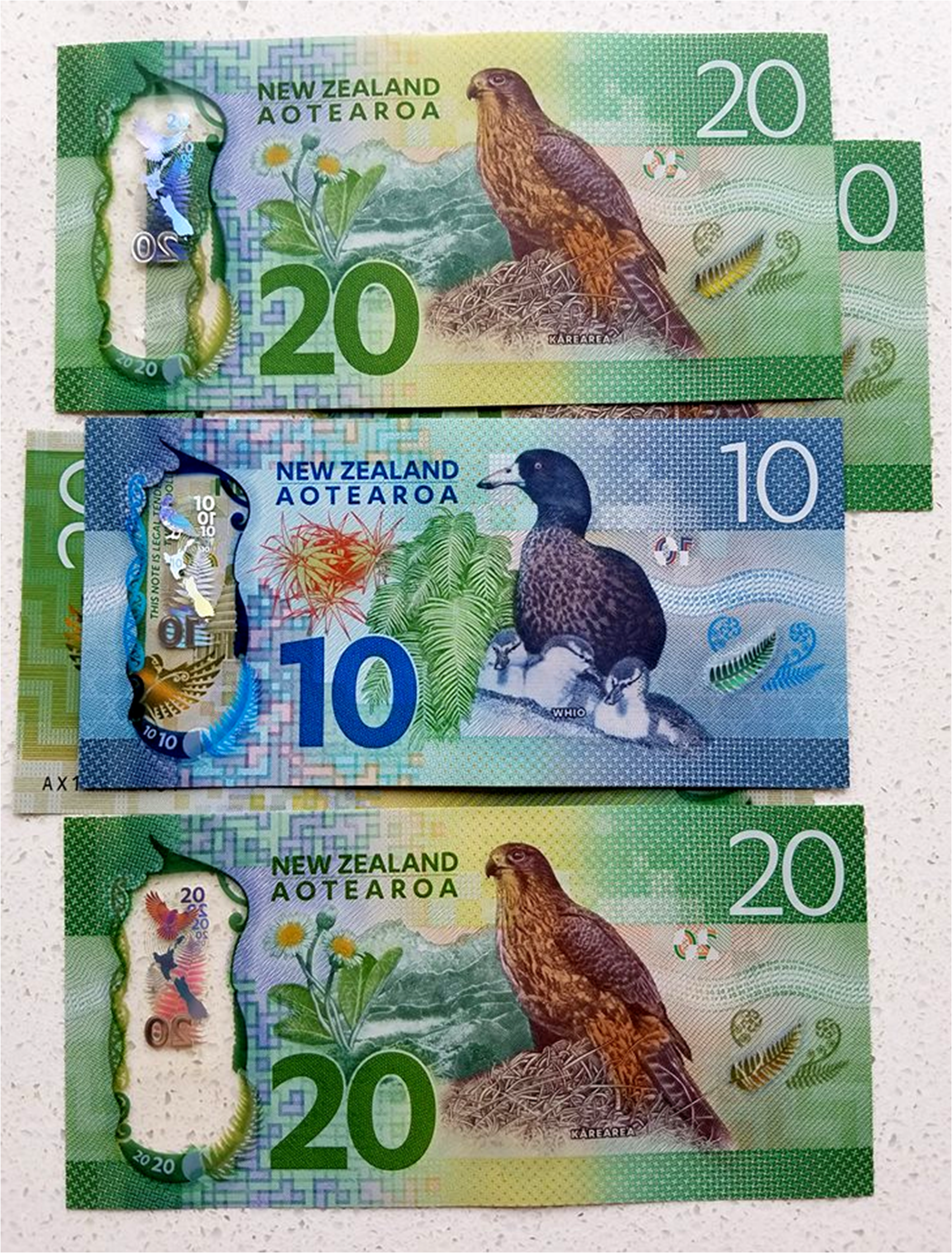
Above: …well, you also need this

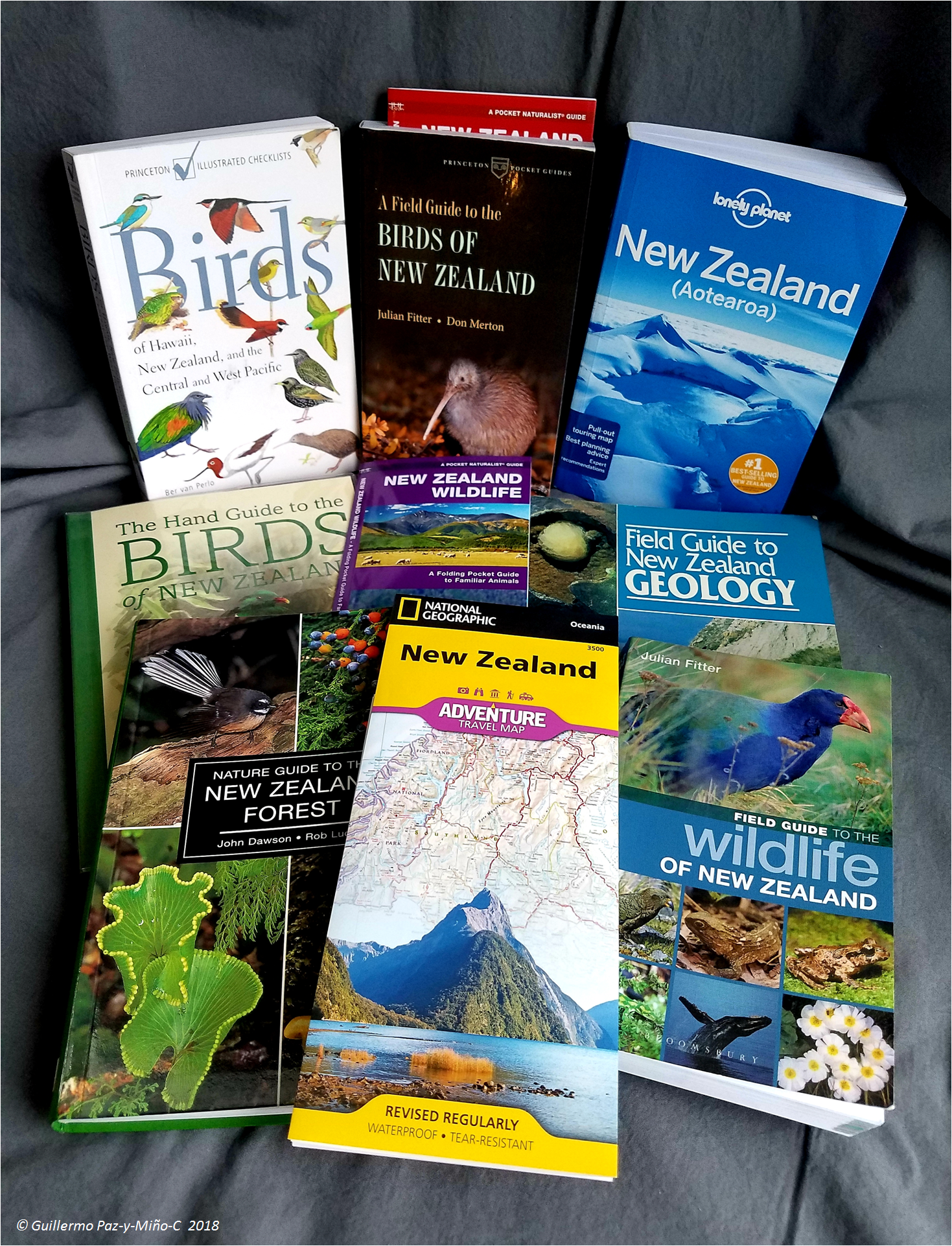
Above: some good field guides

Above: Boston – Los Angeles (the first 6 hours)

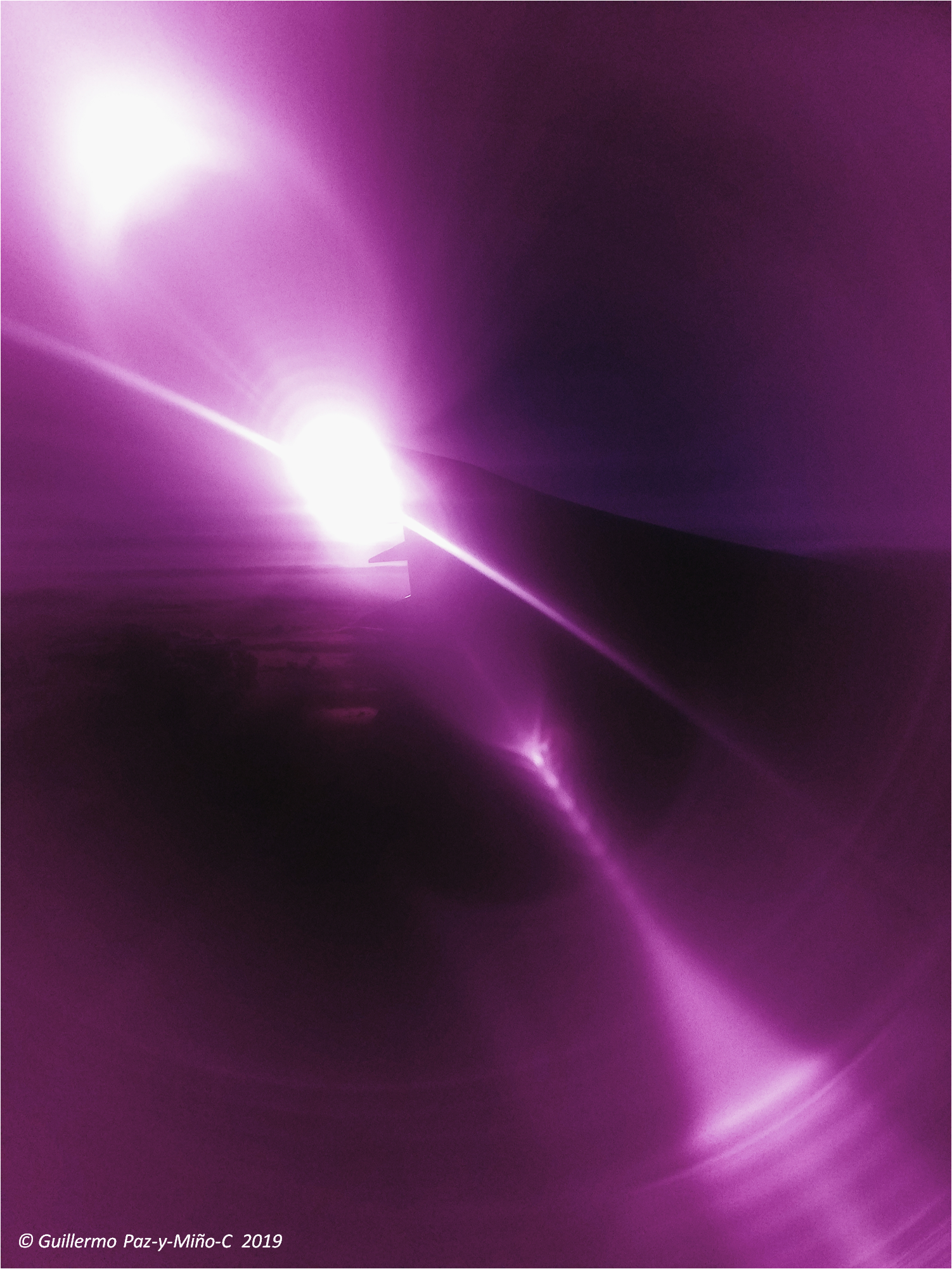
Above: LA to Auckland (13 hours) – middle of the Pacific, through the polarized window of our “modern” plane. We could see the Sun outside (it looked like the moon), but it was “night” inside. Then, quickly, but gently, the “sunrise” effect was controlled from the cockpit to give us the illusion of arriving during the early morning

Above: again, driving on the right / wrong side

Above: antique Honda, well kept

Above: the first colors of New Zealand; the Whenuakite Kiwi Sanctuary – [btw these are the real colors]

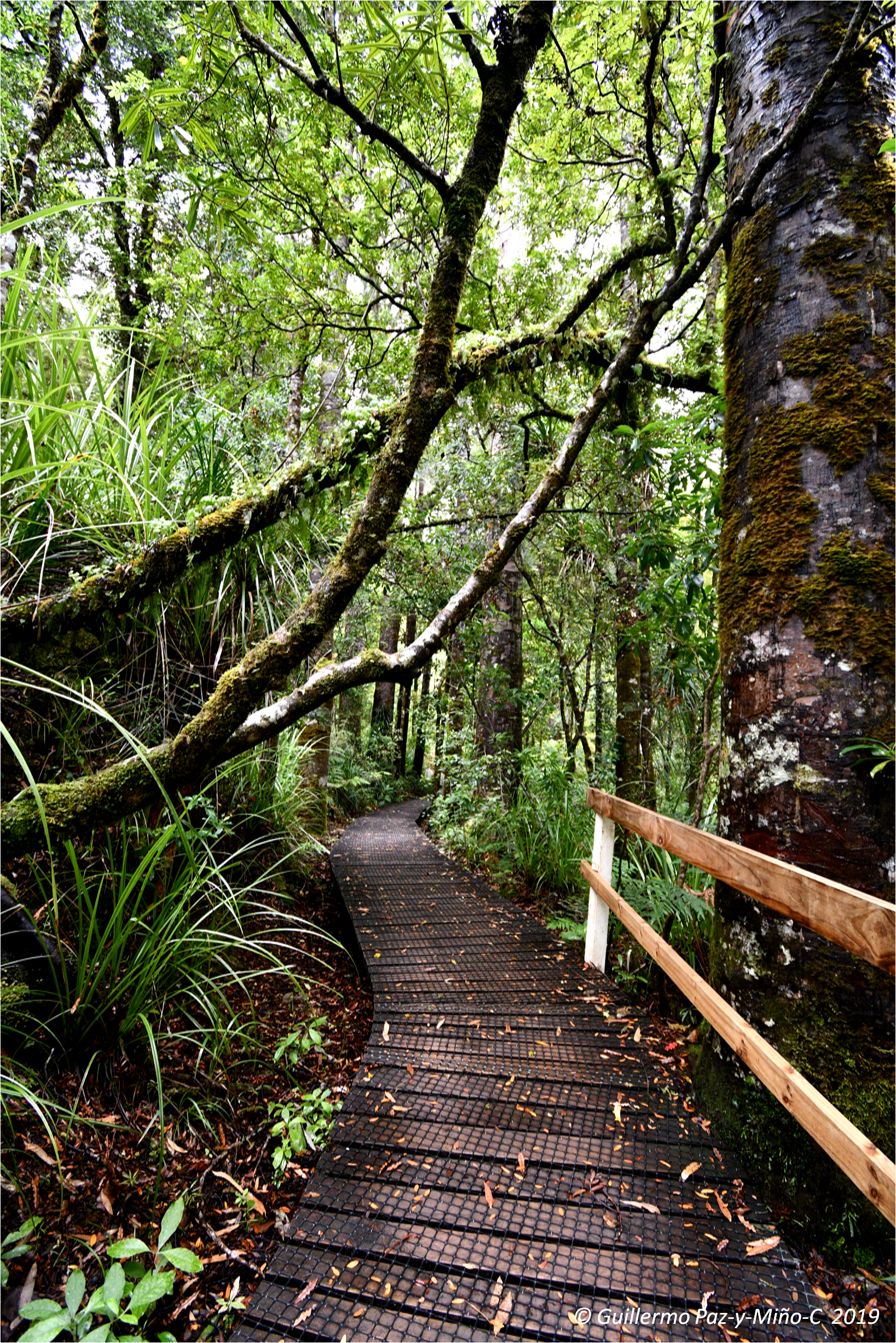
Above: Trail at the Kauri-Tree forest in Waipoua

Above: the Albert Park Band Rotunda in Auckland

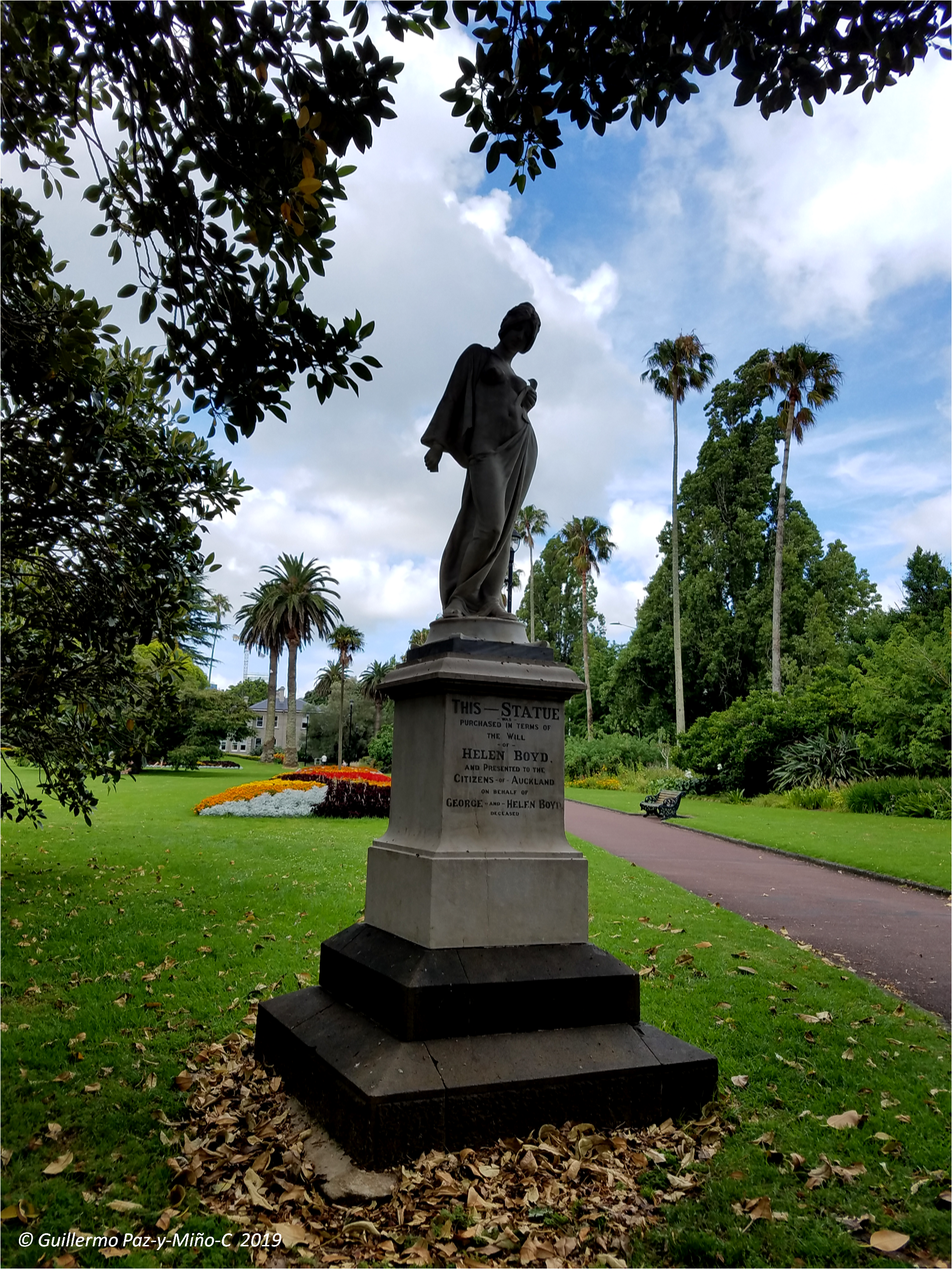
Above: at the Albert Park, downtown Auckland

Above: at the Albert Park, downtown Auckland

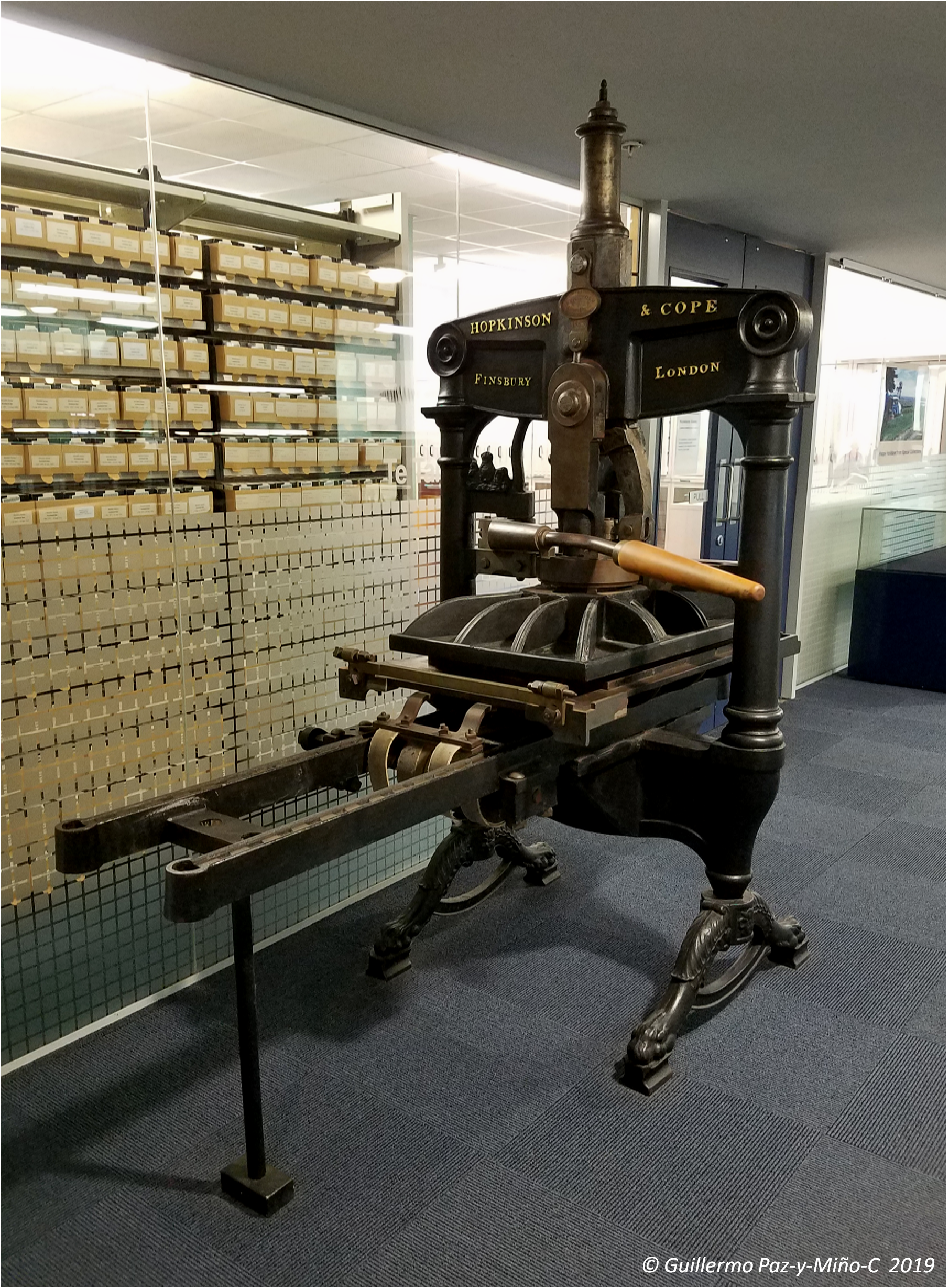
Above: Albion Printing Press from 1863, General Library, University of Auckland

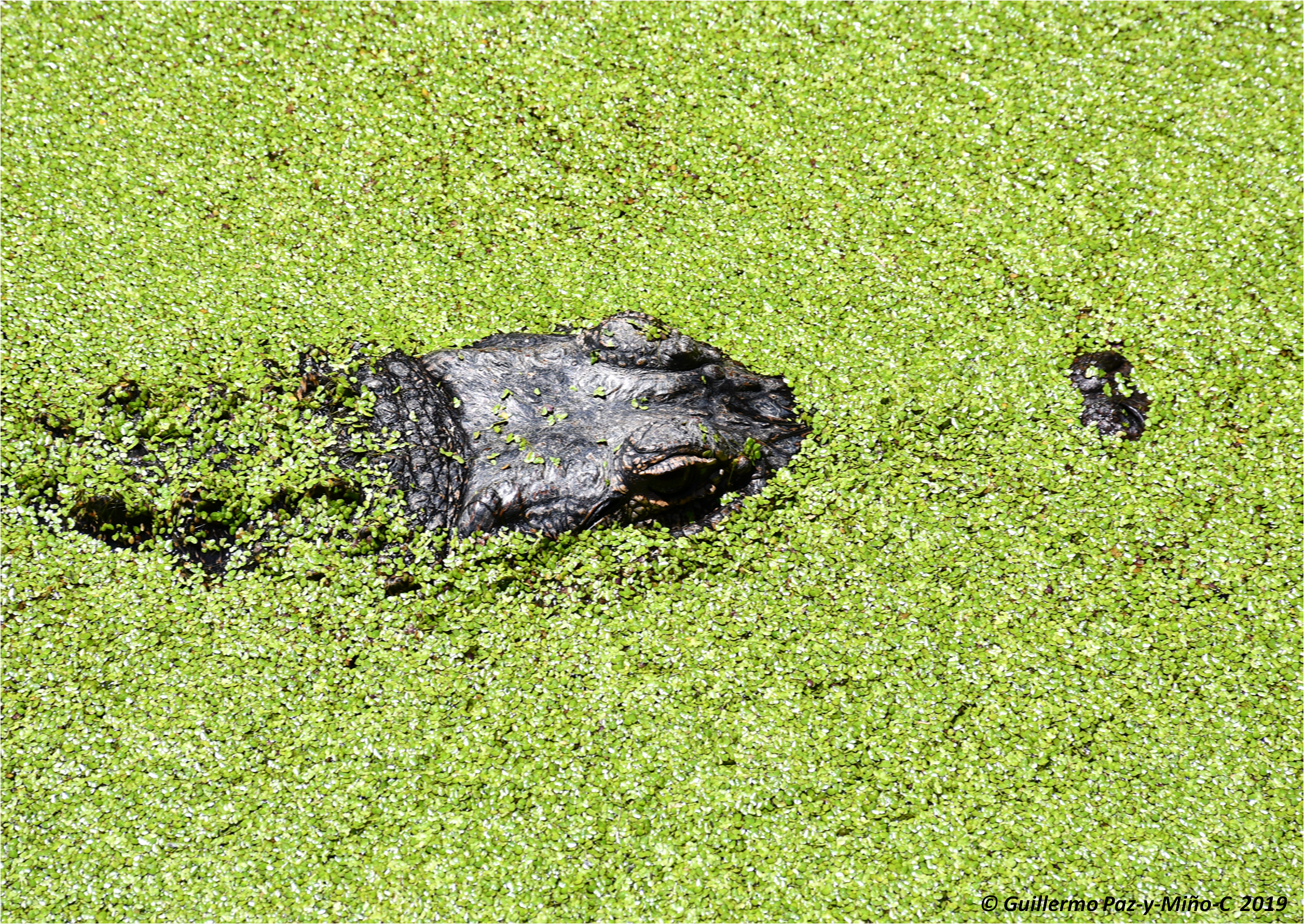
Above: Alligator hiding “behind” duckweed…

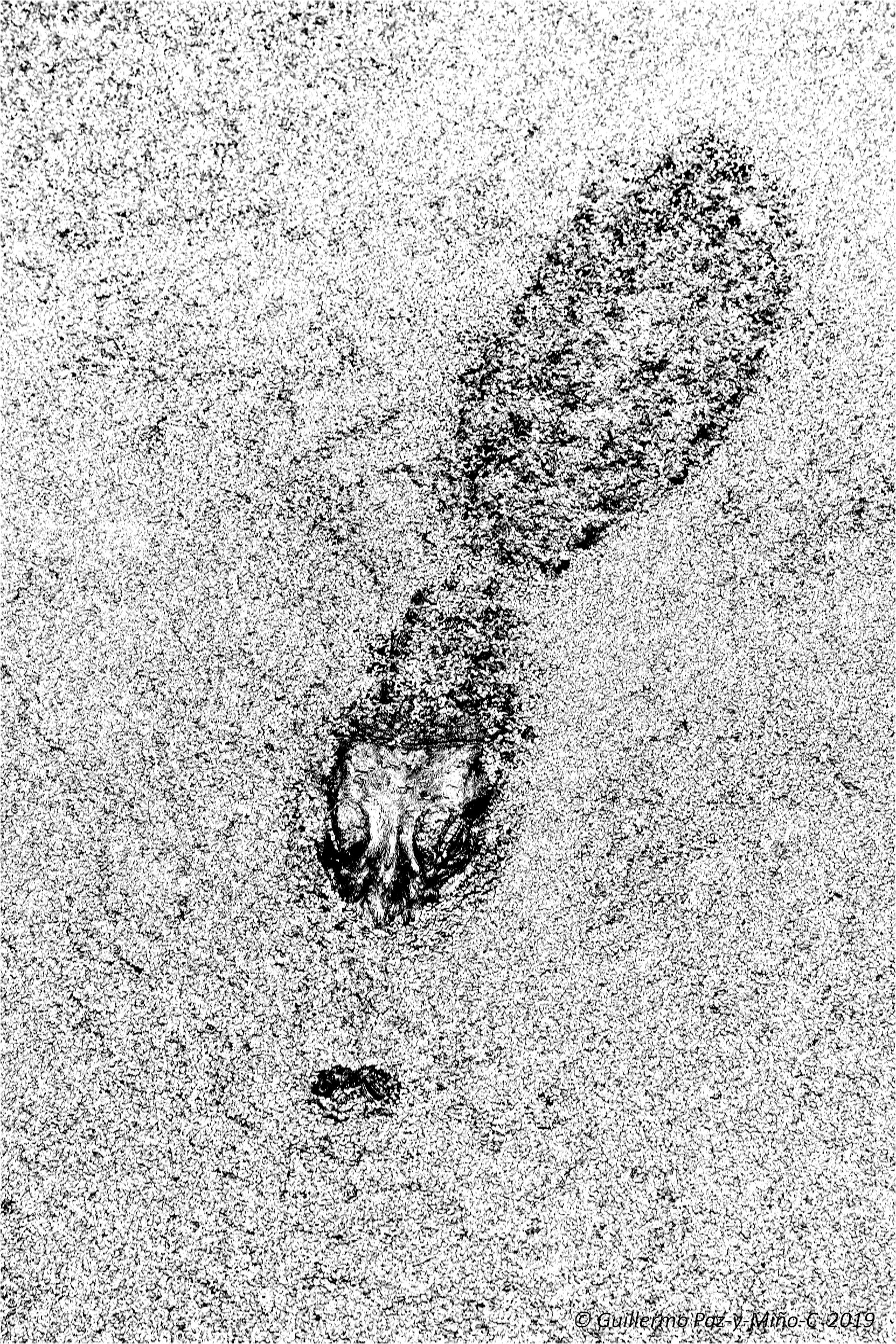
Above: And another take of alligator hiding “behind” duckweed…

Above: a take of the beautiful “island of green” in the middle of the Auckland downtown; a vegetation patch with six old, very old imposing trees and their branches; each creature looks like a giant octopus..

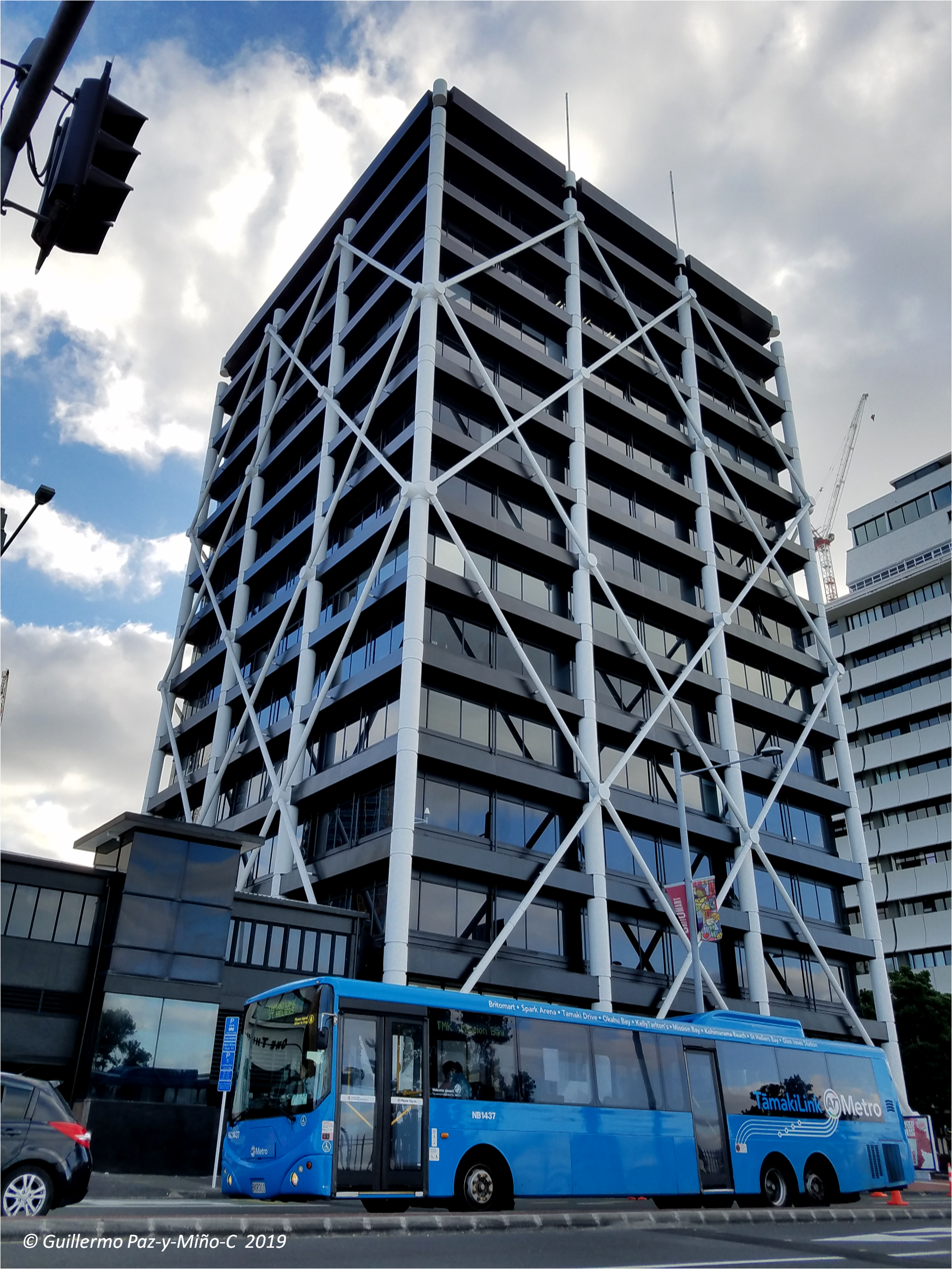
Above: anti-earthquake building (hopefully), downtown Auckland

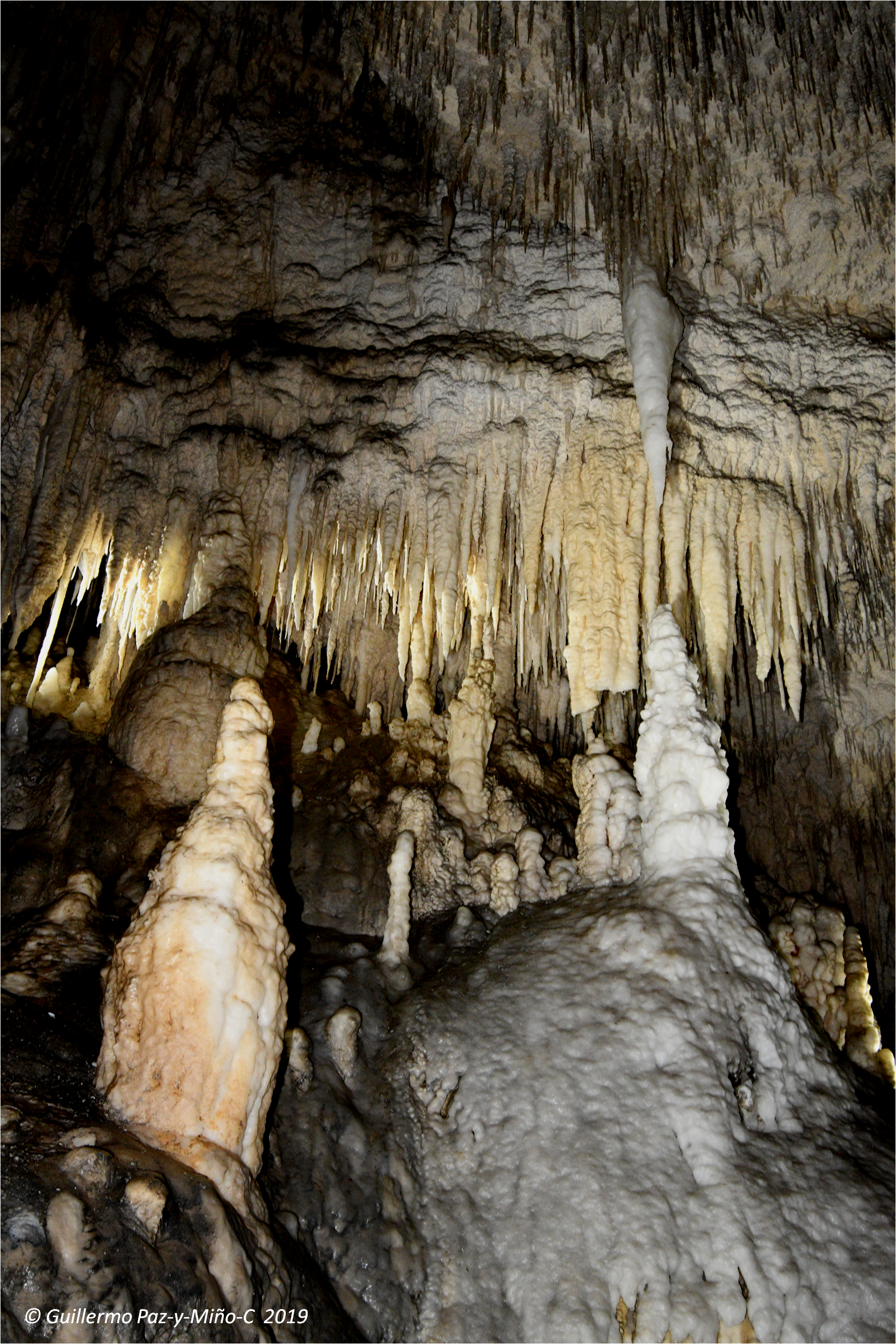
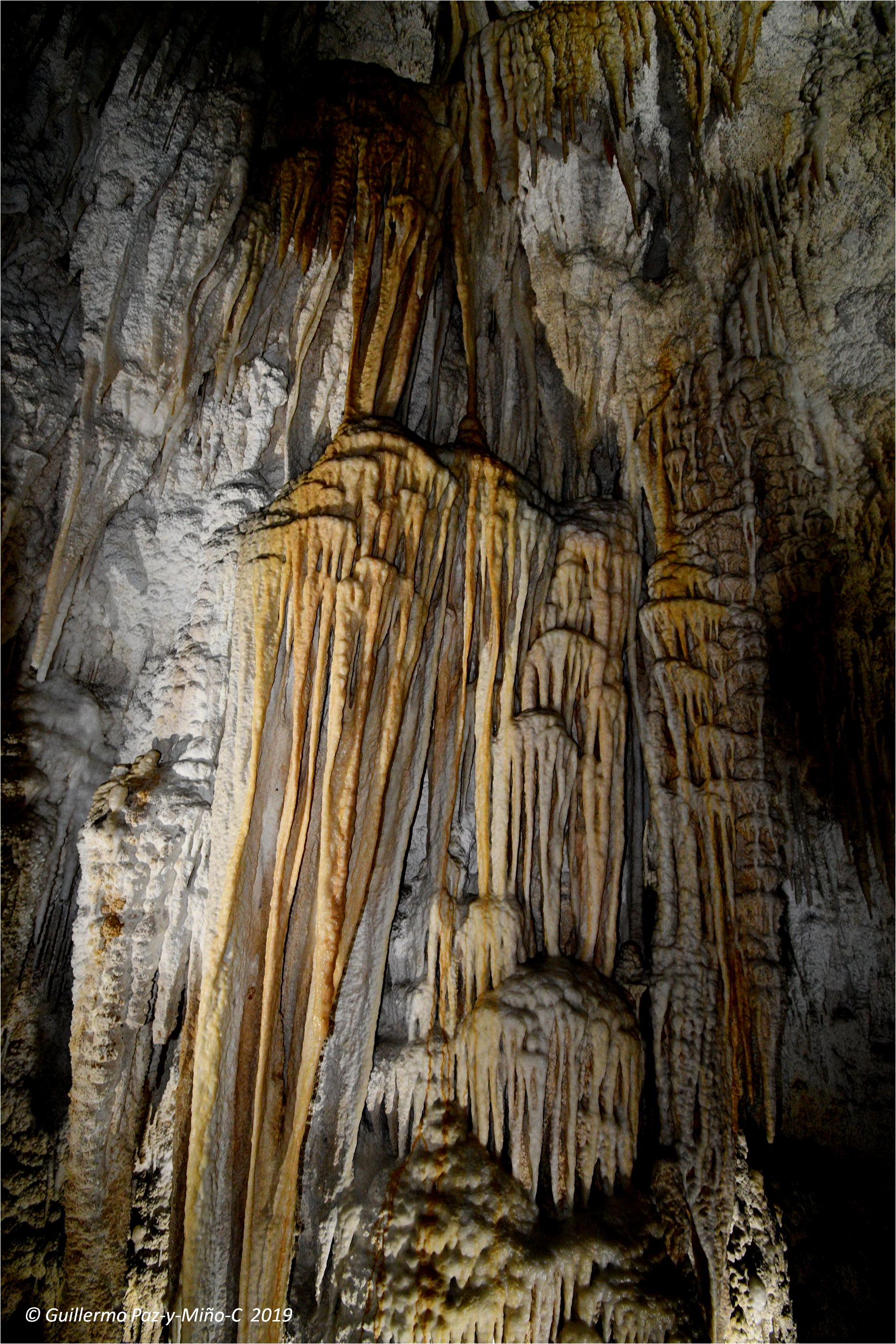
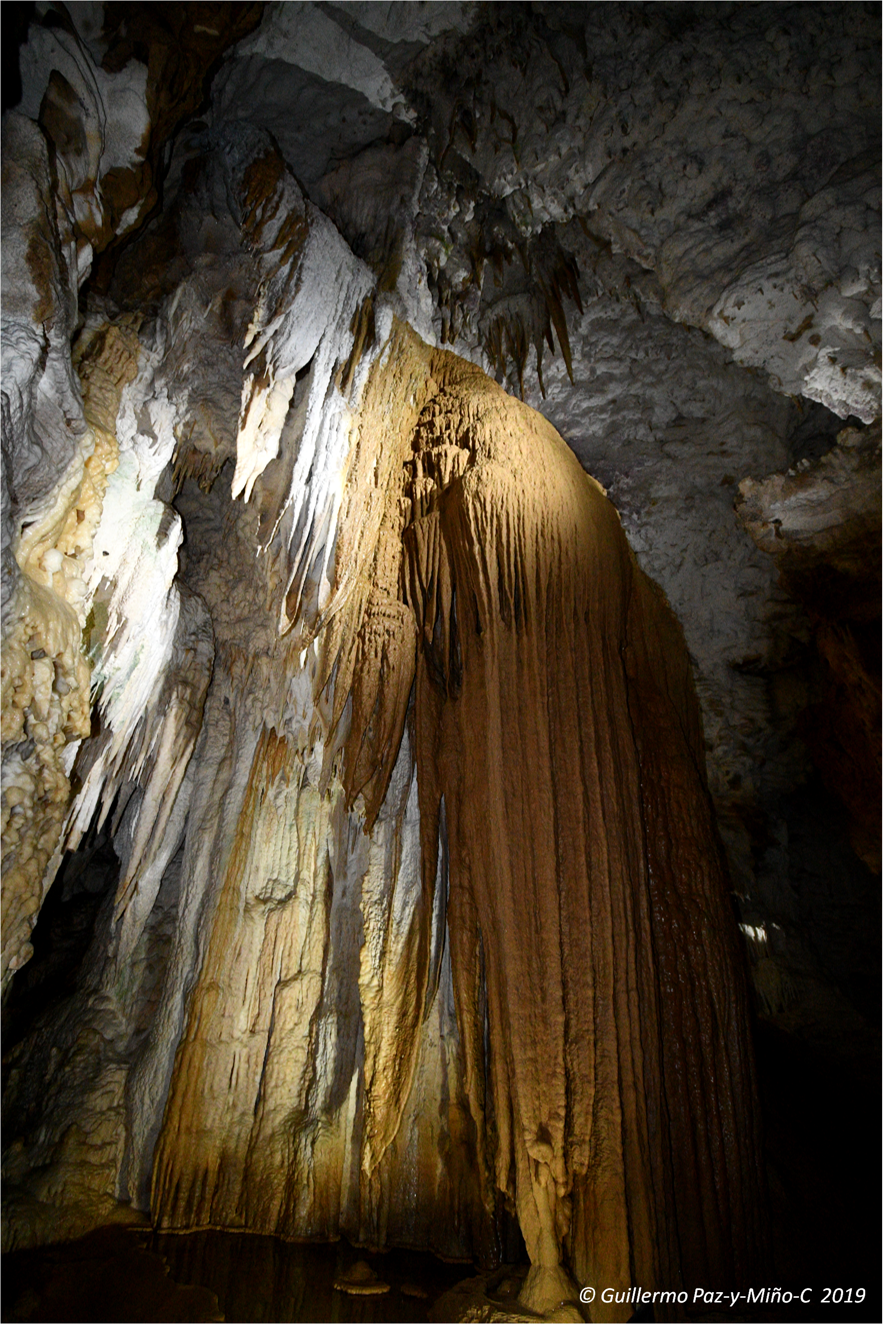
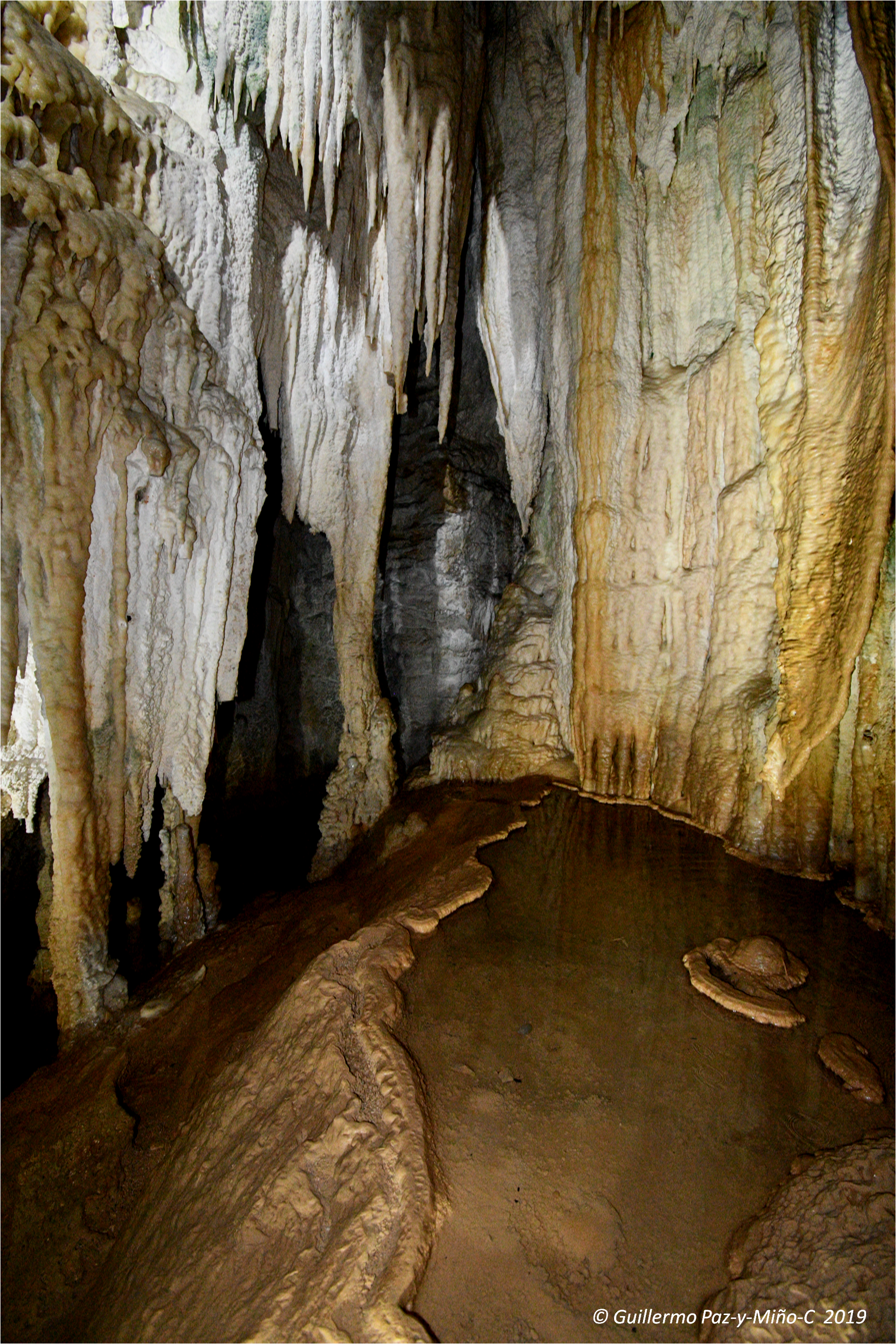
Above: we visited the spectacular Aranui Cave in Waitomo, about two hours South of Auckland. We also entered the Glowworm Caves, which were spectacular as well, but no photos were allowed in there (good policy). In any event, here is a series of seven images taken in the Aranui Cave (where photos were allowed), choose your favorite.

Above: at the spectacular Aranui Cave in Waitomo

Above: at the spectacular Aranui Cave in Waitomo

Above: at the spectacular Aranui Cave in Waitomo

Above: at the spectacular Aranui Cave in Waitomo

Above: at the spectacular Aranui Cave in Waitomo

Above:  this is a CLOSE UP, these stalactites are about 2-3 inches each, others a bit larger.

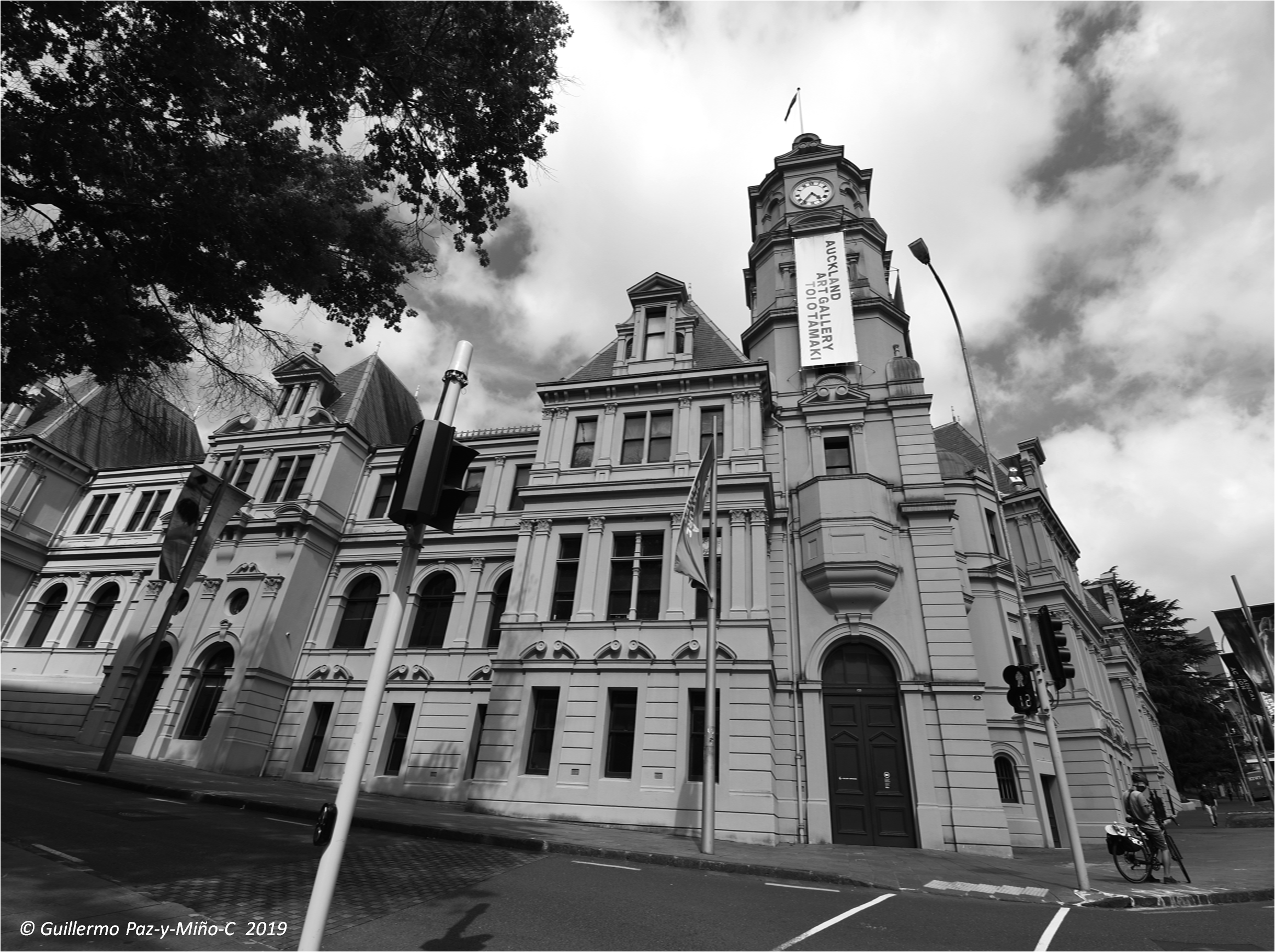
Above: corner view of the Auckland Art Gallery

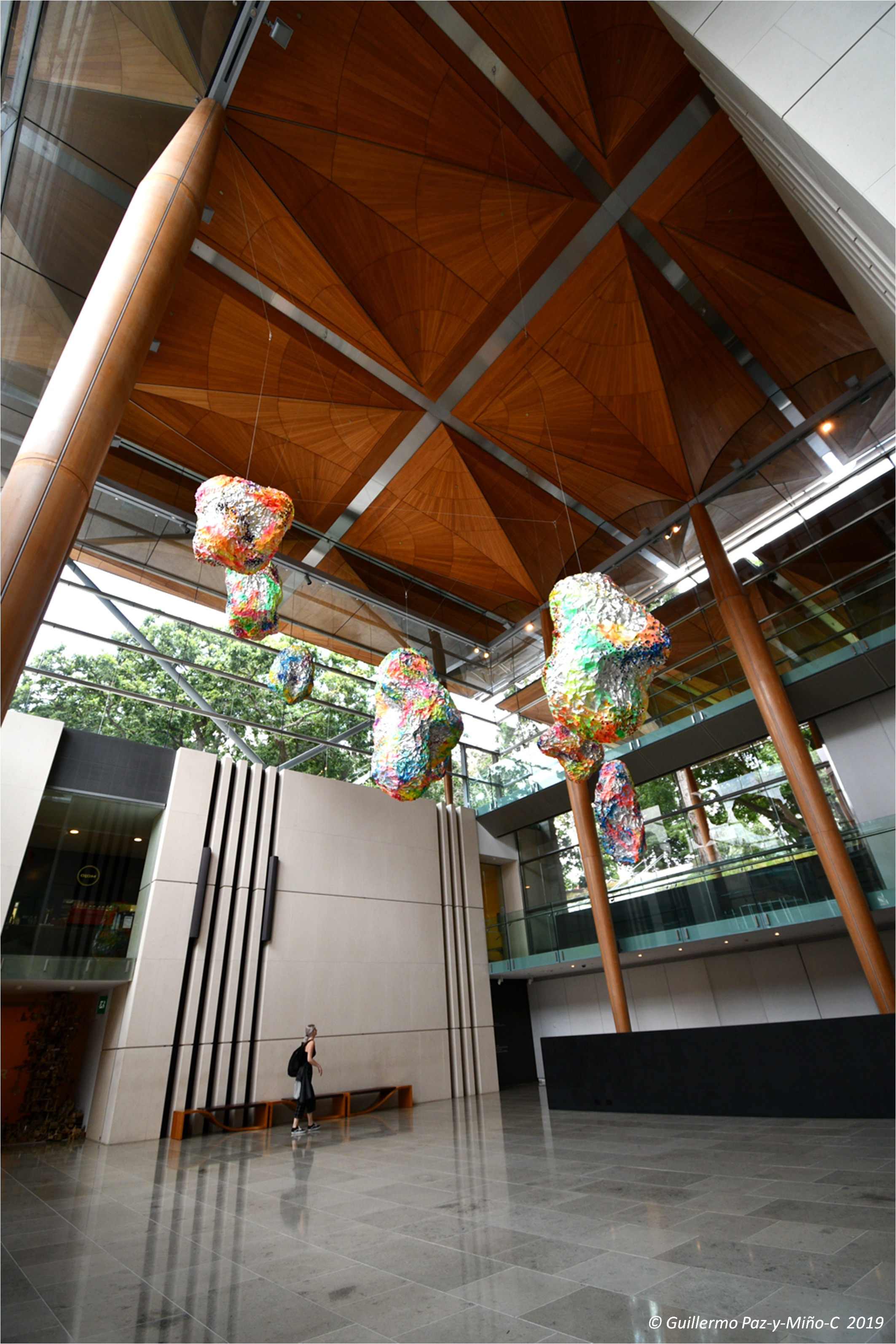
Above: the main hall, Auckland Art Gallery

Above: Auckland from the summit of Mount Victoria

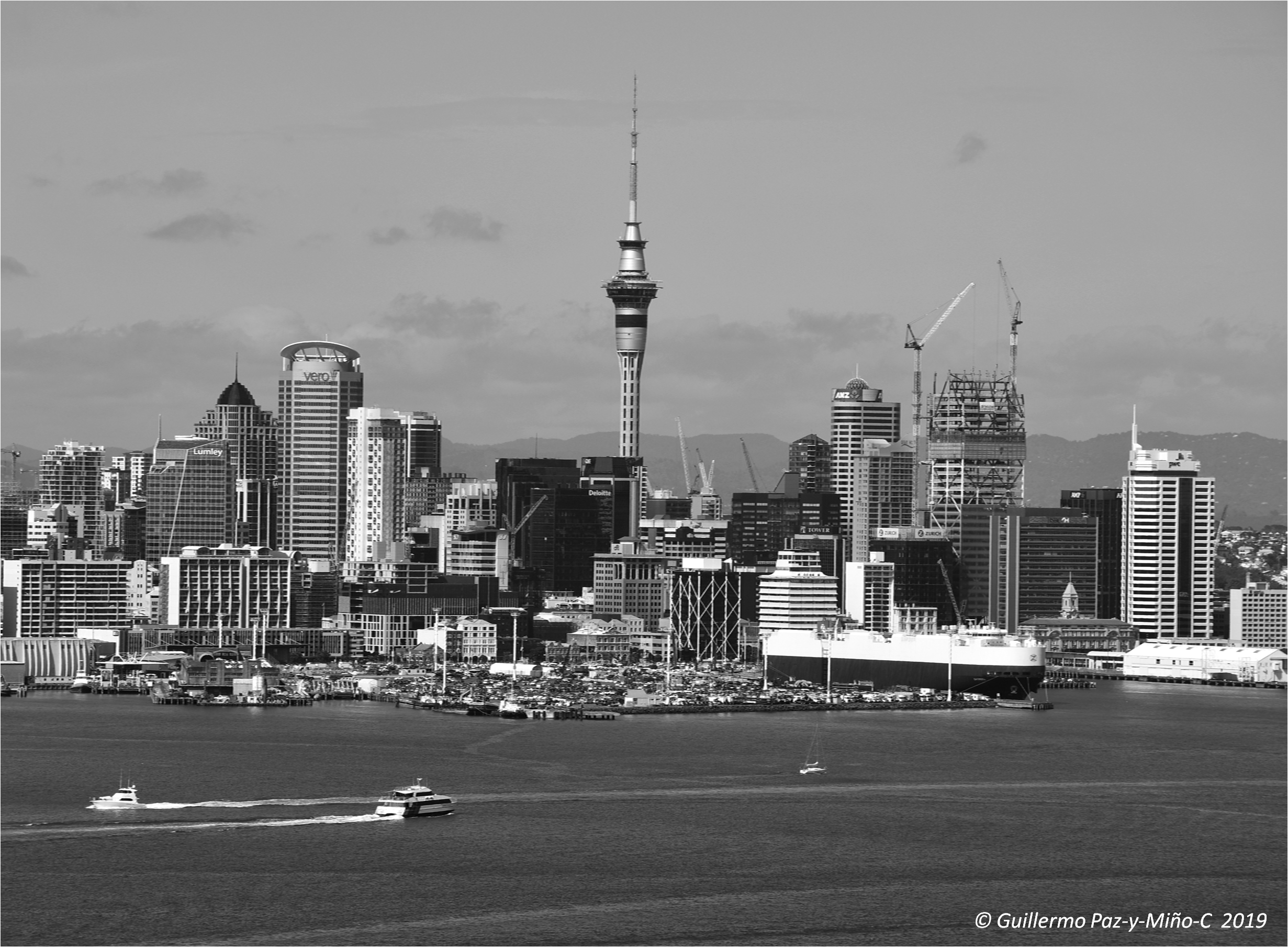
Above: Auckland, as seen from the Sky Tower

Above: Auckland… the moon, almost full

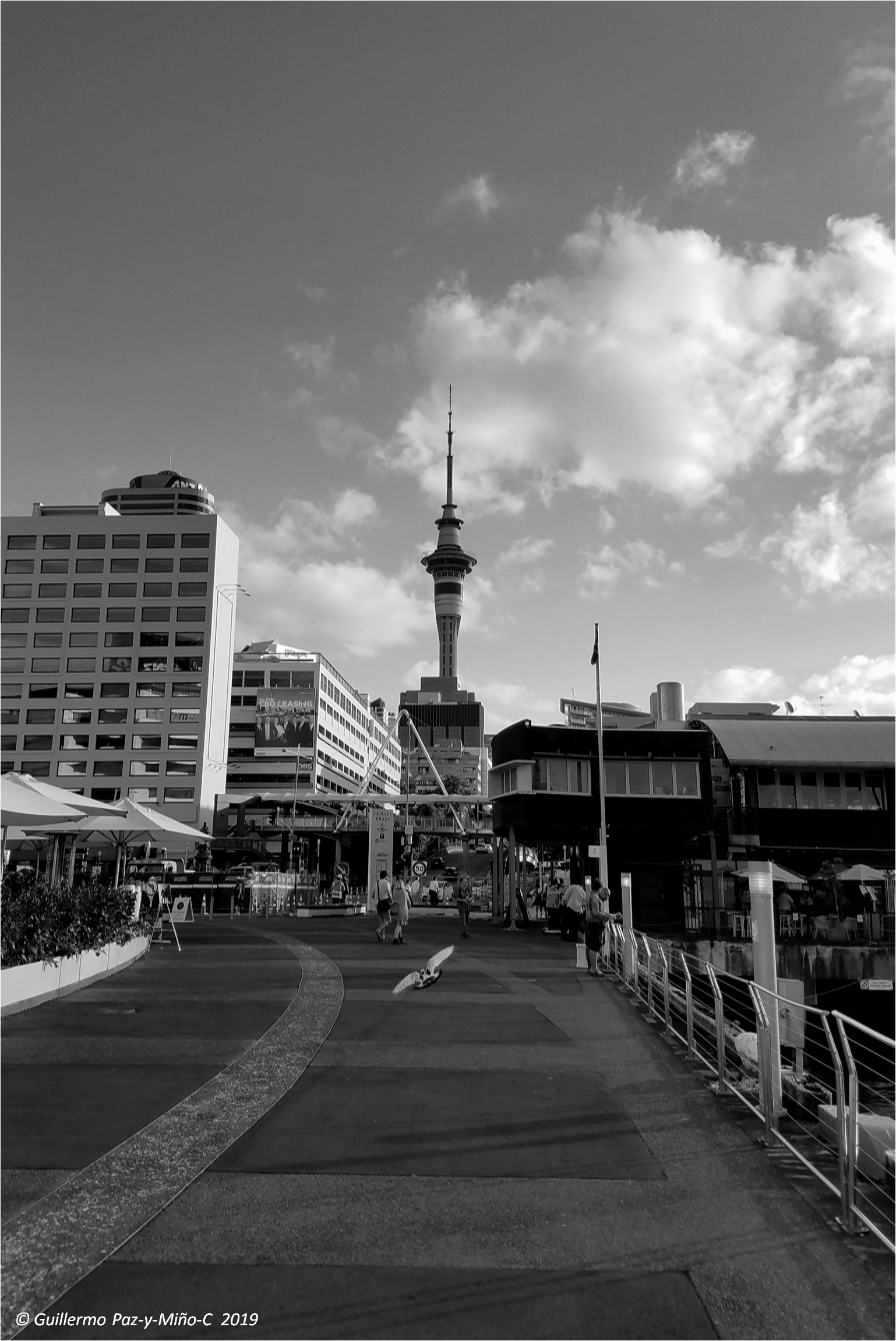
Above: B&W moments

Above: Auckland, New Zealand

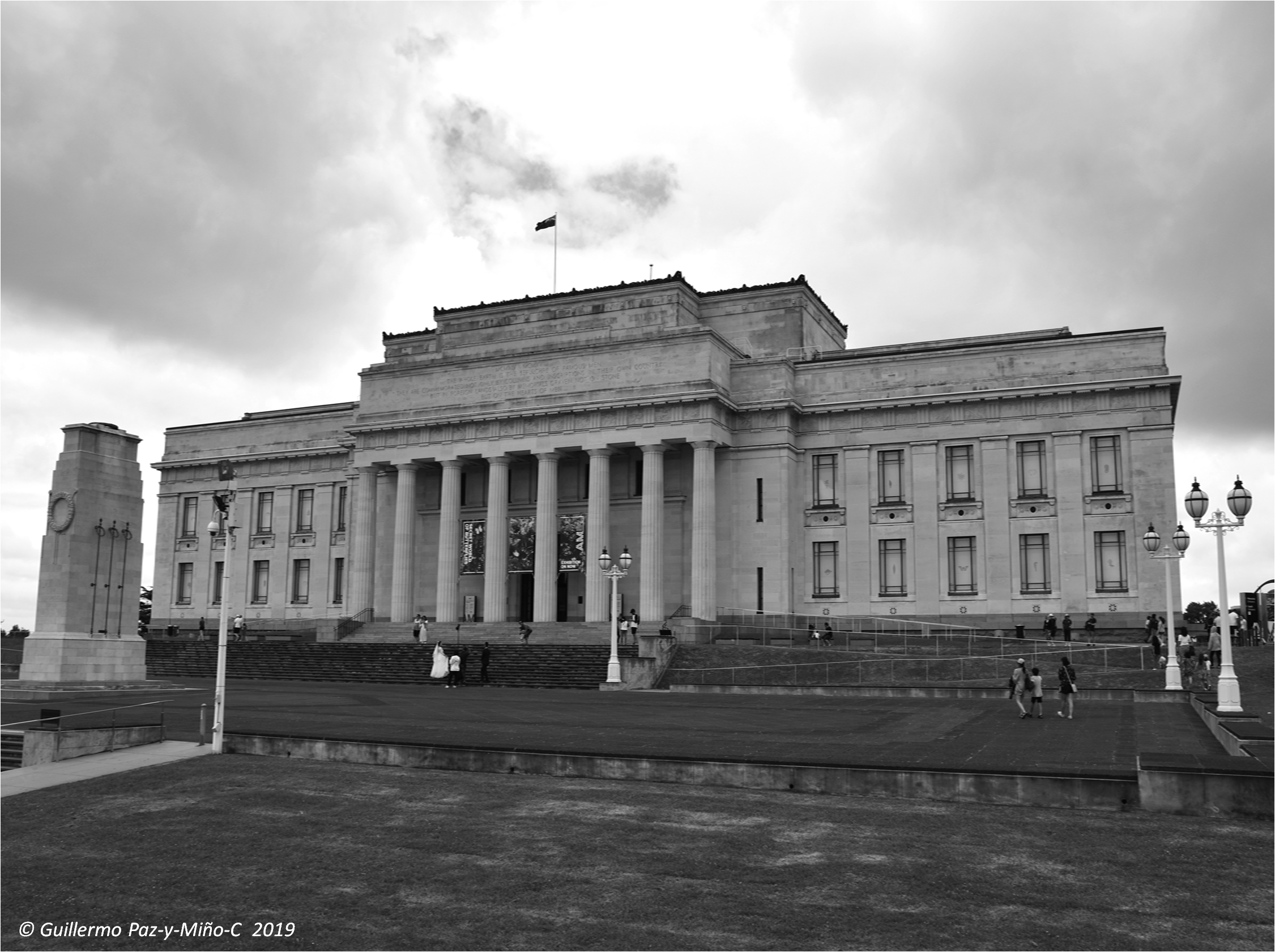
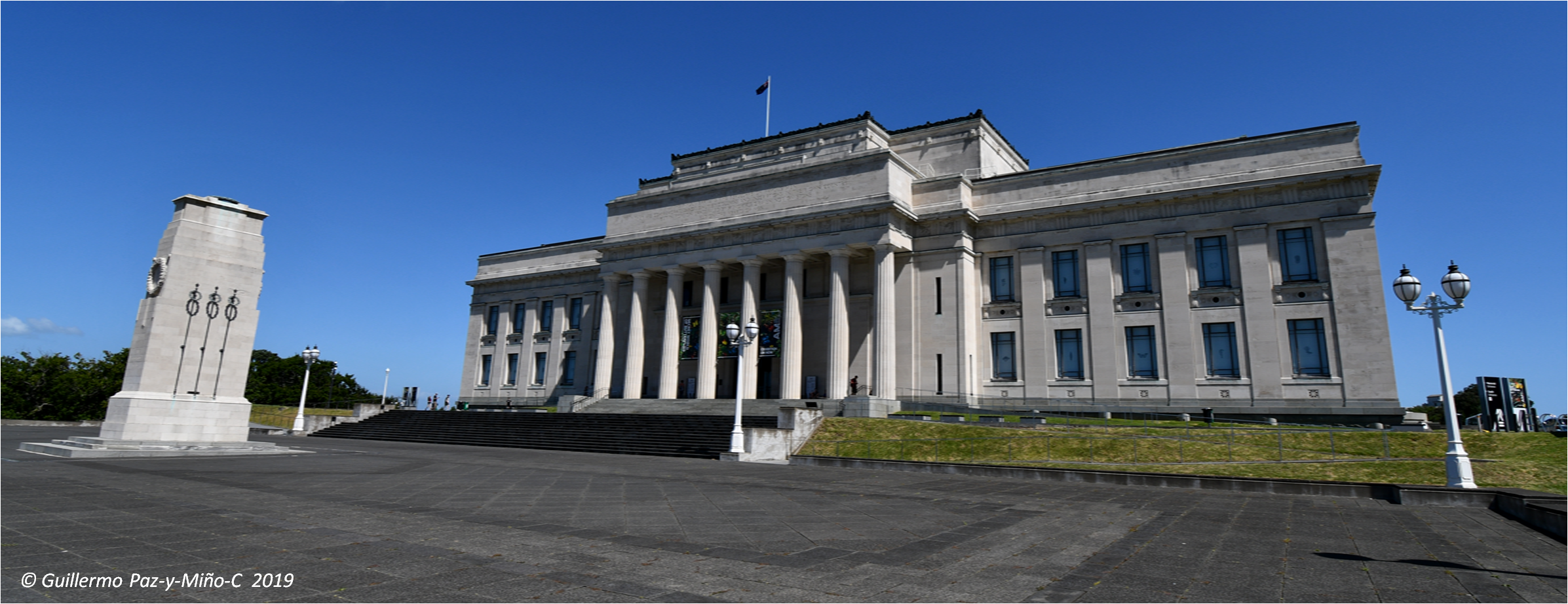
Above: some time for a panoramic of the Auckland Museum [its actual name is Auckland War Memorial Museum, but the exhibits are not restricted to war or related memories; in fact, the most impressive aspect of the museum is its collection of Maori and Pacific artifacts, spectacular]

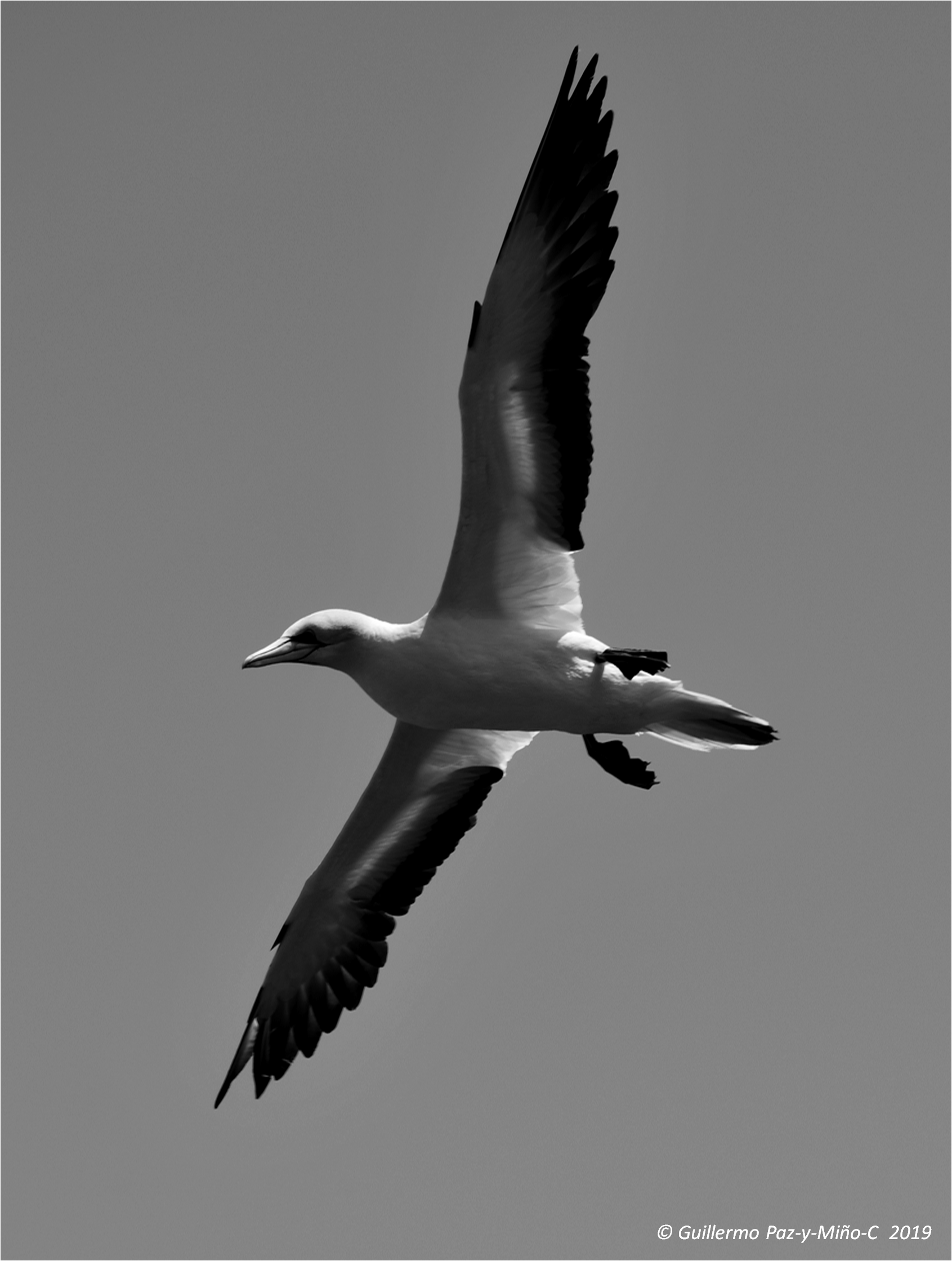
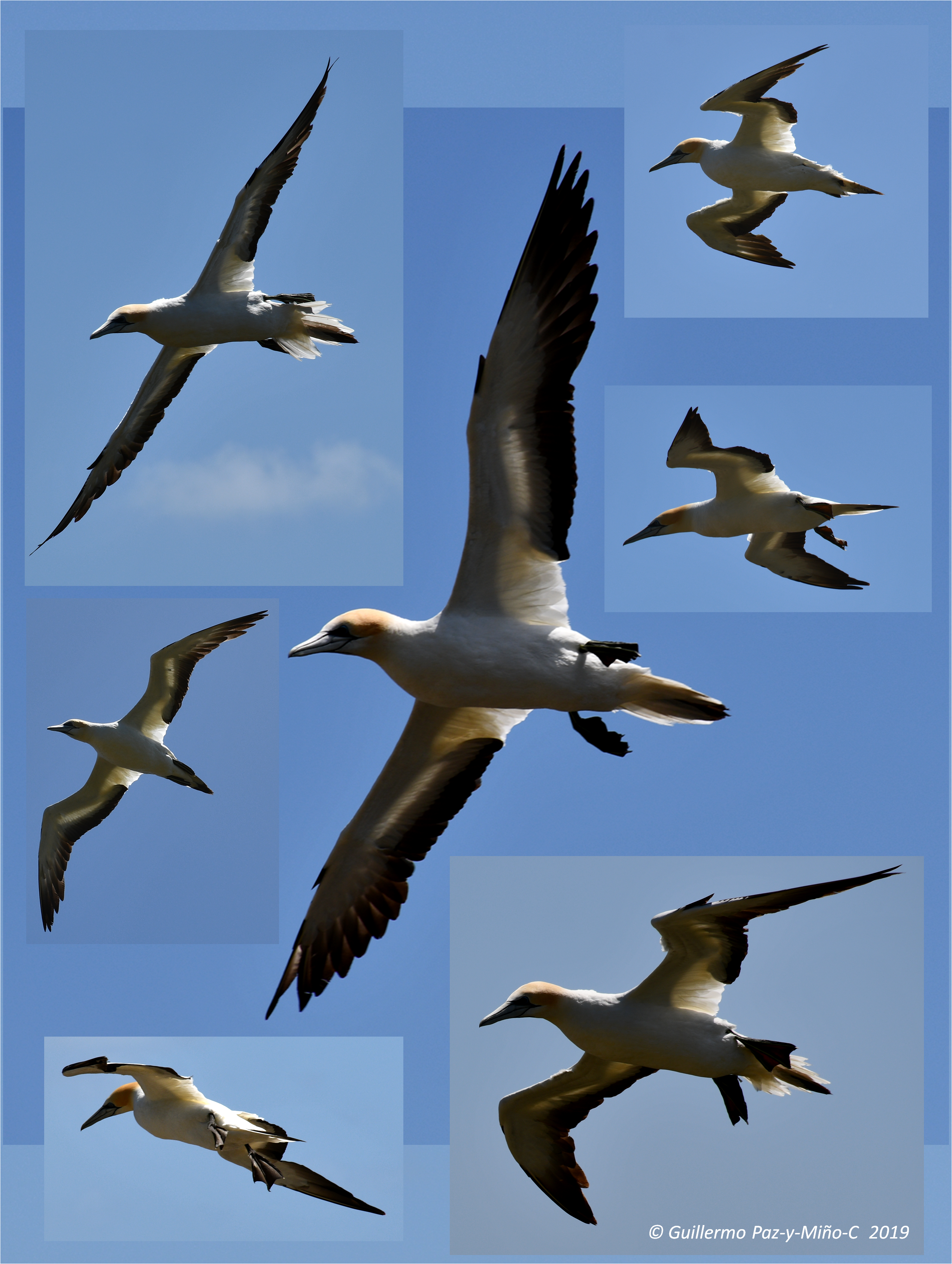
Above: Australasian gannet… one of thousands in a five-patch colony. Tasman Sea

Above: Australasian gannet, a bit mad

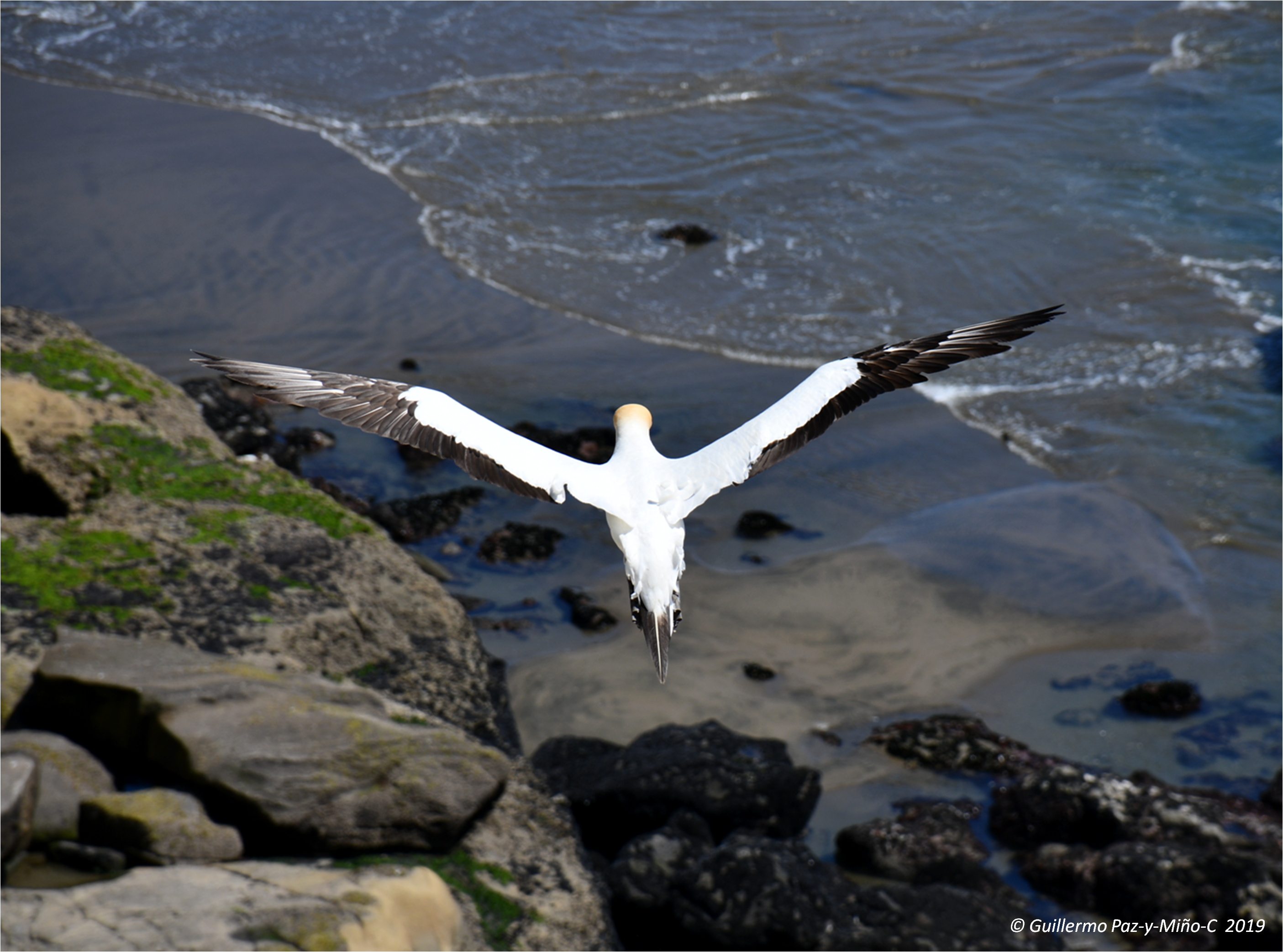
Above: Australasian gannet after attempting to approach its nest and mate, but too windy… another approach was necessary – Tasman Sea

Above: Quiet bamboo walk at the Chinese Garden, Hamilton Gardens

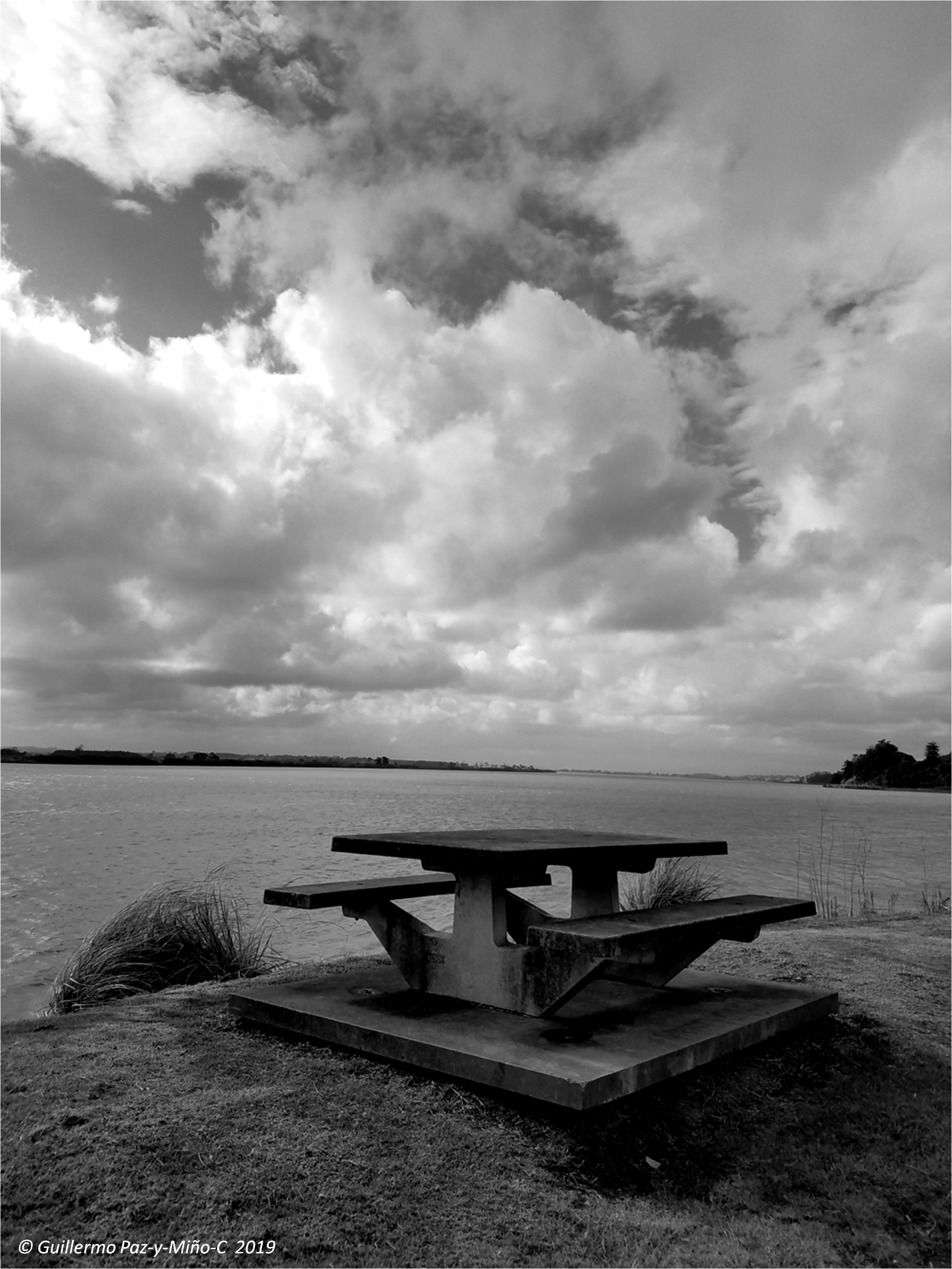
Above: Before the Rain… Wairoa River

Above: at the Albert Park, downtown Auckland

Above: We managed to get 11 different postcards with illustrations (antiques) depicting the birds of the Tongariro National Park

Above: Black Swan in B&W, Western Springs Lakeside Park, Auckland

Above: an elegant Black Swan at the Western Springs Lakeside Park, Auckland

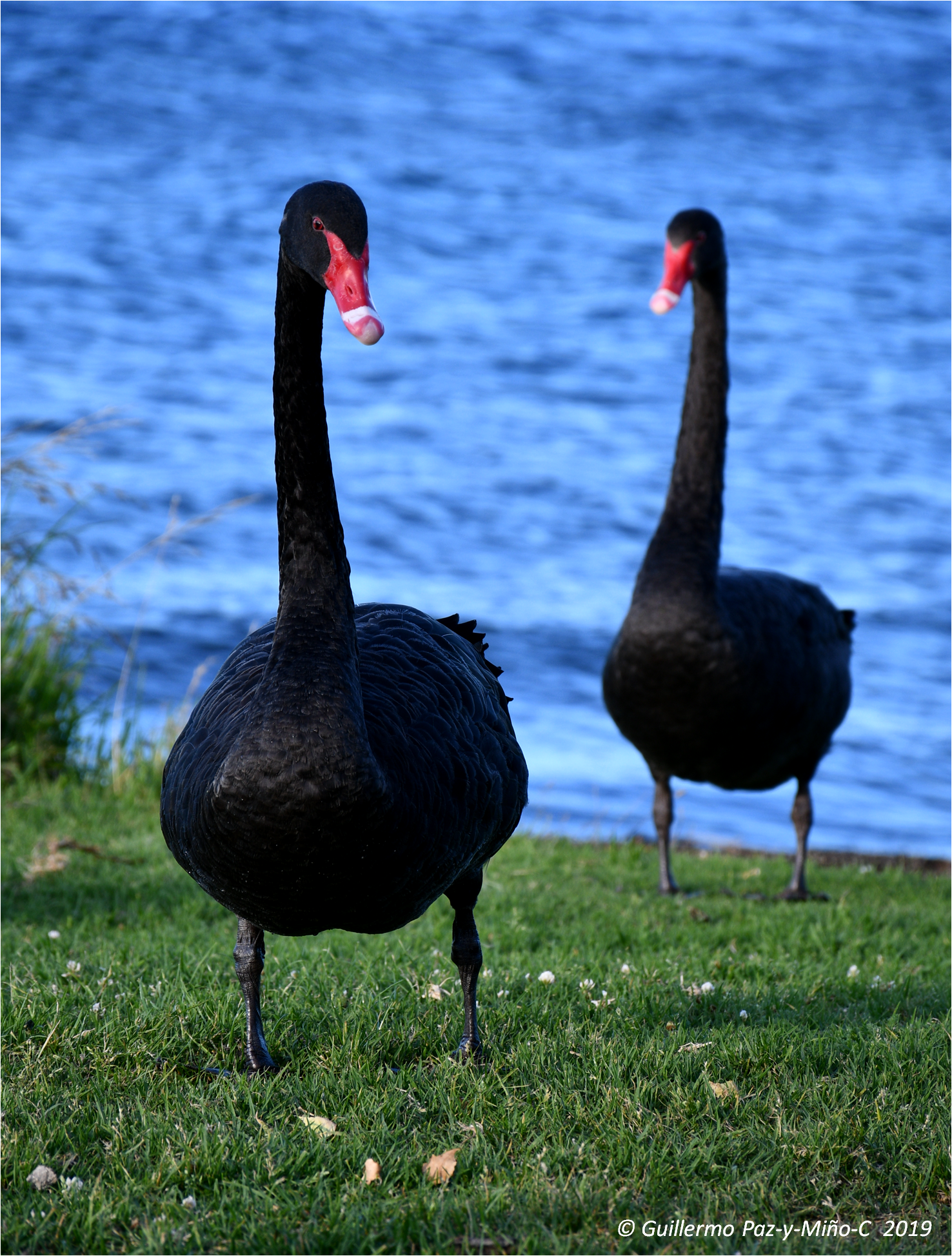
Above: we found these black swans at Lake Taupō… male and female. They had five offspring with them, almost adult size; the parents were ready to defend them (i.e. charge) if anybody got too close…

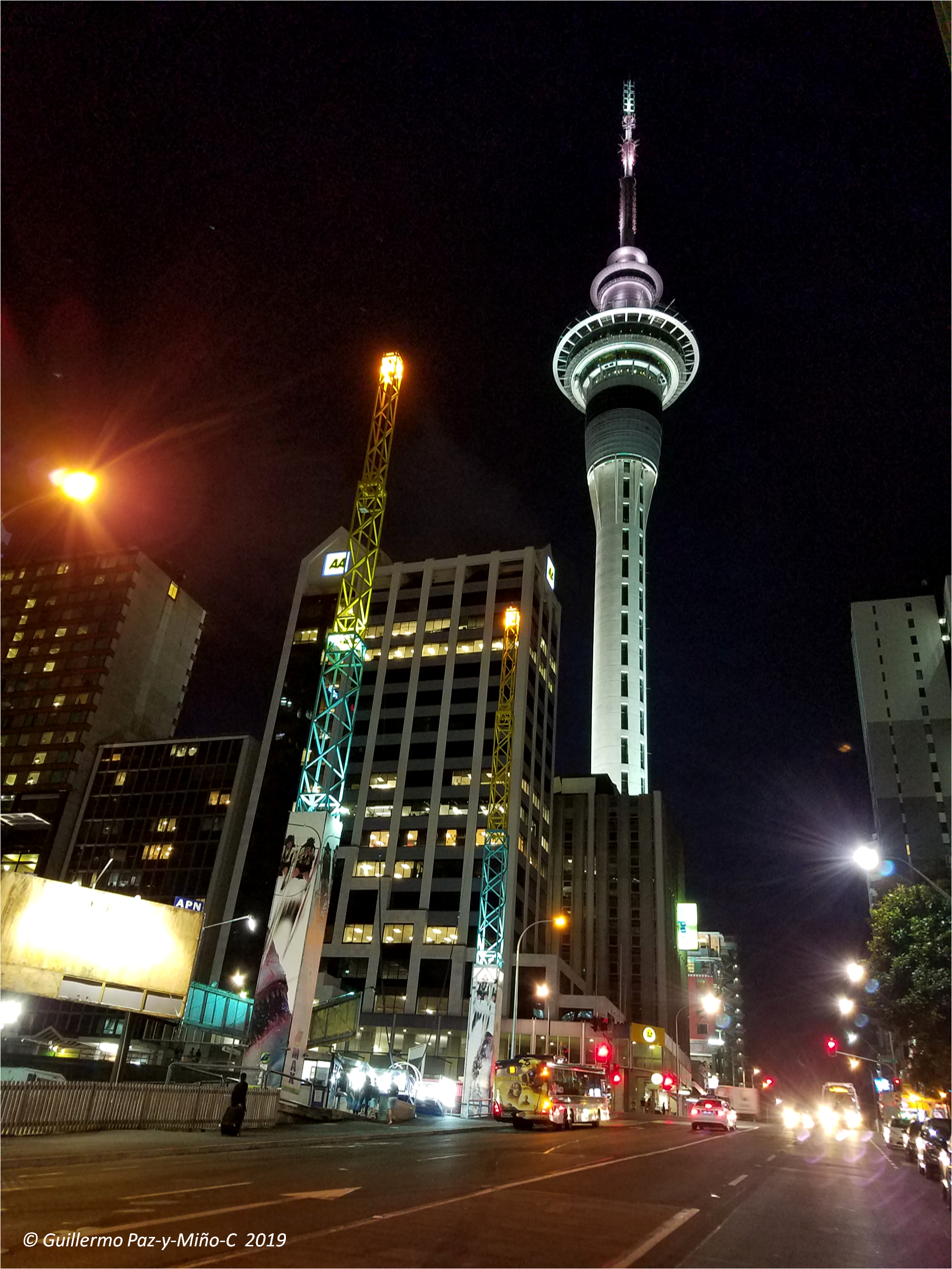
Above: close up (color) of the Sky Tower in Auckland

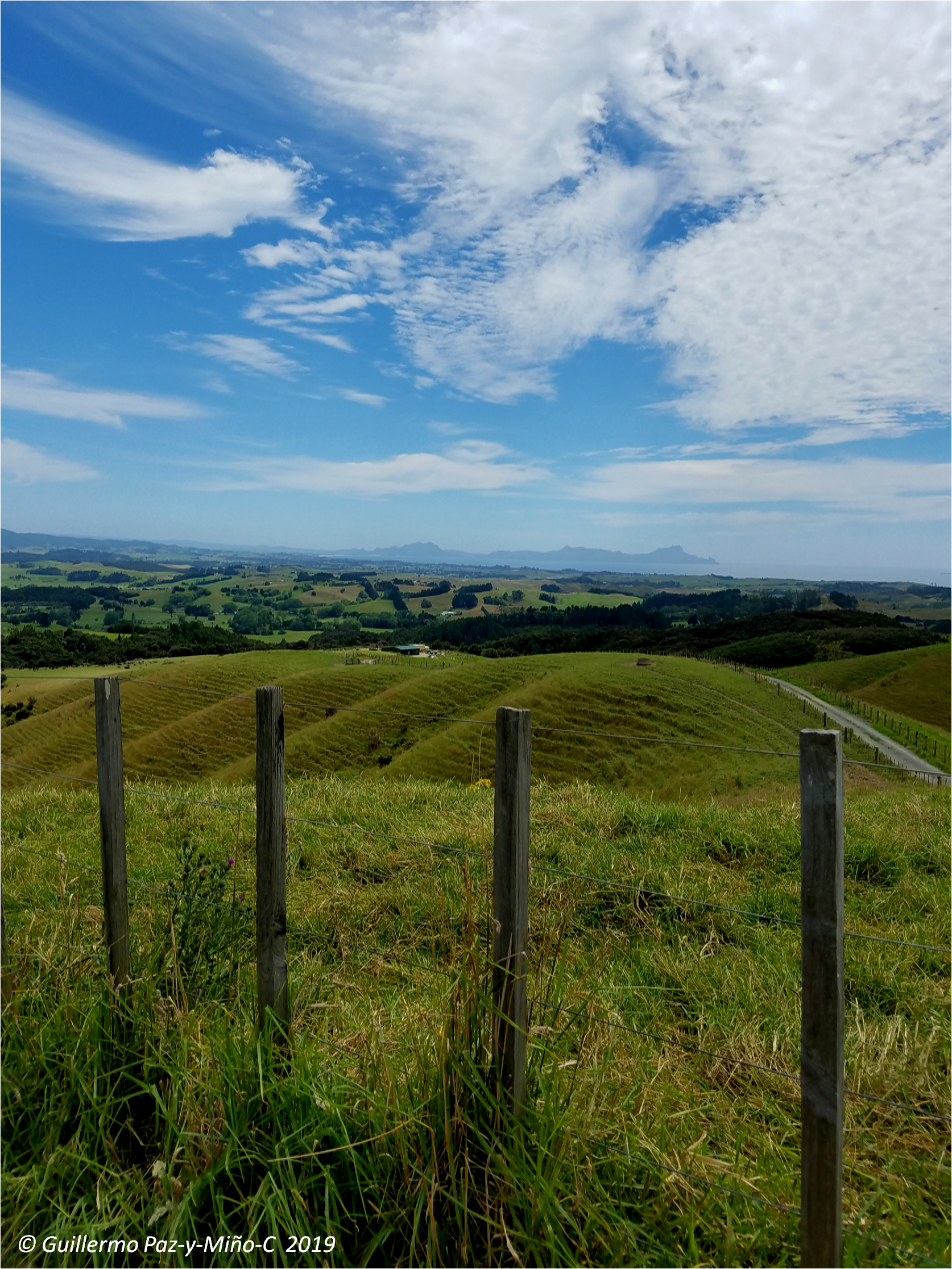
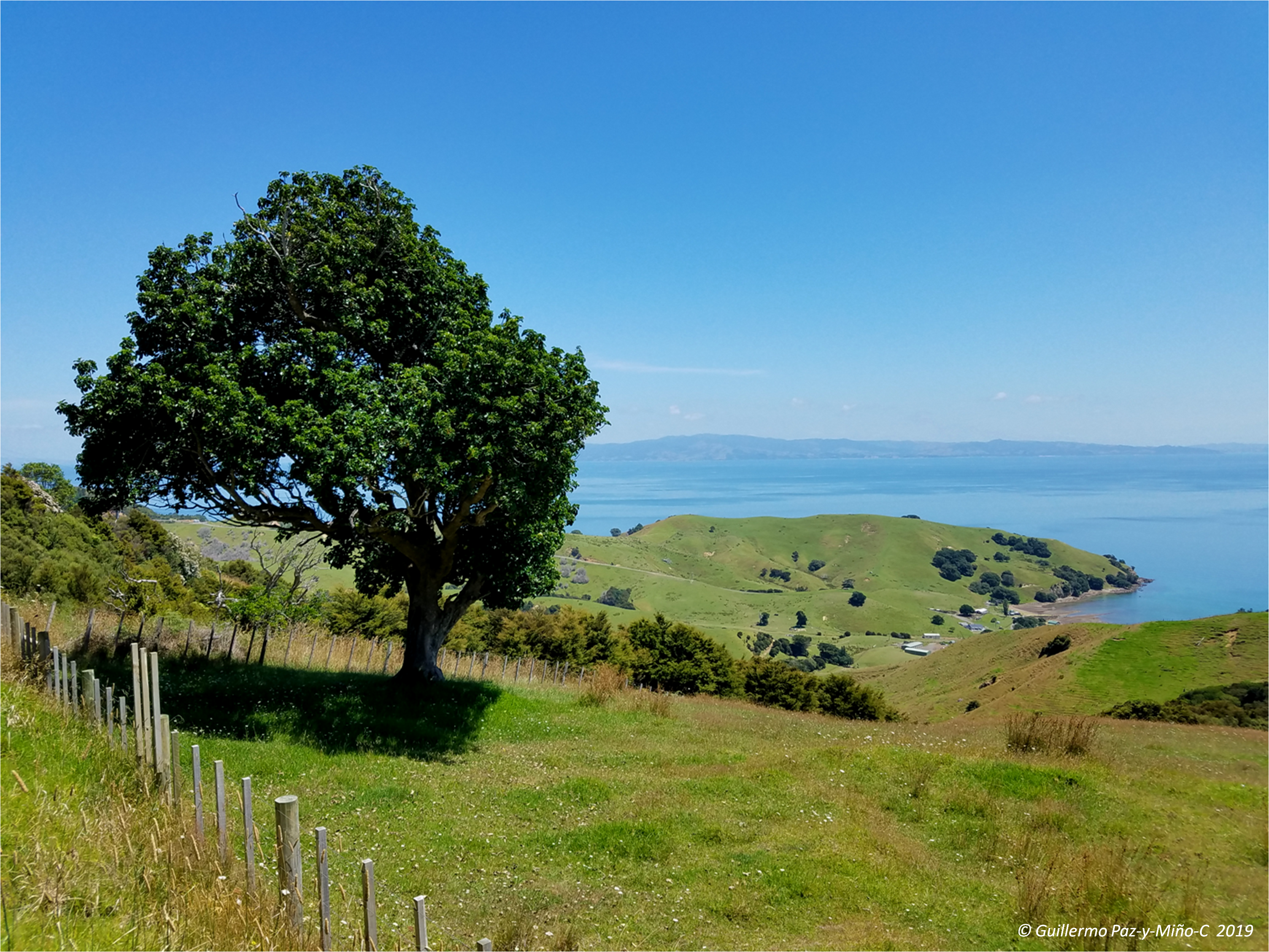
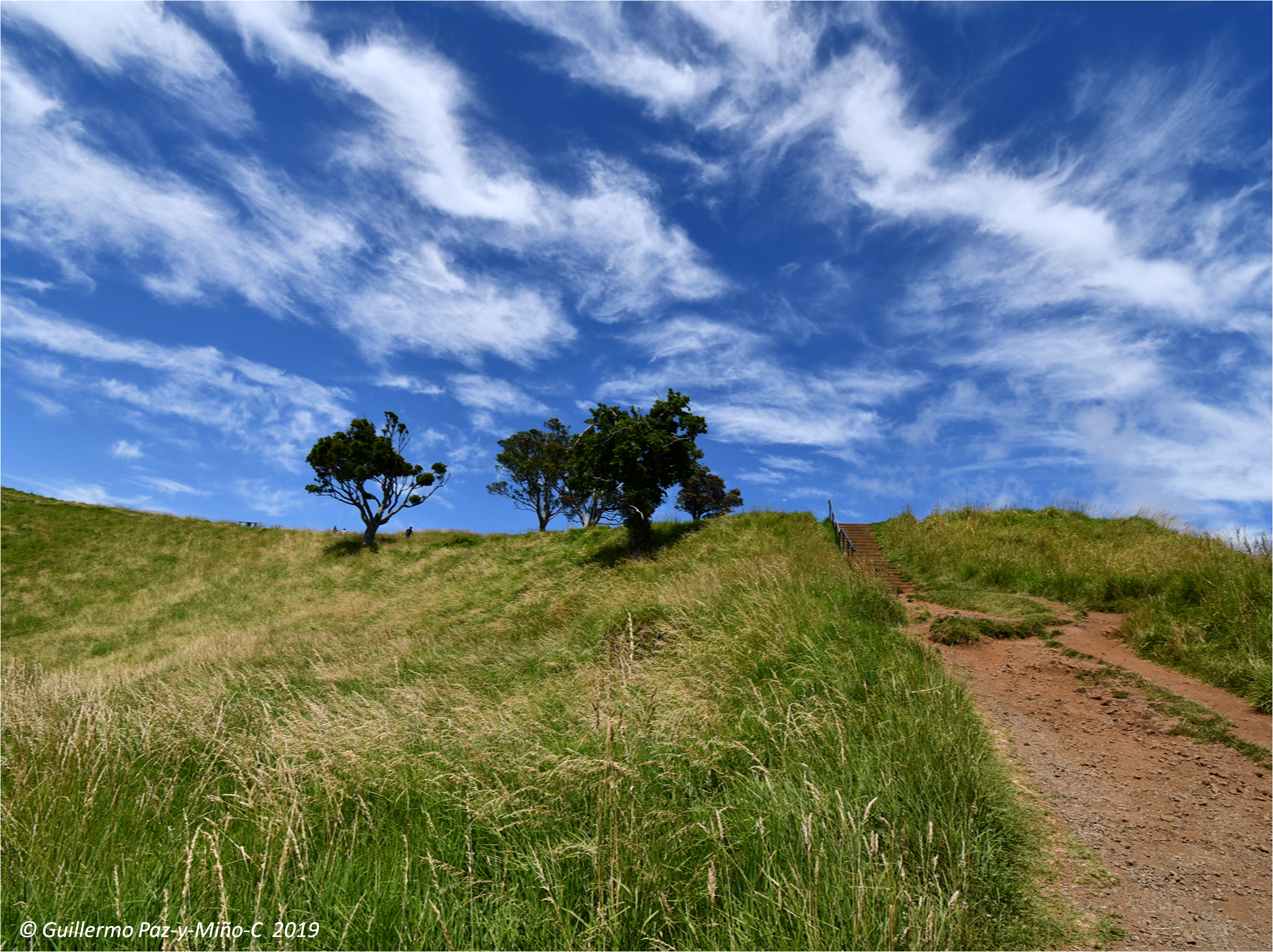
Above: a view of the Bream Head [little peninsula in the back] from nearby Ruakaka, Highway 1 North; about an hour and a half from Auckland – BTW natural colors; the NZ sky is that blue and the landscape that green. – NZ is beautiful

Above: this was not our transportation – “The Dome” – Dome Forest Conservation Area

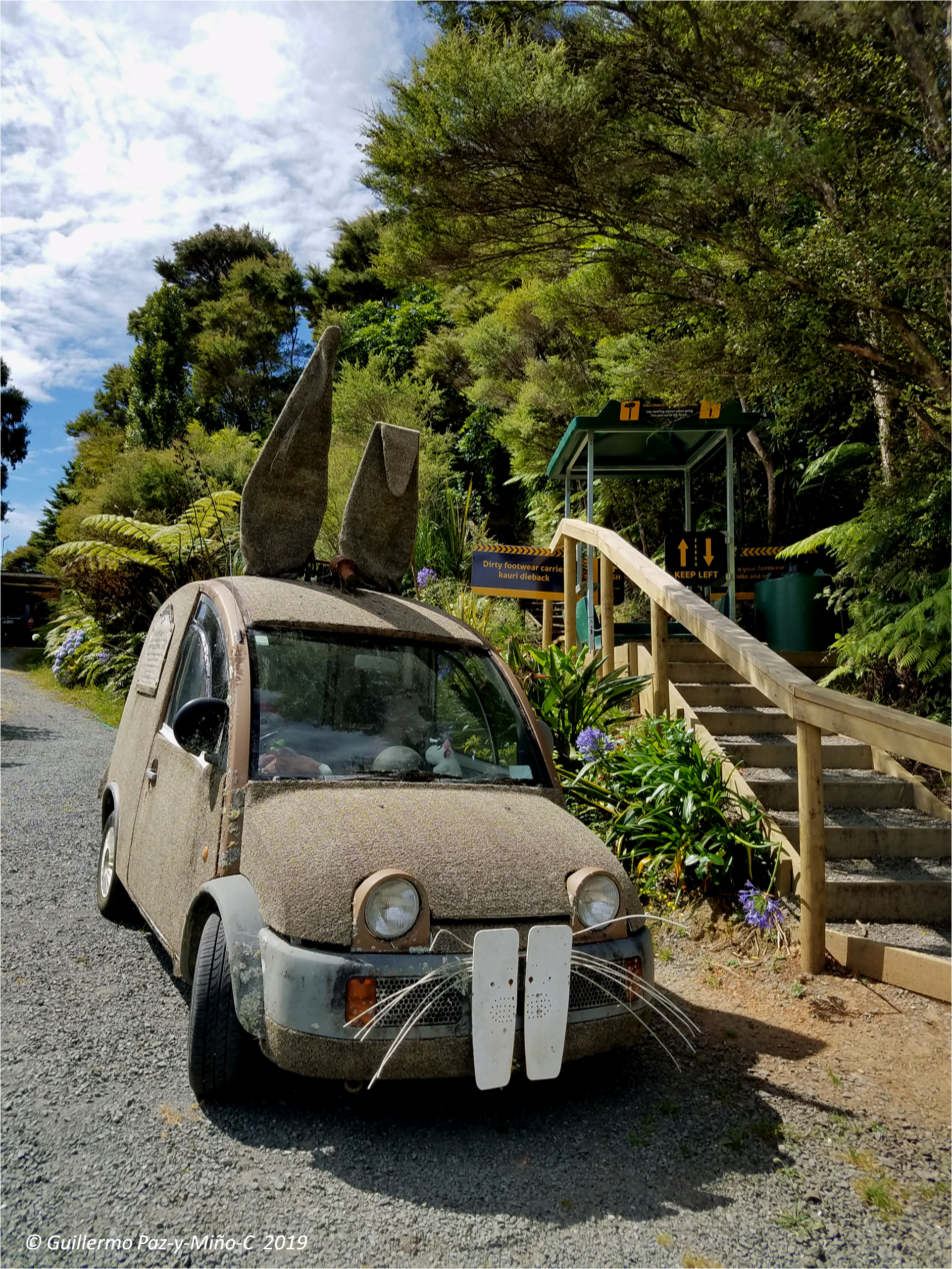
Above: this was our transportation — every time we rent a car, they give us a bright color one. This time was red. Last time (in Vancouver), a bright blue large truck almost impossible to park. In any event, can you spot the rooster and the hen? There are somewhere in the photo. Highway 1 North, an hour away from Auckland

Above: North Island, New Zealand… sheep skins inside (???)

Above: the youthful looking campus of the University of Auckland

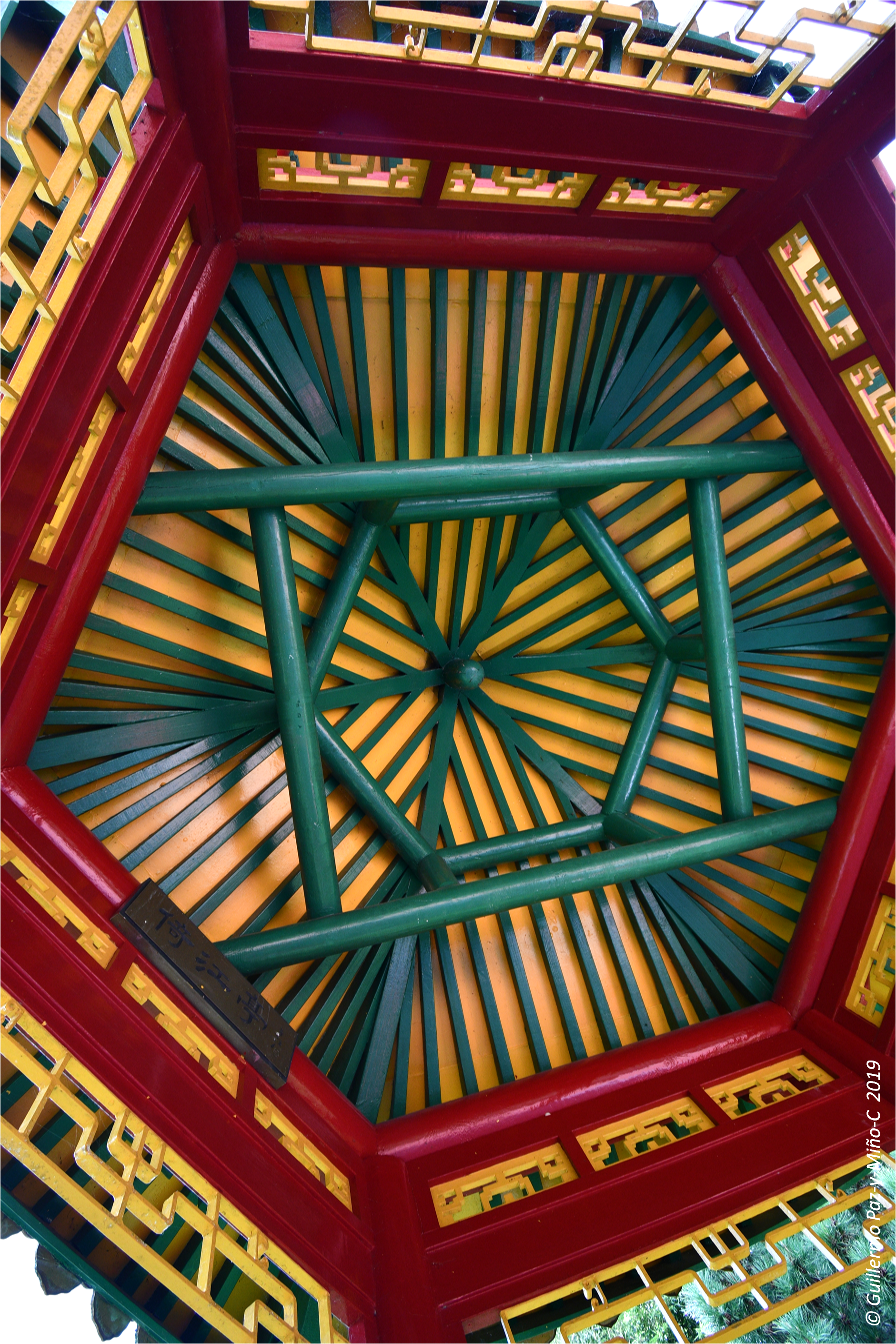
Above: Chinese Pagoda at the Hamilton Gardens

Above: How many? – Australasian gannets, a huge colony. Tasman sea

Above: The colors of New Zealand, North Island, nearby Te Rerenga [btw these are the real colors]

Above: “Dogs [that roam] Kill Our Kiwi”

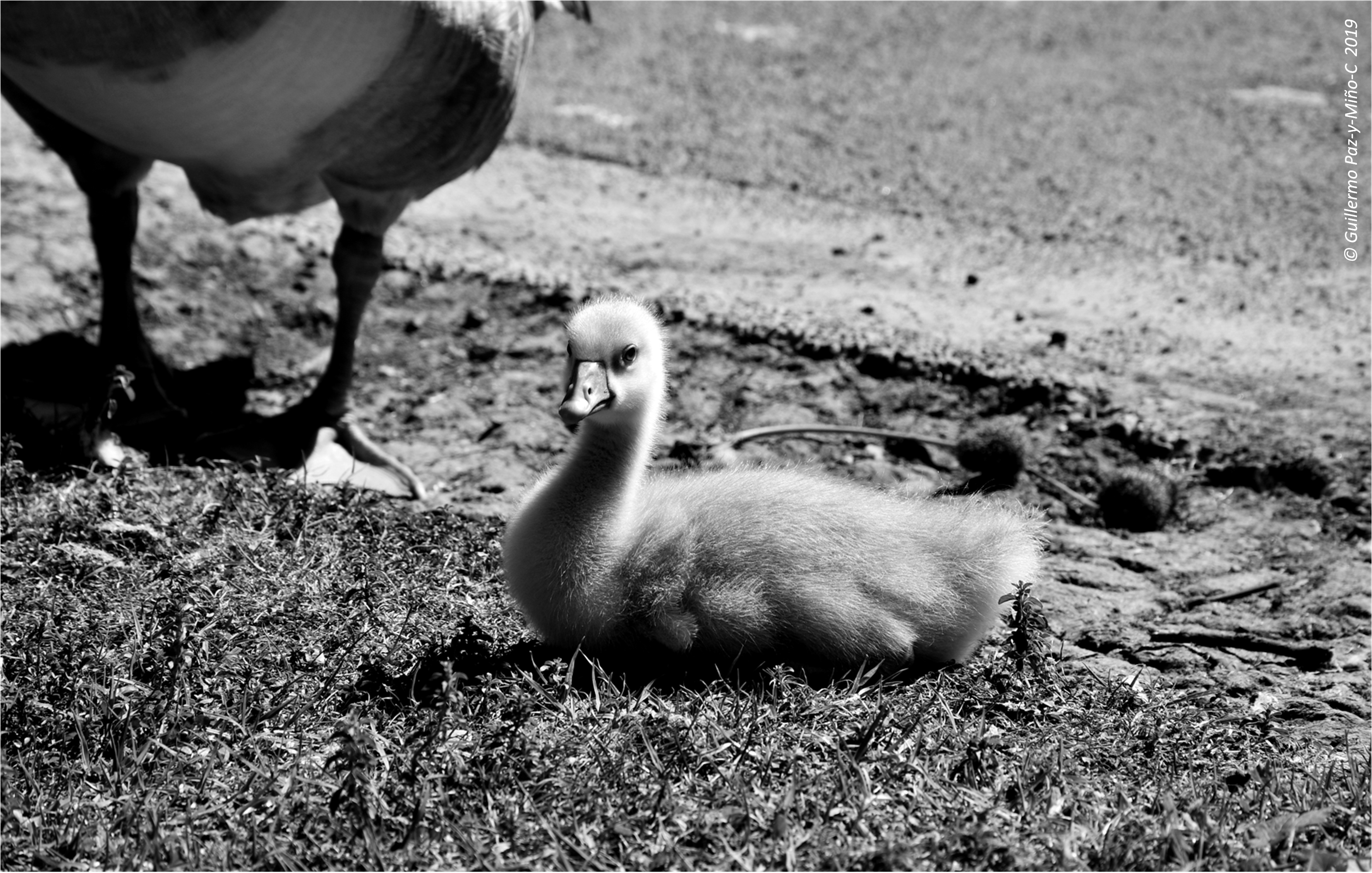
Above: How do I look, asked the gosling. Zoom in to see the gloom. Western Springs Lakeside Park, Auckland

Above: an overused dynosphere, Sky Tower, Auckland

Above: the Auckland Art Gallery

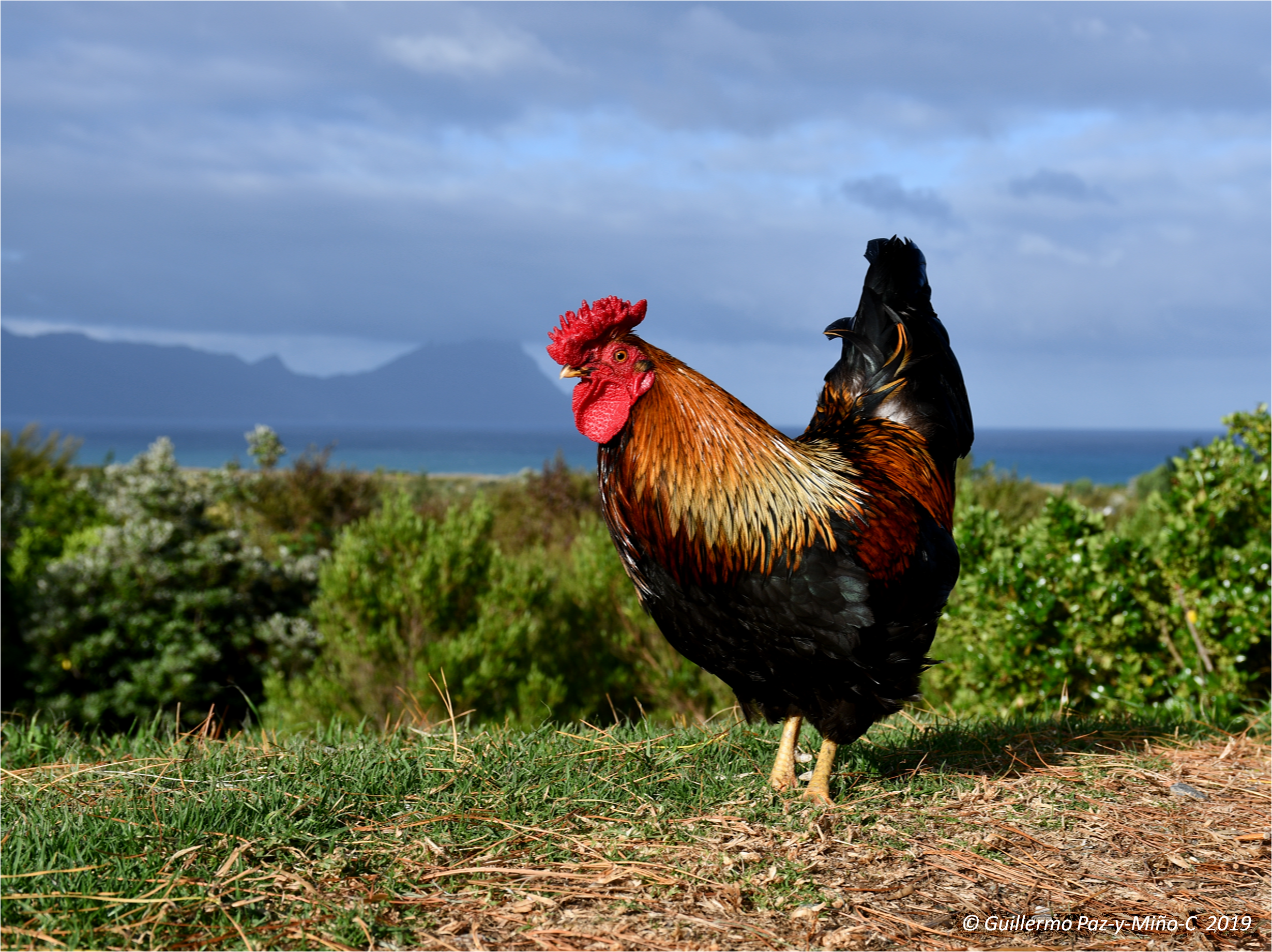
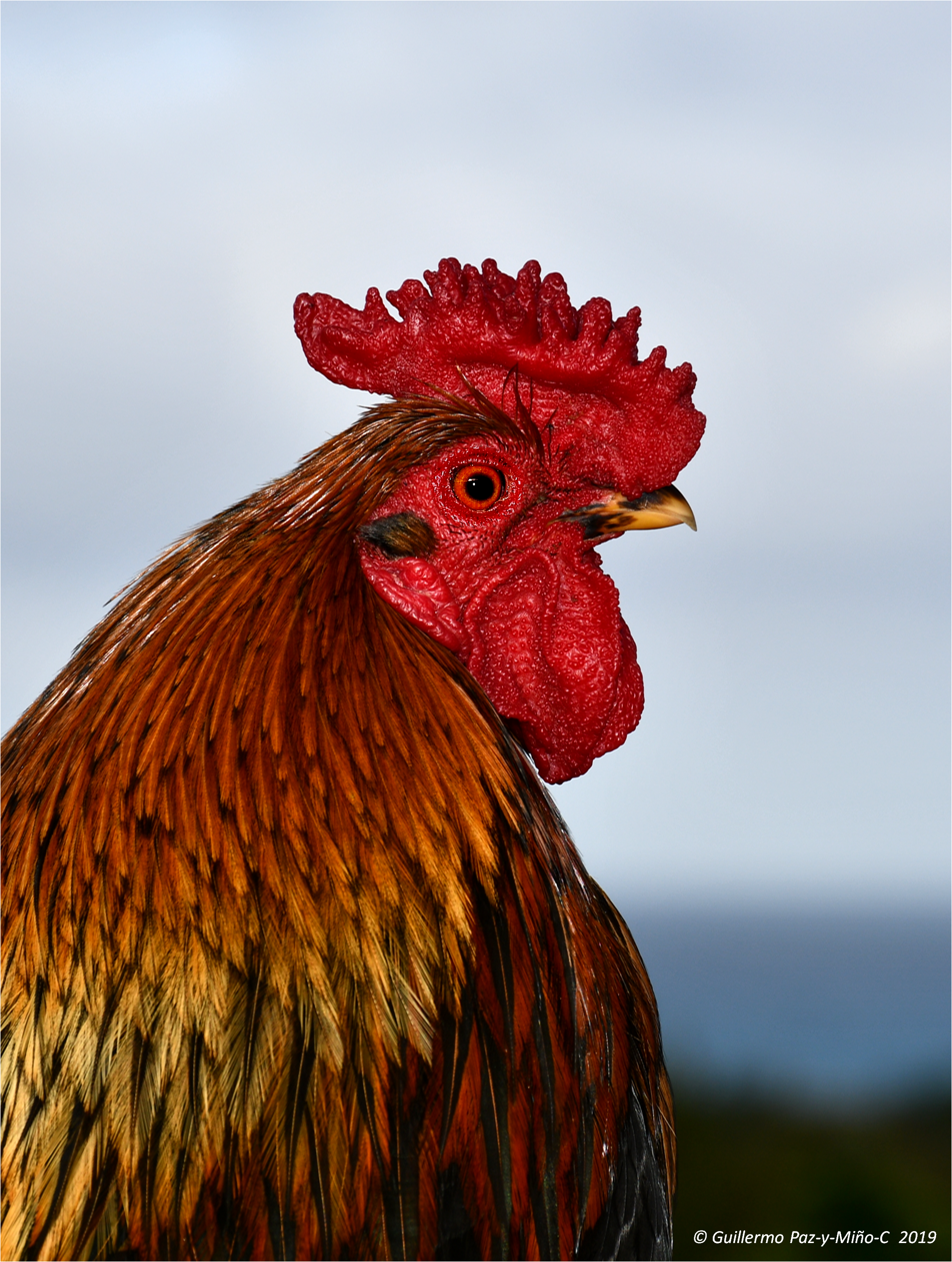
Above: we found this imposing feral rooster nearby Warkworth. We drove North and reached Waitangi, about 230 km / 143 mi (x2) from Auckland

Above: feral roosters (chickens) are quite common in all New Zealand

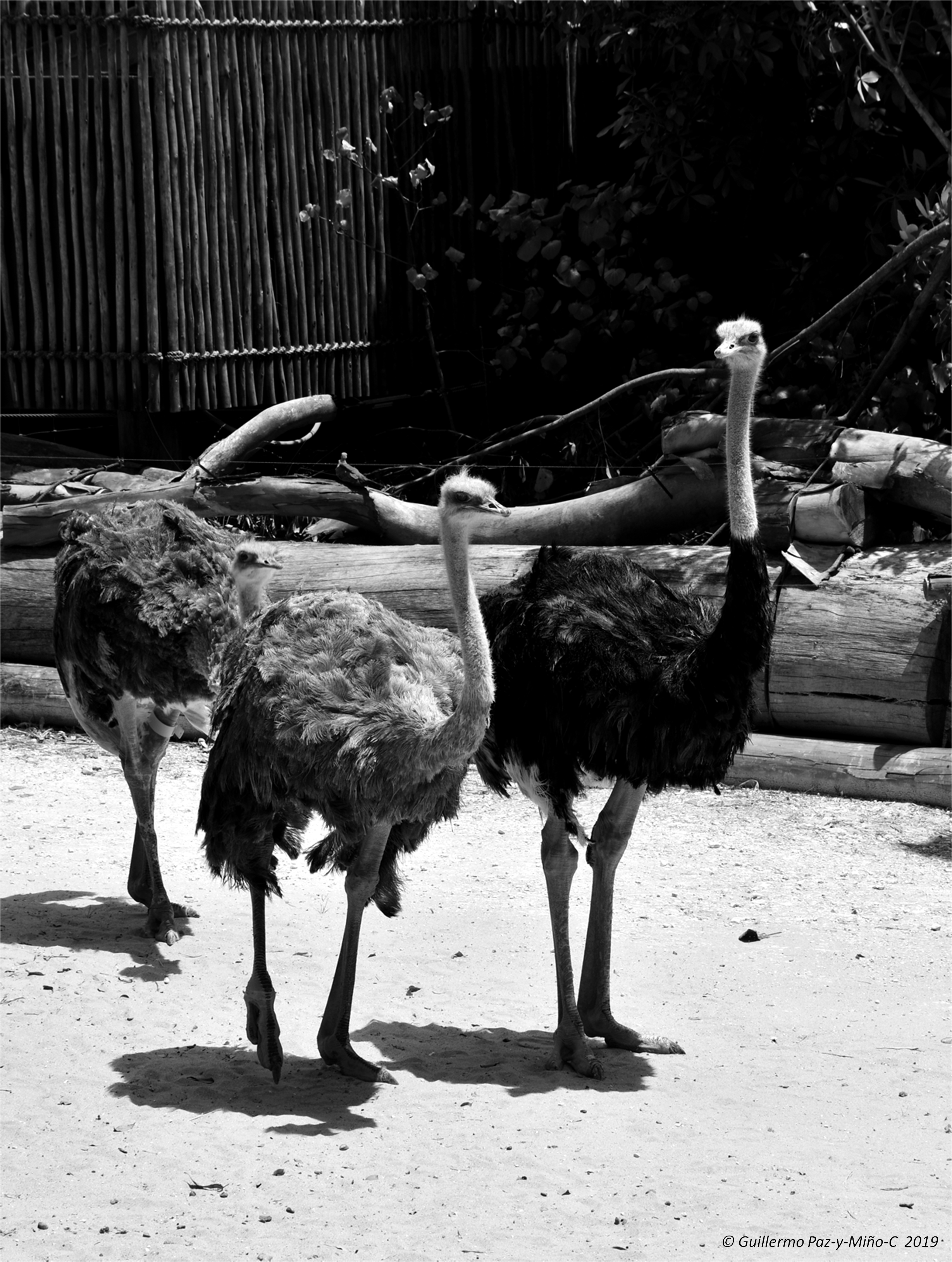
Above: some “large birds”, Auckland Zoo

Above: we got ourselves these beautiful field-notes-books and a portable guide of NZ birds and mammals illustrated by Lloyd Esler. What makes the latter special is the sketchy, yet accurate depiction of the species

Above: Hamilton Gardens, in the city of Hamilton

Above: Colony of Australasian gannets on top… one is taking off. Tasman Sea

Above: Australasian gannets flying over the Tasman Sea

Above: the General Library, University of Auckland

Above: inside the General Library, University of Auckland

Above: Zero Tolerance… posted at the entrance to the General Library, University of Auckland

Above: muddy giant tortoise, Auckland Zoo

Above: another muddy giant tortoise, Auckland Zoo

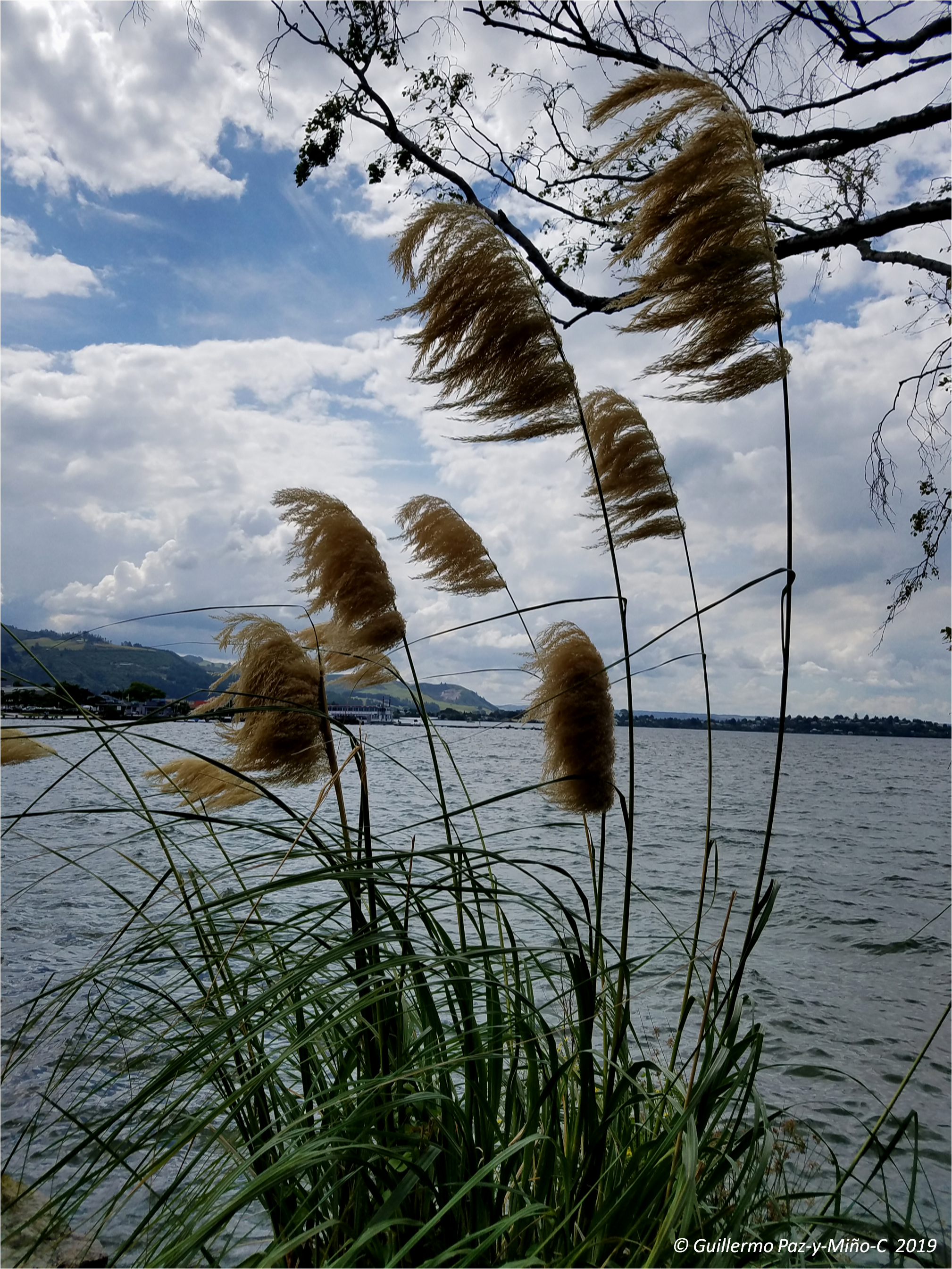
Above: The day ended at a breezy Rotorua Lake

Above: Warm afternoon… Tongariro National Park, North Island

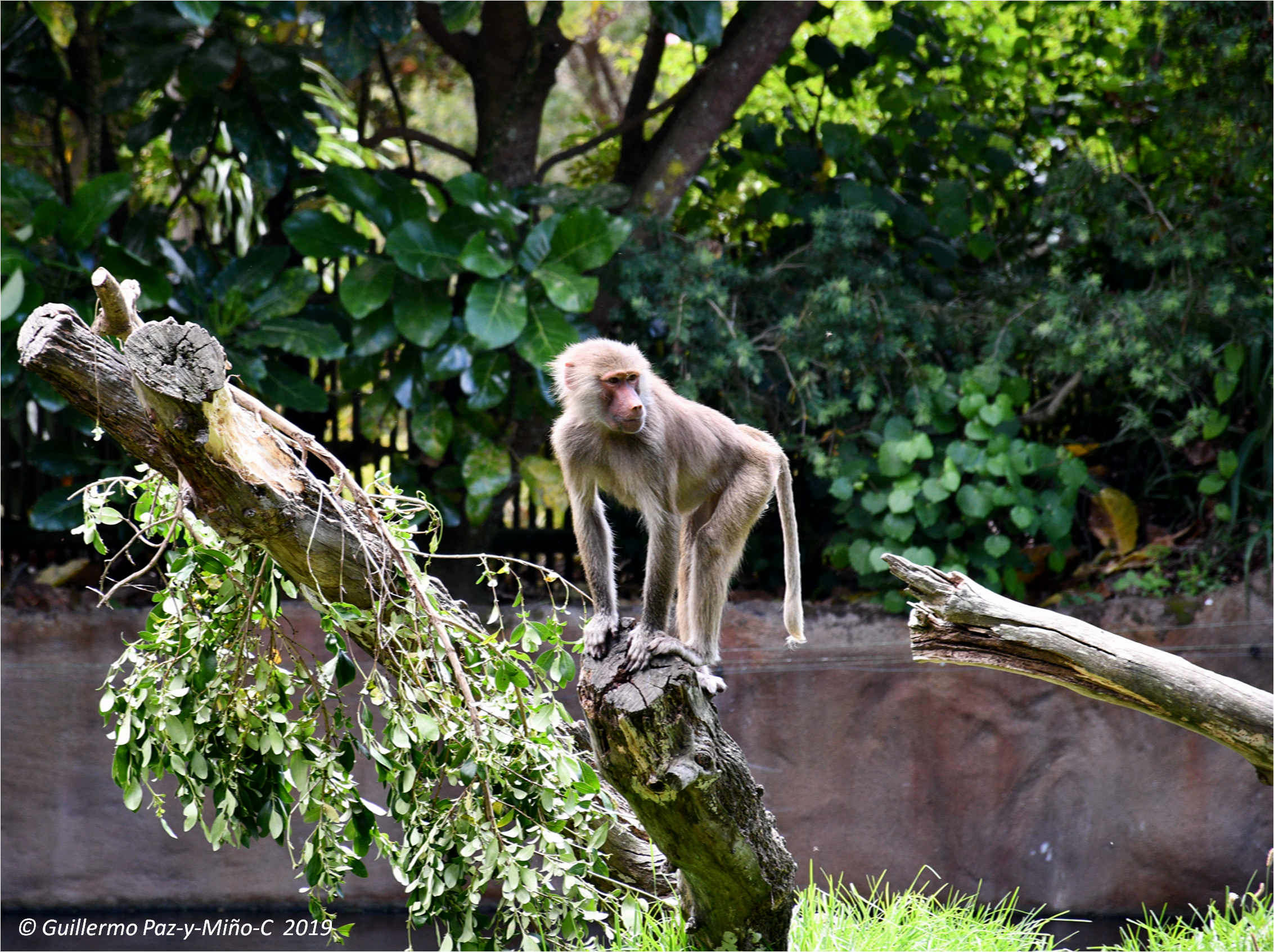
Above: Hamadryas feeding and grooming together… Auckland Zoo

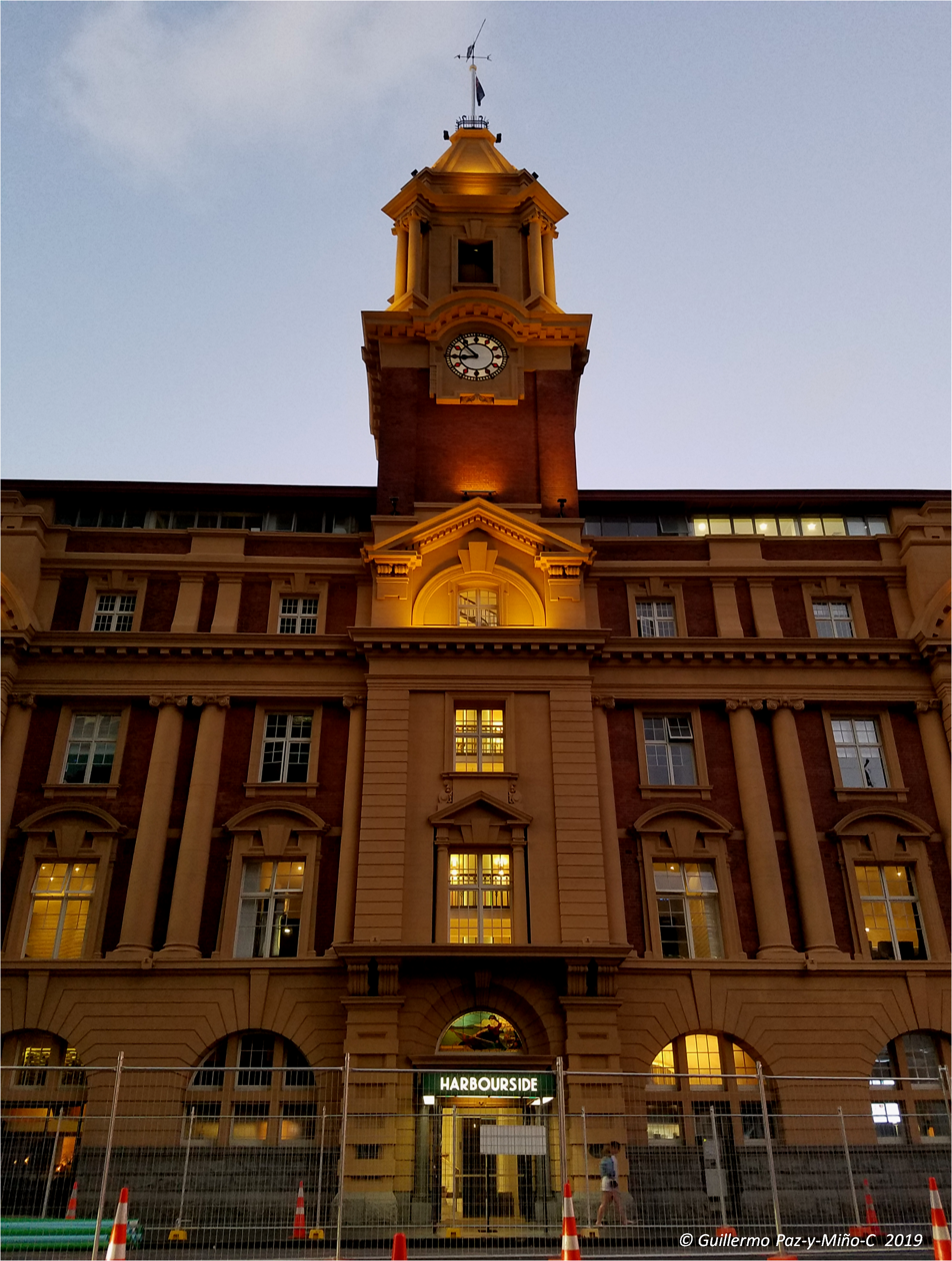
Above: the “harbor building” in Auckland is quite nice, but the street on front of it was under renovation and made it difficult to take a good shot

Above: at the Albert Park, downtown Auckland

Above: Hinana, Auckland Museum

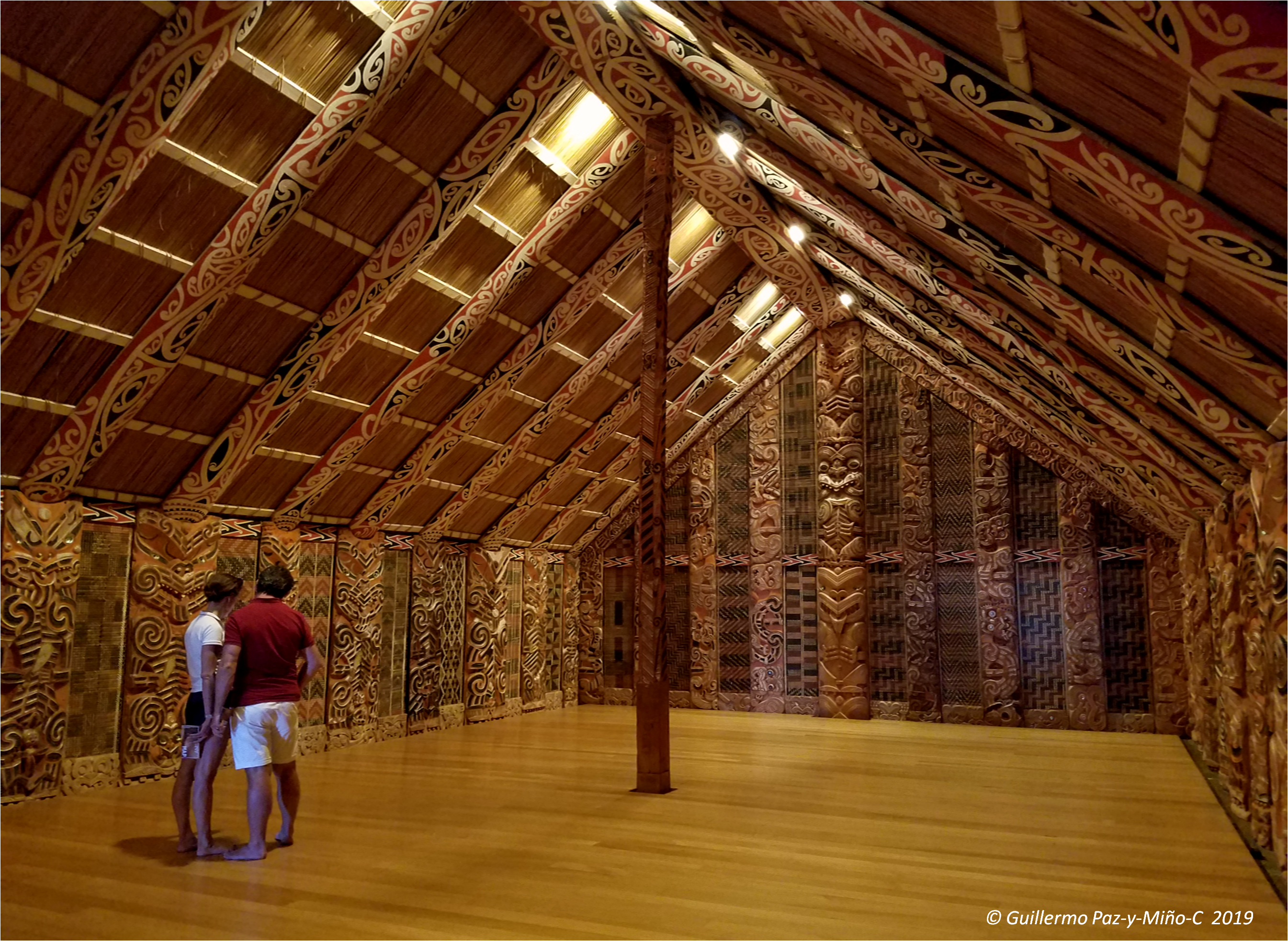
Above: Hotunui, ceremonial, saturation of beauty… Maori and Pacific Island cultures… Auckland Museum

Above: Immense landscape, Tasman Sea

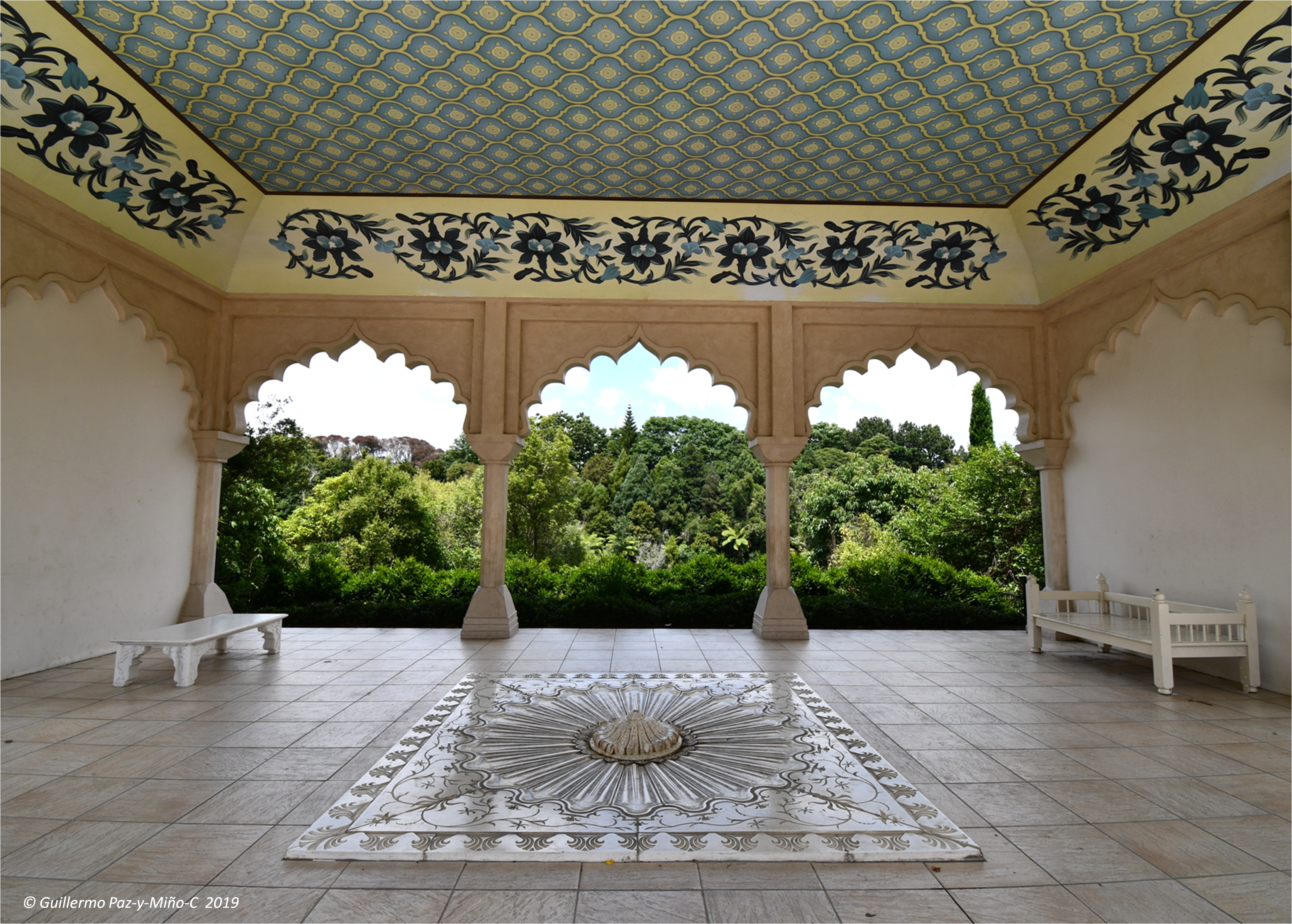
Above: Indian Char Bagh, Hamilton Gardens

Above: The Italian Renaissance Garden at the Hamilton Gardens

Above: Juvenile Hamadryas, Auckland Zoo

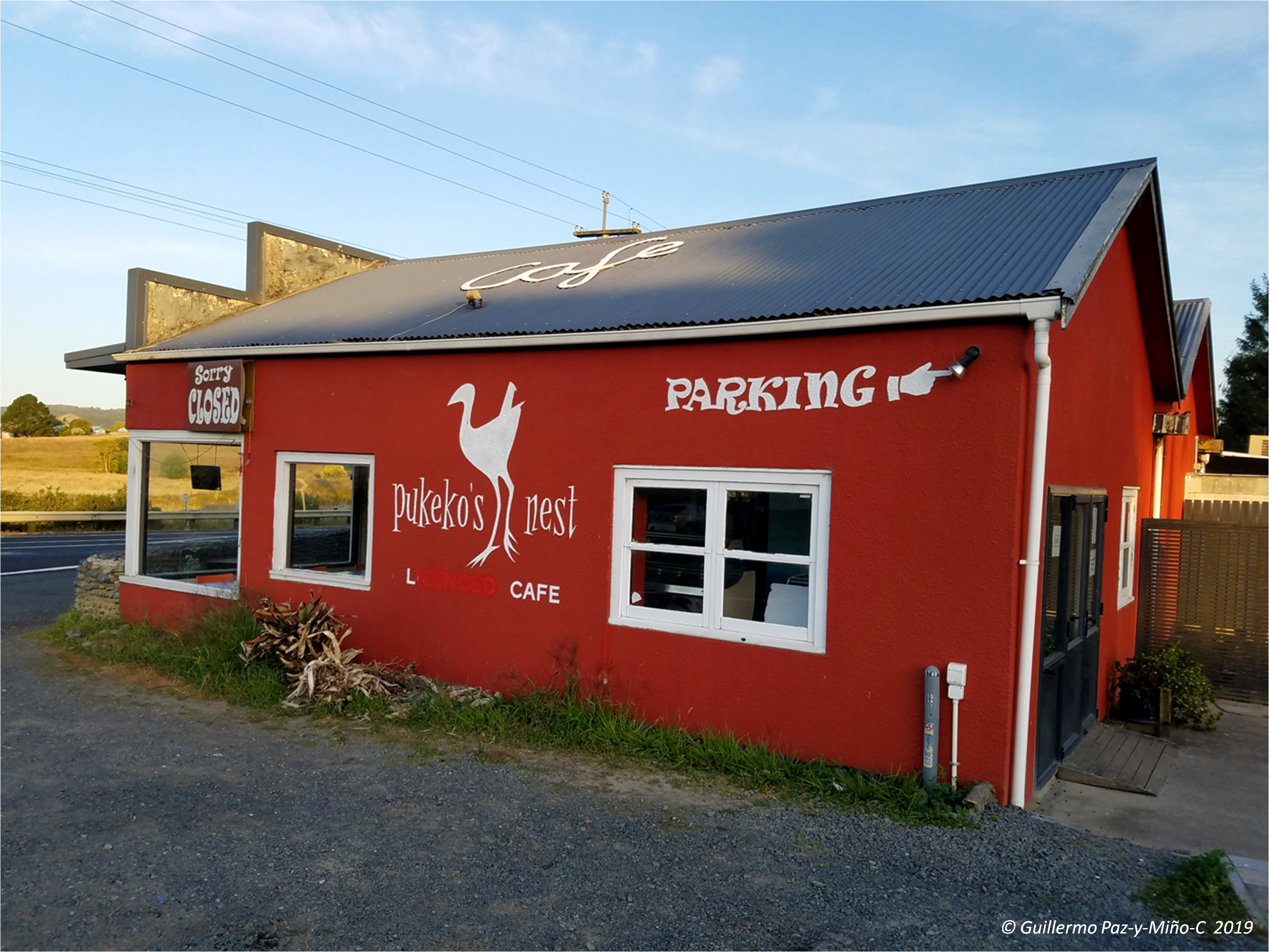
Above: Kakapo and Pukeko, street painting, Auckland

Above: Katherine Mansfield’s Coronoa typewriter, with the text of “The Garden Party” – Waikato Museum. – The typewriter is quite small, about 30-cm / 12-in wide (front view); very well preserved

Above: Kauri tree, 7-m diameter, Waipoua Forest – we drove 460 km (286 mi) to the Waipoua Kauri Forest, Northwest part of the North Island. It took us four hours (one way) from Auckland to get to the site. Our purpose was to see the gigantic Kauri trees (in the genus Agathis). We did find them. Impressive, enormous (the largest diameter 6-m / 18 ft), majestic

Above: Kauri Tree (smaller), Waipoua Forest

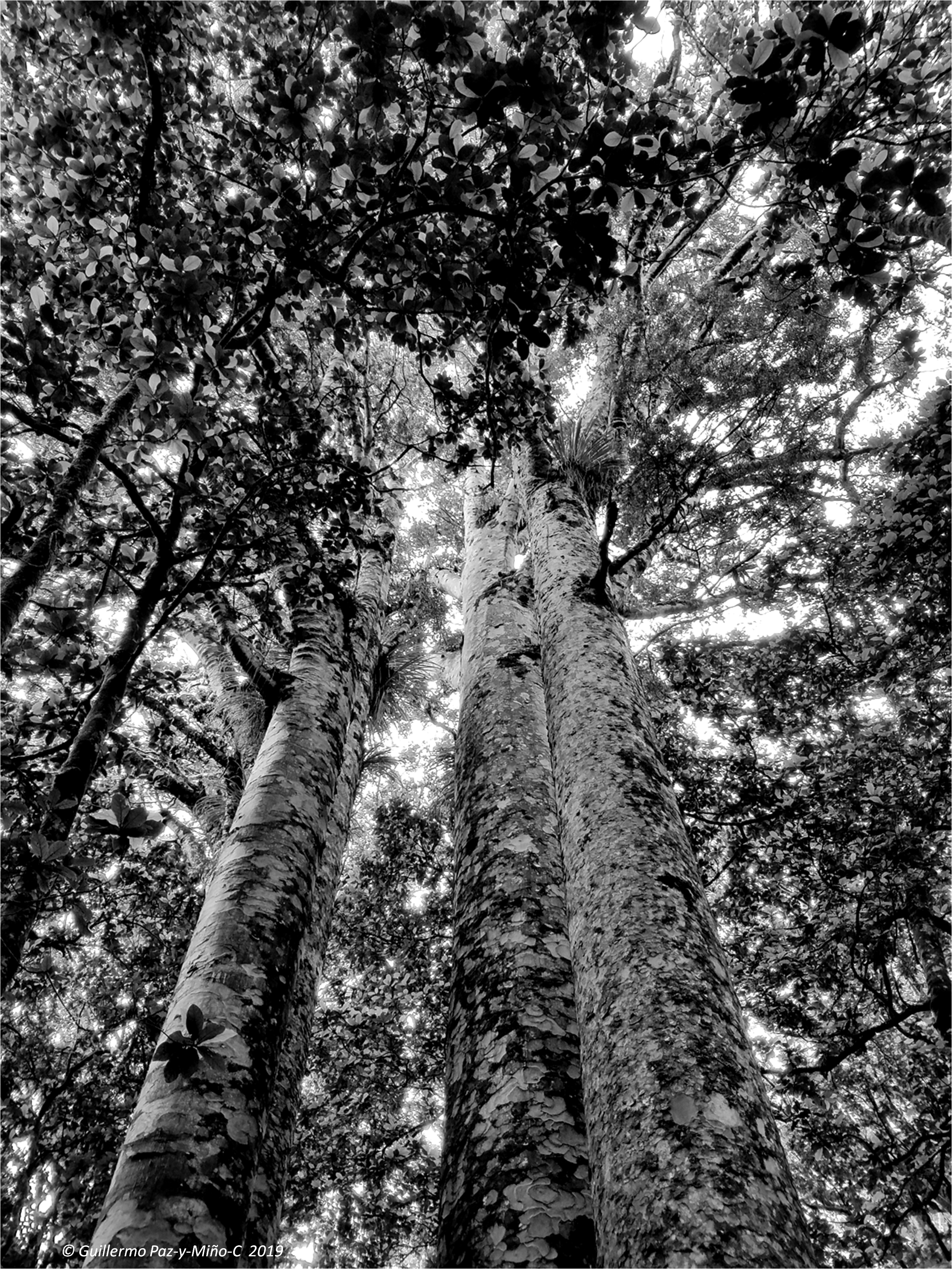
Above: Kauri trees, the “Four Sisters,” Waipoua Forest

Above: Another take of Kauri trees, the “Four Sisters,” Waipoua Forest

Above: Kawakawa, North Island

Above: Kiwi, Auckland Museum

Above: Kiwi Cross, Mount Raupehu, Tongariro


Above: we visited the town of Otorohanga (2:30 hours South of Auckland), searching for Kiwis; this is what we found

Above: Lake Taupo, Tongariro National Park

Above: Male Hamadryas, Auckland Zoo

Above: At the Mansfield Garden, Hamilton Gardens – antique and antique colors

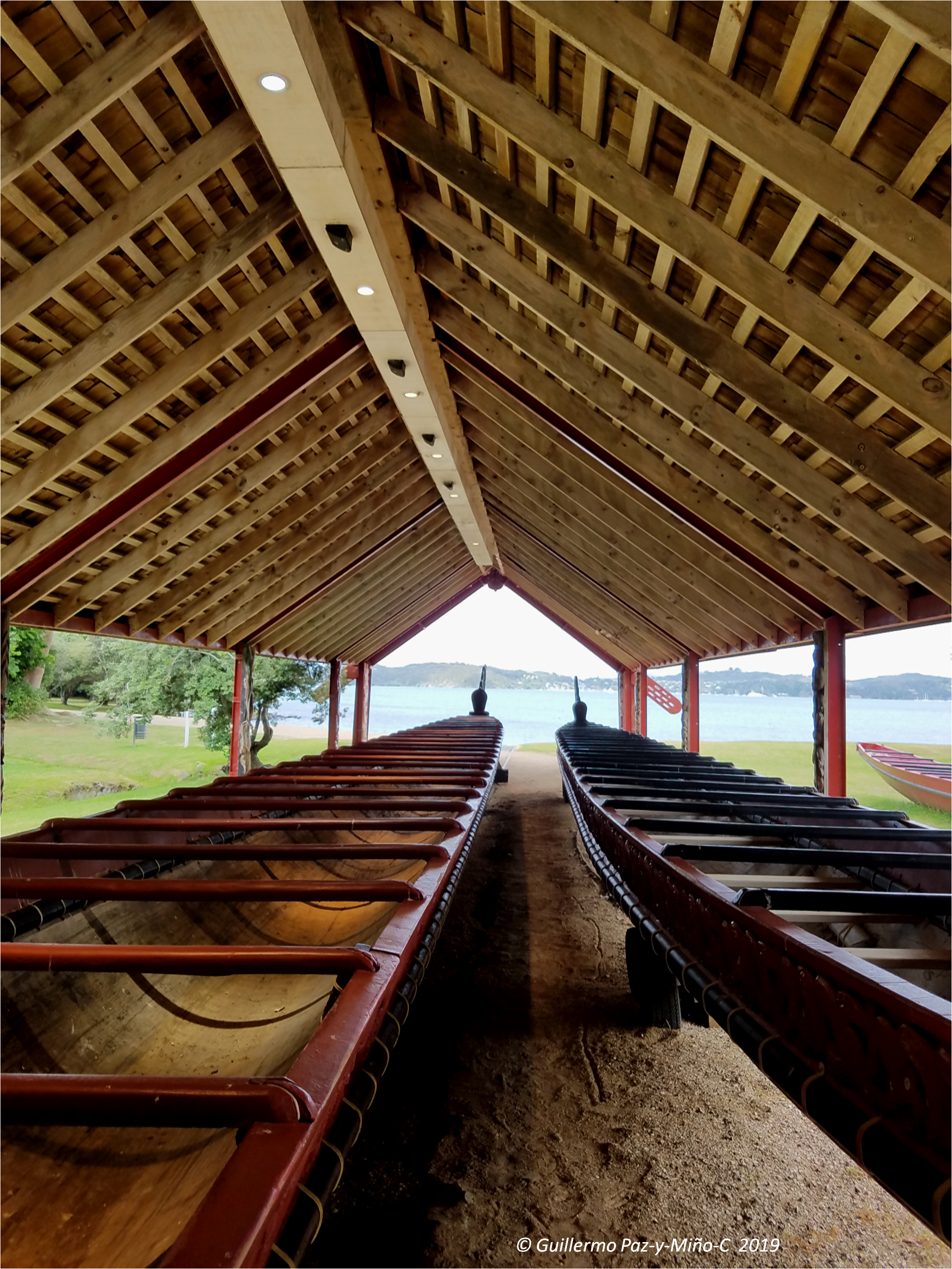
Above: Maori Warriors’ Canoes; the one on the left is for 100 people – Waitangi Treaty Grounds & Museum

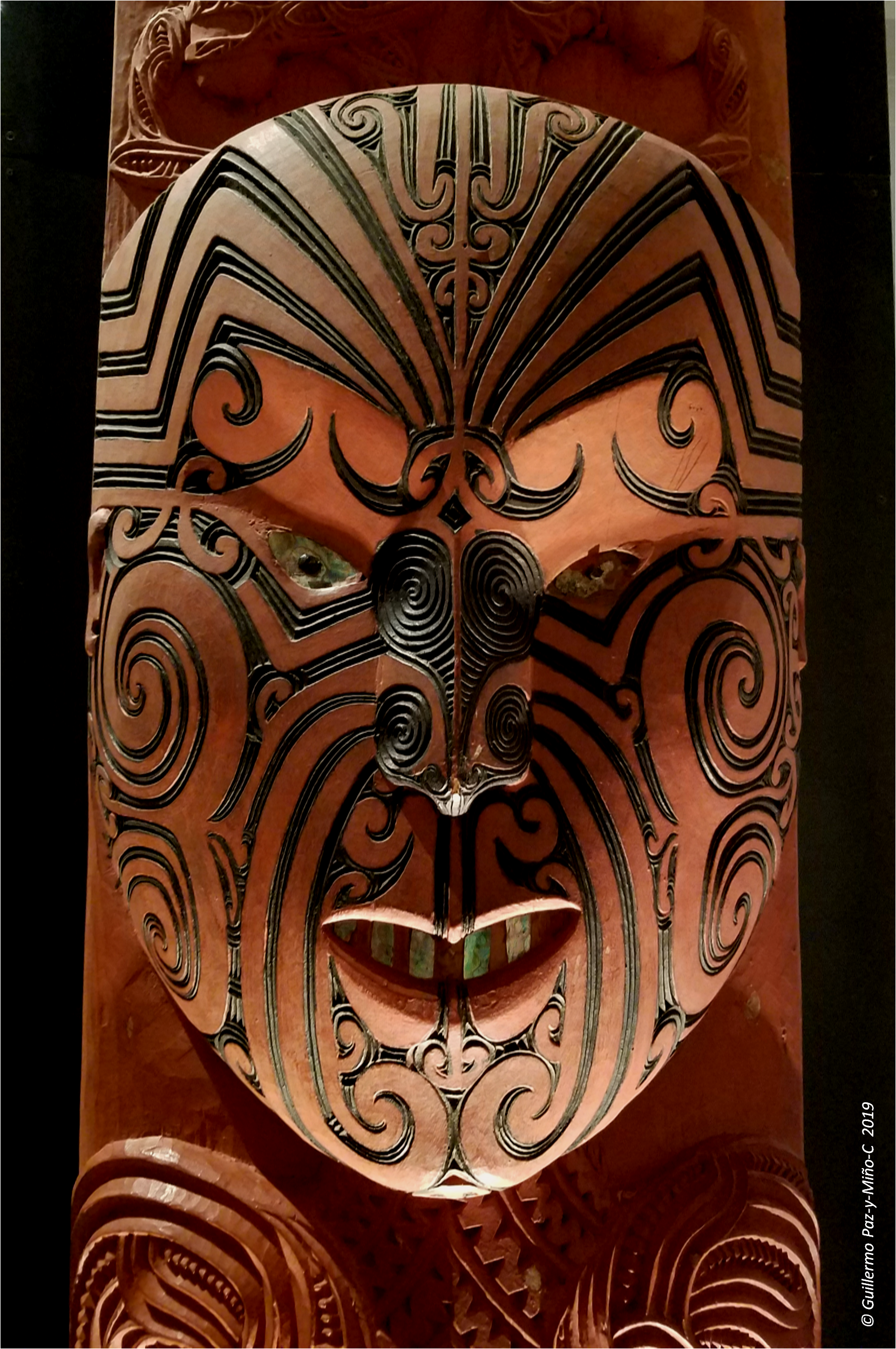
Above: Maori carving, Rotorua Gyser Museum

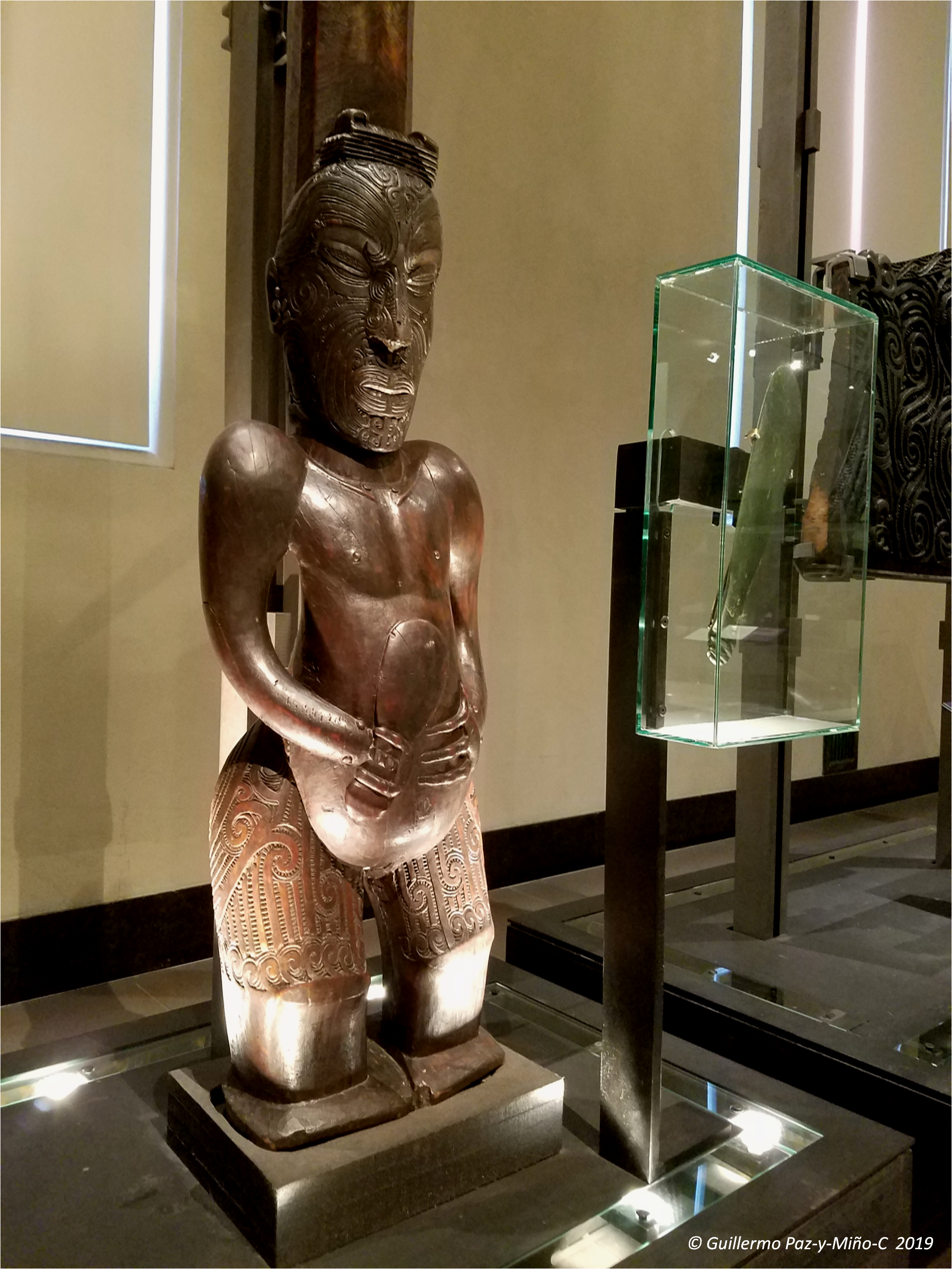
Above: Maori statue, Auckland Museum

Above: Maori statue, Auckland Museum

Above: this Masked Lapwing was simply hanging around at the Otorohanga Kiwi House, looking for free meals

Above: Modern Auckland; one of its metro stations (Britomart). Lots of colors

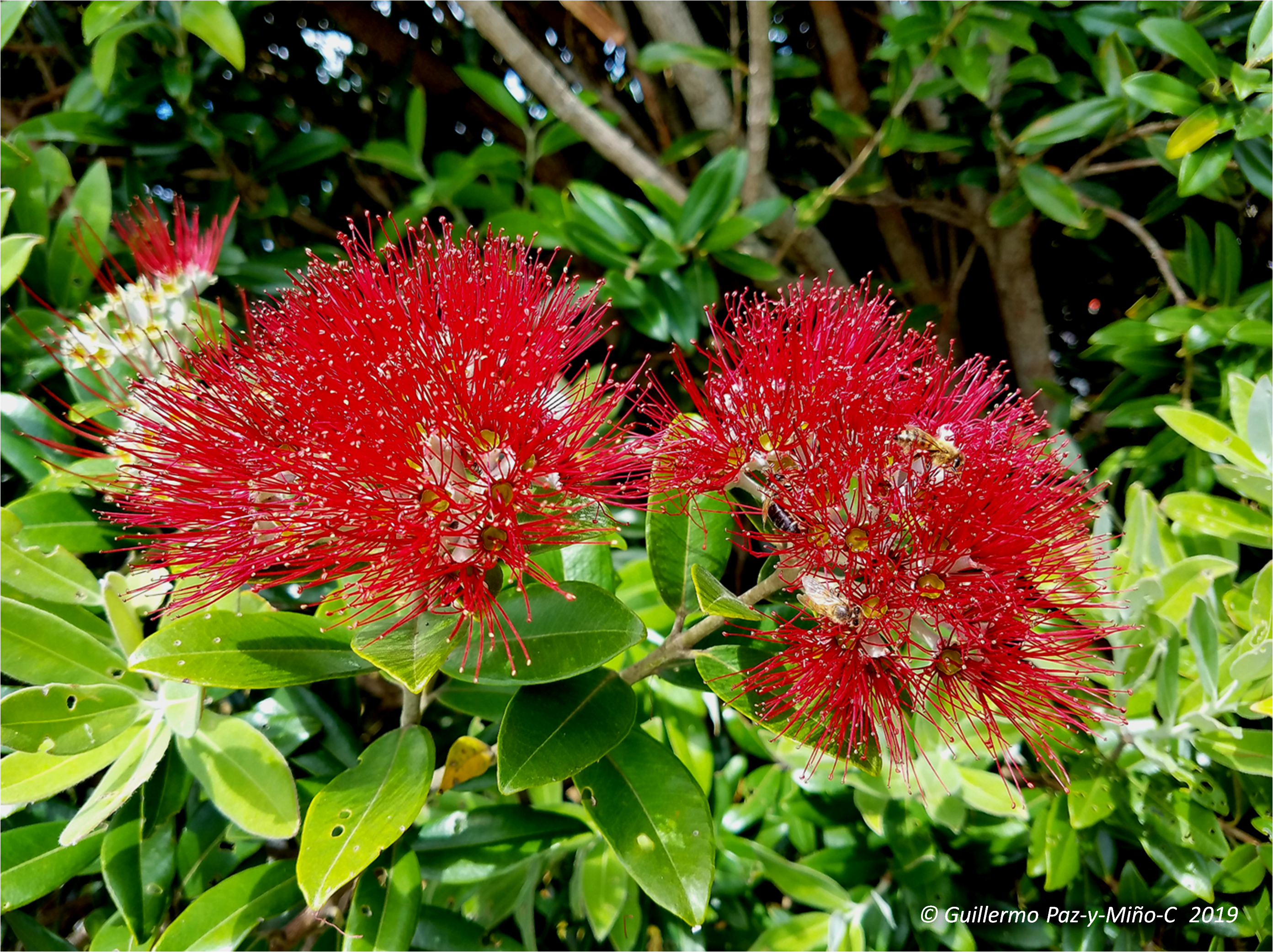
Above: we spotted this “New Zealand Christmas Tree” (quite common btw). It belongs to the genus Metrosideros. – Can you spot the bees? How many?

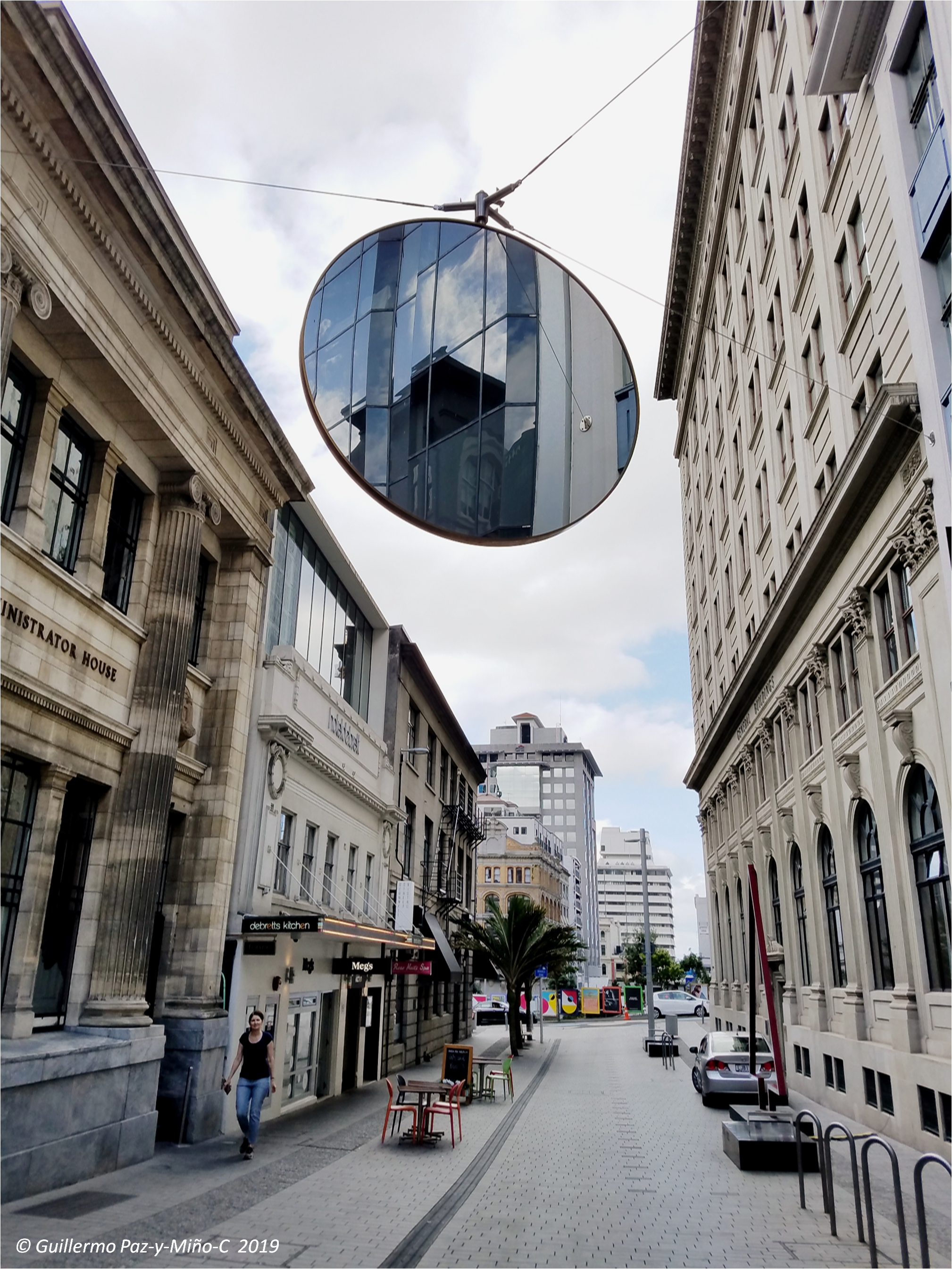
Above: a giant mirror, “Light Weight O” by Catherine Griffiths (2018), reflecting O’Connell Street in Auckland

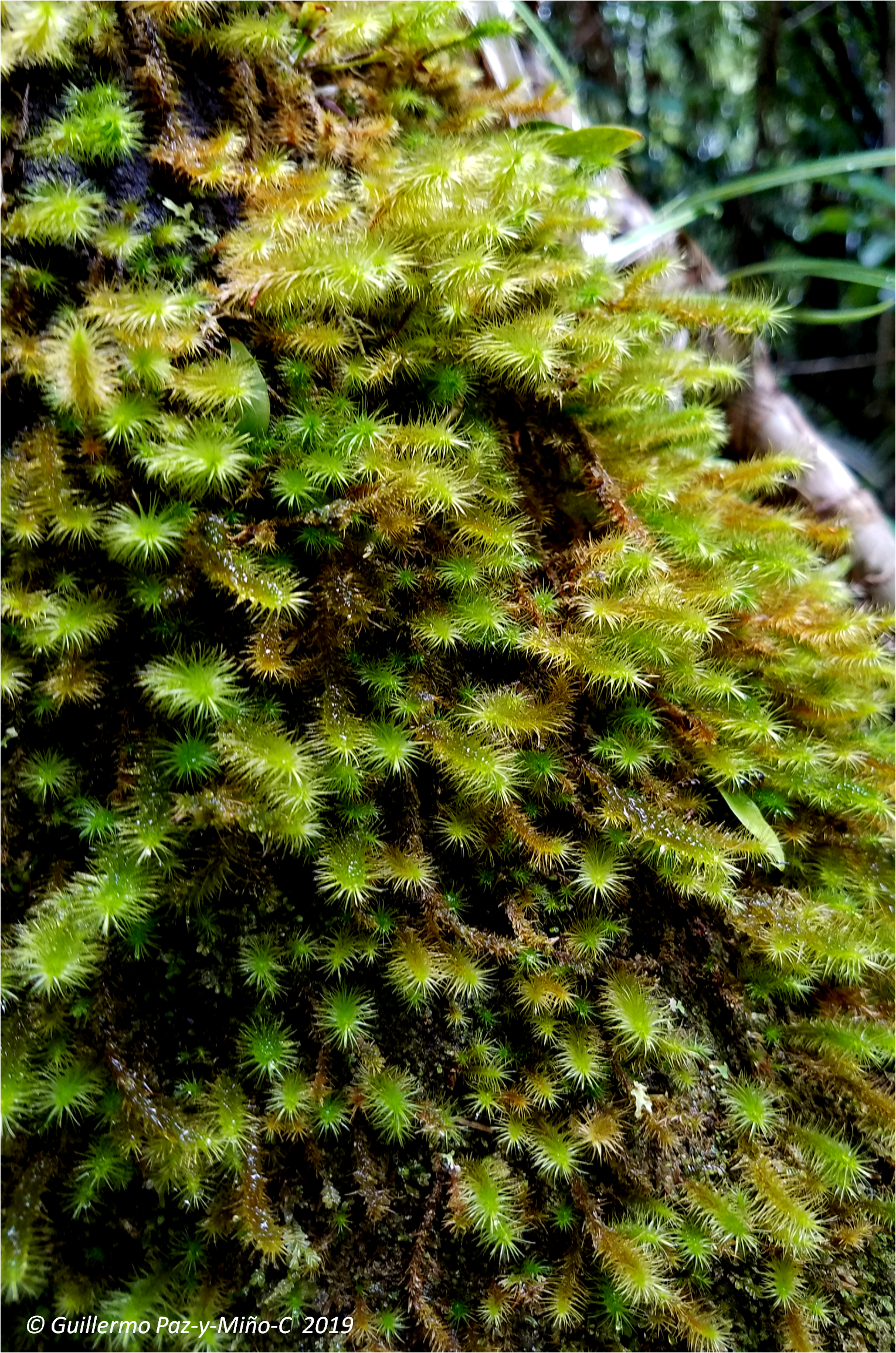
Above: Moss, Waipoua Kauri Forest

Above: a center-view of the Mount Eden crater, Auckland

Above: a side-view of the Mount Eden crater, Auckland

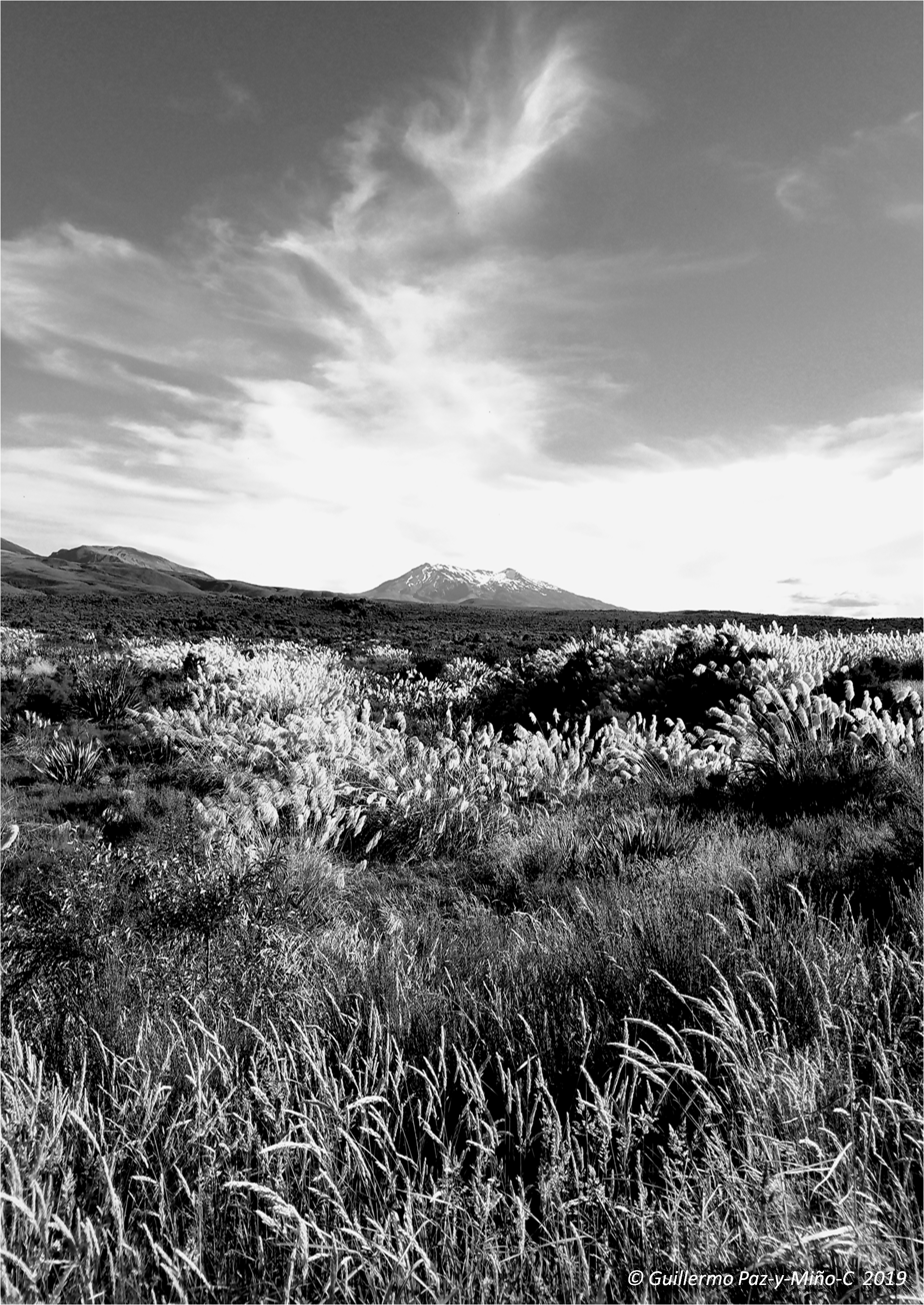
Above: Mount Ngauruhoe Tongariro National Park

Above: Mount Raupehu, Tongariro National Park

Above: mud pool at the moment of boiling; spot the drop – Te Puia

Above: Nga Pou or Rangitihi, Auckland Museum – the Maori Court Central is impressive; the collection of artifacts, spectacular

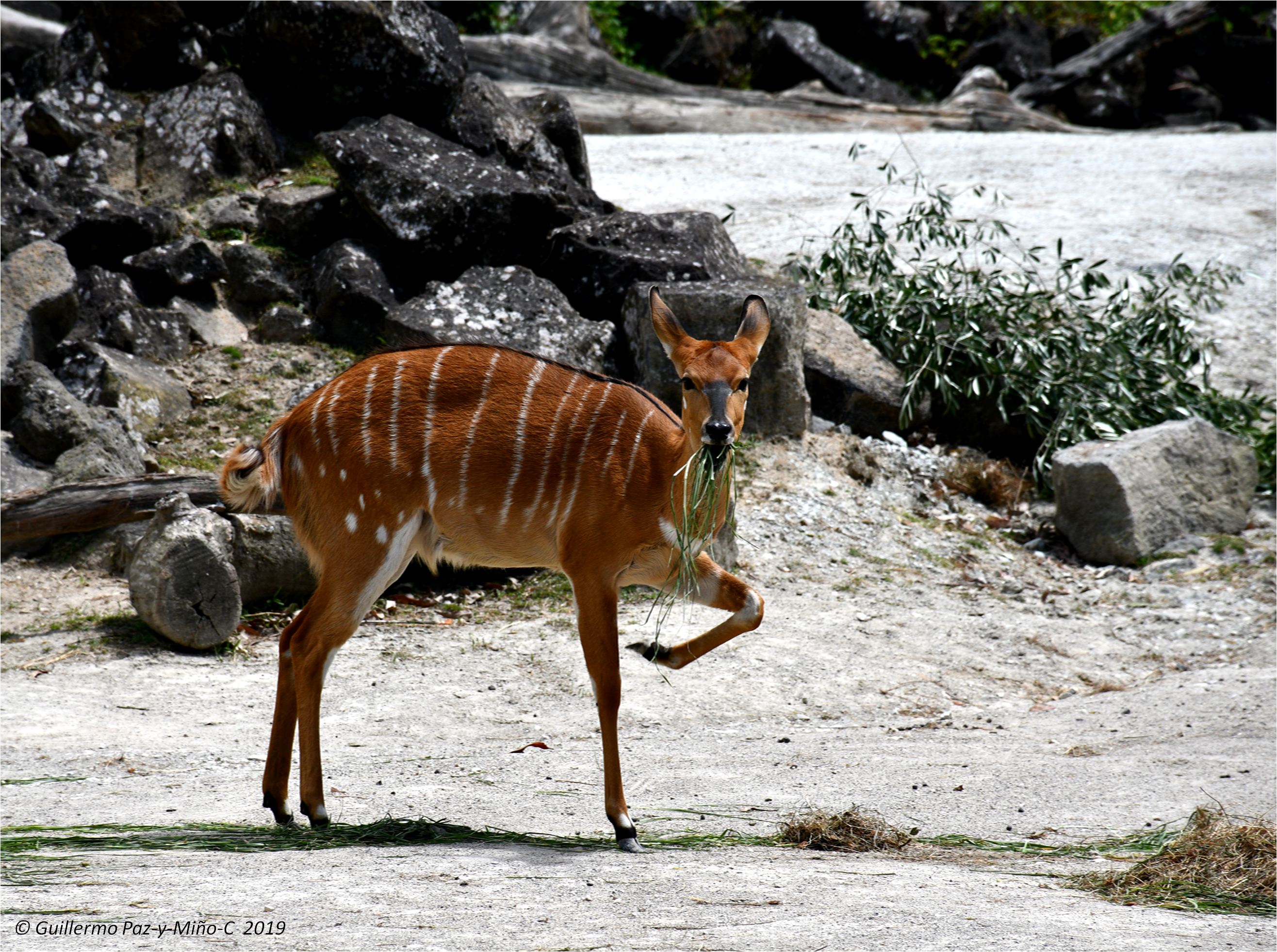
Above: Nyala eating with style, Auckland Zoo

Above: After trying to photograph the Tuatara (image at the beginning of post) under challenging conditions, we felt the presence of the New Zealand Pigeon from above. It was a wet-yet-semi solid sensation; honorable, since it came from an endemic bird, unique to the Continent of Zelandia. The Pigeon is the size of a hen, imagine the rest

Above: this flat image looks like a painting, but it is not. It corresponds to the endemic and endangered New Zealand Pigeon (quite big, up to 20 in / 50 cm). We found it at the Otorohanga Kiwi House

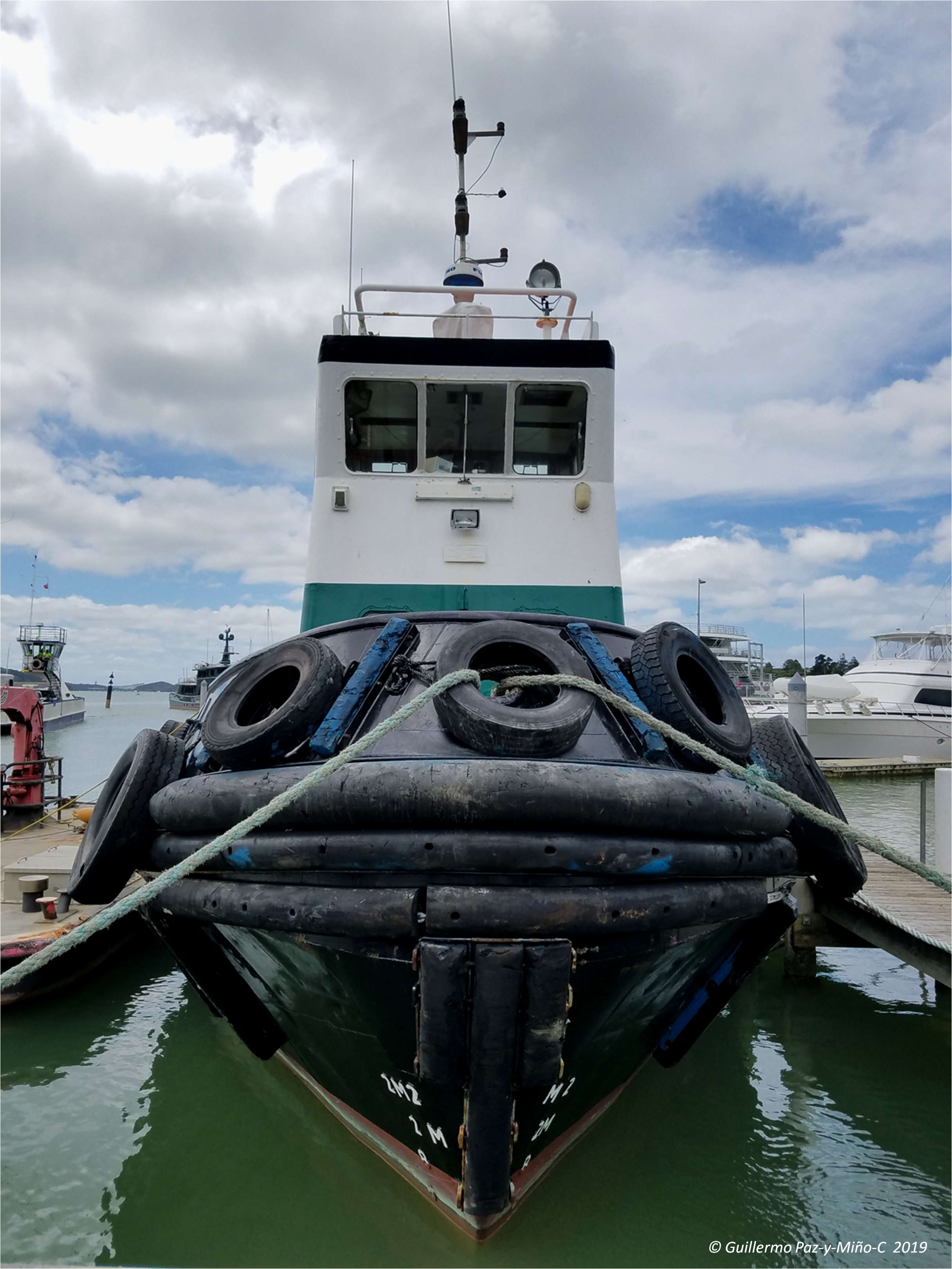
Above: a cute boat at Opua North Island


Above: another panoramic of the Auckland Museum [its actual name is Auckland War Memorial Museum, but the exhibits are not restricted to war or related memories; in fact, the most impressive aspect of the museum is its collection of Maori and Pacific artifacts, spectacular]

Above: We found these pheasants (M/F) foraging nearby the town of Taupō, North Island, New Zealand [introduced species, of course] – suboptimal to get a shot; they were moving; coming in and out of the bushes; close, but not together to get a single photo; alert, but mostly ignoring us; the male did his usual singing and wing flapping… nature continued

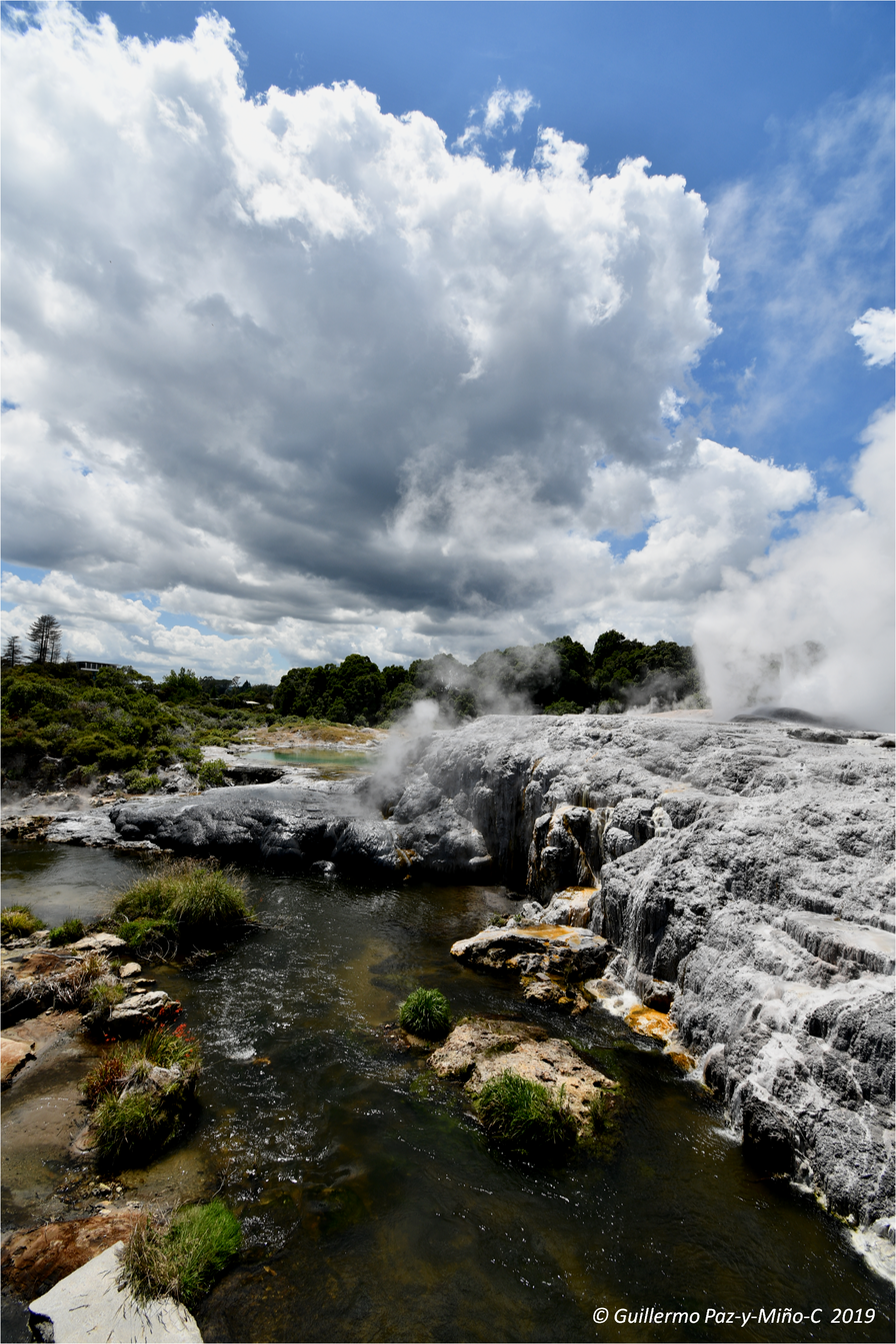
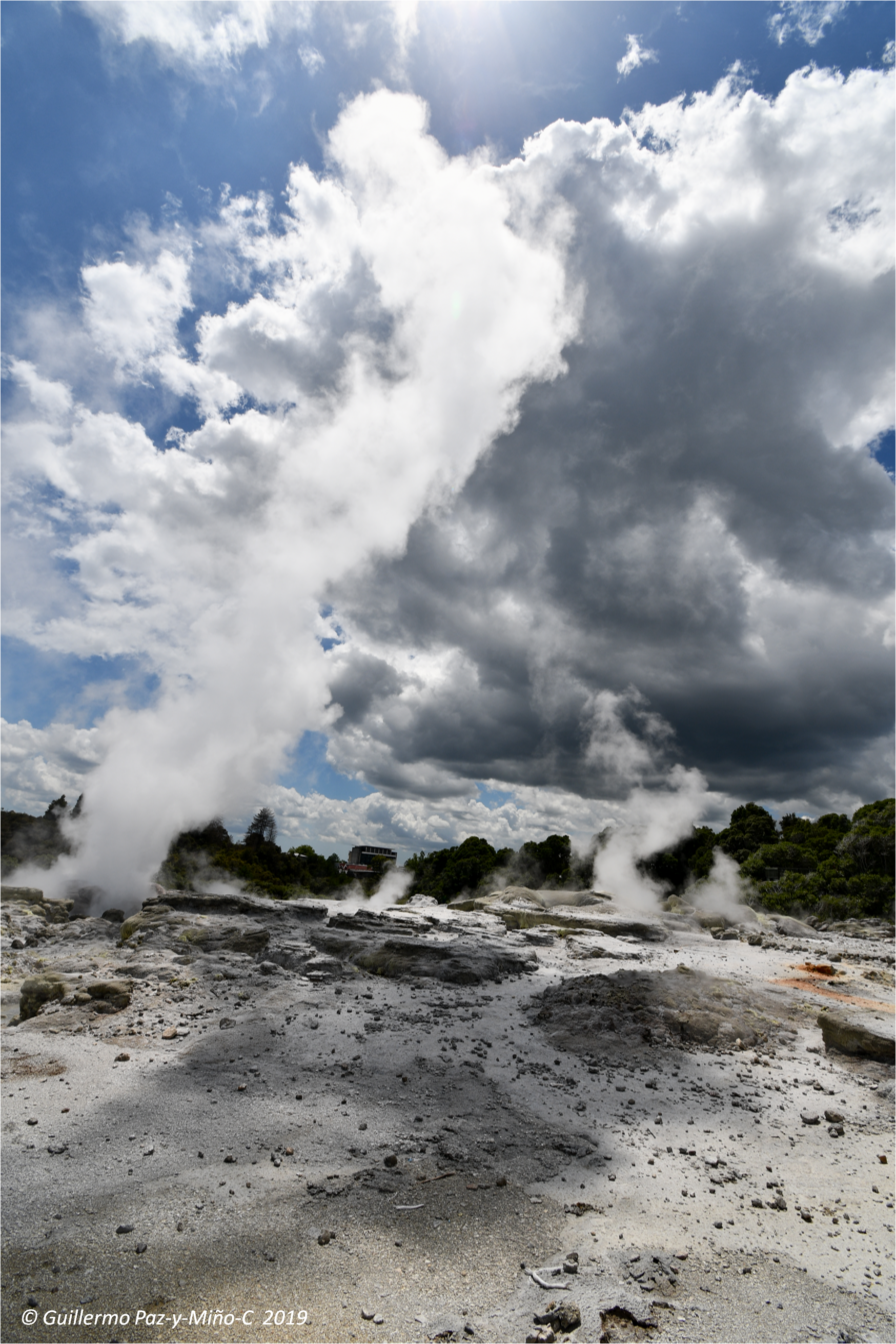
Above: The Pōhutu geyser in Te Puia, New Zealand – It erupts about 30-m (once-twice per hour)

Above: another view of Pohutu geyser, Te Puia

Above:  Pukeko series, Western Springs Lakeside Park, Auckland

Above: Pukeko posing – Pukeko series, Western Springs Lakeside Park, Auckland

Above: …and another Pukeko – Pukeko series, Western Springs Lakeside Park, Auckland

Above: Purple Flower Tree, Waikato

Above: Quiet, pretending to not be seen – Western Springs Lakeside Park, Auckland

Above: Rhino and Nyala at the Auckland Zoo

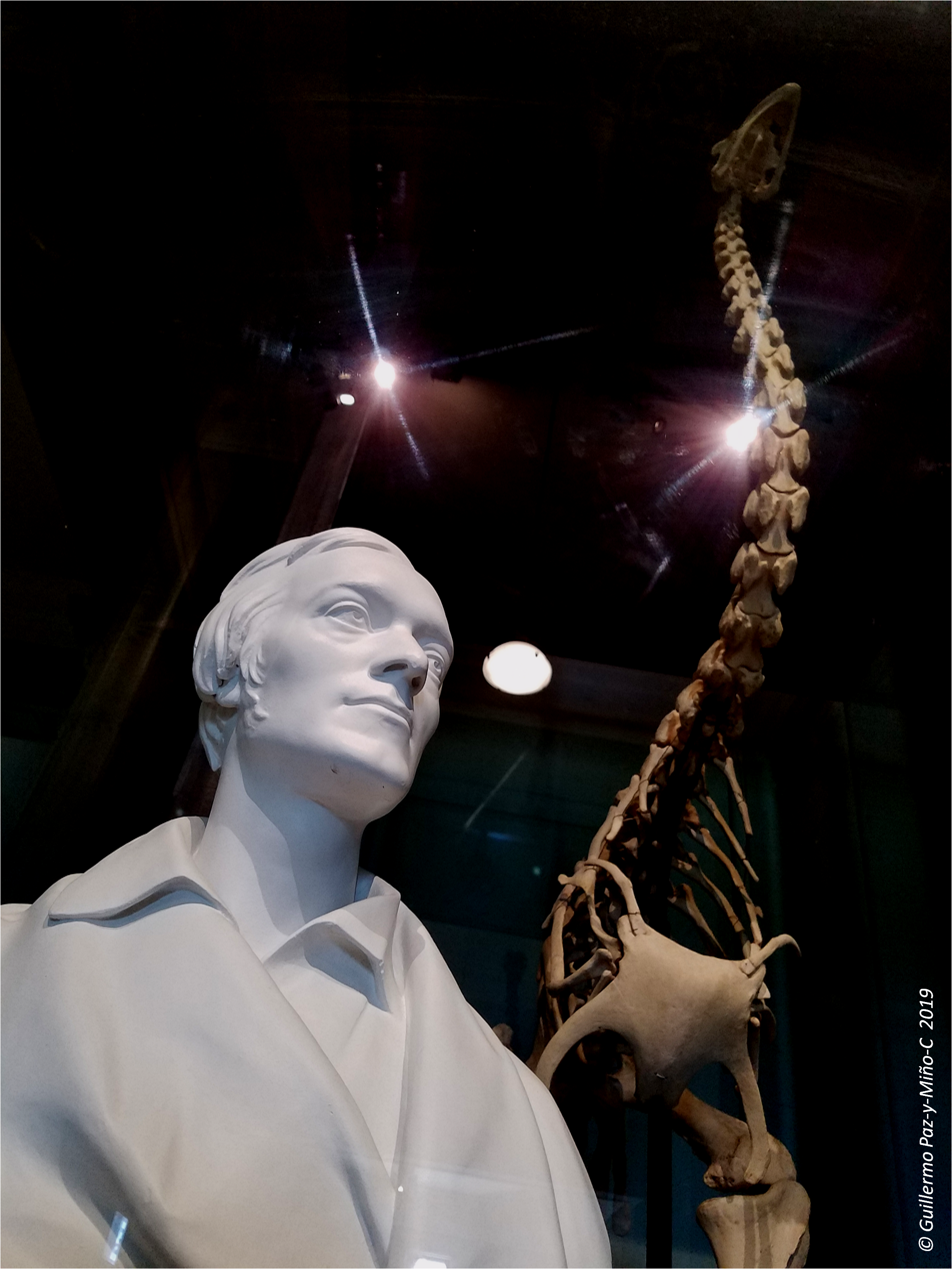
Above:  Richard Owen and Moa skeleton at the Auckland Museum

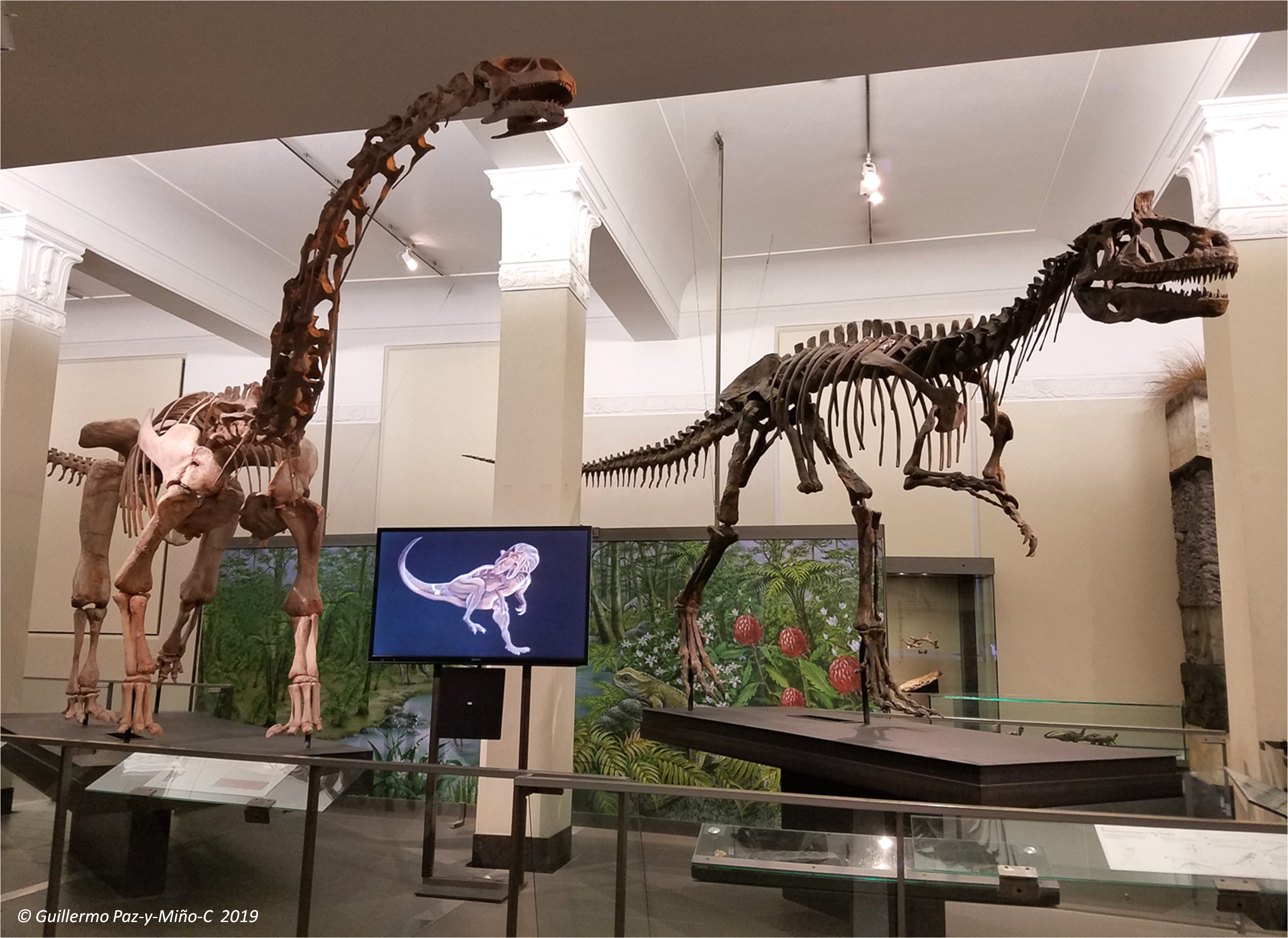
Above: Sauropod and Theropod dinosaurs at the Auckland Museum

Above: “Rock Drop” by Judy Millard at the Auckland Art Gallery. Immense, yet beautiful. – The AAG is a world class building with a large collection of paintings and sculptures, particularly modern art, Kiwi style

Above: The colorful Rotorua Museum

Above: Sky Tower, downtown Auckland

Above: downtown / harbor Auckland

Above: more of the downtown, Auckland, 10 PM

Above: Southern Black-backed Gull, Auckland harbor

Above: Summit of Mount Victoria, Auckland

Above: it took us five days to find the right restaurant, Tanpopo Ramen, downtown Auckland – complex flavors in simple noodle soups, mixed with vegetables, some pork, seaweeds, ginger, soy sauce, and even corn. Finally, after some intense searching

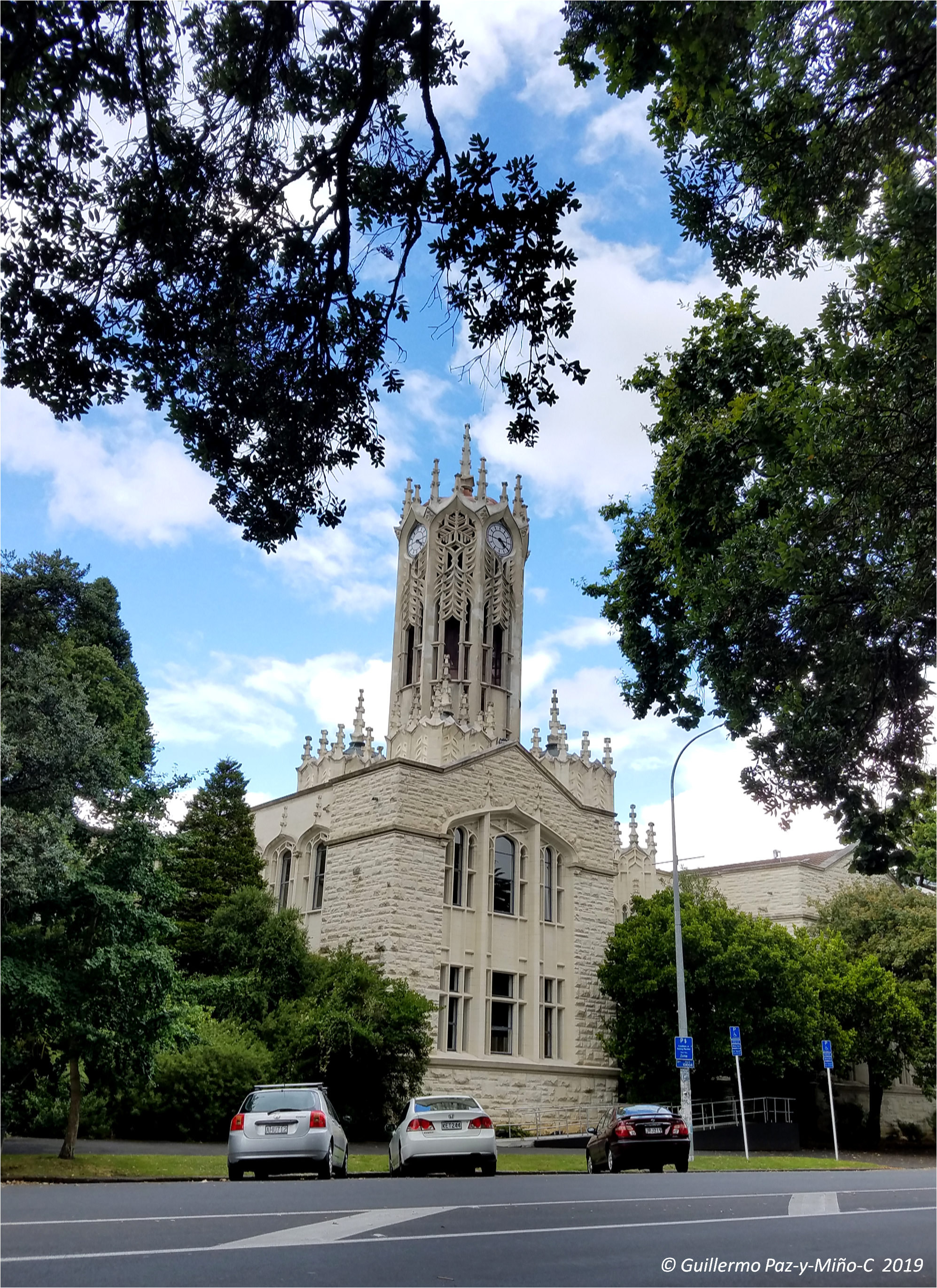
Above: the iconic Clock Tower at the University of Auckland

Above: “take two” of the iconic Clock Tower at the University of Auckland

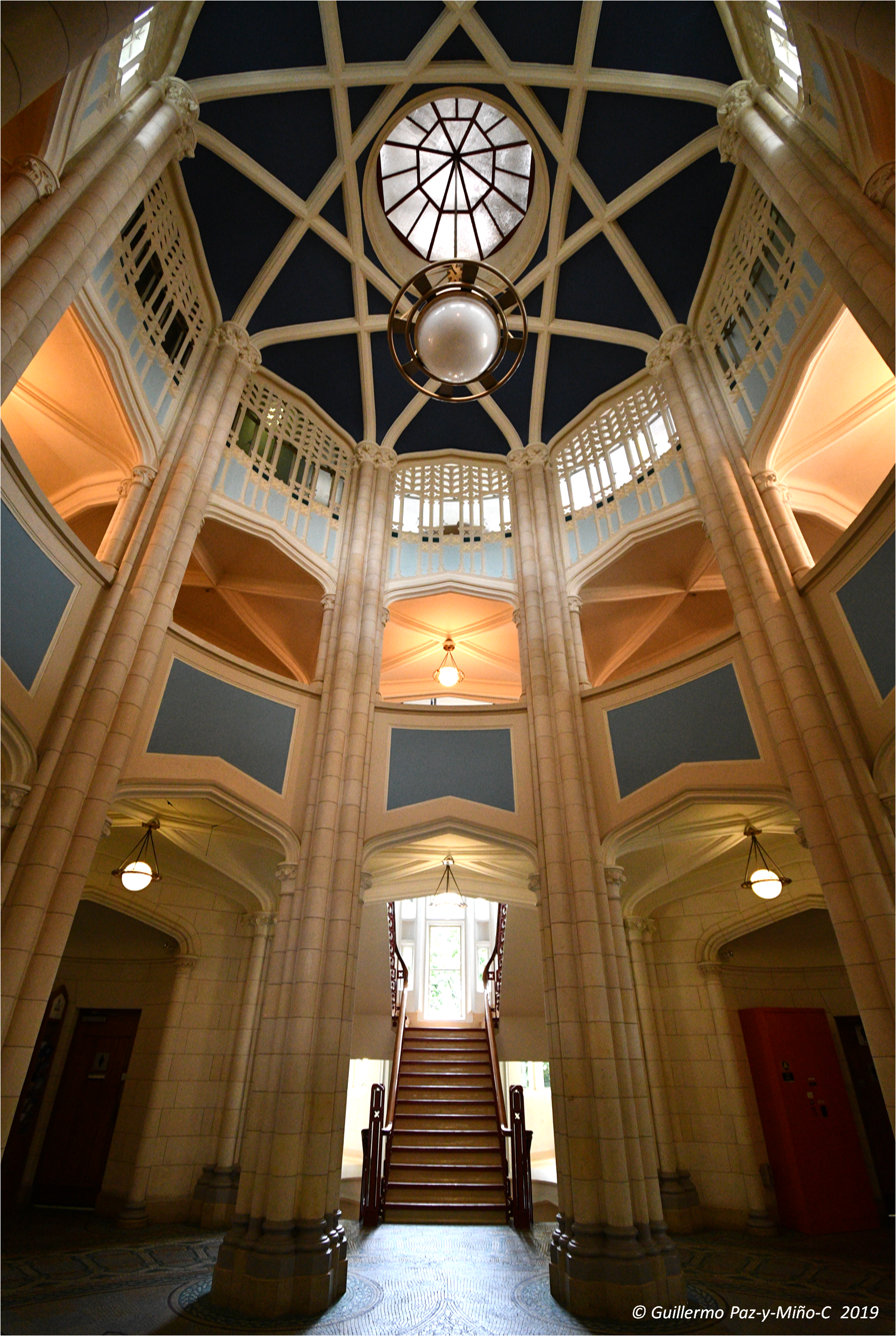
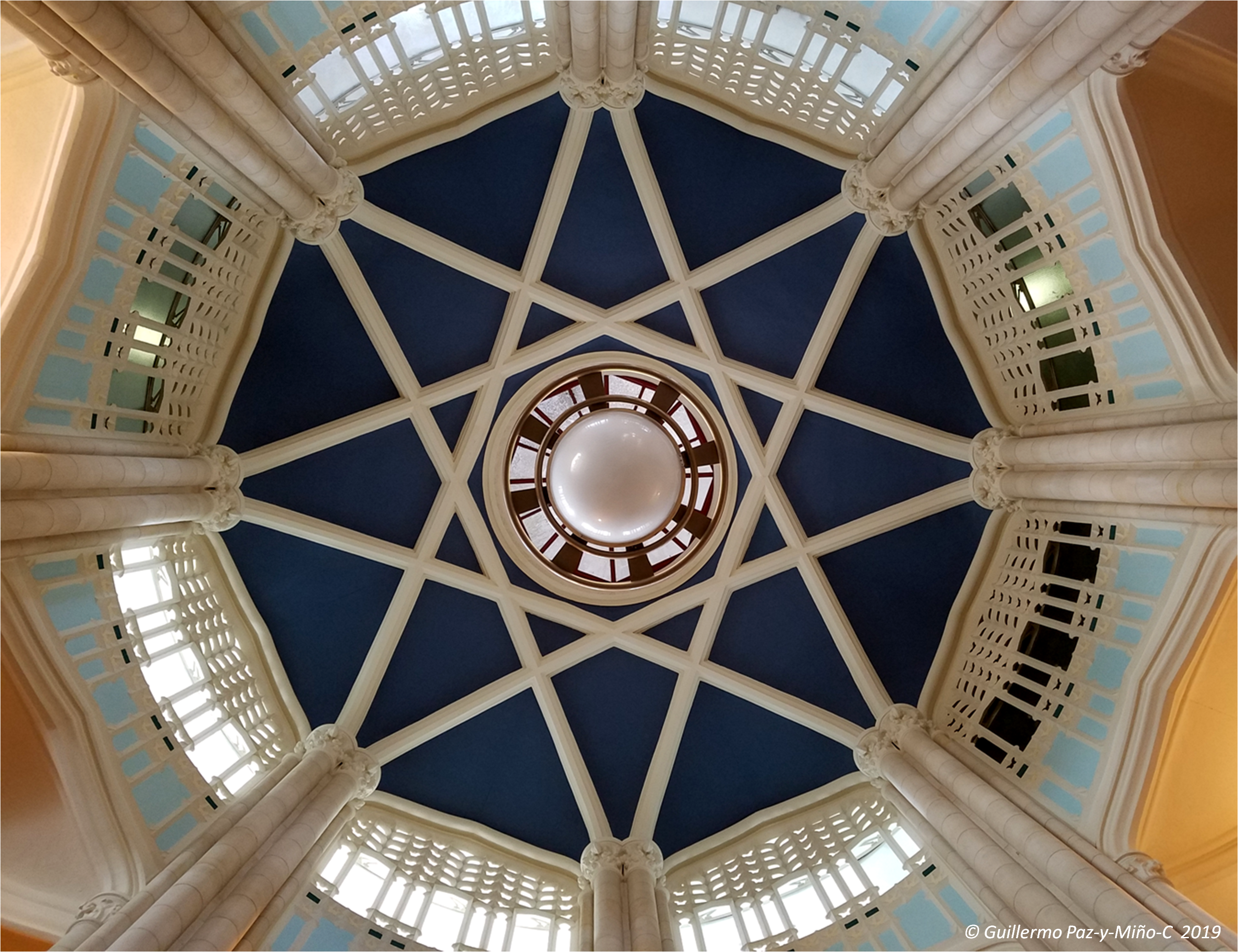
Above: “the insights” of the Clock Tower at the University of Auckland – a fantastic piece of architecture (finished in the 1920s); beautiful inside, with many corners and turns, stairs, arcs, pillars; symmetry and color

Above: close up of the top, Clock Tower at the University of Auckland

Above: even closer up of the top, Clock Tower at the University of Auckland

Above: The Cloud, downtown Auckland

Above: The Essence of a Tree – found at the Albert Park in downtown Auckland

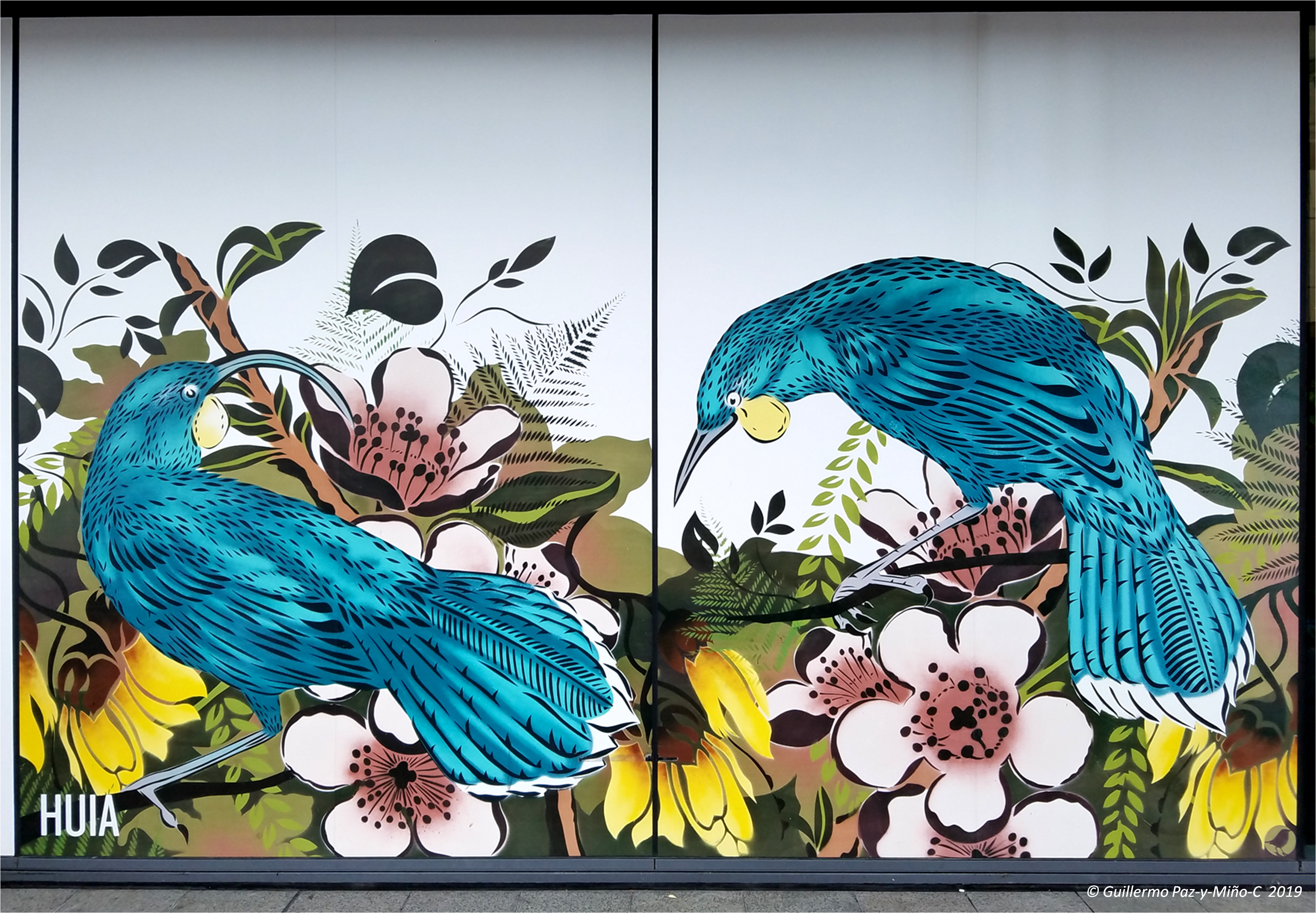
Above: The Huia, male (left) and female (right). Now extinct, the bird was common in the North Island of New Zealand. There are some unconfirmed reports of its existence. – We found this beautiful art (about 3×5 meters; 9×15 ft) in the streets of Auckland

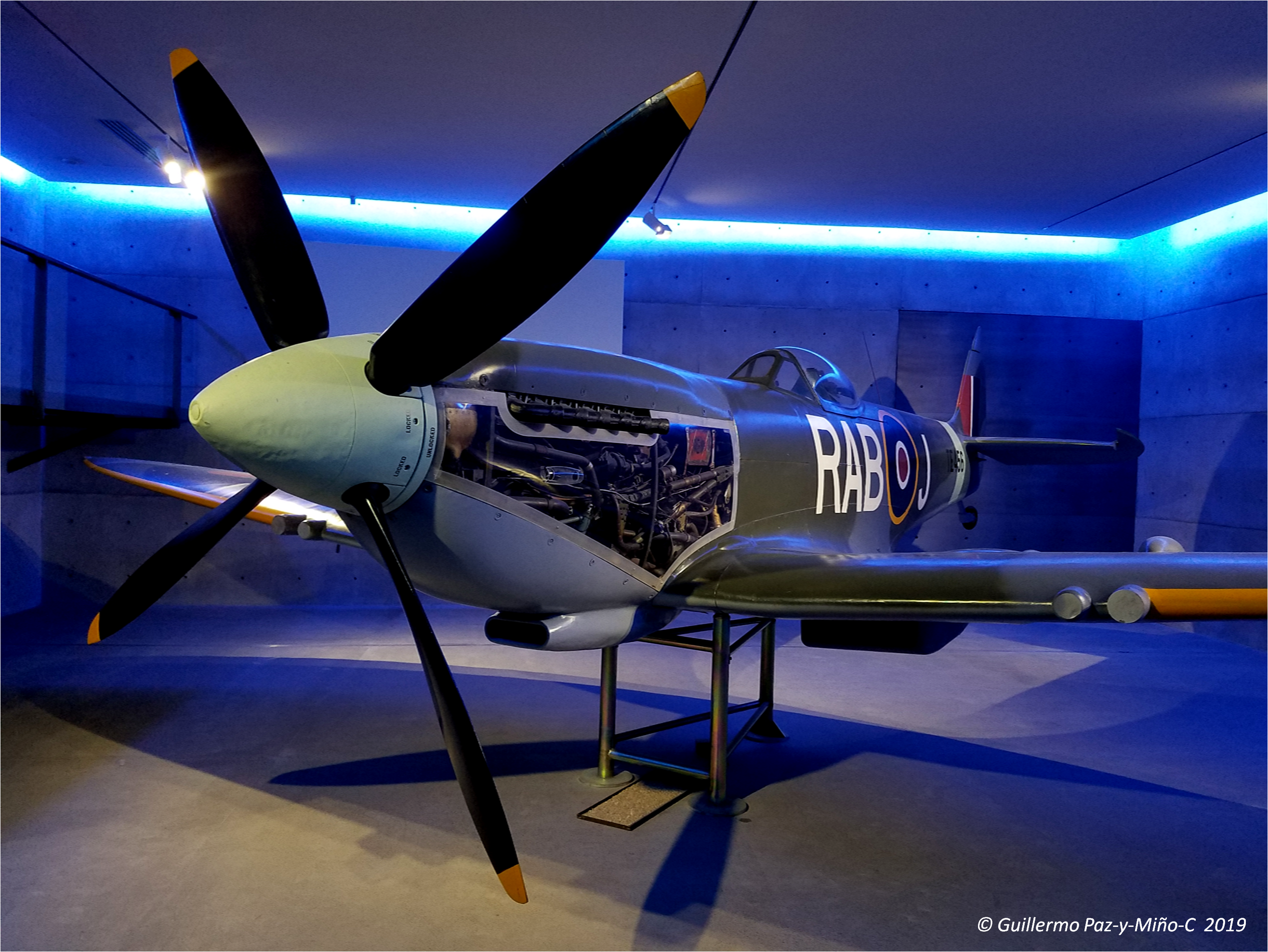
Above: The Spitfire TE456 cf 1948, Auckland Museum

Above: biologists will appreciate… Nearby the town of Maramarua

Above: Three muddy Giant Tortoises, Auckland Zoo

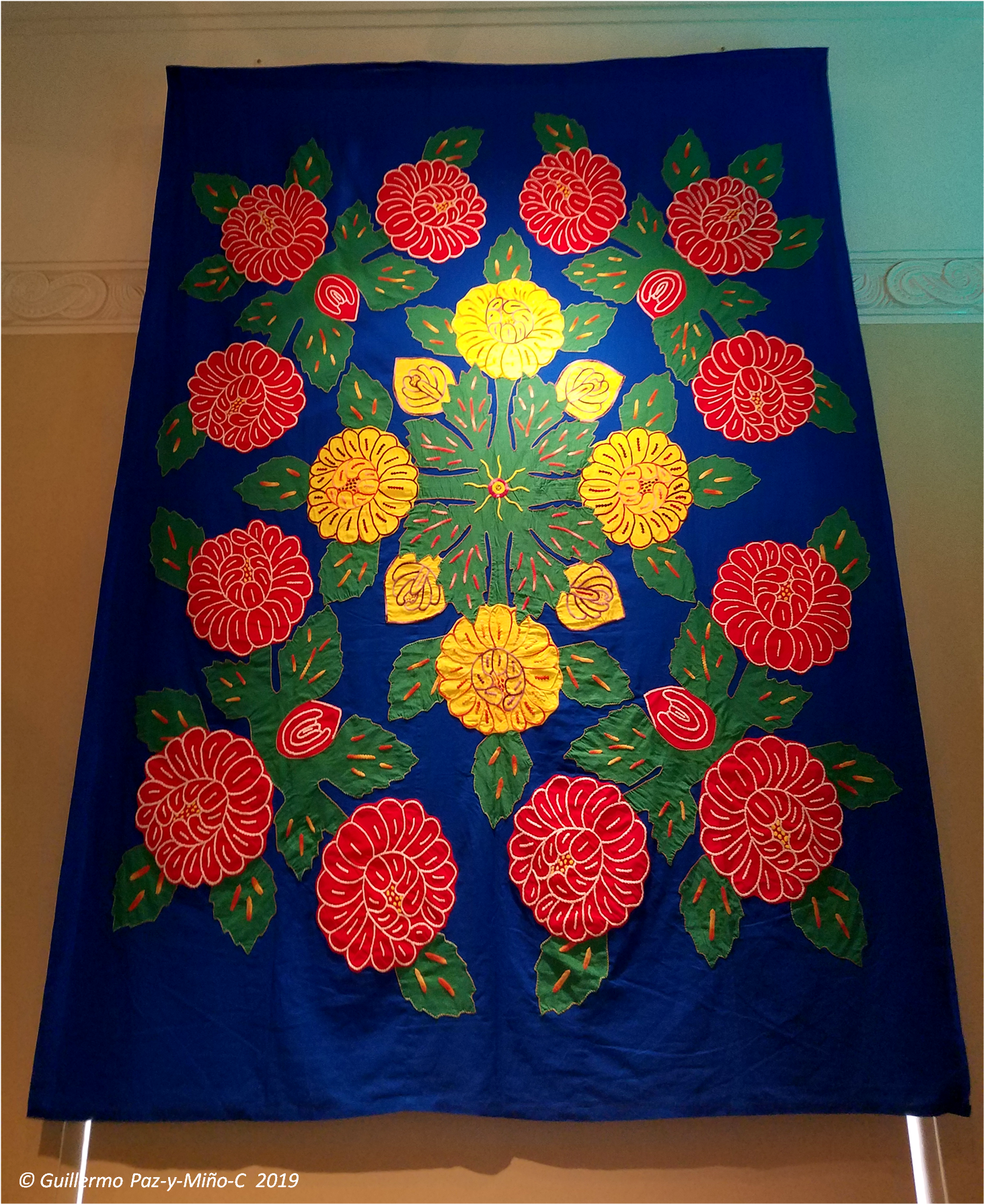
Above: Tivaevae manu, tataura, quilt – Cook Islands, Auckland Museum

Above: Jesus – At the town of Tirau, New Zealand – “The Corrugated -Iron Capital of the World”

Above: at the Town of Tirau, Pig

Above: Trail to the Kauri-Tree forest in Waipoua

Above: a detail in B&W at Mount Victoria, Auckland

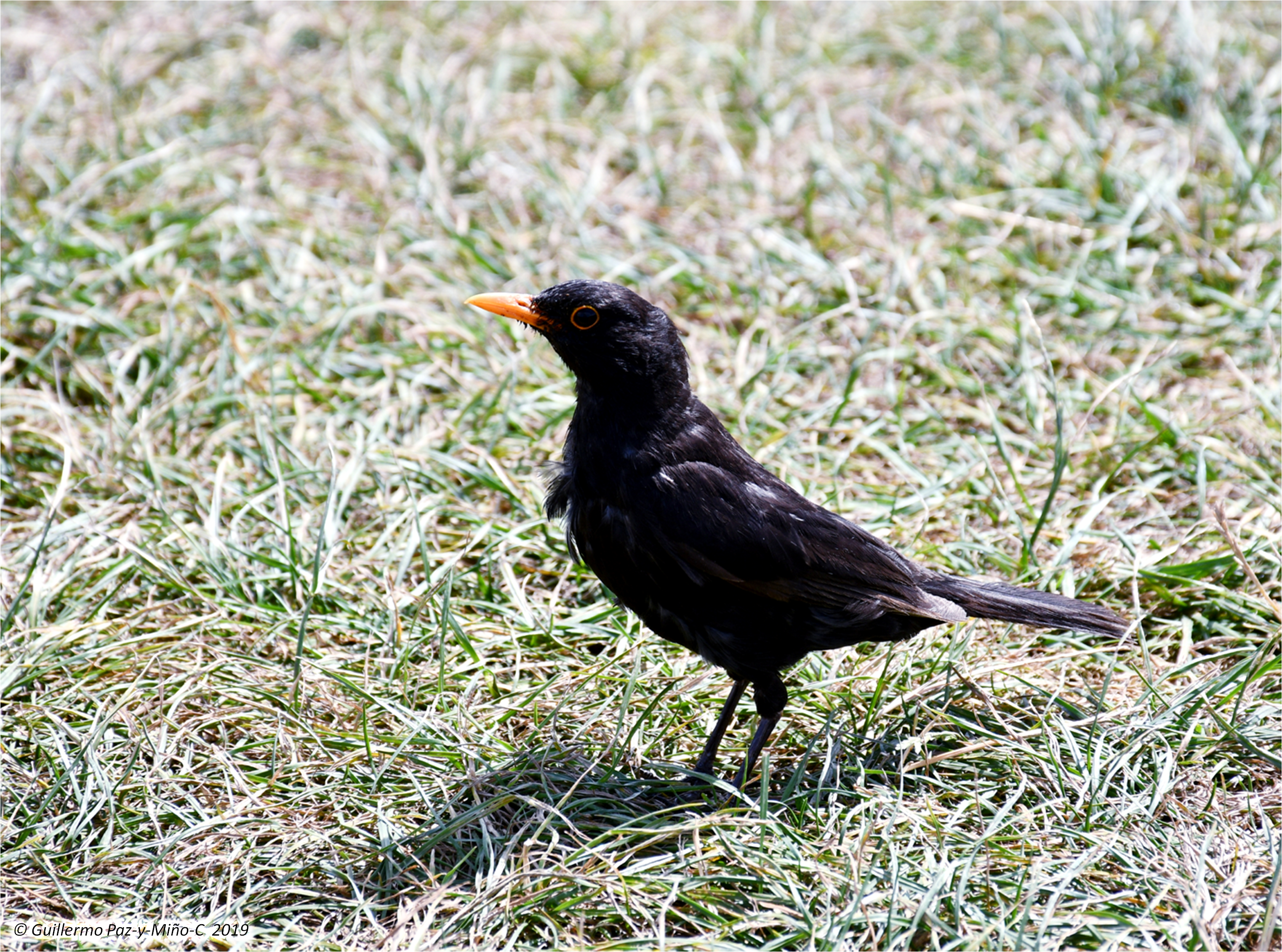
Above: a “black bird”, Turdus merula, Mount Eden, Auckland

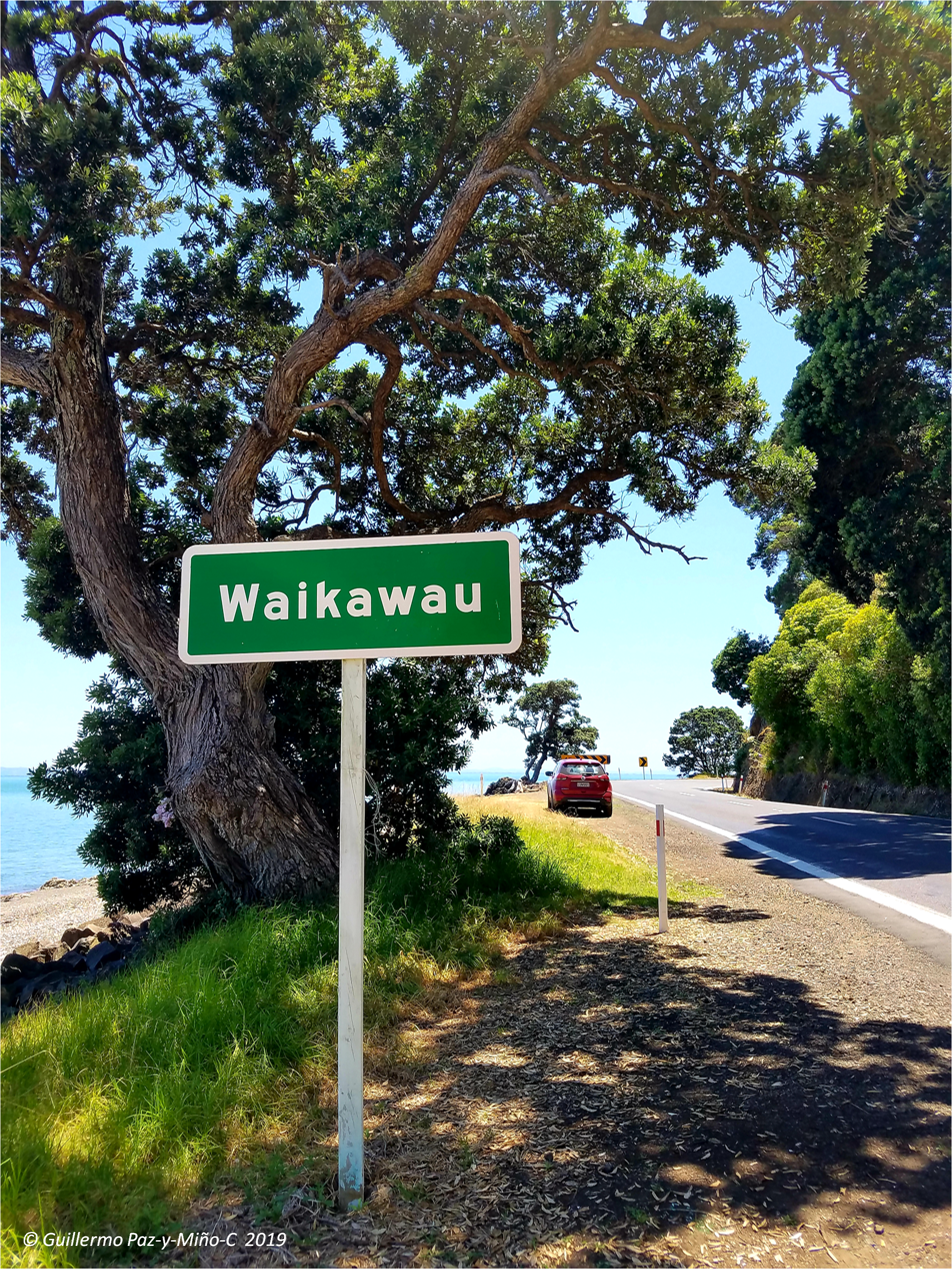
Above: at Waikawau, when we just reached 4000 km of driving in the North Island of New Zealand

Above: Waikino Bridge & Village

Above: the beautiful Wāitukei sculpture in Rotorua

Above: WWI Monument, Thames

Above: “Whol Why Wurld” (2017) by Jess Johnson & Simon Ward, Auckland Art Gallery – Quite modern, attractive, plus the computer animations were so pleasant to watch. Soft music created a micro-atmosphere of calmness

Above: a shiny young Hamadryas… Auckland Zoo. Primates always remind us that wild animals belong in the wild

Above: White Rhino, the end

Above: last day of the journey — Our trilogy in the Continent of Zelandia; the Tasman Sea as seen from the North Island of New Zealand – one of our last images… time to fly North, back home

Above: Back in Boston… 4-F or ‒15-C… It took us 40-min to defrost the car

New Zealand deserves many visits to be fully explored; its beauty and richness of landscape seem endless. The intensity of colors like the deep blue of the sky or the fresh green of the vegetation can only be experienced in the flesh, no other way is possible. — EvoLiteracy © 2019.

Follow us on Twitter and Facebook @gpazymino and GPC-Facebook  

Vancouver: The Urban Experience

“…We dedicated quality time to explore Vancouver, its intriguing urban environments. The city is impressive, modern, diverse, busy, with plenty spots to stop by and simply look at. We carried with us a ‘step counter,’ a wrist-watch-like device that told us the number of steps walked daily: a grand total of 234,190 steps during two weeks, about  117 km or 73 miles…”

By Guillermo Paz-y-Miño-C

I finally had the time to upload some images from our visit to Vancouver at the end of July and beginning of August, 2018. My collaborator, Avelina Espinosa, and I attended the 5th joint meeting of the Phycological Society of America and the International Society of Protistologists (the latter, ISoP, the society to which we belong). The meeting took place at The University of British Columbia. Here are the PDFs of the full program and abstracts of the presentations (200 talks, 100 posters).

In the past, I have posted photographic/academic reports of similar ISoP meetings in Prague (2017), Moscow (2016) and Seville (2015). Previous conferences have taken place in Banff (2014), Oslo (2012), Berlin (2011), and Kent-Canterbury (2010), which we have attended as well (no postings of those years, but see photography and science traveling during the past 15 years).

The ISoP meetings are medium in size (in the hundreds of attendees) and broad in scope. They gather scientists from all over the world, specialists on: systematics of unicellular eukaryotes (= protists), diversity and biogeography of these organisms, functional ecology (particularly aquatic environments), impacts of climate change on microbial communities, the origins of cell organelles and their physiology and metabolic pathways (e.g. chloroplasts, mitochondria), among other topics. Some  are evolutionary biologists working on the genetics, behavior or health aspects of protists. A few study the origins and evolution of multicellularity, for which microbes are good models.

We presented a poster (below) at the meeting (Kin Recognition in Protists and other Microbes: A Synthesis), which summarized the content of both our latest book on protists and a review article just published in the Journal of Eukaryotic Microbiology. Here is the poster’s abstract: “KRP-and-OM is the first scientific compilation dedicated entirely to the genetics, evolution and behavior of cells capable of discriminating/recognizing taxa (other species), clones (other cell lines) or kin (as per gradual genetic proximity). It covers the advent of microbial models in the field of kin recognition; the polymorphisms of green-beard genes in social amebas, yeast and soil bacteria; the potential that unicells have to learn phenotypic cues for recognition; the role of clonality and kinship in pathogenicity (dysentery, malaria, sleeping sickness and Chagas); the social/spatial structure of microbes and their biogeography; and the relevance of unicells’ cooperation, sociality and cheating for our understanding of the origins of multicellularity. With 200+ figures, KRP-and-OM (the book) is conceptualized for a broad audience, including researchers in academia, post doctoral fellows, graduate students and research undergraduates.”

Click on the image below to enlarge the e-version of the poster [click again to see it in real size]:

Before and after the conference, we dedicated quality time to explore Vancouver, its intriguing urban environments. The city is impressive, modern, diverse, busy, with plenty spots to stop by and simply look at. We carried with us a “step counter,” a wrist-watch-like device that told us the number of steps walked daily (grand total 234,190). From it we estimated the distance traveled by foot during the two weeks spent in situ (117 km or 73 miles). The photographic report follows below. If interested click on the images for higher resolution; click twice if you want to see them real size.

The urban experience

We walked 234,190 steps (about  117 km or 73 miles) during 14 days (8.5 km/day or 5.3 miles/day); drove only 652 km or 405 miles (not much in comparison to other trips); and took 1,808 photos (a bit short this time); 82 of the images (4.5%) were shared on social media (Facebook and Twitter). In summary, we had an “urban experience” (walk/drive) with some wilderness and nearby sightseeing. Marutama, in the Westend of Vancouver, was the best restaurant for Ra-Men (specially Tan-Men).

The images © below follow a chronological order of our trip, well, as much as possible. Enjoy.

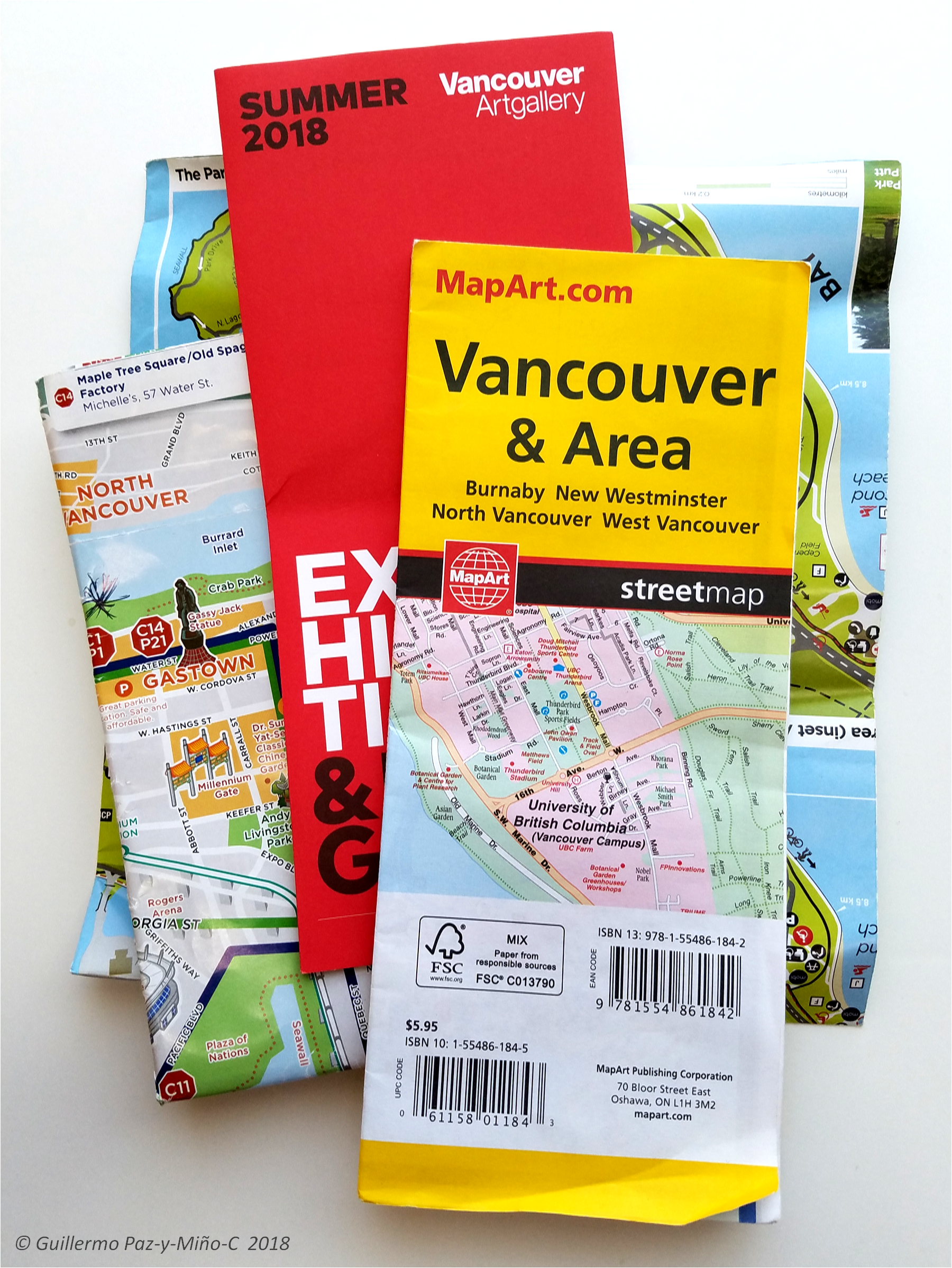
Above: always needed, maps, more so in Vancouver, a large city with intricate traffic.

Above: Montreal; we flew from Boston to Montreal, transited for an hour and continued to Vancouver.

Above: “Closer to Mars,” figuratively, of course. On our way to Vancouver.

Above: at our hotel; we actually stayed, for the duration of the meeting, at the University of British Columbia’ residence for visitors (UBC Conferences and Accommodation, West Coast Suites). Quite impressive, well kept, comfortable and elegant, with a nice kitchen, better than the expensive hotel we later moved into (downtown) for the rest of the visit.

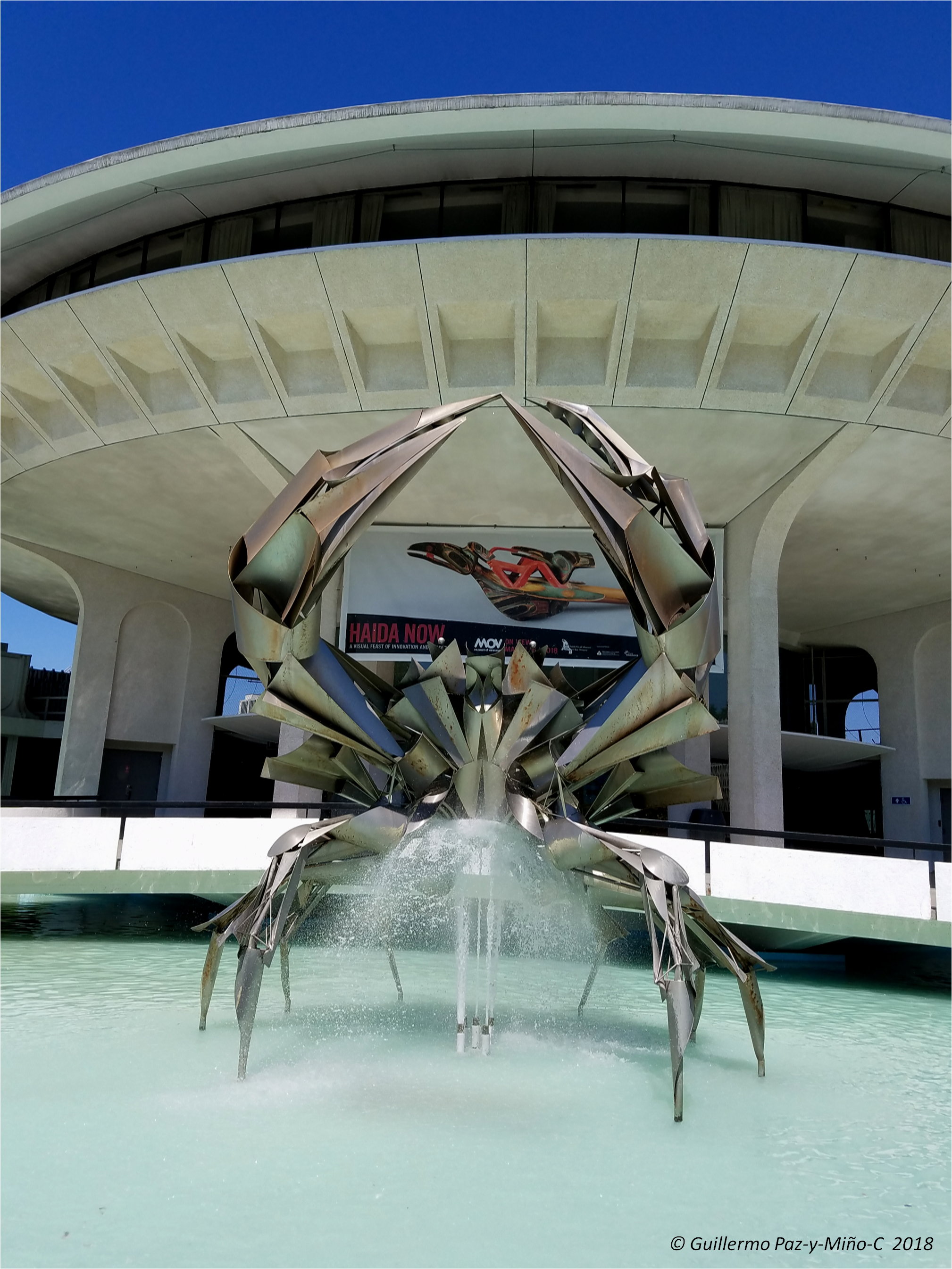
Above: Masmasa’lano, Multiversity Galleries, at the Museum of Anthropology, University of British Columbia (UBC).

Above: Buddha, Multiversity Galleries, at the Museum of Anthropology, UBC.

Above:  A close up of Buddha, Multiversity Galleries, at the Museum of Anthropology, UBC.

Above: Carved on wood at the Welcome Plaza, House PostMuseum of Anthropology, UBC.

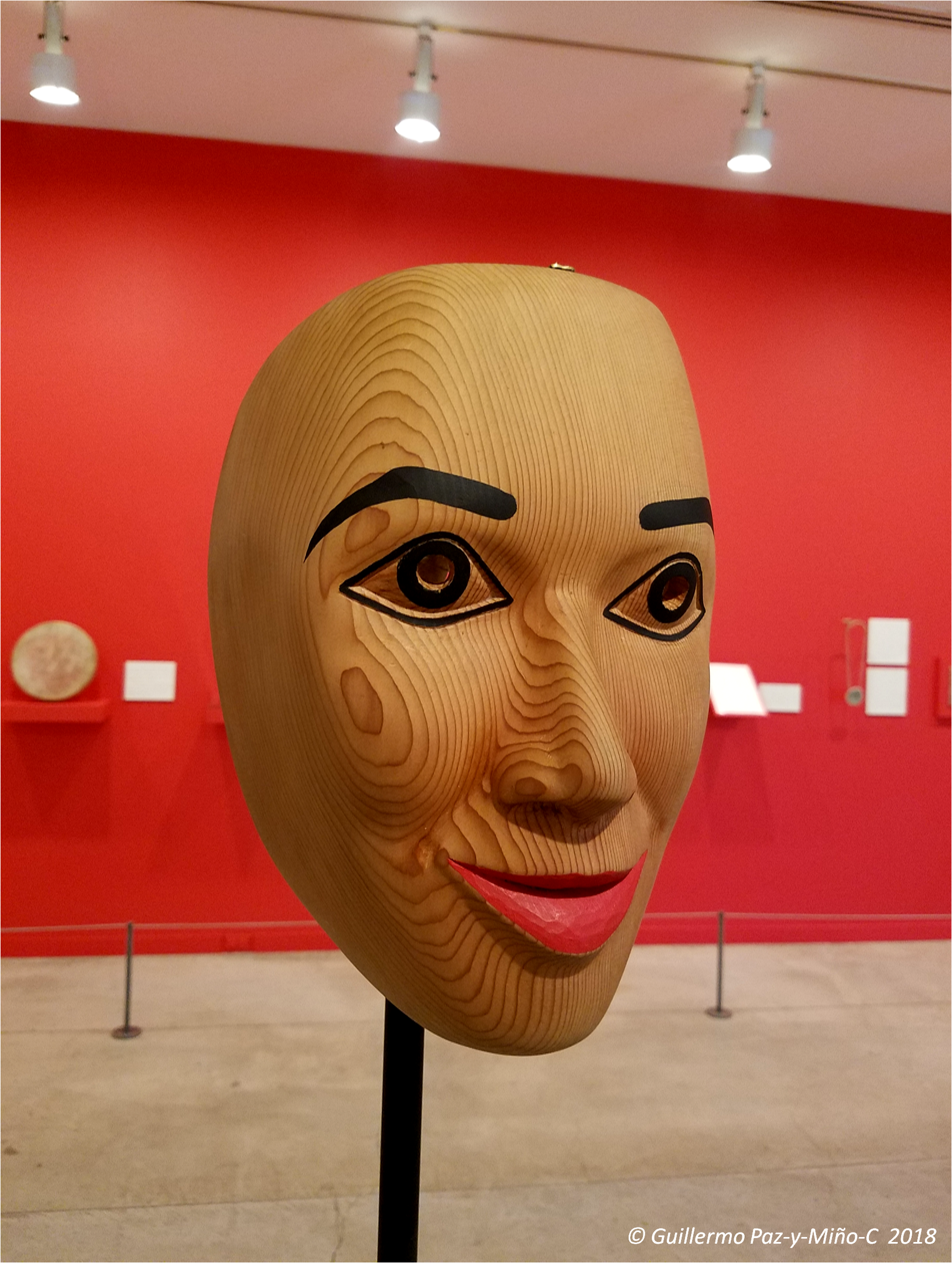
Above: Carnival Mask, Multiversity Galleries, Museum of Anthropology, UBC.

Above: Haida Bear by Bill Reid, Great Hall, Museum of Anthropology, UBC.

Above: Haida Bear by Bill Reid, Great Hall, Museum of Anthropology, UBC.

Above: More wood carving, House Post, Great Hall, Museum of Anthropology, UBC.

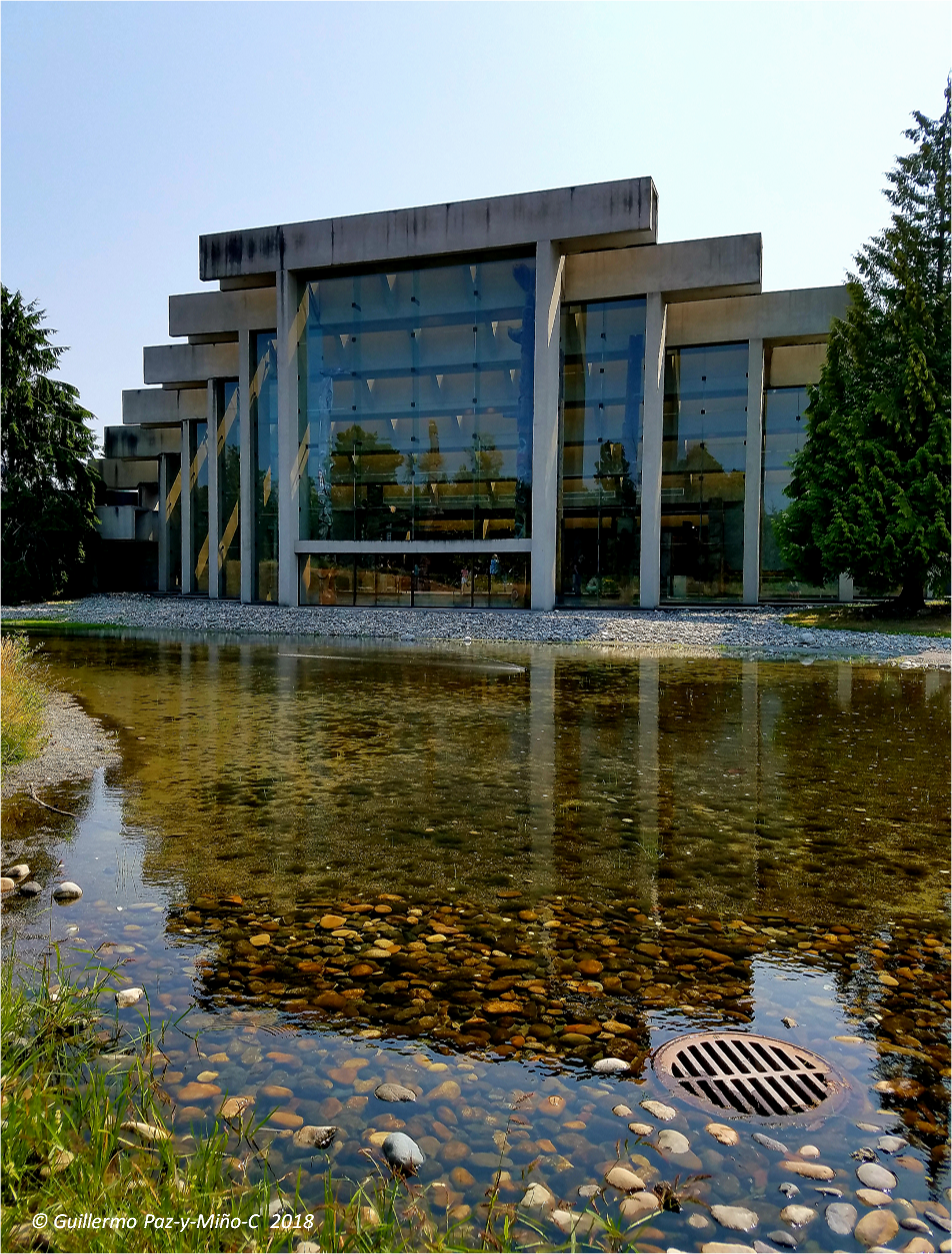
Above: Outdoors of the Museum of Anthropology, image taken from the grounds, UBC.

Above: Raven Discovering Humankind in a Clamshell, The Bill Reid Rotunda, Museum of Anthropology, UBC.

Above: Carving at the temporary exhibit Culture at the CentreMuseum of Anthropology, UBC

Above: Moon Gate Tunnel at the UBC Botanical Garden.

Above: Tree Walk at the UBC Botanical Garden.

Above: Wild flowers at the UBC Botanical Garden.

Above: Leaves and Mosses at the Nitobe Garden, UBC campus.

Above: Log Bridge at the Nitobe Garden, UBC campus.

Above: Memorial to Professor Nitobe at his Garden, UBC campus.

Above: Pacific Bell and Bell Tower at the Asian Studies outdoors, UBC campus.

Above: Trees and Shrubs spot at the Nitobe Garden, UBC campus.

Above: Water Lilies and Duckweeds at the Nitobe Garden, UBC campus.

Above: Water Lilies and Duckweeds (B&W) at the Nitobe Garden, UBC campus.

Above: Kids playing at the Spanish Banks Beach Park.

Above: The Friendship Bench at the UBC campus.

Above: It’s A Mystery by John Nutter at the UBC campus.

Above: Blue Whale at the Beaty Biodiversity Museum, UBC campus.

Above: Centre for Business Ethics at the UBC campus.

Above: “I Want It All I Want It Now” at the main library, UBC campus.

Above: Quantum Matter Institute at the UBC ccampus.

Above: Urgent Care Centre at the UBC campus (examine this photo carefully).

Above: Fees apply to all at the Urgent Care Centre, UBC campus.

Above: “The Nest” at the UBC campus.

Above: Victory Through Honour Pole by Ellen Neel, at the UBC campus.

Above: Danbo Restaurant in downtown Vancouver.

Above: Danbo Restaurant in downtown Vancouver.

Above: Blue Buildings and Blue Sky, downtown Vancouver.

Above: The Burrard St. Bridge in downtown Vancouver.

Above: The Burrard St. Bridge in downtown Vancouver.

Above: Is this scientifically true? Granville Public Market, Granville Island.

Above: At the Granville Public Market, Granville Island.

Above: “Three Berries” (well, sort of) at the Granville Public Market, Granville Island, Vancouver.

Above: At the Granville Public Market, Granville Island, Vancouver.

Above: Downtown Vancouver.

Above: Light-Shed, Vancouver Harbour.

Above: Vancouver Harbour.

Above: Sky Jump at the Whistler Olympic Park (located Northwest of Vancouver).

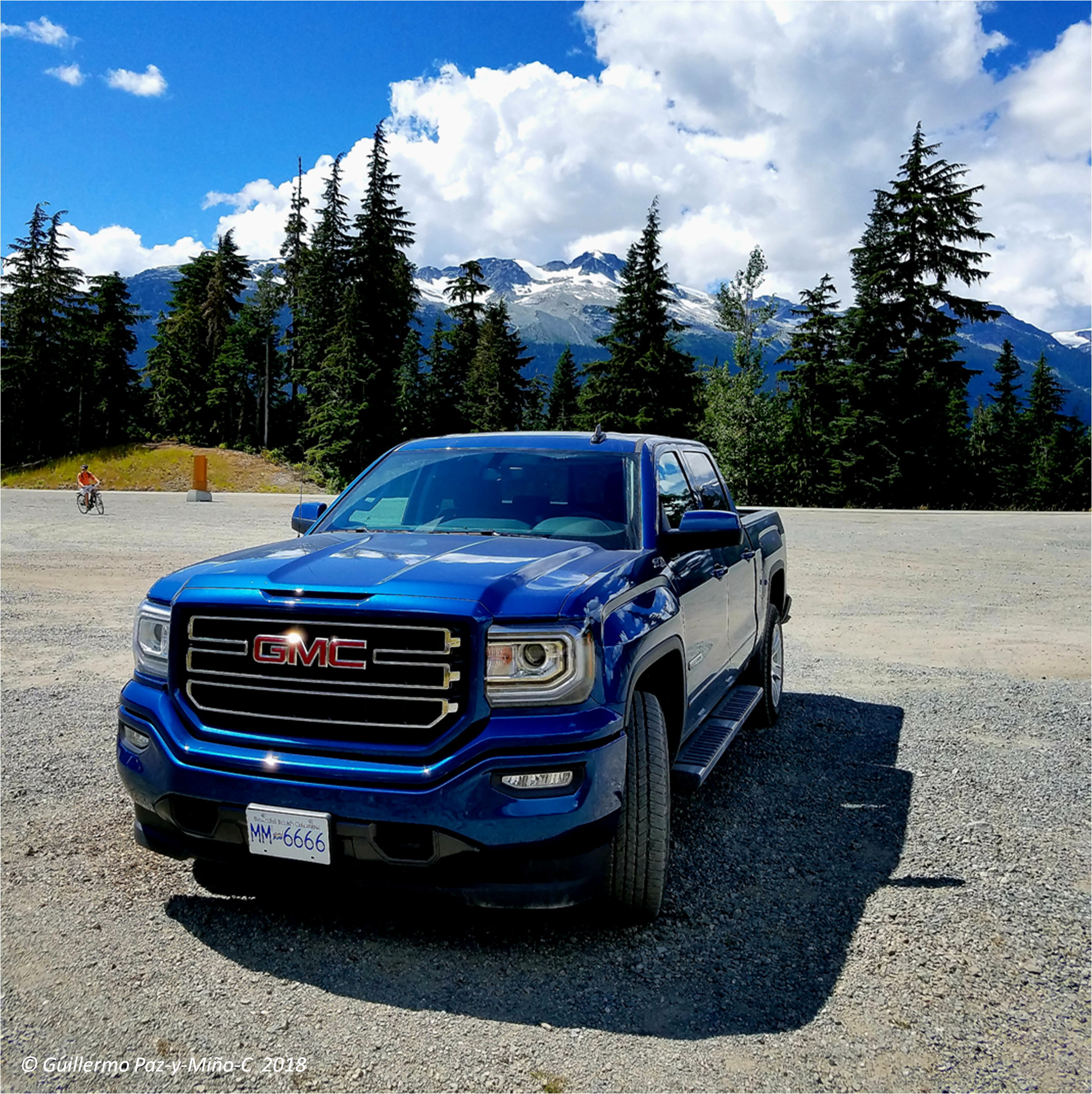
Above: Our rented truck at the Whistler Olympic Park.

Above: Pre-entrance to the Vancouver Public Library.

Above: Pre-entrance to the Vancouver Public Library.

Above: The iconic Steam Clock in downtown Vancouver.

Above: Marutama Ra-Men, the best in town; there are two locations in Vancouver.

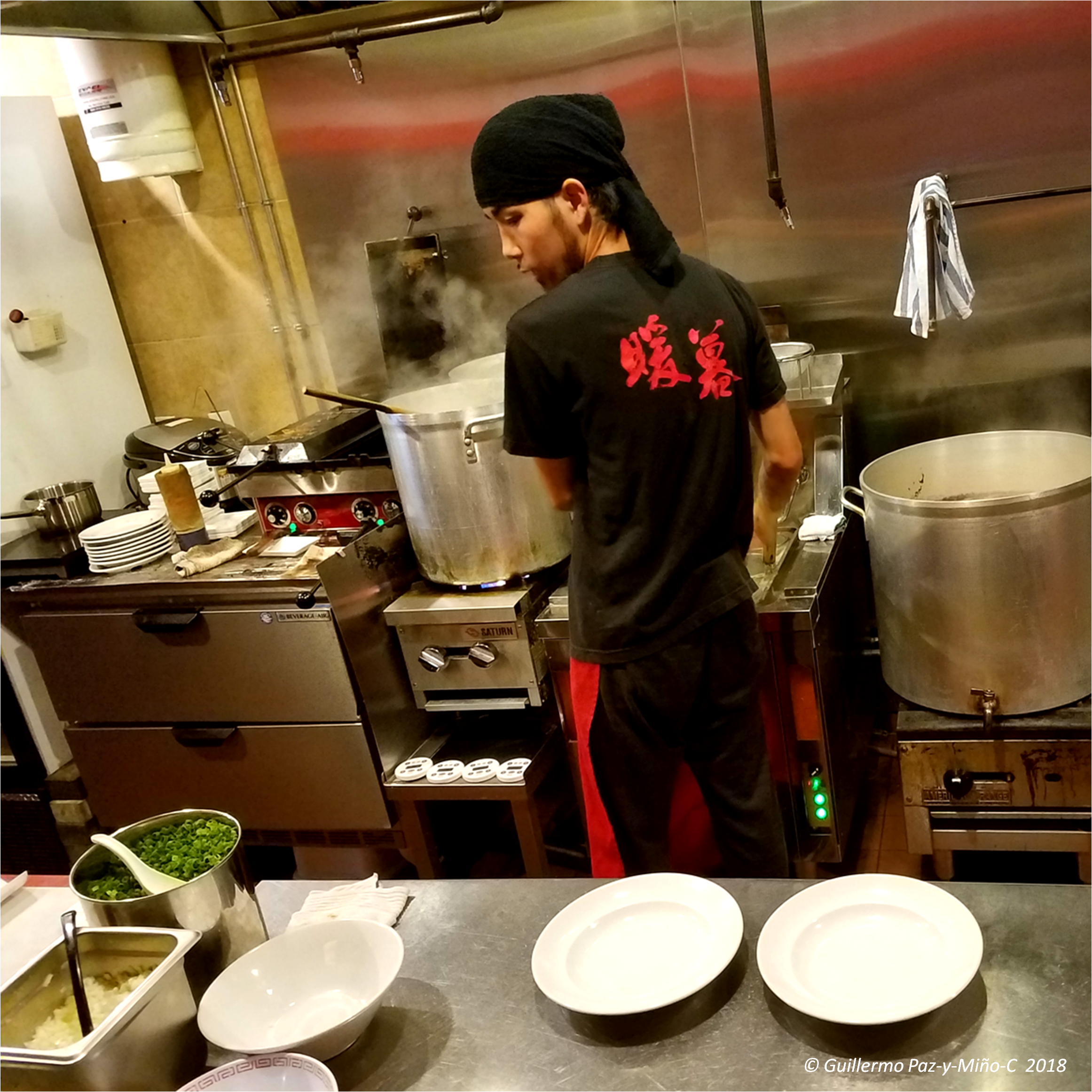
Above: Ra-Men being made at Marutama in downtown Vancouver.

Above: Tan-Men Mild at Marutama Ra-Men.

Above: Plain rice at Marutama Ra-Men.

Above: Kakuni Pork Belly at Marutama Ra-Men.

Above: The Sun Yat-Sen Classical Chinese Garden in downtown Vancouver.

Above: Trees Falling at the Sun Yat-Sen Classical Chinese Garden, downtown Vancouver.

Above: The Details of a City, downtown Vancouver.

Above: The Lions Gate Bridge, downtown Vancouver.

Above: At the Vancouver Aquarium.

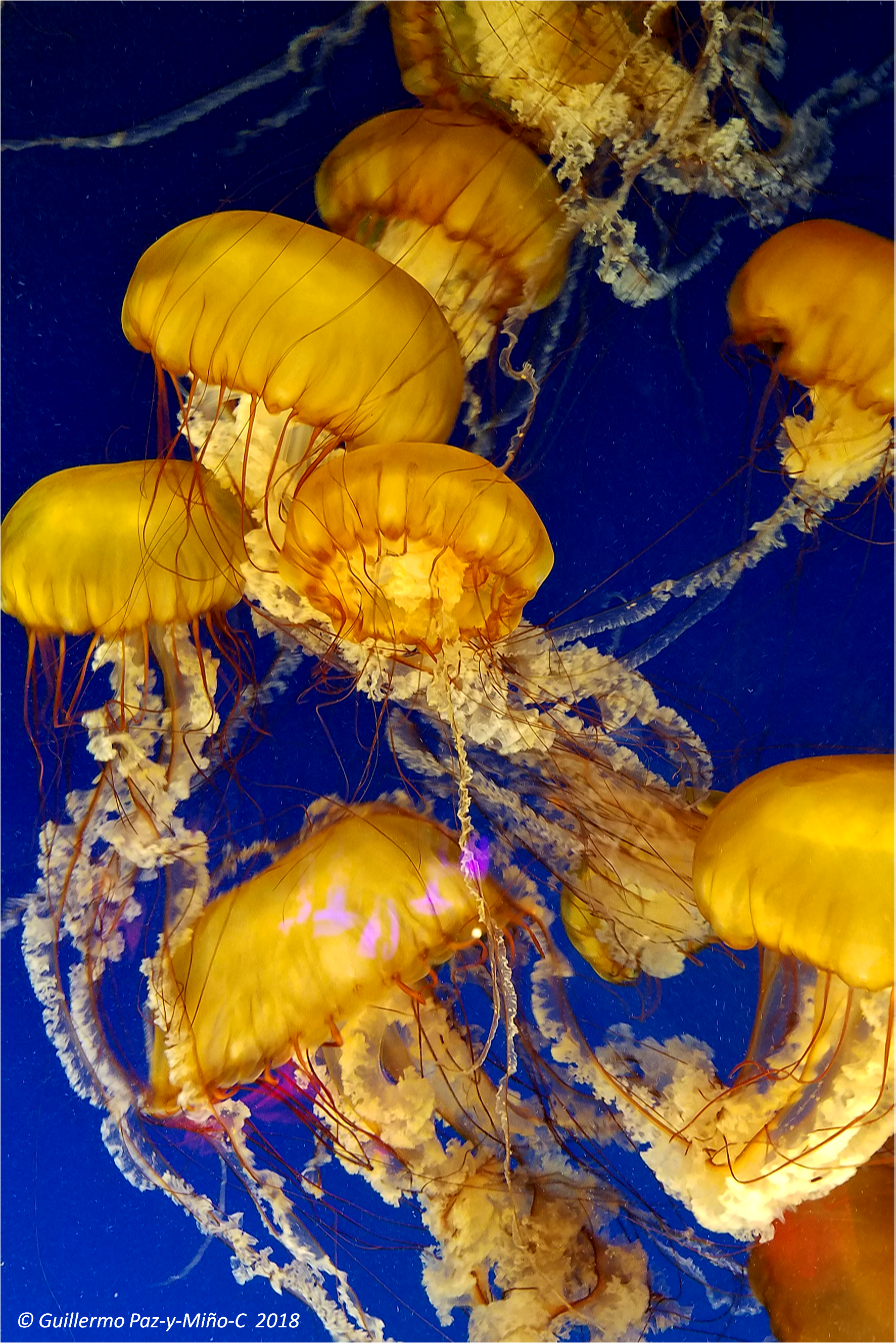
Above: Chrysaora fuscescens at the Vancouver Aquarium.

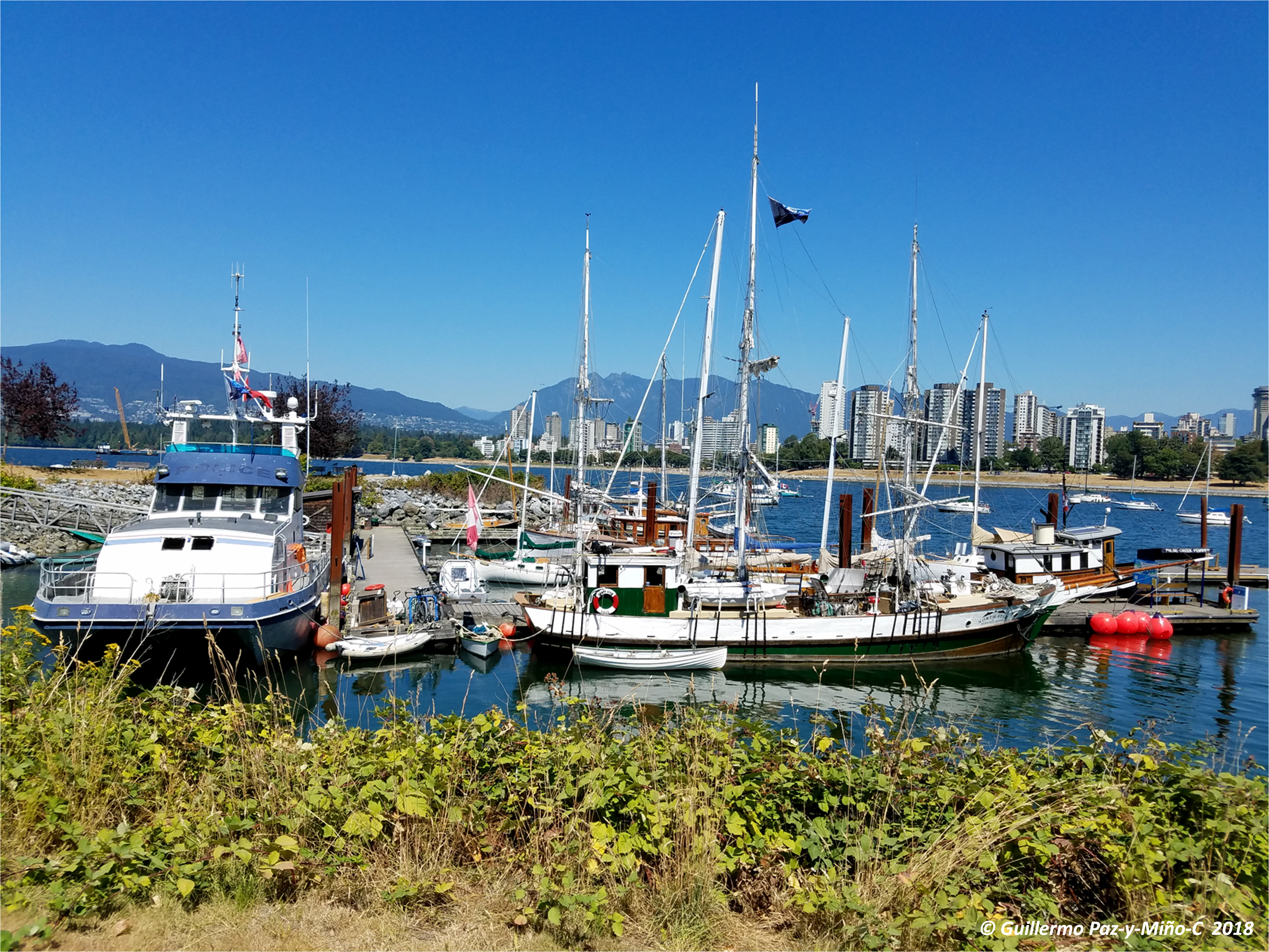
Above: More of The Harbour.

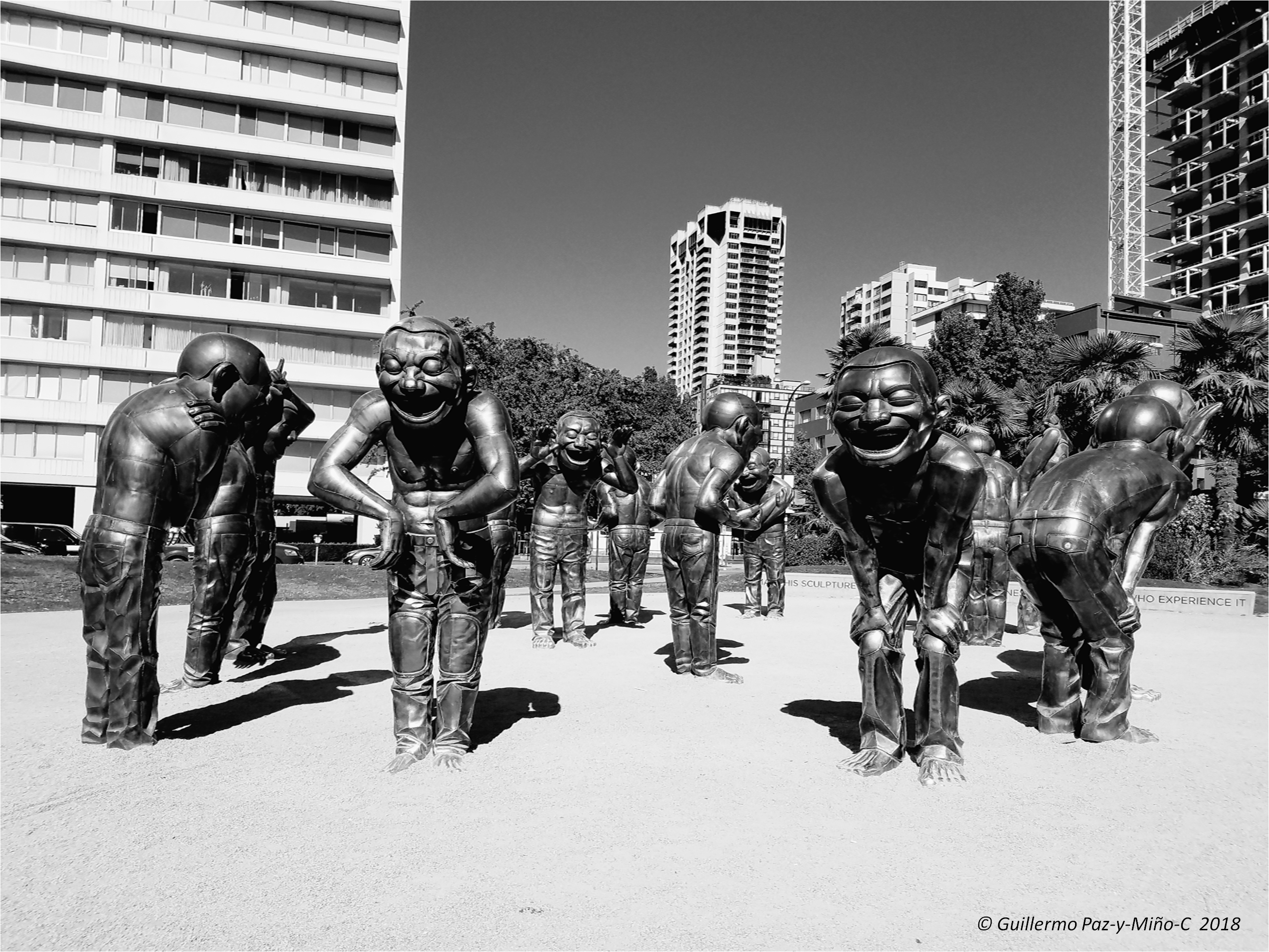
Above: A-Maze-Ing Laughter by Yue Minjun, downtown Vancouver.

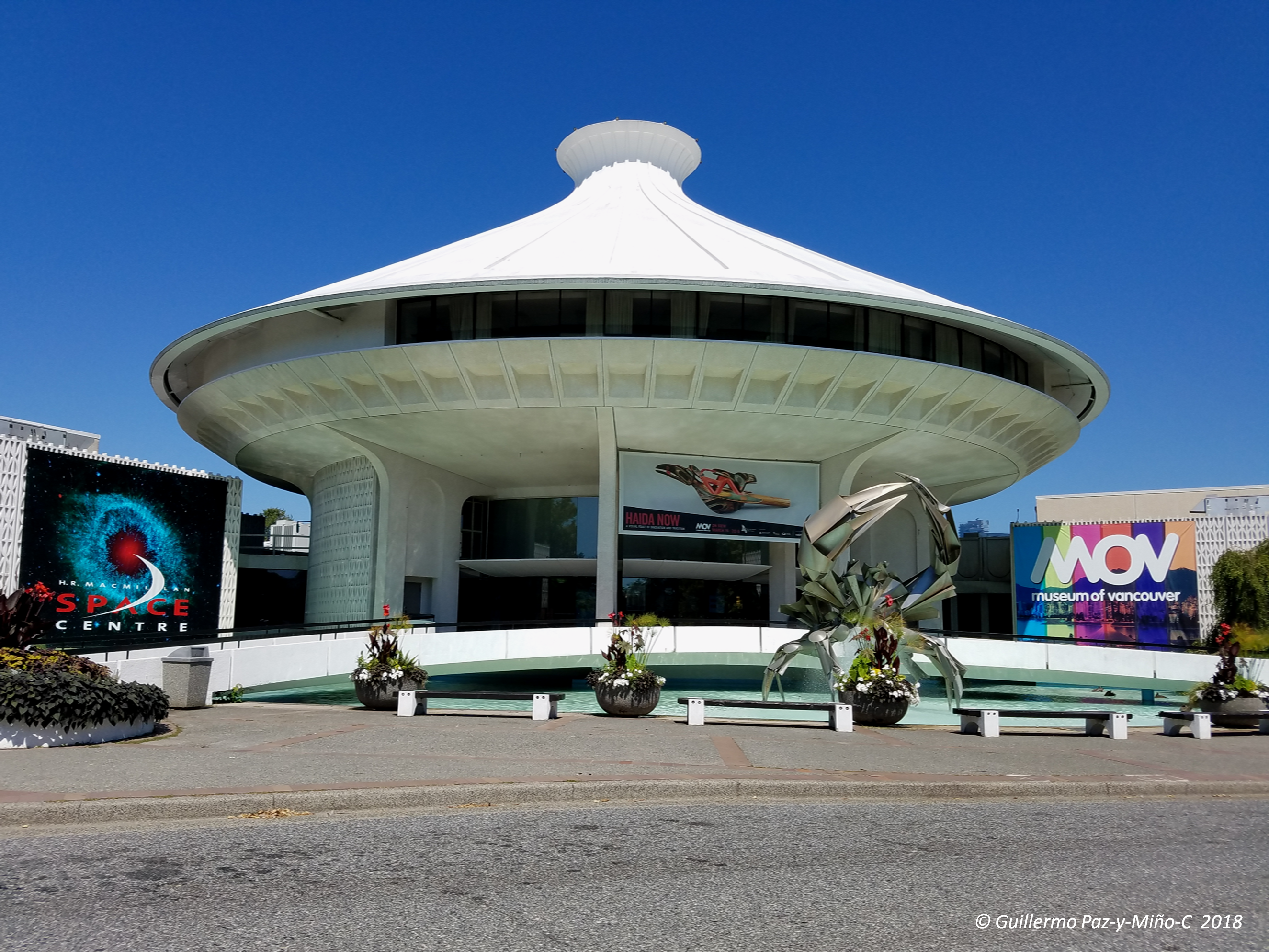
Above: Space Centre & Museum of Vancouver.

Above: And a close up of the Space Centre & Museum of Vancouver.

Above: Vancouver Art Gallery, in the downtown.

Above: “A Rushing Sea of Undergrowth” by Emily Carr 1935, Vancouver Art Gallery.

Above: “Ayumi” by Corey Bulpitt at the Vancouver Art Gallery.

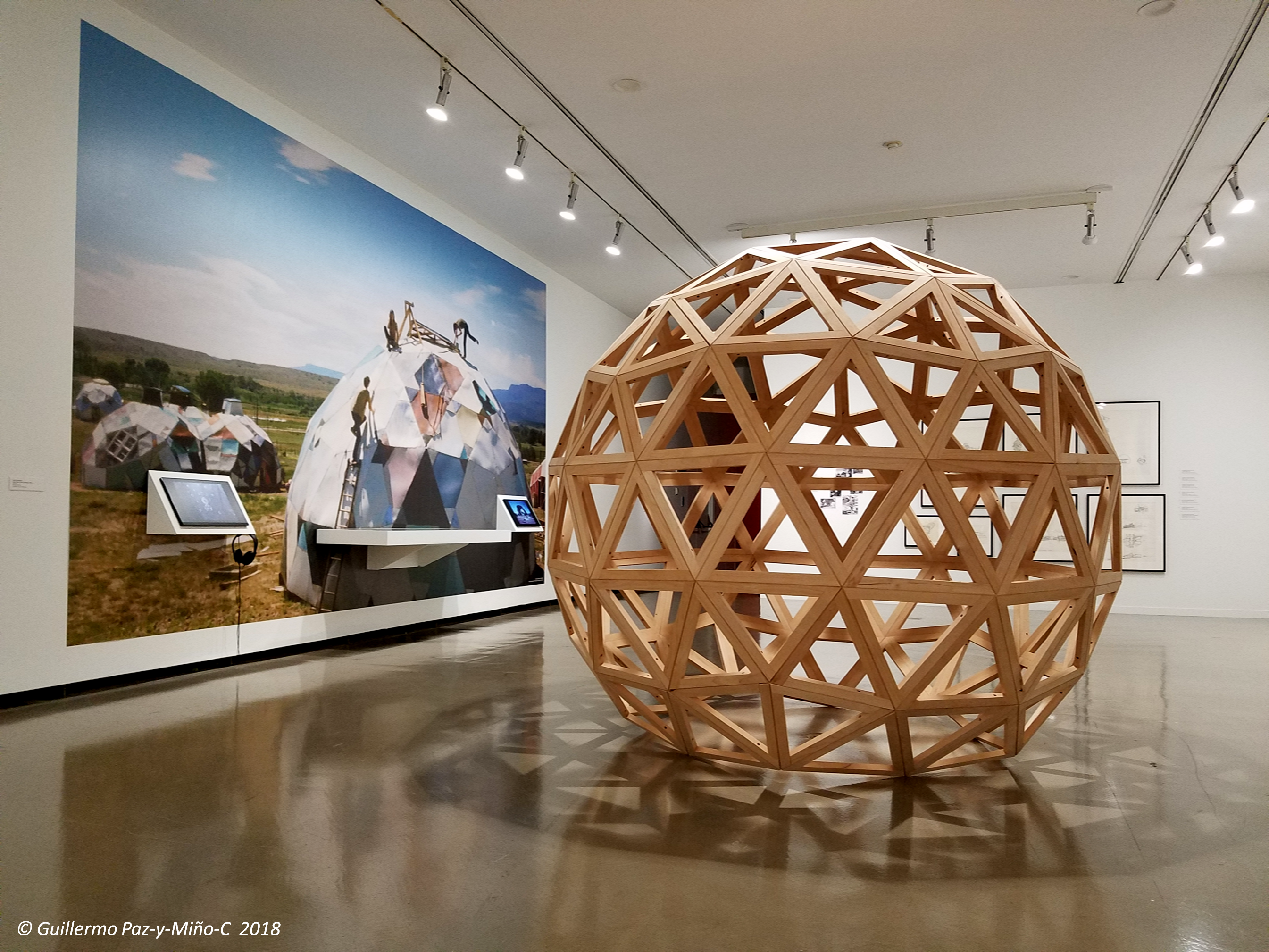
Above: Buckminster Fuller‘s Geodesic Dome at the Vancouver Art Gallery.

Above: “Peter” by Corey Bulpitt at the Vancouver Art Gallery.

Above: “Tarah” by Corey Bulpitt at the Vancouver Art Gallery.

Above: The famous Morgan Guitars exhibited at the Vancouver Airport.

Above: “Meeting is Over”…

Above: Rain and Propeller, Vancouver Airport.

Above: Sunlight and Propeller, light bends, closer to Boston.

— EvoLiteracy © 2018.

Follow us on Twitter and Facebook @gpazymino and GPC-Facebook 
On secularism the Czechs have it right – A visit to Prague and Kutná Hora

I finally had the chance to complete this post, which was in the making for quite some time. Preparing 100 images, as included below, can take many hours and much energy. I thank the friends and followers of EvoLiteracy for being patient and for continuing visiting the site and sharing its educational contents. On average, people from about 50 countries visit this portal, thousands a year.

I was in Prague and Kutná Hora during the end of July and beginning of August, 2017. Part of the time was dedicated to attend the ISOP meeting (Prague), or the International Society of Protistologists annual gathering. A conference for specialized biologists and other scientists interested in the lives and histories of microscopic organisms that happen to be unicellular, but that, unlike bacteria like E. coli (a mandatory companion in the human gut), these microbes have a nucleus (= eukaryotes; eu = true; karyon = nucleus, in reality it means nut). Unicellular eukaryotes are also called “protists” (a generic, all-inclusive term). I have written about them in the past, and readers can find that material here.

Today’s pictoric post is divided in three parts: Part One is about the ISOP meeting, with a few self explanatory photos. Part Two covers selected statistics about the Czech Republic, specifically about public acceptance of evolution in respect to other Central- and Eastern-European countries (the Czechs lead on this), views on  secularism, separation between church and state, and the need of believing in God [or not] to be moral and have good values. Readers might find the Czech example impressive. It is indeed a demonstration that an advanced society –organized around highly educated citizens– can reach prosperity (after its devastation during World War II), public education and health care for all; a community that can turn secular and, at the same time, continue to honor and celebrate its cultural past, monuments, cathedrals, castles, arts, music and life. A true case-scenario of civility and modernity in which the monarchs were removed for good. Part Three includes images of Prague and Kutná Hora; they speak for themselves and will be part of my long-lasting memories. — Hope you enjoy the graphic journey below and decide, some day, to visit Prague and Kutná Hora, and make these cities and their peoples part of your own secular soul. – GPC

Part One: ISOP meeting

Above: this is the second time we do a poster presentation for an international meeting. As students, we used to do it in the past (click on image to enlarge, full + resolution).

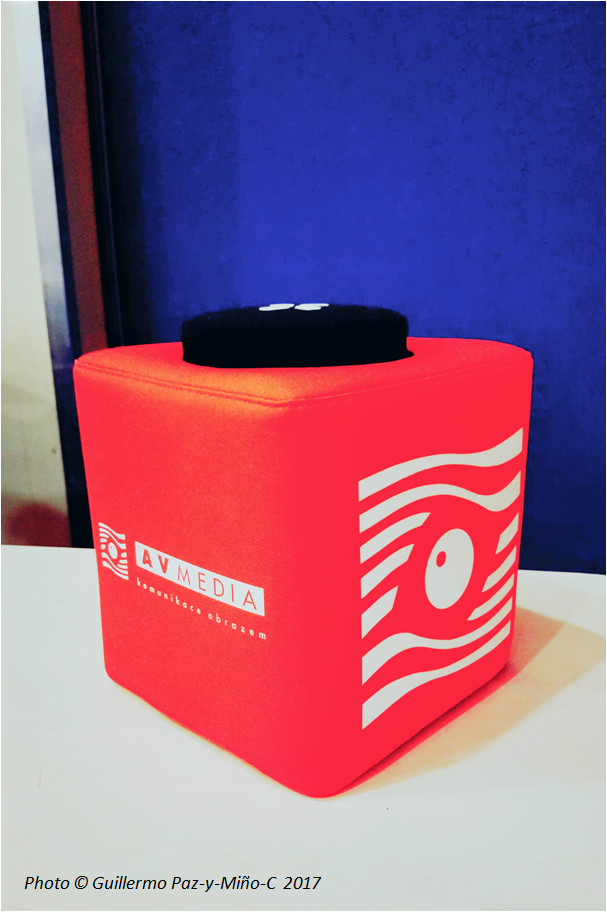
Above: What is this? A tossing MICROPHONE. Very clever. A 15-cm soft (spongy) cube equipped with a microphone inside. It can be tossed to the audience and expedite the Q&A. I think it does encourage people to participate and ask questions just for the fun of tossing and receiving the cube. The electronics are programmed to shutdown the noise while the cube is bouncing, but the microphone activates itself once stabilized at no-rough motion.

Above: remarks by Miklós Müller during the presentation of the Hutner Award (given yearly to a researcher in protistology), always relevant and a good perspective.

Part Two: Statistics

Above: Acceptance of evolution in Eastern Europe. Note how the Czech Republic leads in public acceptance of evolution: 83% think that humans and other living things have evolved over time (left). And 73% think that humans and other living things have evolved due to natural selection.

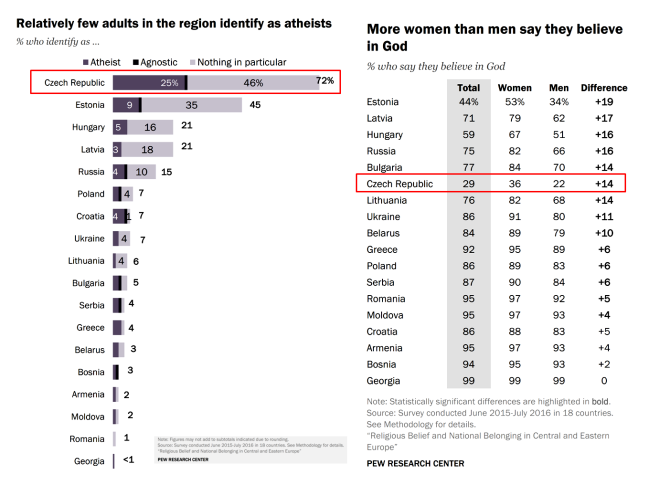
Above: 72% of Czechs consider themselves unaffiliated in terms of religious identity.

Atheists Agnostics Nones - M vs W Central Eastern Europe PEW 2016

Above: Atheists, agnostics and nones in Central and Eastern Europe (left). Gender difference in believing in God in Central and Eastern Europe (right). The Czechs lead in terms of atheists (25%) and nothing in particular (46%) in contrast to other Central and Eastern Europe countries. More women (36%) than men (22%) say they believe in God.

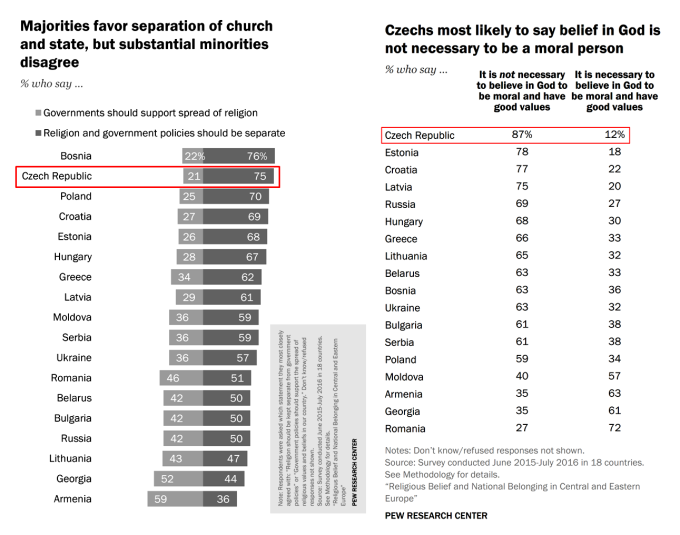
Separation Church State - Morality Central Eastern Europe PEW 2016

Above: 75% of Czechs favor the separation of church and state (2nd in Central and Eastern Europe, left). And 87% think that it is not necessary to believe in God to be moral and have good values (right).

Part Three: Images

I took 1,914 images during the visit to Prague and Kutná Hora, below is a sample of them:

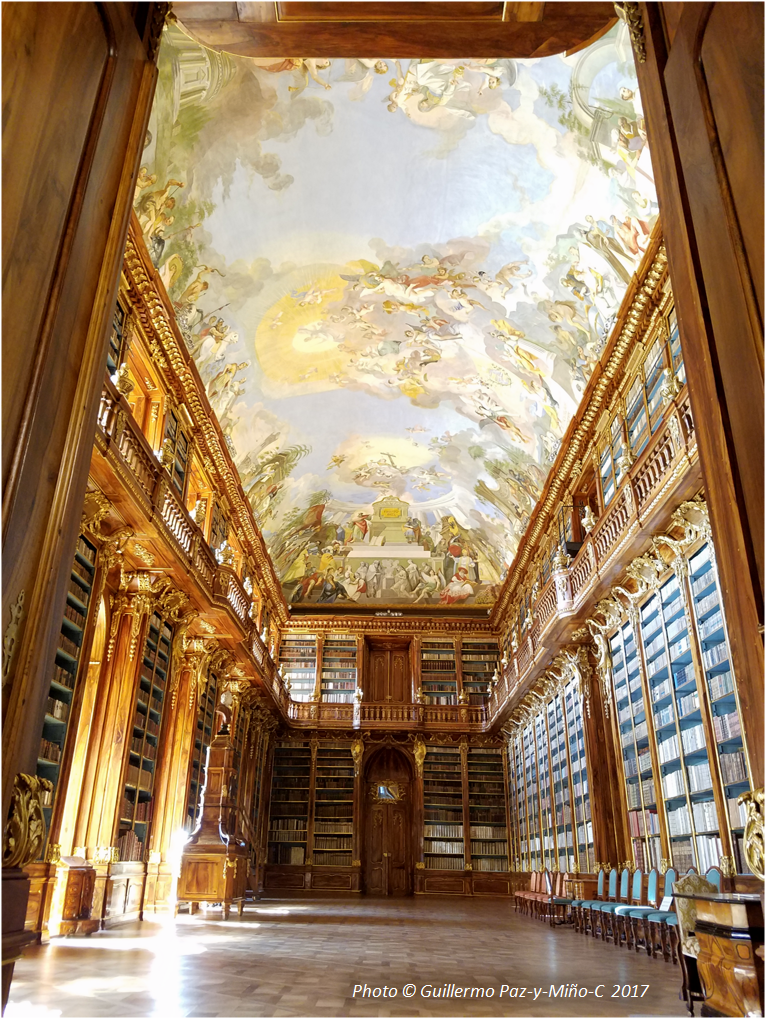
Above: the spectacular Theology Hall at the Strahov Monastery Library.

Above: Reader, at the National Library.

Above: the Philosophical Hall at the Strahov Monastery Library.

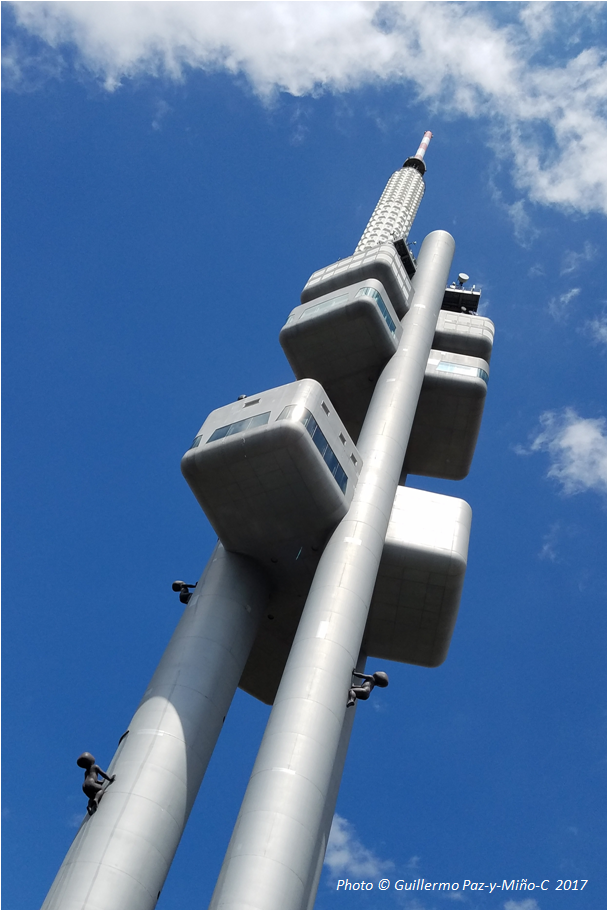
Above: Prague as seen from its “TV Tower” (93 meters above ground).

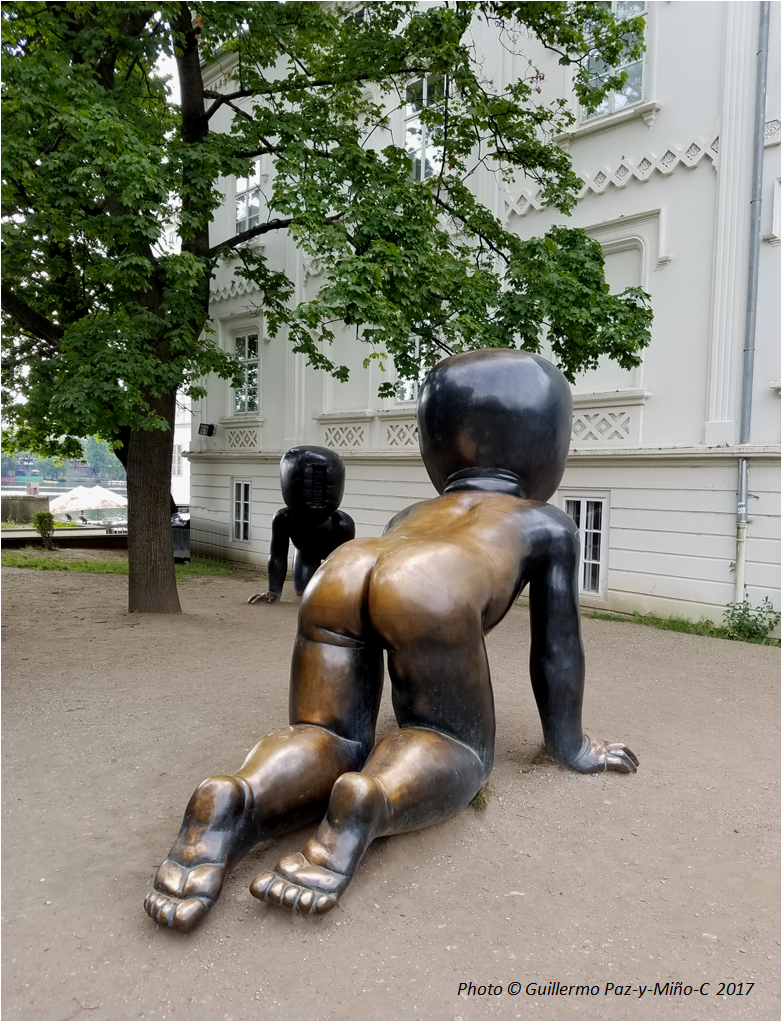
Above: Prague’s famous (or infamous) TV Tower, the babies climbing up are plastic replicas of the bronze “Babies” by David Černý.

Above: Bronze “Babies” by David Černý.

Above: Bronze “Babies” by David Černý.

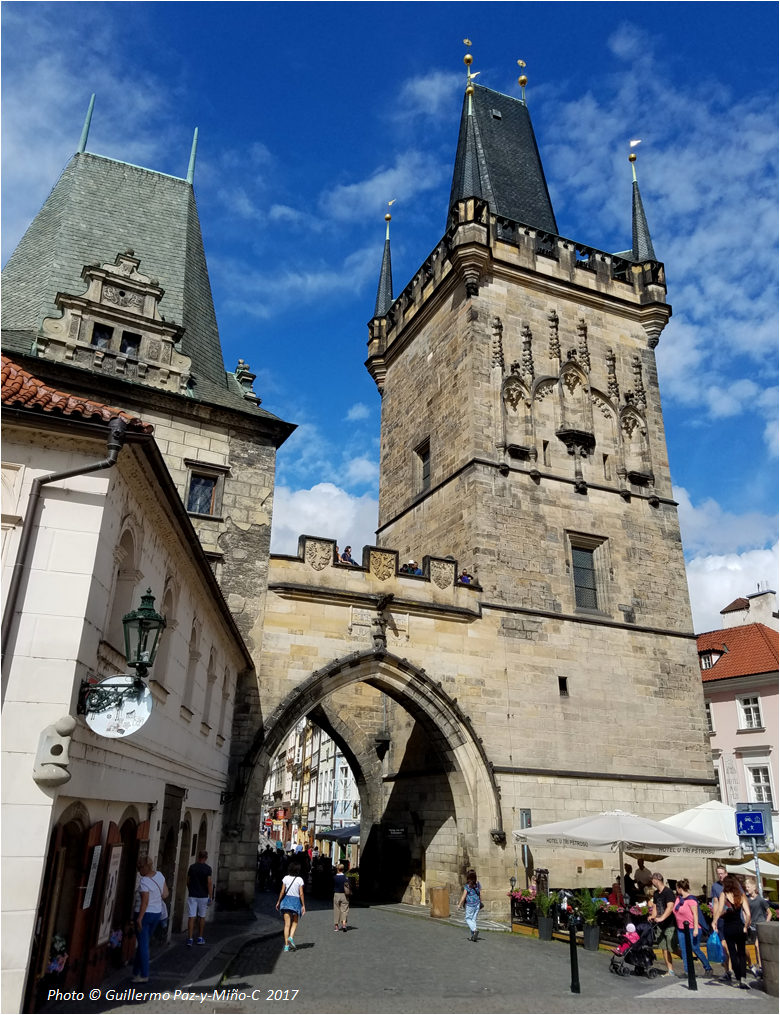
Above: the iconic Charles’ Bridge.

Above: one of the towers guarding the Charles’ Bridge (West side).

Above: officers patrolling the Charles’ Bridge.

Above: the “American Embassy” in Prague? Not really, but it was in the movie Mission Impossible – The Lichtenstejnsky Palace.

Above: Prague’s Astronomical Clock (under renovation).

Above: astronomers Tycho Brahe (Danish) and Johannes Kepler (German). Their destinies merged in Prague.

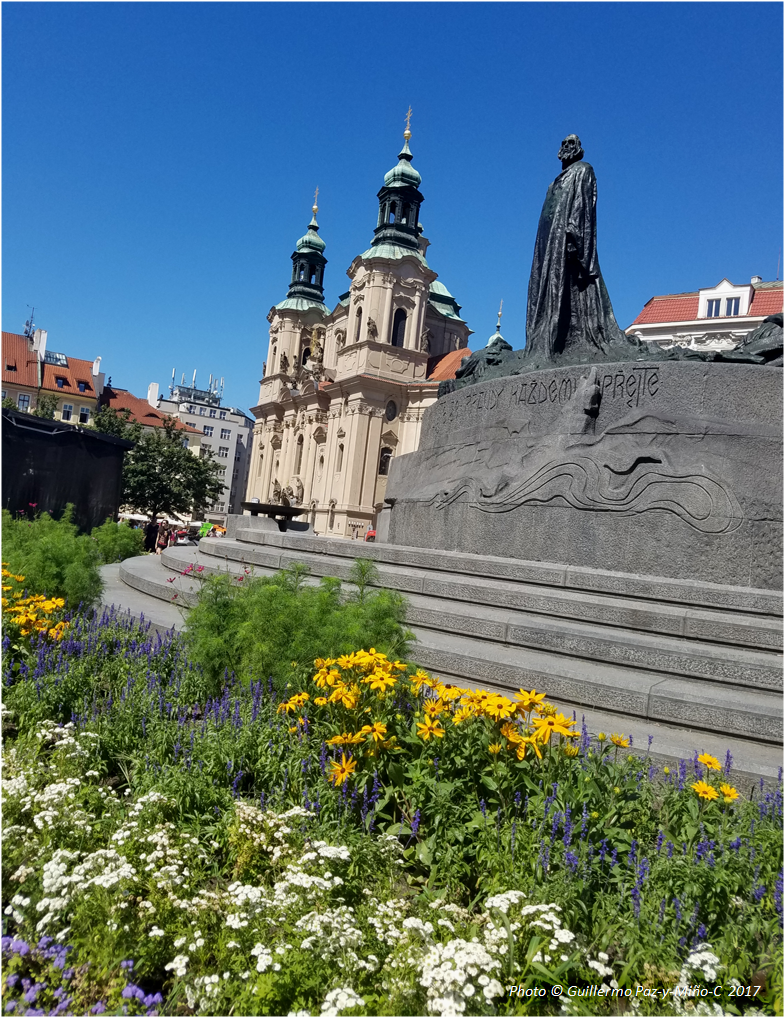
Above: Church of Our Lady and the Old Town Square.

Above: Jan Hus Memorial, Old Town Square.

Above: Prague’s meridian, Old Town Square.

Above: Franz Kafka by David Černý.

Above: honoring Franz Kafka by Jaroslav Róna.

Above: in Kafka’s name.

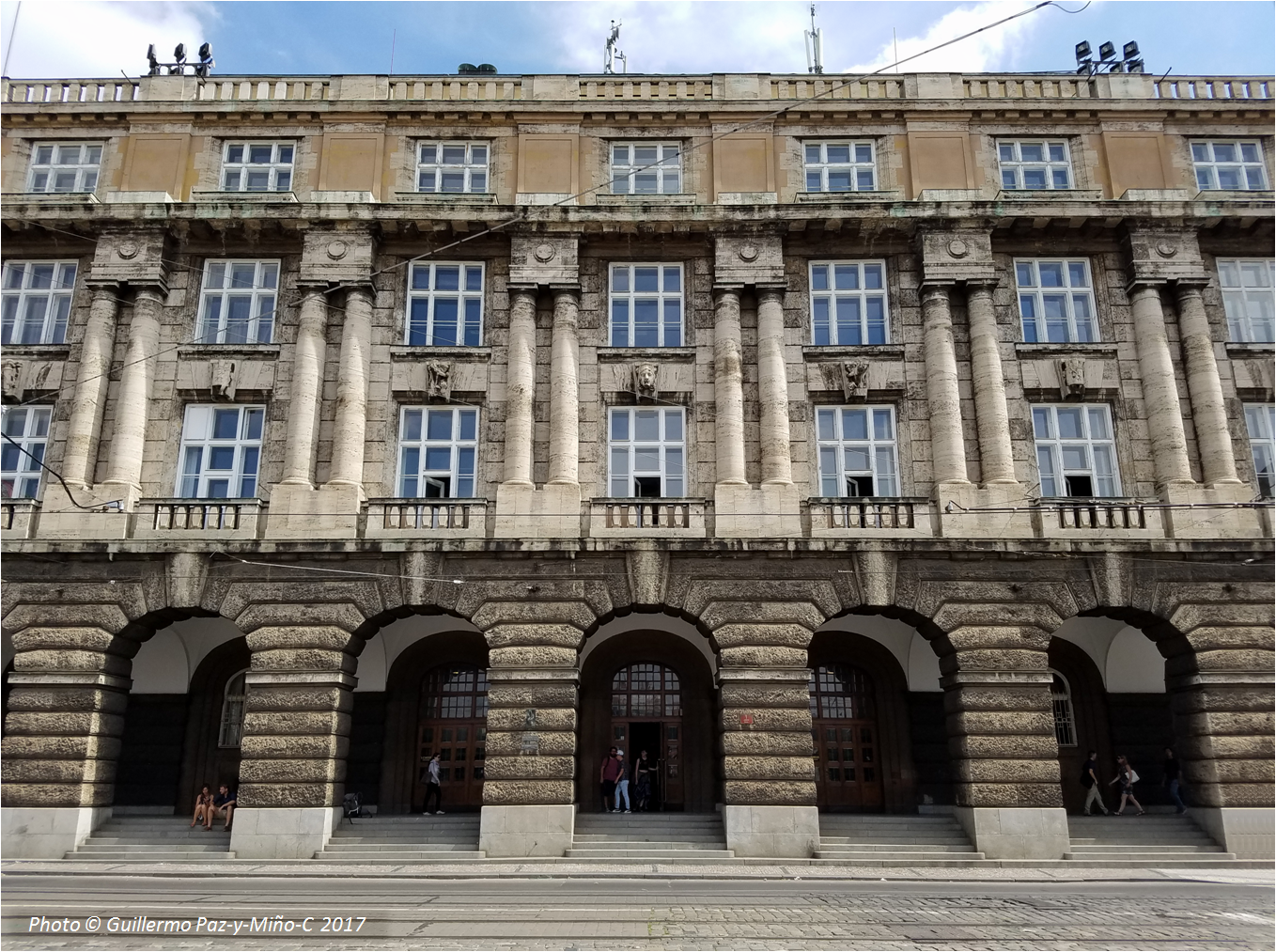
Above: the Faculty of Philosophy building in downtown Prague.

Above: honoring Jan Palach, outside of the Faculty of Philosophy building in downtown Prague.

Above: the Rudolfinum (we went to its “ongoing Vivaldi’s Four Seasons,” excellent).

Above: the majestic stage at the Rudolfinum, just before the recital began (we got third-row-center tickets).

Above: the decorated corridors at the Rudolfinum.

Above: the Estates Theater where Mozart’s Don Giovanni was first played.

Above: Il Commendatore by Anna Chromy.

Above: the National Theater.

Above: marionette related (we went to see Don Giovanni at the National Marionette Theater; we gave the play three *** generous stars).

Above: the Saint Vitus Cathedral.

Above: inside the Saint Vitus Cathedral.

Above: back interior of the Saint Vitus Cathedral.

Above: back outdoors of the Saint Vitus Cathedral.

Above: the Saint Vitus Cathedral as seen from the Queen Anne’s Summer Palace.

Above: Darkness in the Saint Vitus Cathedral; statue of Friedrich Johannes Jacob Celestin von Schwarzenberg.

Above: torture equipment at the Guard’s Tower, Prague’s Castle.

Above: the Queen Anne’s Summer Palace.

Above: museum at the Queen Anne’s Summer Palace.

Above: Measuring the Evolution Controversy at the Queen Anne’s Summer Palace.

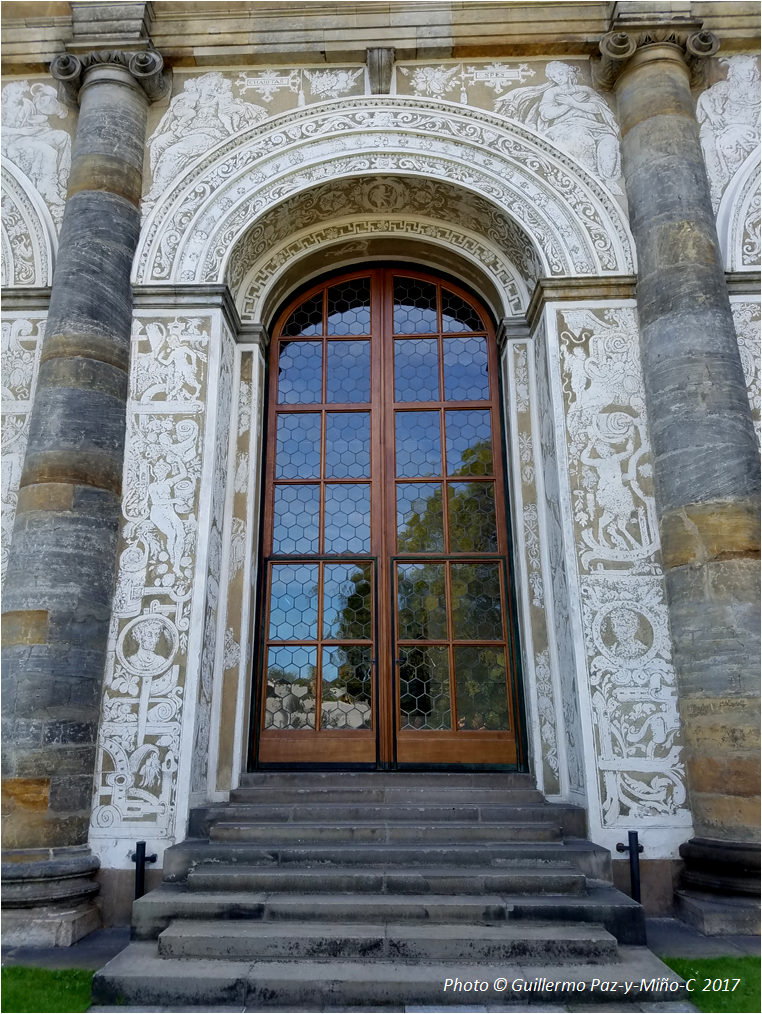
Above: decorated arches at the Queen Anne’s Summer Palace.

Above: details at the Queen Anne’s Summer Palace.

Above: more of the Queen Anne’s Summer Palace.

Above: God, Christ, Spirit at Rosenberg Palace.

Above: at the Prague’s Castle (Rosenberg Palace), where the monarchy is history.

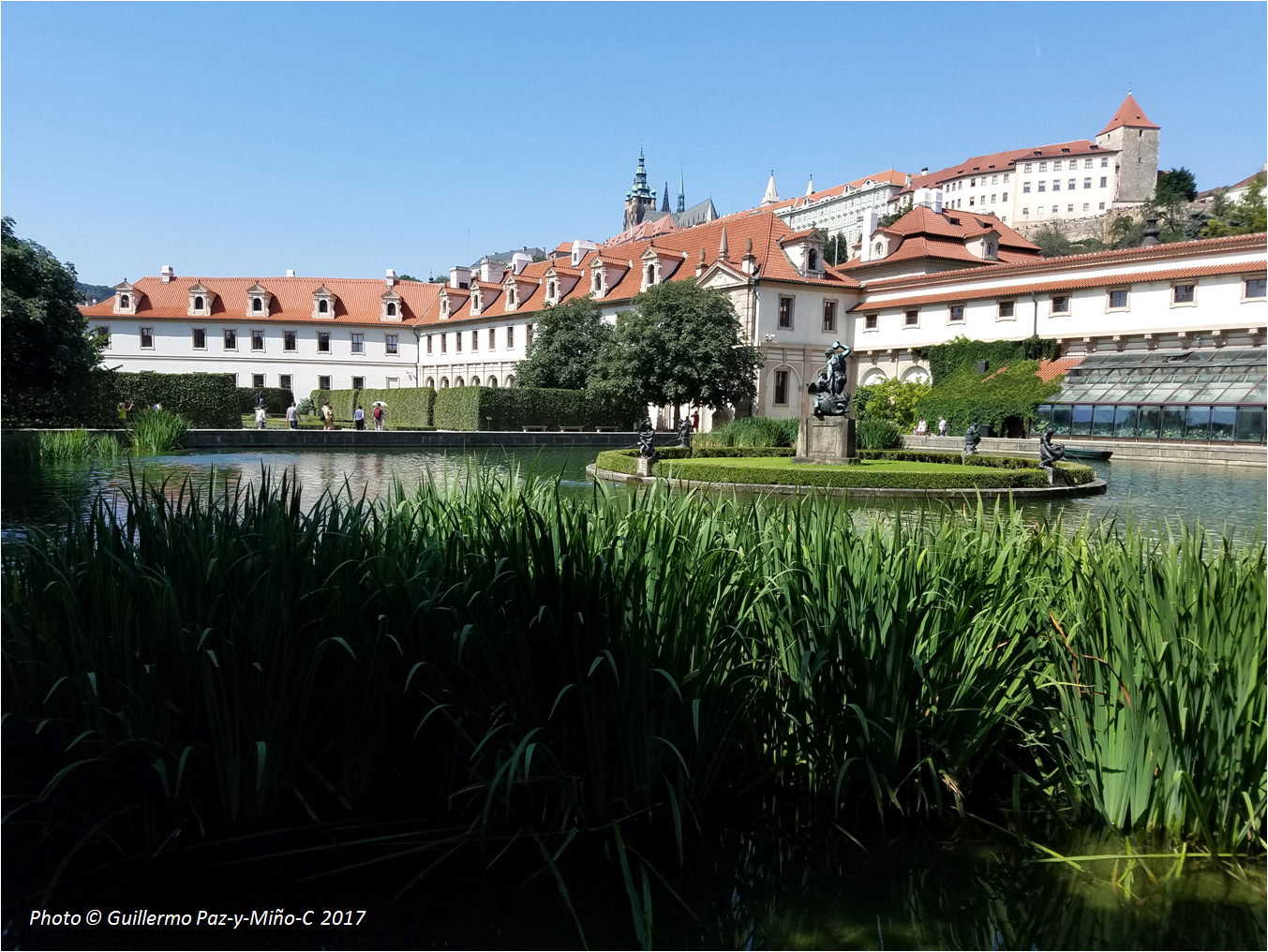
Above: the Wallenstein Garden.

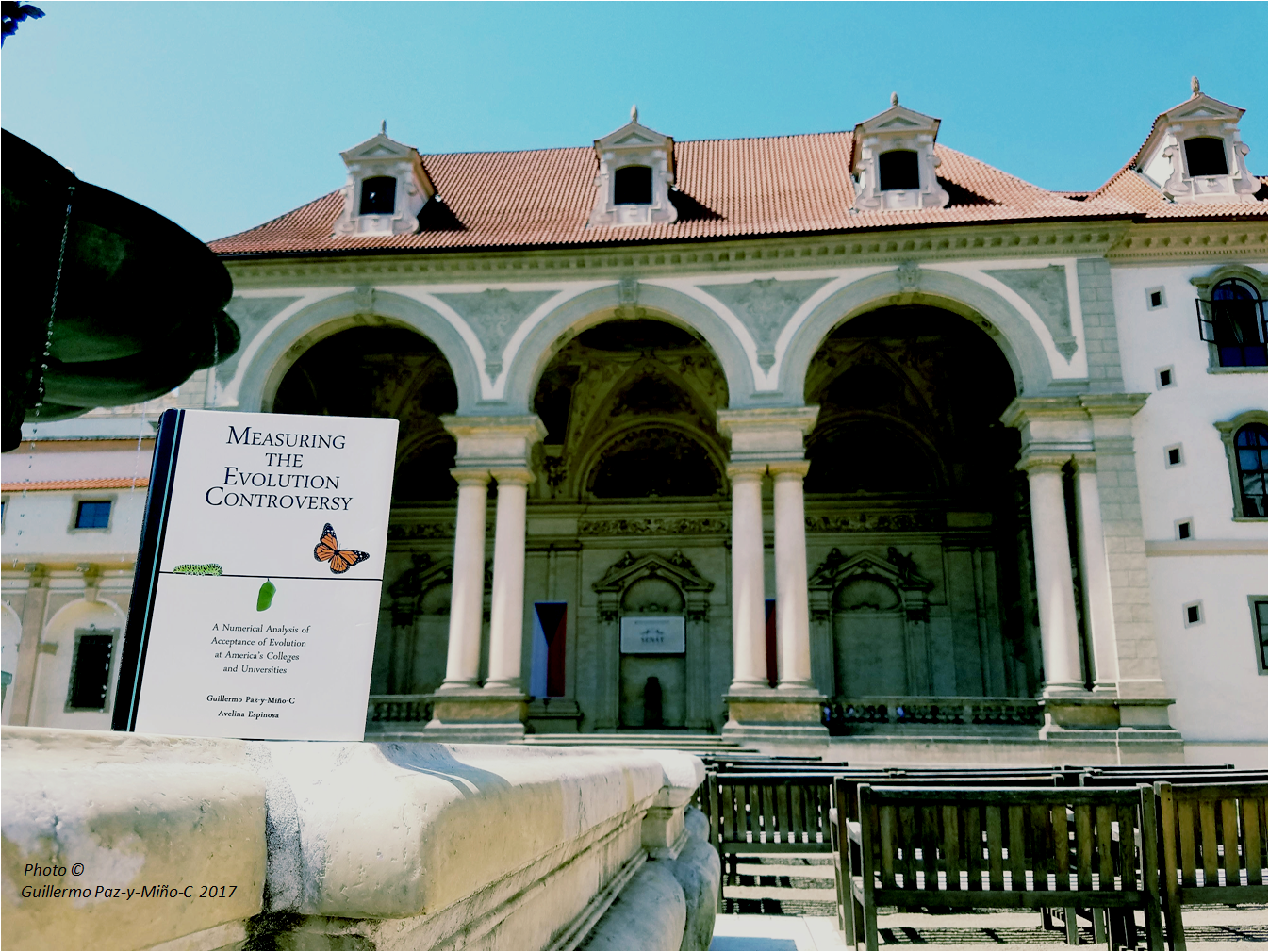
Above: Measuring the Evolution Controversy posing before the Senate building, Wallenstein Garden.

Above: the Devil at the Wallenstein Garden.

Above: don’t know these people, but they are up to something important.

Above: the spectacular Spanish Synagogue (my personal favorite, world quality).

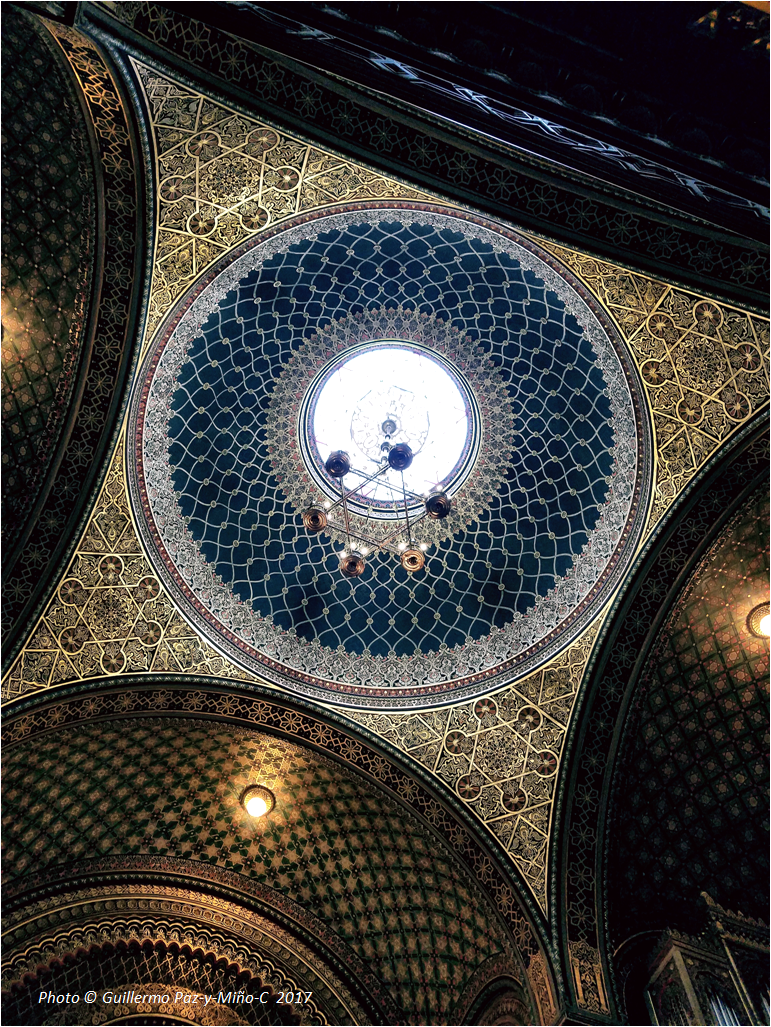
Above: the main dome at the Spanish Synagogue.

Above: more beauty at the Spanish Synagogue.

Above: one of the pillars at the Spanish Synagogue.

Above: and another pillar at the Spanish Synagogue.

Above: at the Jewish Cemetery.

Above: more of the Jewish Cemetery.

Above: Names, thousands of names, Jewish Cemetery.

Above: the Maisel Synagogue.

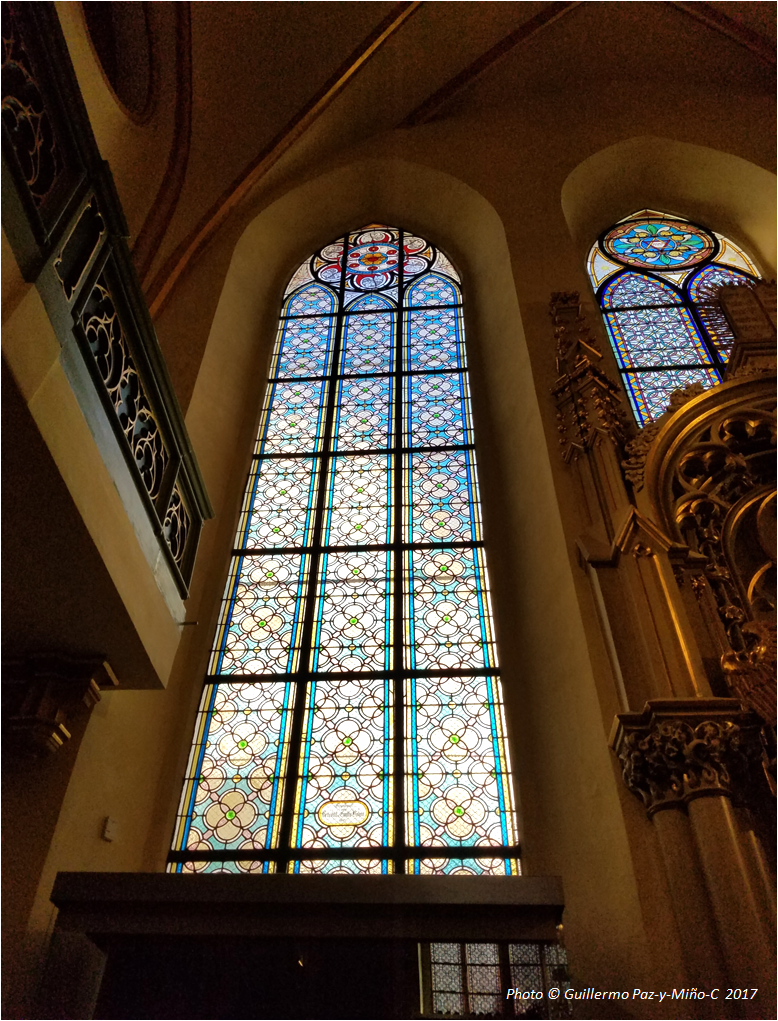
Above: tryptic stained glass at the Maisel Synagogue.

Above: stained glass next to central hall, the Maisel Synagogue.

Above: the Pinkas Synagogue.

Above: Measuring the Evolution Controversy at the National Library in Prague.

Above: the Strahov Monastery, afternoon.

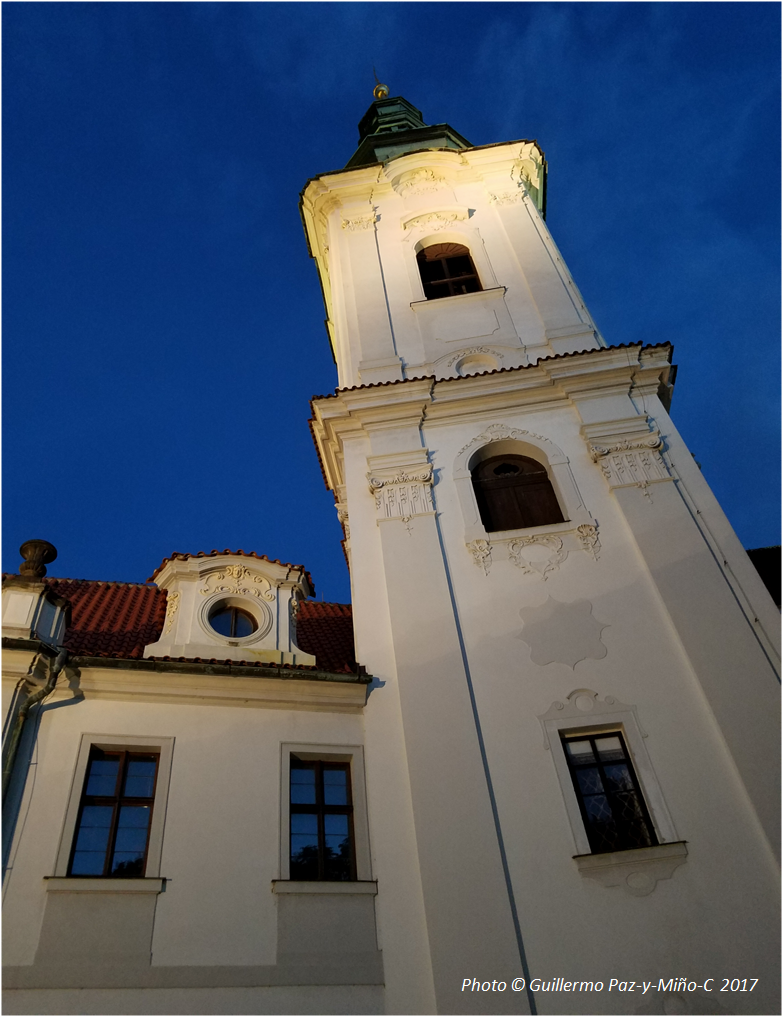
Above: details of the Strahov Monastery.

Above: iron bronze gate at the Strahov Monastery.

Above: more details of the Strahov Monastery.

Above: a zoom-out view of the Strahov Monastery.

Above: Petrin Tower, the Moon, and Strahov Monastery.

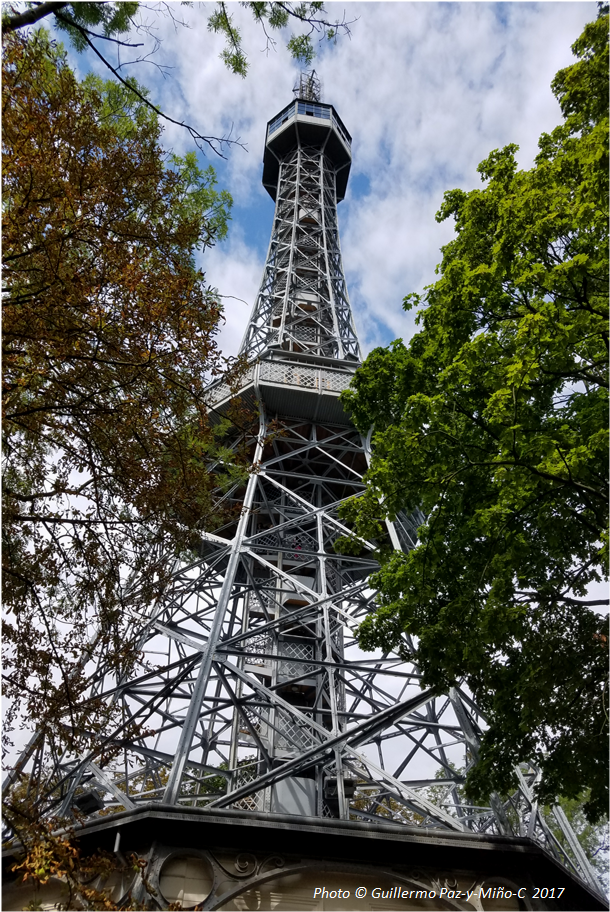
Above: Petrin Tower.

Above: Saint Vavřince church (center) and Prague as seen from the Petrin Tower.

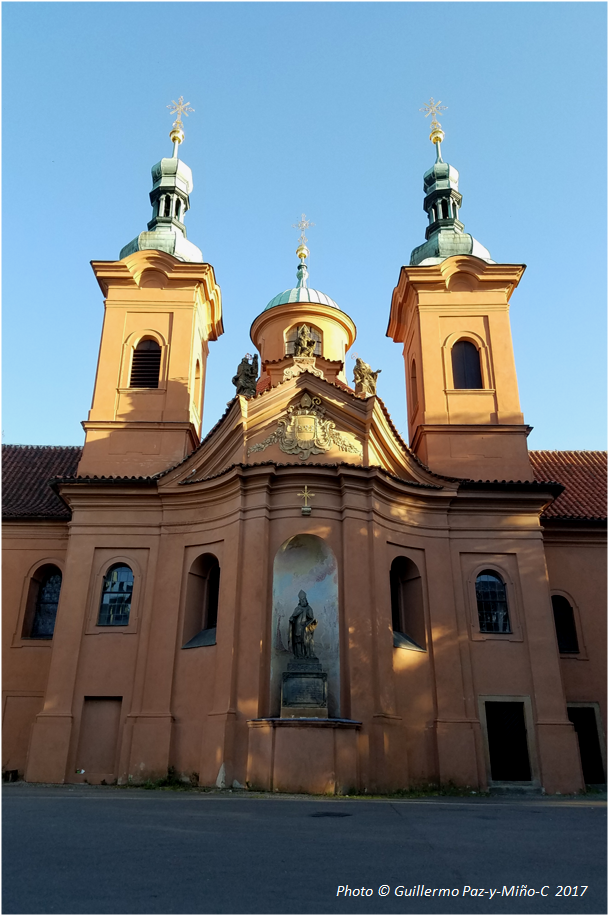
Above: and a close up of the Saint Vavřince church.

Above: the famous Funicular…

Above: the majestic Santa Barbara Church in Kutná Hora.

Above: the Saint Vitus Cathedral as seen from the Queen Anne’s Summer Palace.

Above: outdoors Strahov Monastery Library.

Above: a close up of the Theology Hall at the Strahov Monastery Library.

Above: decorated Evangeliary at the Strahov Monastery Library.

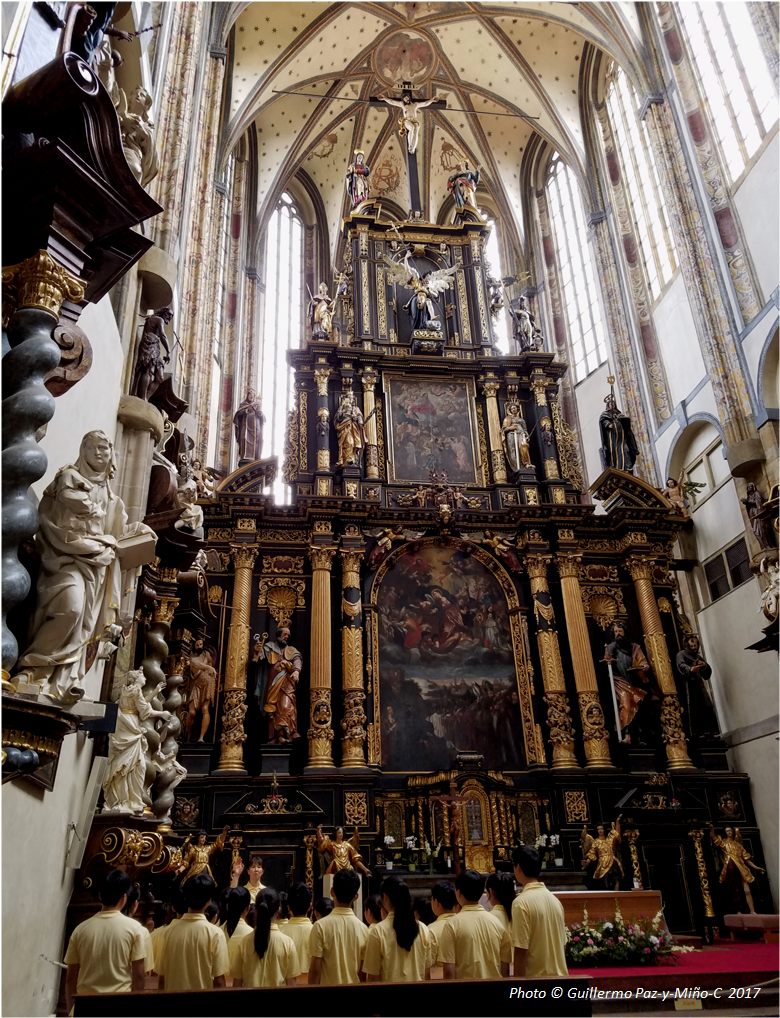
Above: kids choir at the Church of Our Lady.

Above: at the entrance to the Sedlec Ossuary in Kutná Hora.

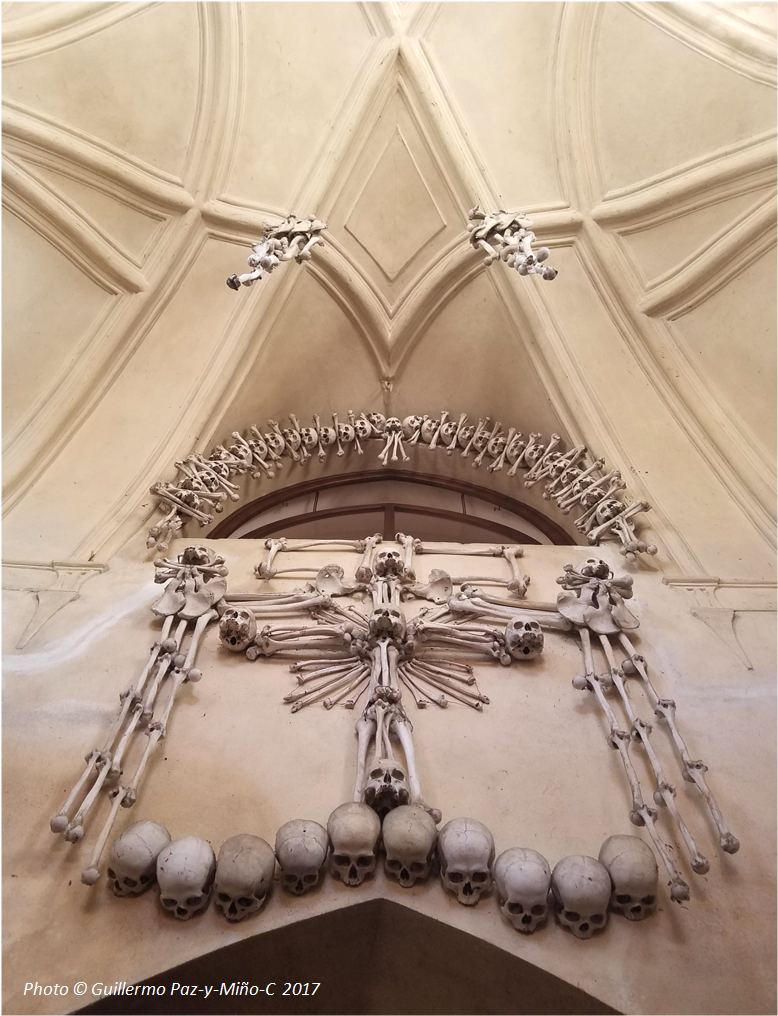
Above: shield of arms made of humans bones at the Sedlec Ossuary in Kutná Hora.

Above: skulls and baby angel at the Sedlec Ossuary in Kutná Hora.

Above: ornament made of bones at the Sedlec Ossuary in Kutná Hora.

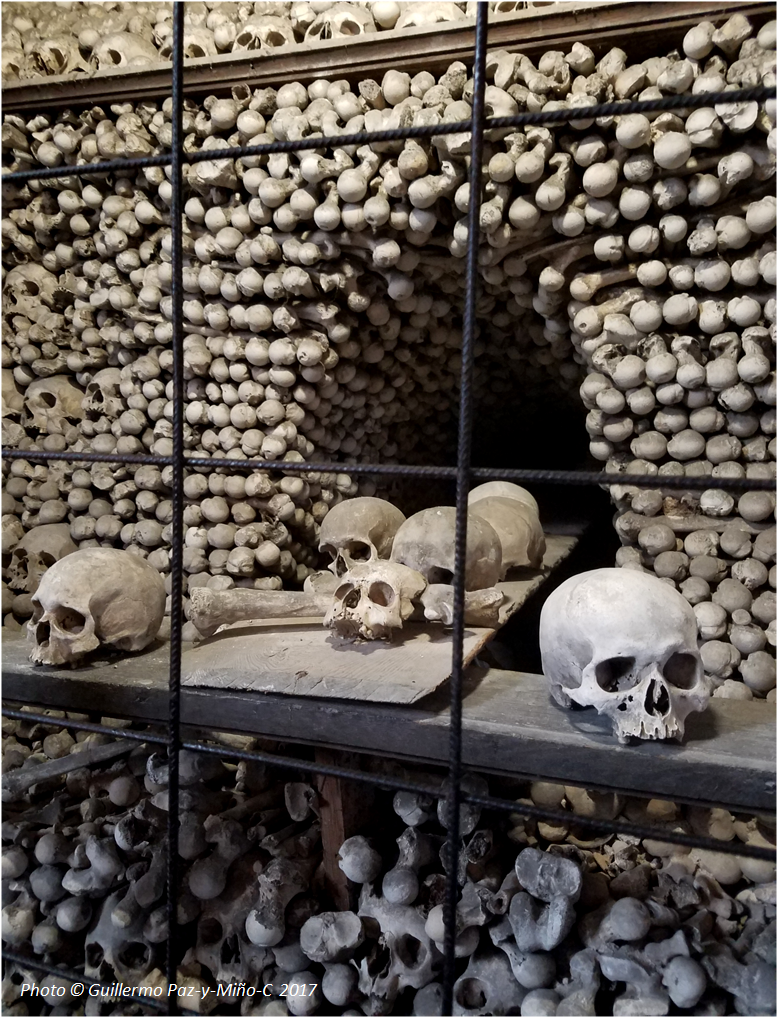
Above: the plague left its marks; the Sedlec Ossuary in Kutná Hora.

Above: Church of the Assumption in Kutná Hora.

Above: Bronze friendship.

Above: Symmetry at the Queen Anne’s Summer Palace.

Above: Measuring the Evolution Controversy resting at the Queen Anne’s Summer Palace.

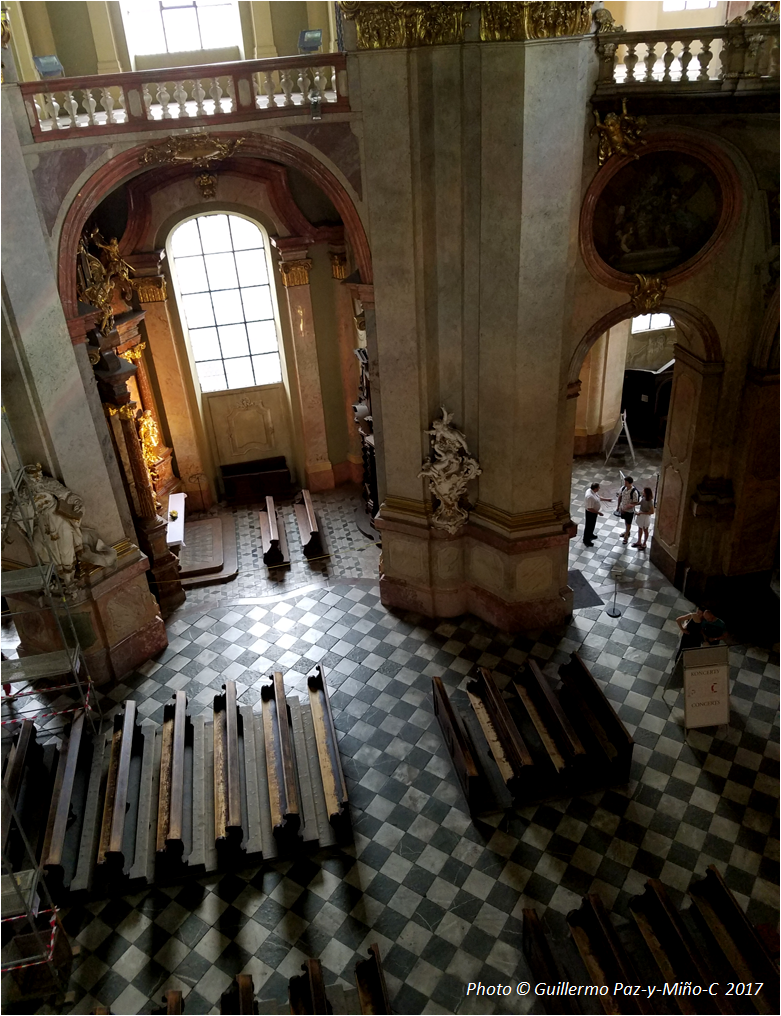
Above: the pipe organ at the Saint Nicholas Church, one of Mozart’s favorites.

Above: dome at the Saint Nicholas Church.

Above: more of the Saint Nicholas Church.

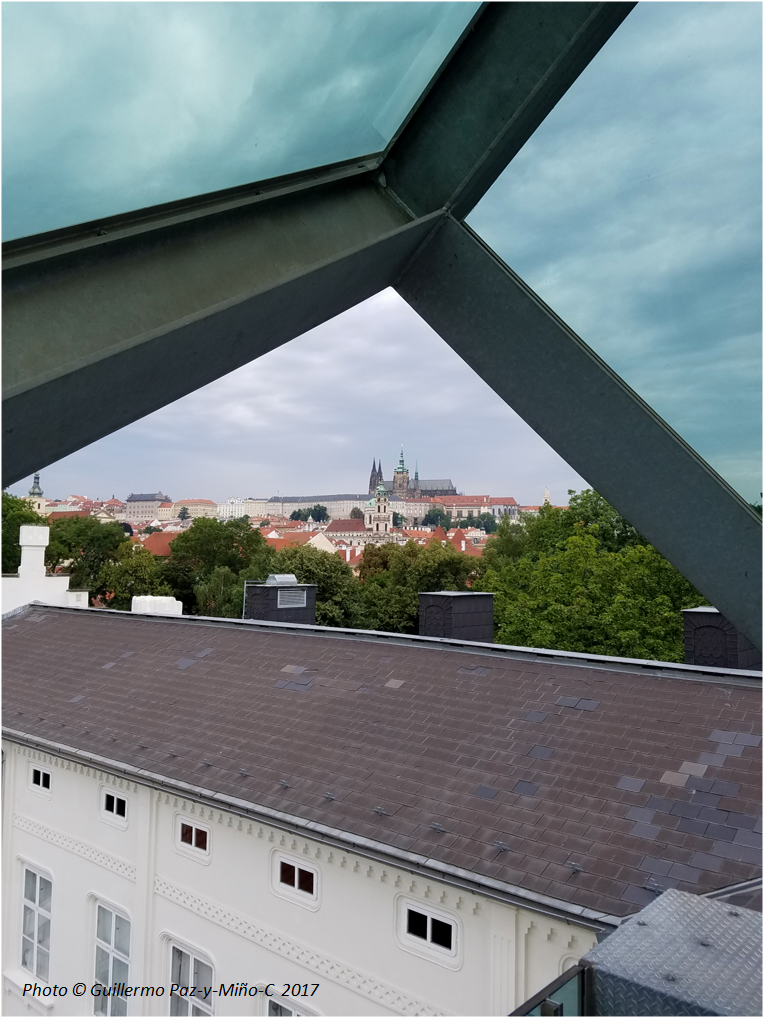
Above: the Prague’s Castle as seen from the Kampa Museum.

Above: view of Prague from the Strahov Monastery.

Above: The Crossing to Prague.

Above: the Prague’s Castle as seen from the Vltava River.

Above: water lily nearby the Prague’s Castle, can you spot the bee?

Above: the Lennon Wall.

Above: souvenirs.

Above: walking back to our hotel.

Above: my last view of Prague (airport).

Images of an Island, Culture and People’s Hopes: Jamaica

Explore the planet. Do not take vacations; instead, travel. What you get to like most can come from where you least expect it. — Here I share a pictorial sample of the many facets of Jamaica. While visiting the island, I found myself surprised by the contrasts of its amazing nation, although all nations and cultures are supposed to be contrasting in their traditions. That is the nature and, sometimes, the beauty of the human experience. — GPC  

jamaica-images-of-an-island-culture-and-peoples-hopes-photo-g-paz-y-mino-c-2017

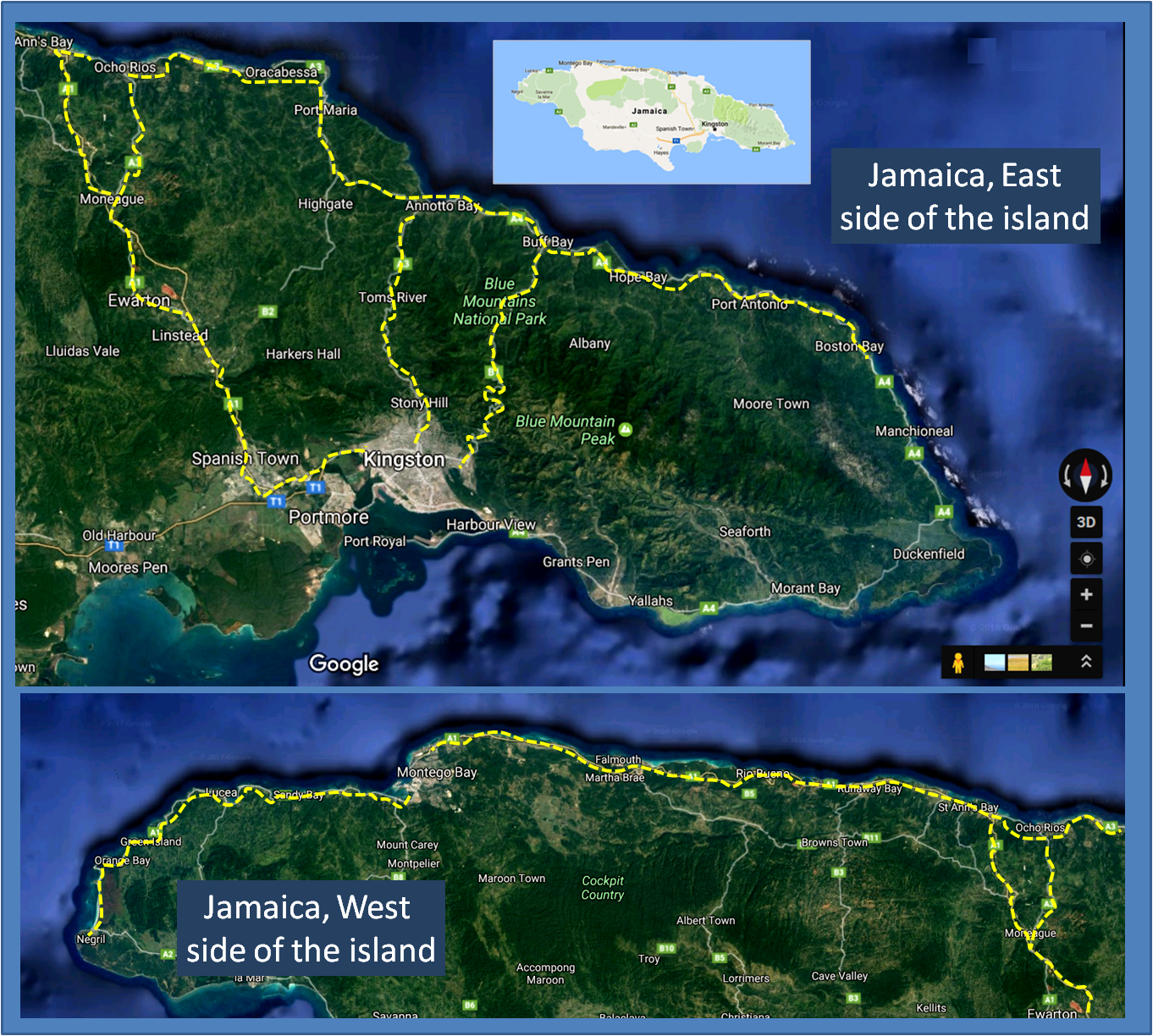
In our latest visit to Jamaica, we covered 1,564 miles driving along and across the island (and on the left side of the road!). Not a lot in comparison to other trips, but the Jamaican roads were narrow (except for the toll highways, which were modern and impressive), rich in towns and places to stop. We tried to not miss anything. There were many details to appreciate, a single visit was not enough to explore all we wanted.

We thank the Jamaican people for being kind and friendly, generous and proud of their nation. They taught us much about culture, universities, traditions, values, food (the Jamaican Jerk is excellent), ambitions, socio-economic frustrations and hopes for the future. We wish them well and anticipate to see –some day– Jamaica as a Republic, and no longer a “constitutional monarchy,” a fraction of the British Crown. The maps below summarize our driving routes (yellow dashed lines) back and forth, every day. The rainforests across the Blue Mountains (East side of the island) were spectacular.

jamaica-maps-east-and-west-sides-2017

Above: The island of Jamaica (4,240 square miles) is the third largest in the Caribbean, after Cuba and Hispaniola (Haiti and Dominican Republic).

In this post, I share a small sample of the 1,000+ images taken while traveling in Jamaica (in no strict chronological order, but reflecting related events that took place while exploring the island). The images alone tell the story, I provide little text. At times, I found myself surprised by the contrasts in the Jamaican nation, although all nations and cultures are supposed to be contrasting in their traditions. That is the nature and, sometimes, the beauty of the human experience. I must say, however, that the wealth divide was acute, and as epidemic and unfair as among other Caribbean or South American countries. It could be felt everywhere.

Examine the photo ride, be patient, open your mind to the message, and find depth in the details. At the end, I summarize my impressions in a concluding remark.

flying-over-jamaica-photo-g-paz-y-mino-c-2017

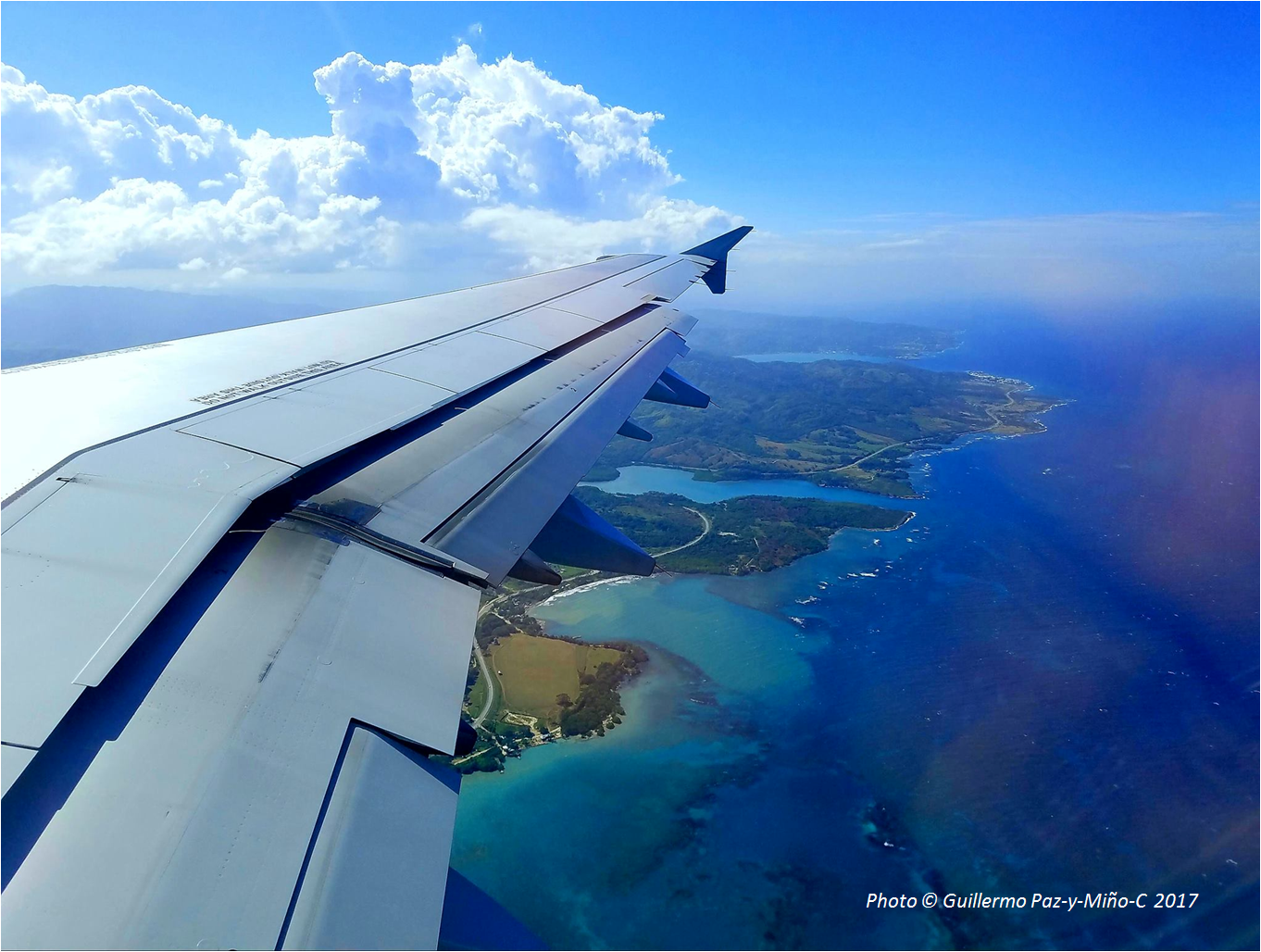
Above: Arriving in Jamaica. Northwest part of the Island. We landed at Sangster Montego Bay International Airport (MBJ). There are several international airports in Jamaica and numerous small landing runways (see airports in Jamaica).

people-at-ocho-rios-jamaica-photo-g-paz-y-mino-c-2017

Above: Ocho Rios, in the North-central part of Jamaica. An active, commercial town. Tourism is an important component of the local economy (see Jamaican Economy).

spot-the-pigeon-ocho-rios-photo-g-paz-y-mino-c-2017

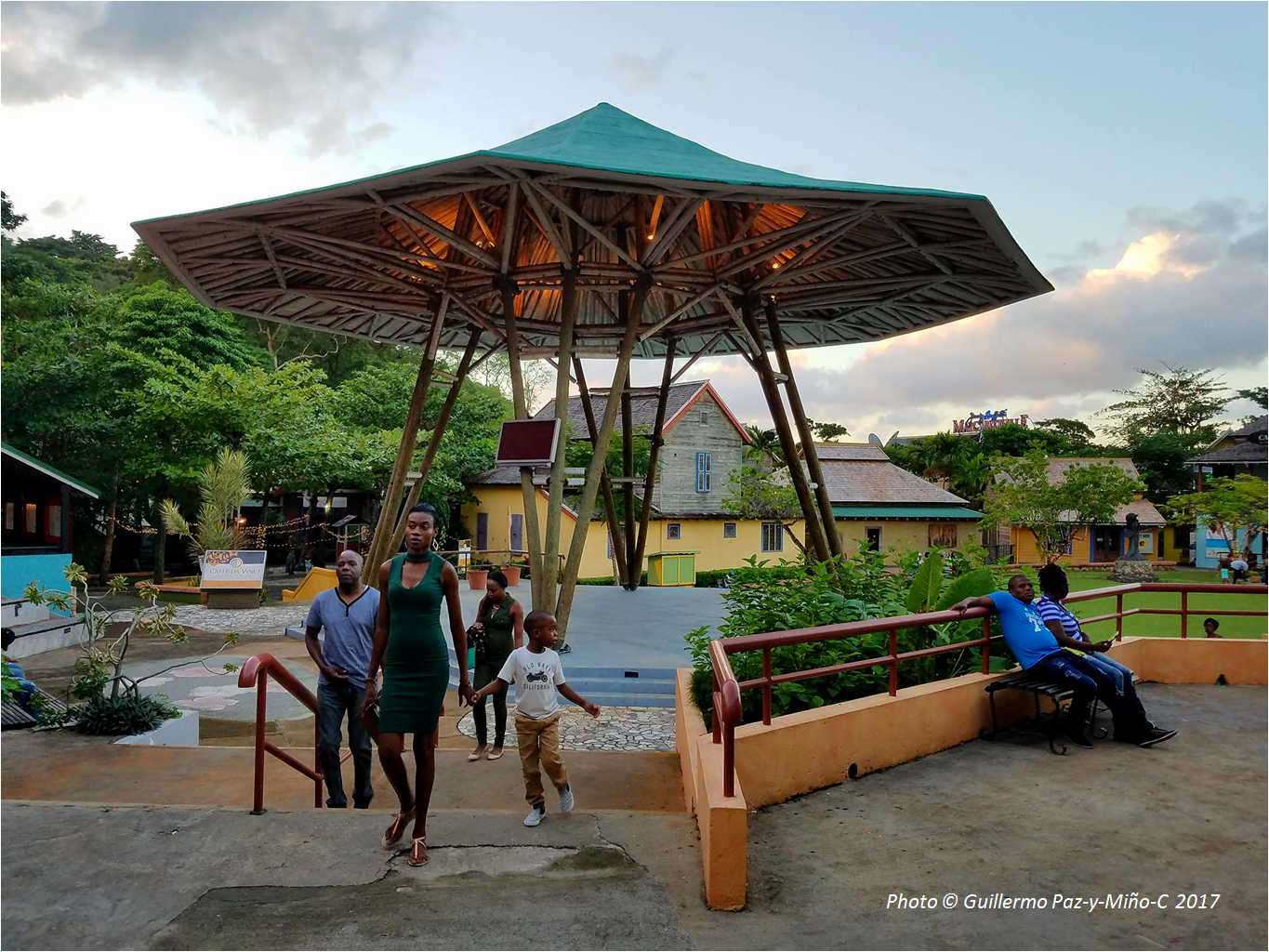
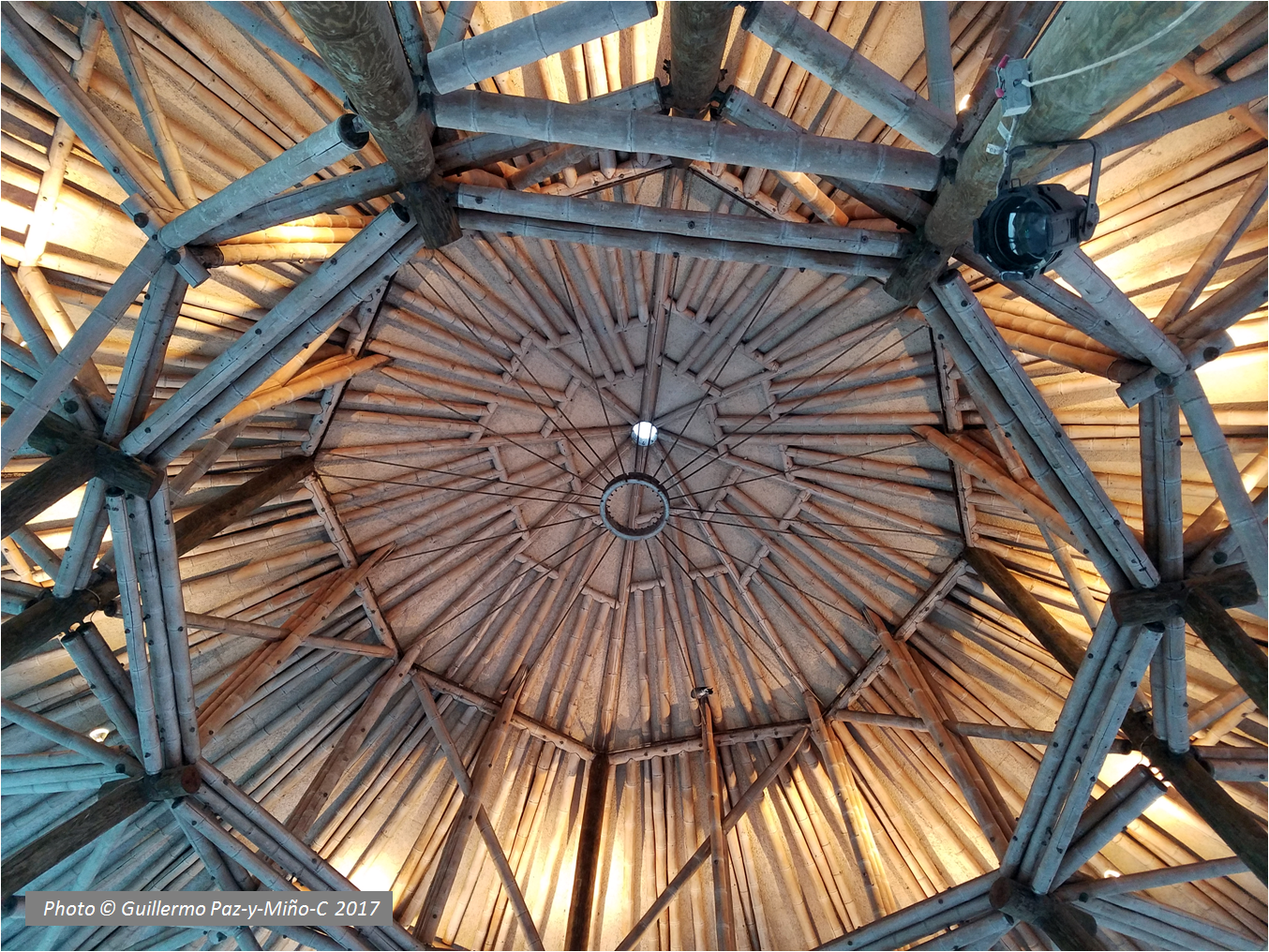
Above: A close up of the central stage (structure built on bamboo and logs) at Ocho Rios’ Island Village. Spot the rock pigeon, there is one to be found.

sandcastle-ocho-rios-jamaica-photo-g-paz-y-mino-c-2017

Above: African ancestry mixed with Spanish and… later… English heritage, Ocho Rios.

tropical-fish-metal-ocho-rios-jamaica-photo-g-paz-y-mino-c-2017

Above: The Jamaican colors are everywhere, Ocho Rios.

jamaican-newspapers-photo-g-paz-y-mino-c-2017

Above: Jamaican newspapers. The Gleaner.

lettter-of-the-day-jamaican-newspaper-photo-g-paz-y-mino-c-2017

Above: Letter of the Day, Jamaican newspapers, The Gleaner.

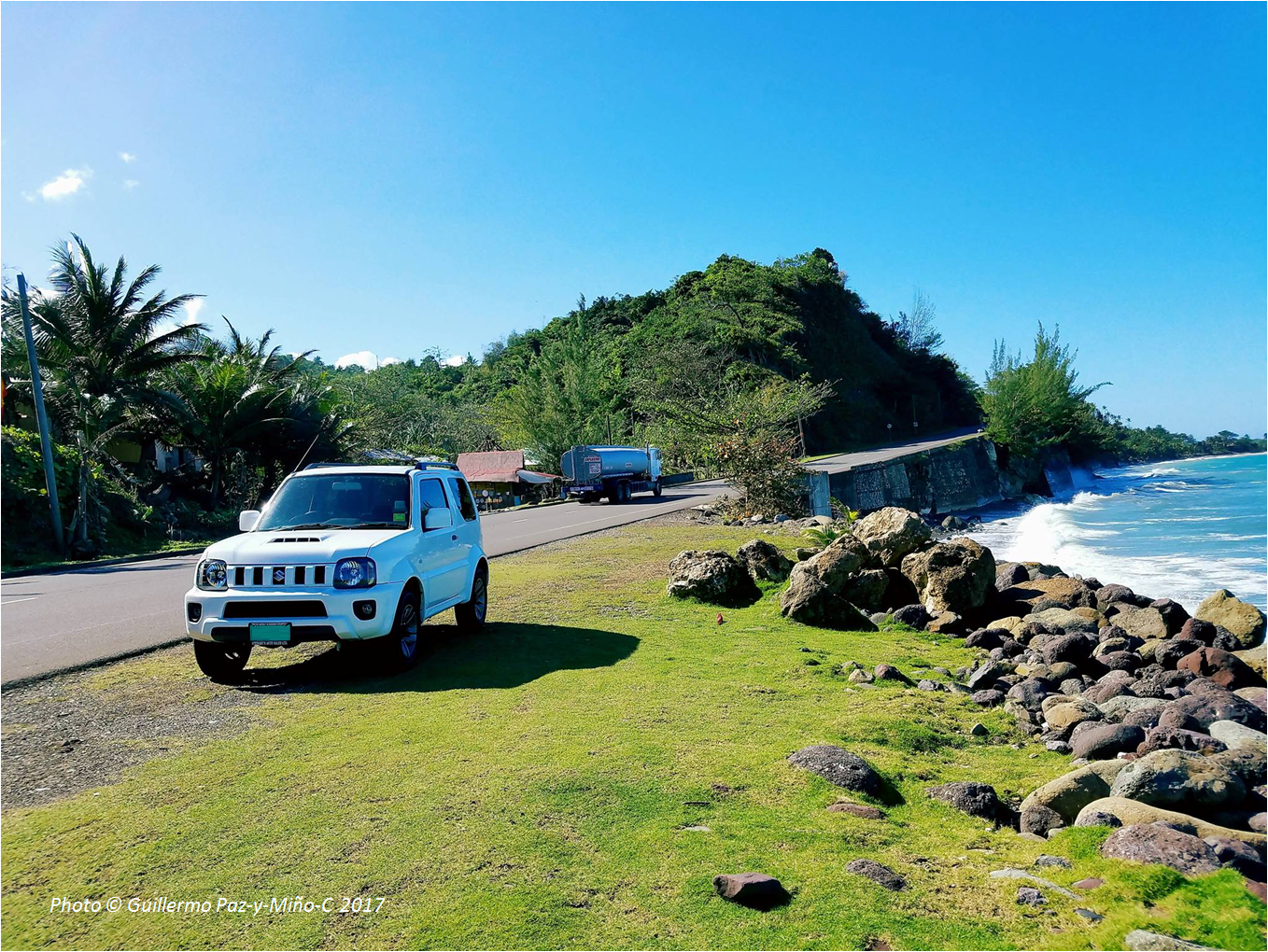
right-side-suzuki-buff-bay-jamaica-photo-g-paz-y-mino-c-2017

Above: Driving on the left-side of the road, right-side of the car… can be confusing. The brain, however, adapts to it surprisingly fast. The local advice is “stick to the left, drive slowly.”

road-fatalities-jamaica-photo-g-paz-y-mino-c-2017

Above: Warnings to drivers… Ocho Rios (but common in urban, suburban and rural areas across Jamaica).

scamming-billboard-photo-g-paz-y-mino-c-2017

Above: A country-wide road campaign. This is from the West part of the island, on our way to Negril.

bob-marley-museum-close-up-bw-marley-rd-photo-g-paz-y-mino-c-2017

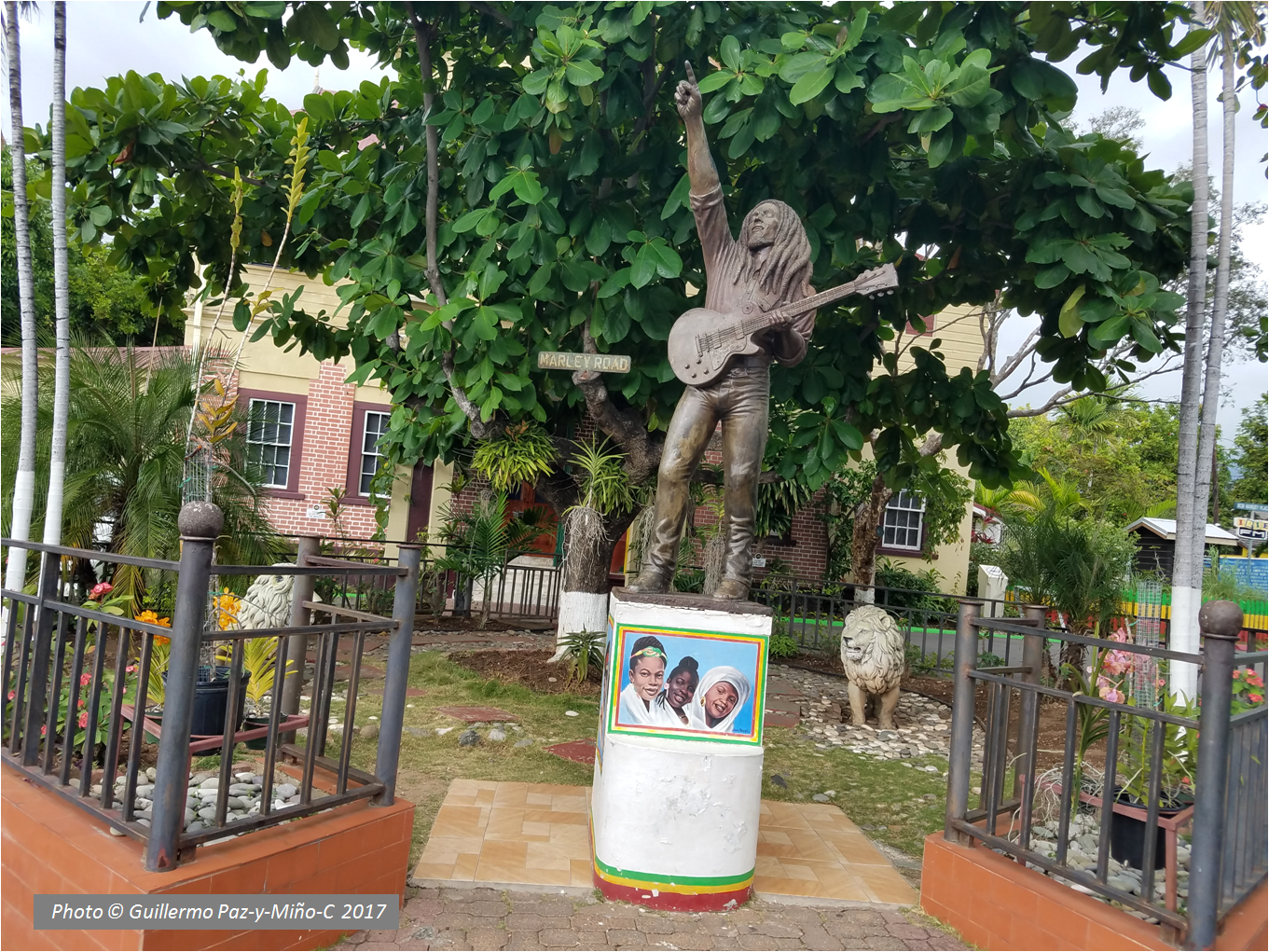
Above: At the Bob Marley Museum in Kingston. Quite nice guided visit (80 minutes).

tickets-bob-marley-museum-photo-g-paz-y-mino-c-2017

Above: It was the right decision! The Bob Marley Museum is “the” most visited place in Jamaica.

bob-marley-progeny-photo-g-paz-y-mino-c-2017

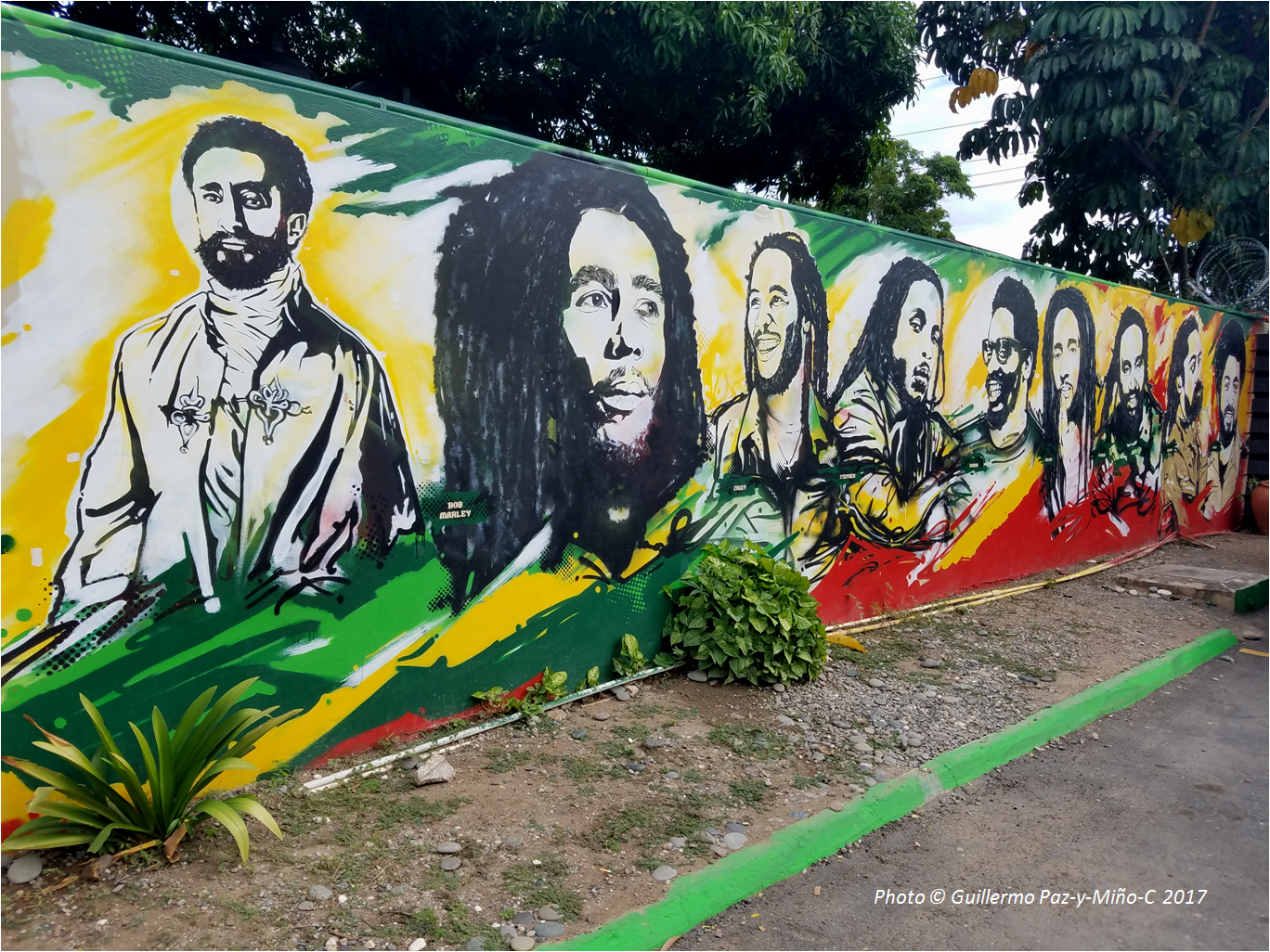
Above: Bob Marley’s progeny. Mural at the Bob Marley Museum, Kingston.

bob-marley-museum-bw-mural-photo-g-paz-y-mino-c-2017

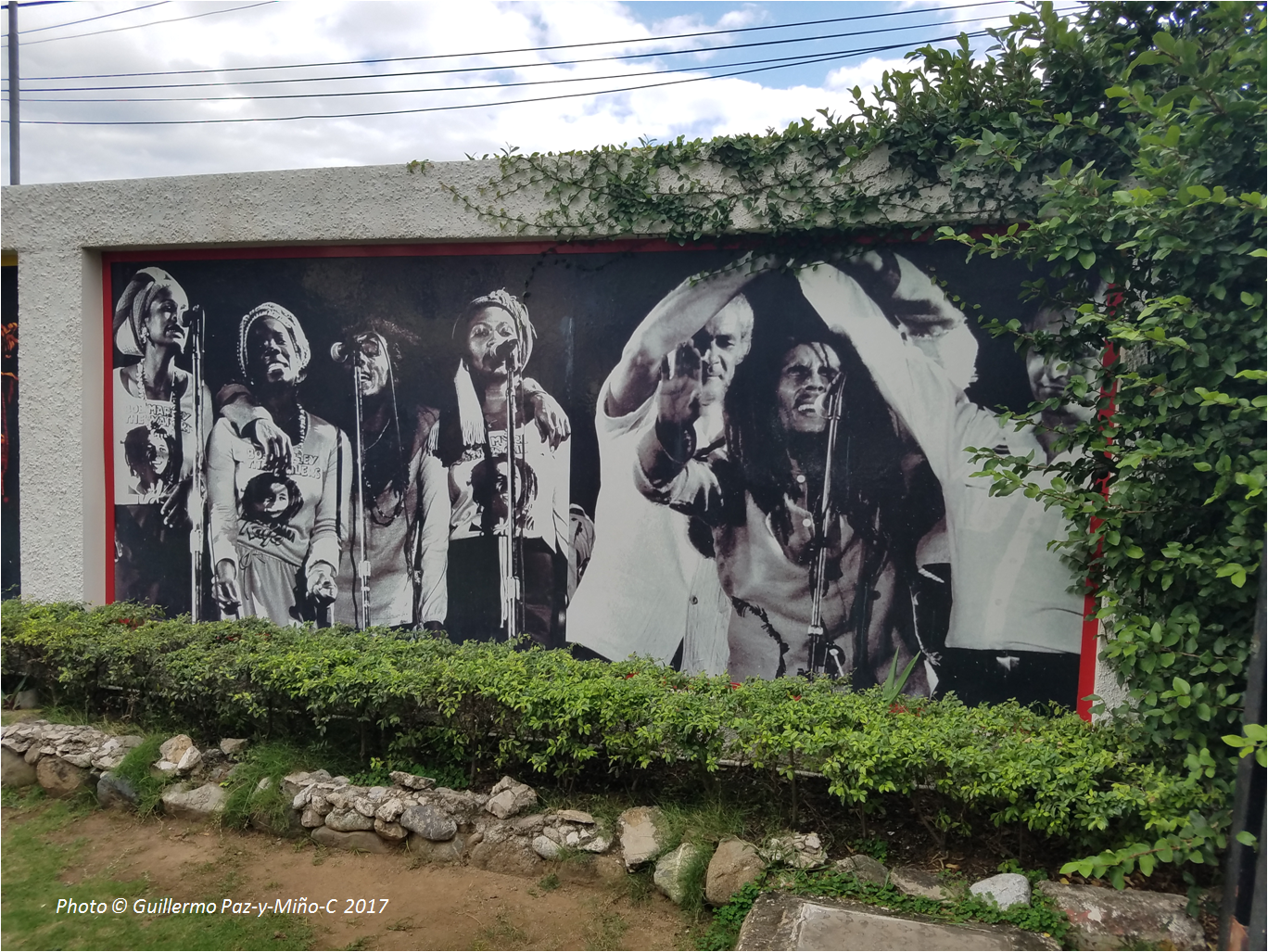
Above: Mural on the inside wall around the Bob Marley Museum. Learn some history about it.

bob-marley-museum-color-mural-photo-g-paz-y-mino-c-2017

Above: Mural on the inside wall around the Bob Marley Museum. Learn some history about it.

bob-marley-museum-main-entrance-photo-g-paz-y-mino-c-2017

Above: Main entrance to the Bob Marley Museum. Learn about the museum’s history.

redemption-song-by-laura-facey-kingston-photo-g-paz-y-mino-c-2017

Above: The beautiful, sensual and rebellious “Redemption Song” by Laura Facey, at the Emancipation Park, Kingston. – The statue design was selected among sixteen proposals in a national competition. – We liked this sculpture so much. Artists who do not shock do not live fully. With this sculpture, Facey did both.

bauhinia-at-castleton-botanic-gardens-photo-g-paz-y-minoc-2017

Above: Bauhinia at the impressive Castleton Botanic Gardens, central part of the island, a bit to the East. The tropical and subtropical rainforests in the area are spectacular.  

bench-at-castleton-botanic-gardens-photo-g-paz-y-minoc-2017

Above: An old bench turned into another element of the forest. Mosses, ants, anoles and birds come to it, but rarely people, Castleton Botanic Gardens.

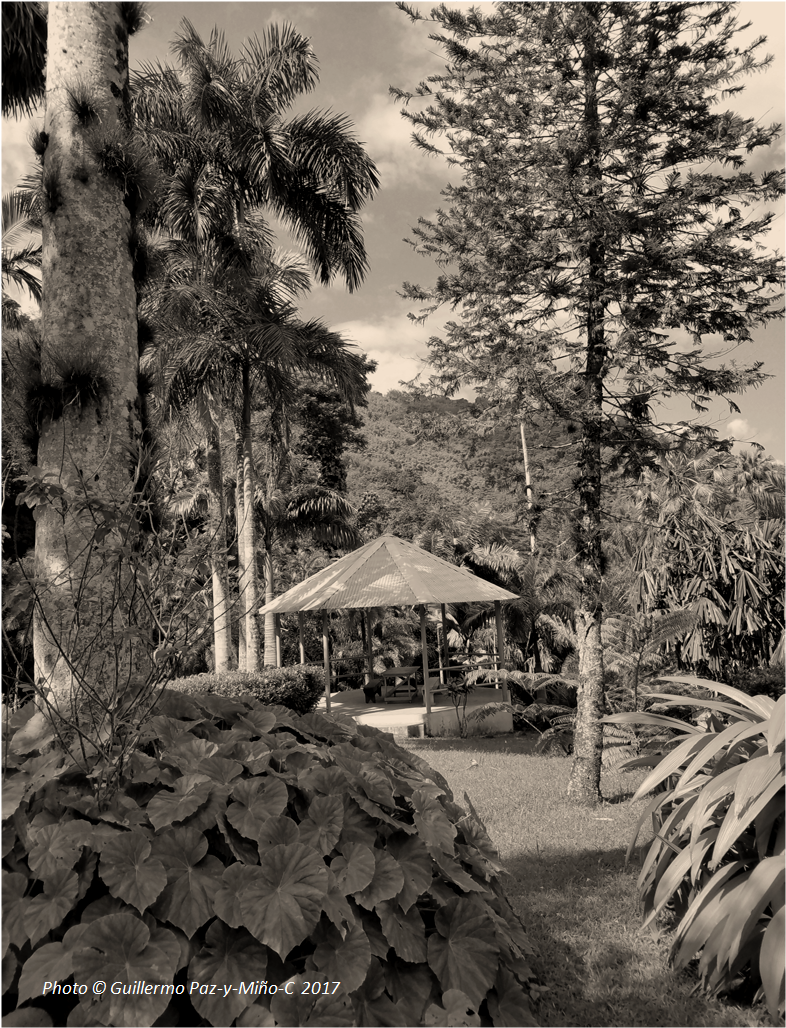
gazebo-at-castleton-botanic-gardens-photo-g-paz-y-minoc-2017

Above: Gazebo at the Castleton Botanic Gardens. It was so quiet that B&W became ideal.

bamboo-at-castleton-botanic-gardens-photo-g-paz-y-minoc-2017

Above: Bamboo, gentle shade, Castleton Botanic Gardens.

stop-near-buff-bay-jamaica-photo-g-paz-y-mino-c-2017

Above: Stop near Orange Bay and Buff Bay, Northeast part of Jamaica. Although hesitant at first, choosing a small car was quite practical (the rural roads can be very narrow).

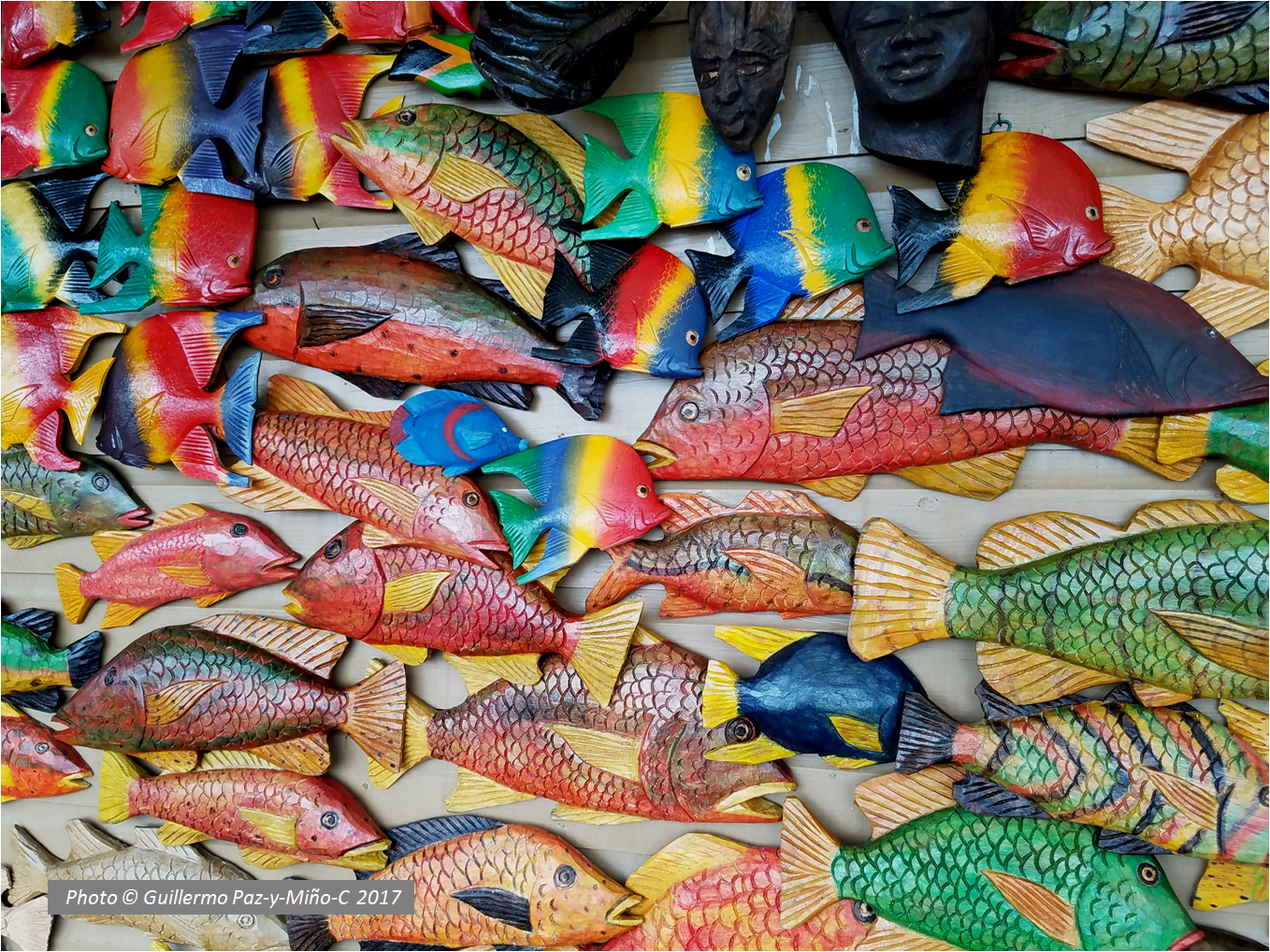
wooden-fishes-port-antonio-photo-g-paz-y-mino-c-2017

Above: Fishes carved on wood… on our way to Port Antonio.

bench-and-port-antonio-jamaica-photo-g-paz-y-mino-c-2017

Above: Port Antonio, relics of a romantic place, Northeast of Jamaica (image 1 of 3).

palms-port-antonio-jamaica-photo-g-paz-y-mino-c-2017

Above: Port Antonio, relics of a romantic place, Northeast of Jamaica (image 2 of 3).

overview-port-antonio-jamaica-photo-g-paz-y-mino-c-2017

Above: Overview of Port Antonio, Northeast part of Jamaica (image 3 of 3).

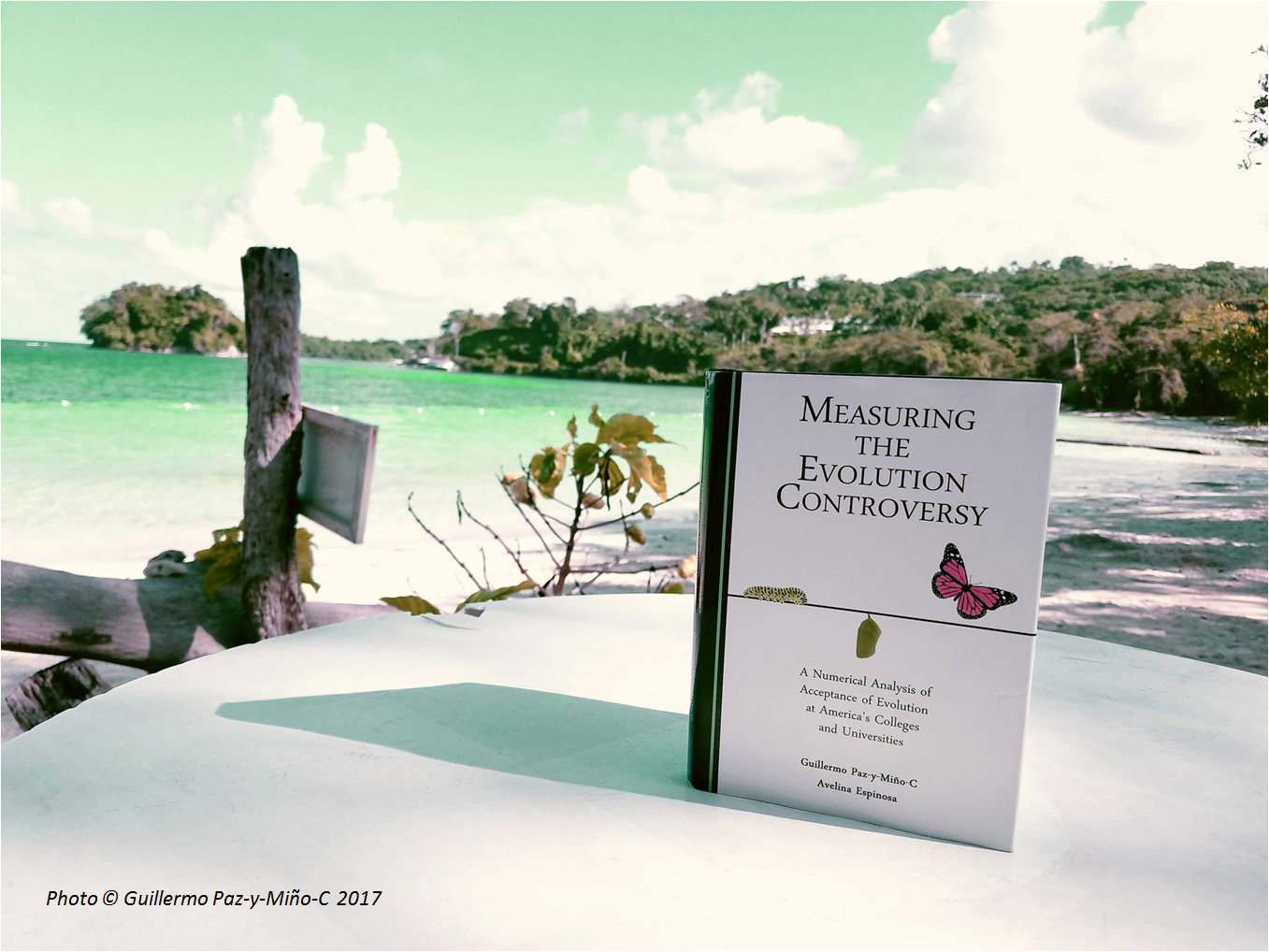
mtec-at-pellew-island-bay-jamaica-photo-g-paz-y-mino-c-2017

Above: Our 2016 book, Measuring the Evolution Controversy, contemplating Pellew Island Bay, East of Jamaica.

portland-parish-court-port-antonio-photo-g-paz-y-mino-c-2017

Above: Resident Magistrate’s Court or Portland Parish Court in Port Antonio.

prestige-funeral-services-port-antonio-a-photo-g-paz-y-mino-c-2017

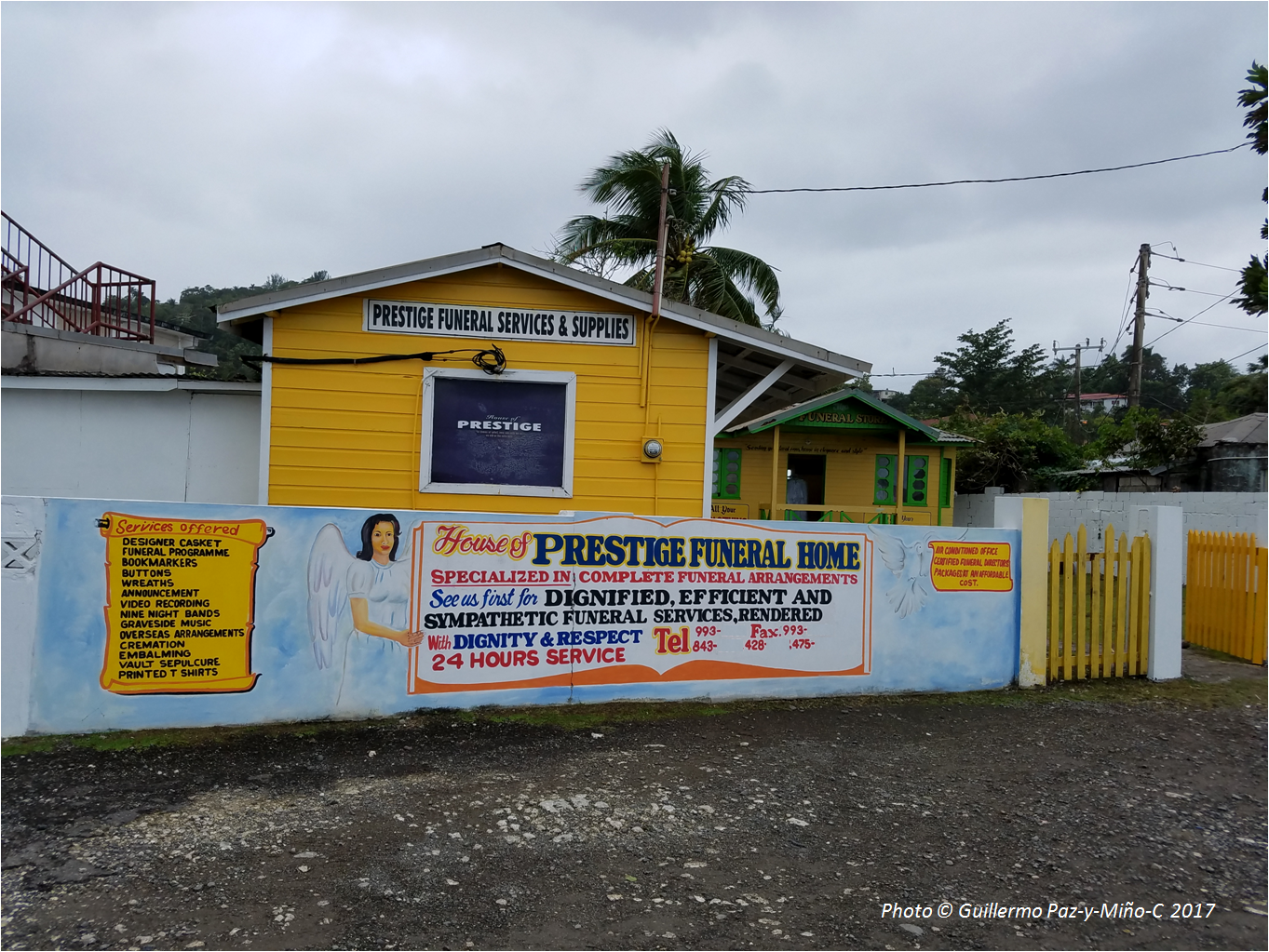
Above: Prestige Funeral Home in Port Antonio.

prestige-funeral-services-port-antonio-b-photo-g-paz-y-mino-c-2017

Above: Above: Prestige Funeral Home, it reads “Sending Your Loved Ones Home in Elegant Style.” It provides “Burial clothing for both male and female…” and other services, Port Antonio.

assembly-spot-life-yard-photo-g-paz-y-mino-c-2017

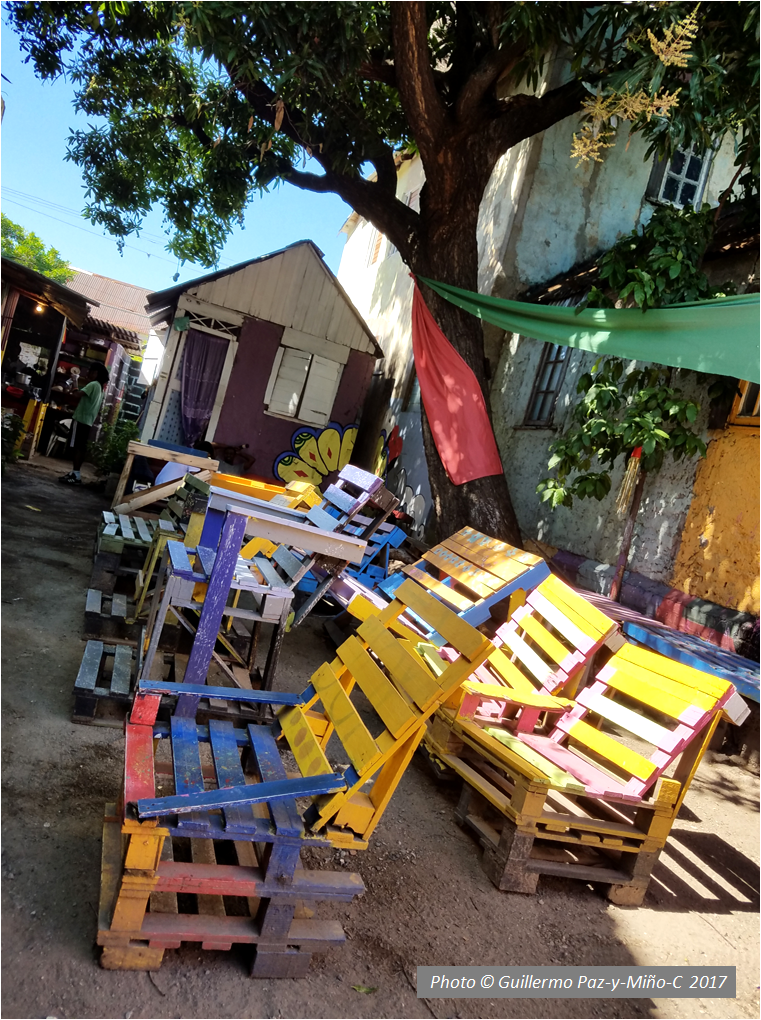
Above: At Life Yard community initiative in Kingston.

sabukie-allen-at-life-yard-kingston-photo-g-paz-y-mino-c-2017

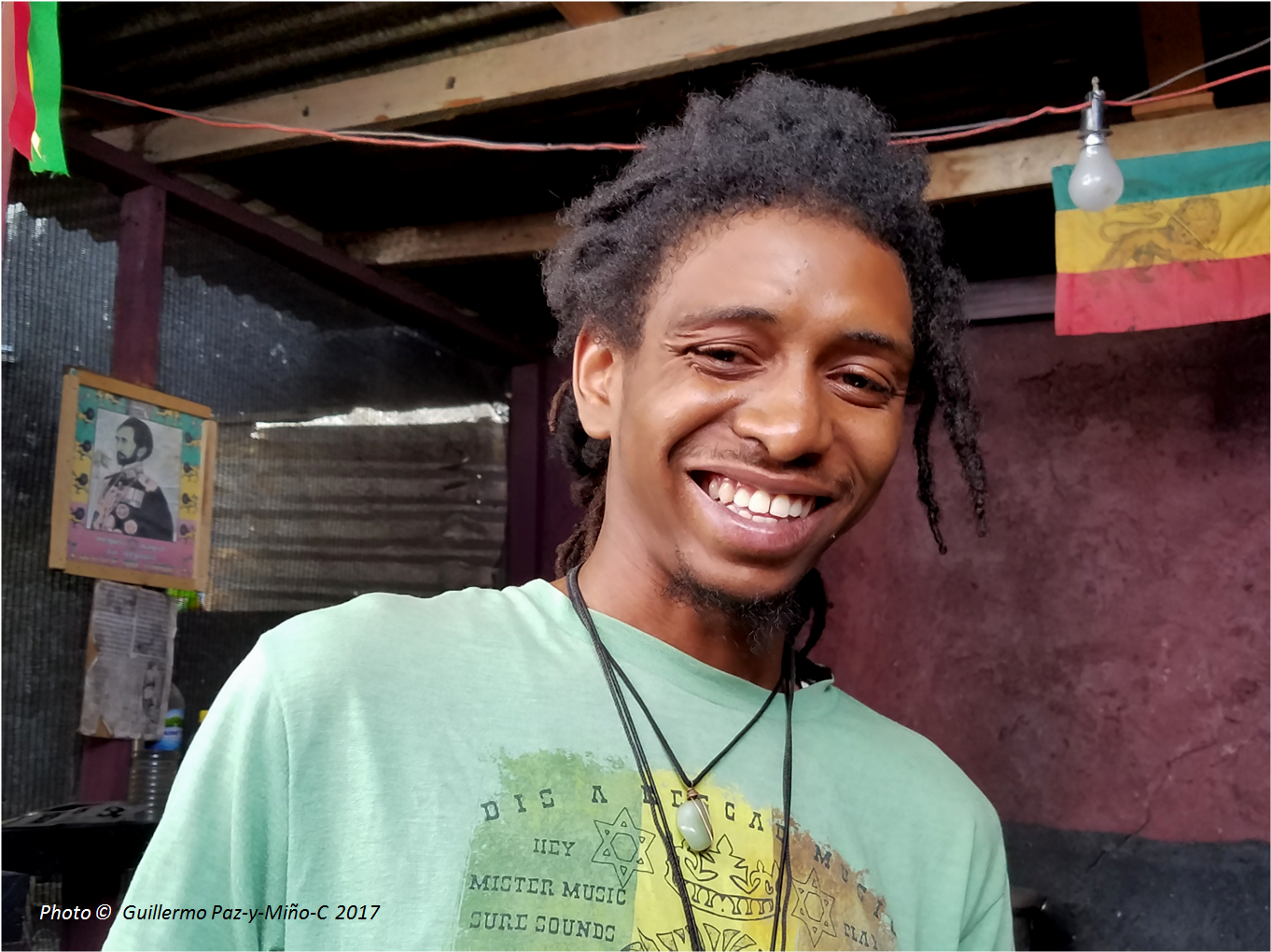
Above: Our friendly host, Sabukie Allen, at Life Yard community initiative in Kingston. Thanks so much for introducing us to the project and for showing us the street murals.

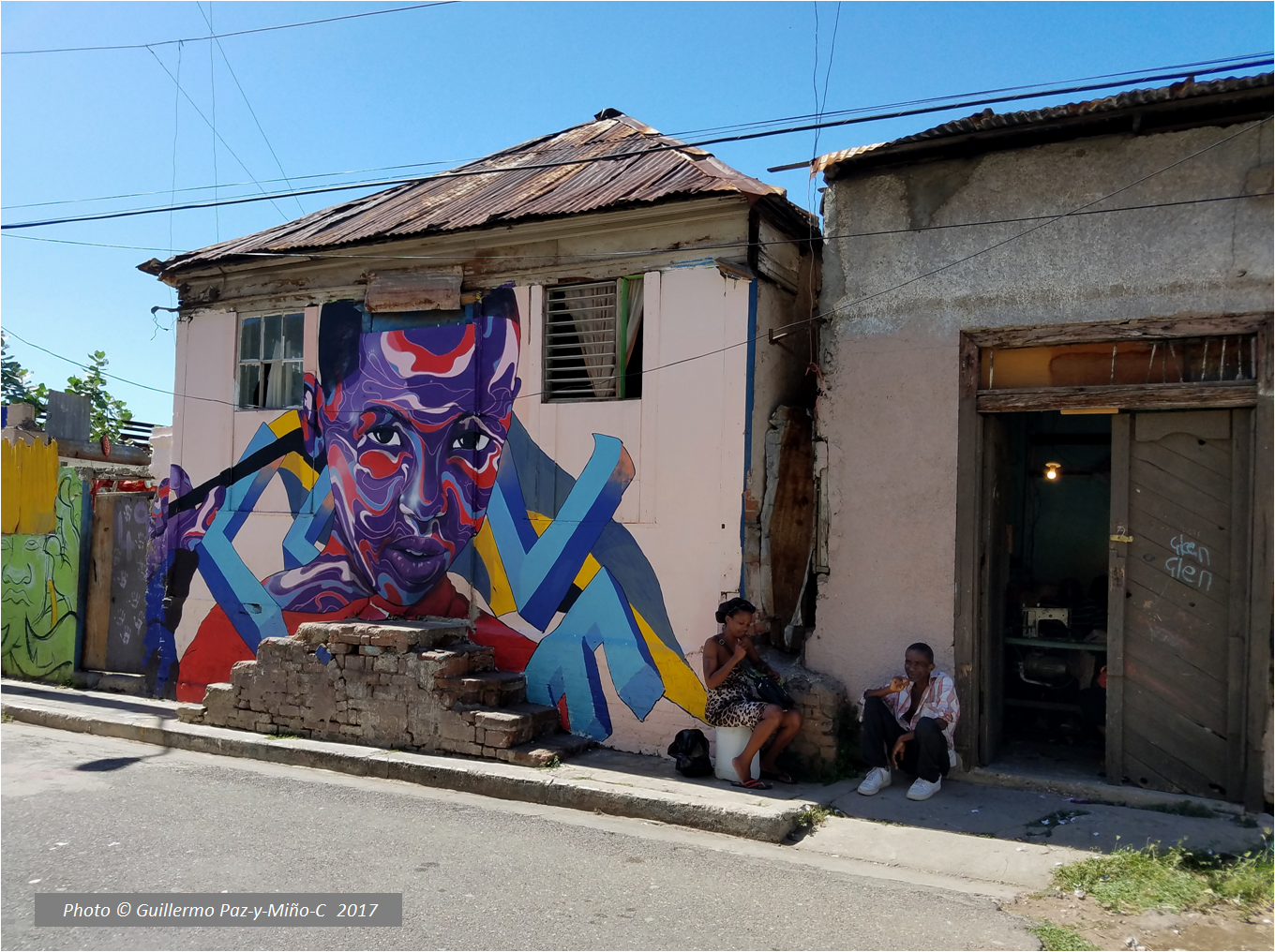
paint-jamaica-young-woman-flowers-kingston-photo-g-paz-y-mino-c-2017

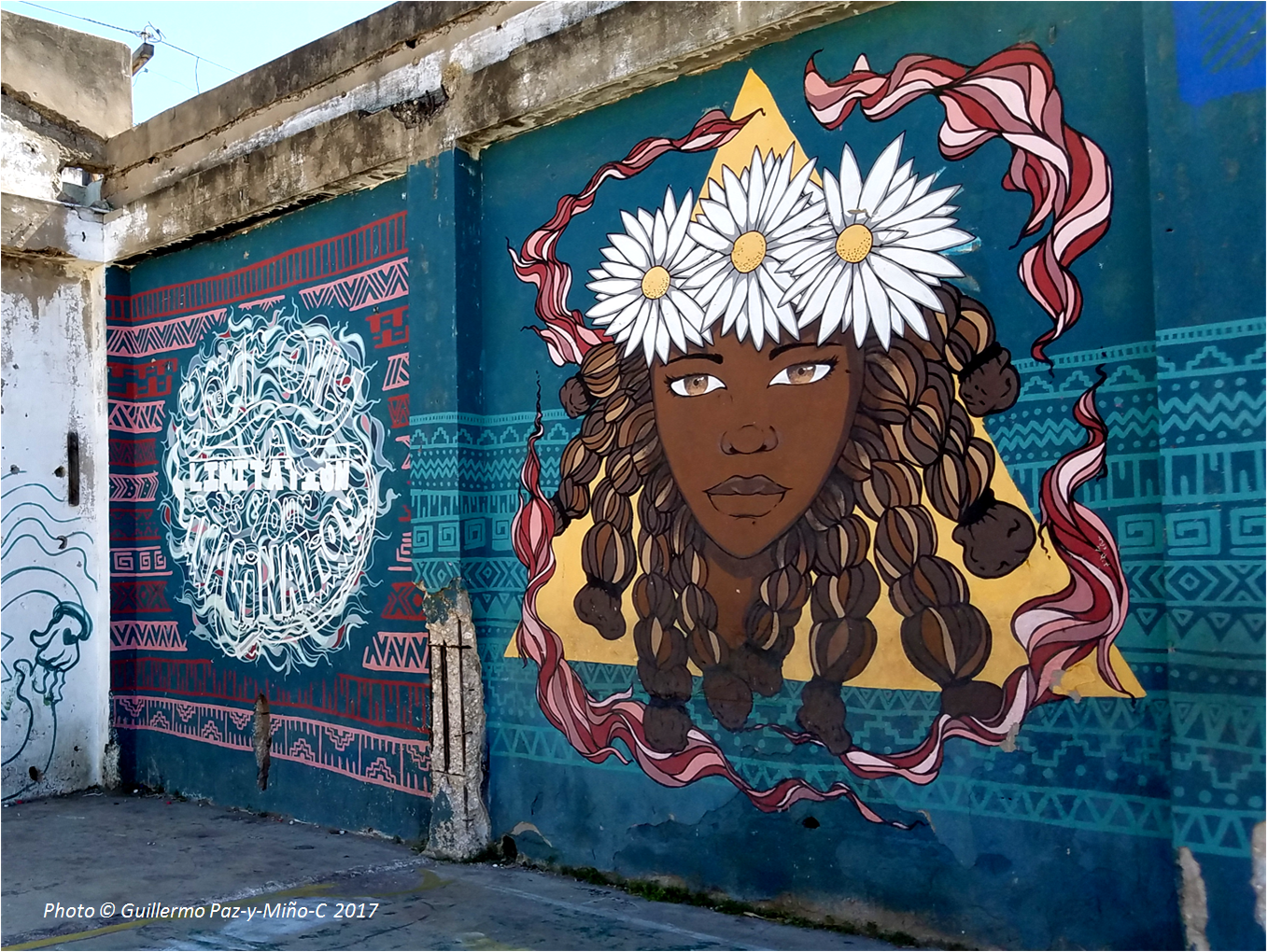
Above: The works and message of Paint Jamaica.

paint-jamaica-doors-house-kingston-photo-g-paz-y-mino-c-2017

Above: The works and message of Paint Jamaica.

life-yard-boy-and-people-photo-g-paz-y-mino-c-2017

Above: The works and message of Paint Jamaica.

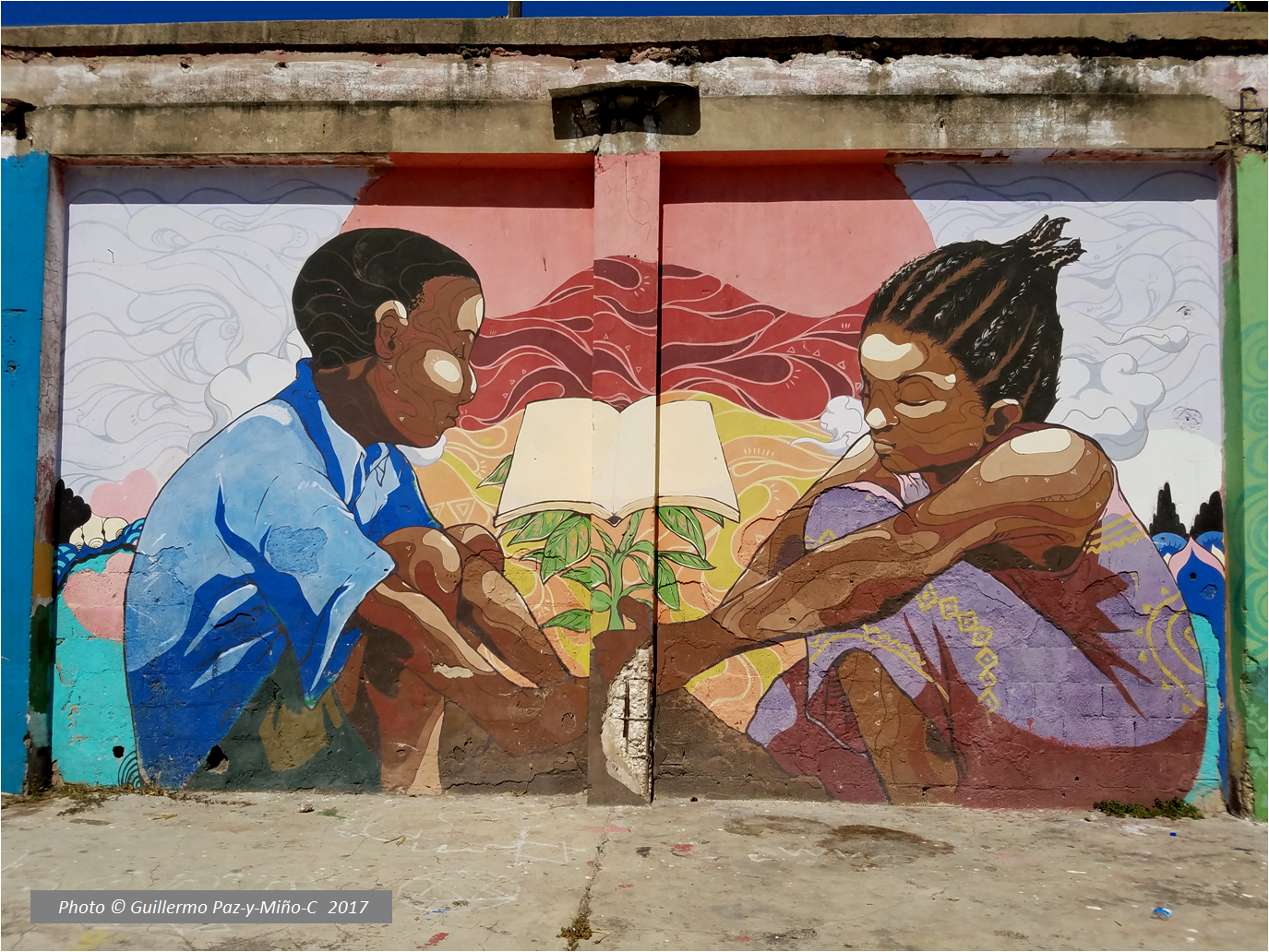
life-yard-boy-and-girl-photo-g-paz-y-mino-c-2017

Above: Boy, Girl and a Book… a possibility. Street mural in Kingston.

life-yard-women-and-dream-photo-g-paz-y-mino-c-2017

Above: Women. The works and message of Paint Jamaica.

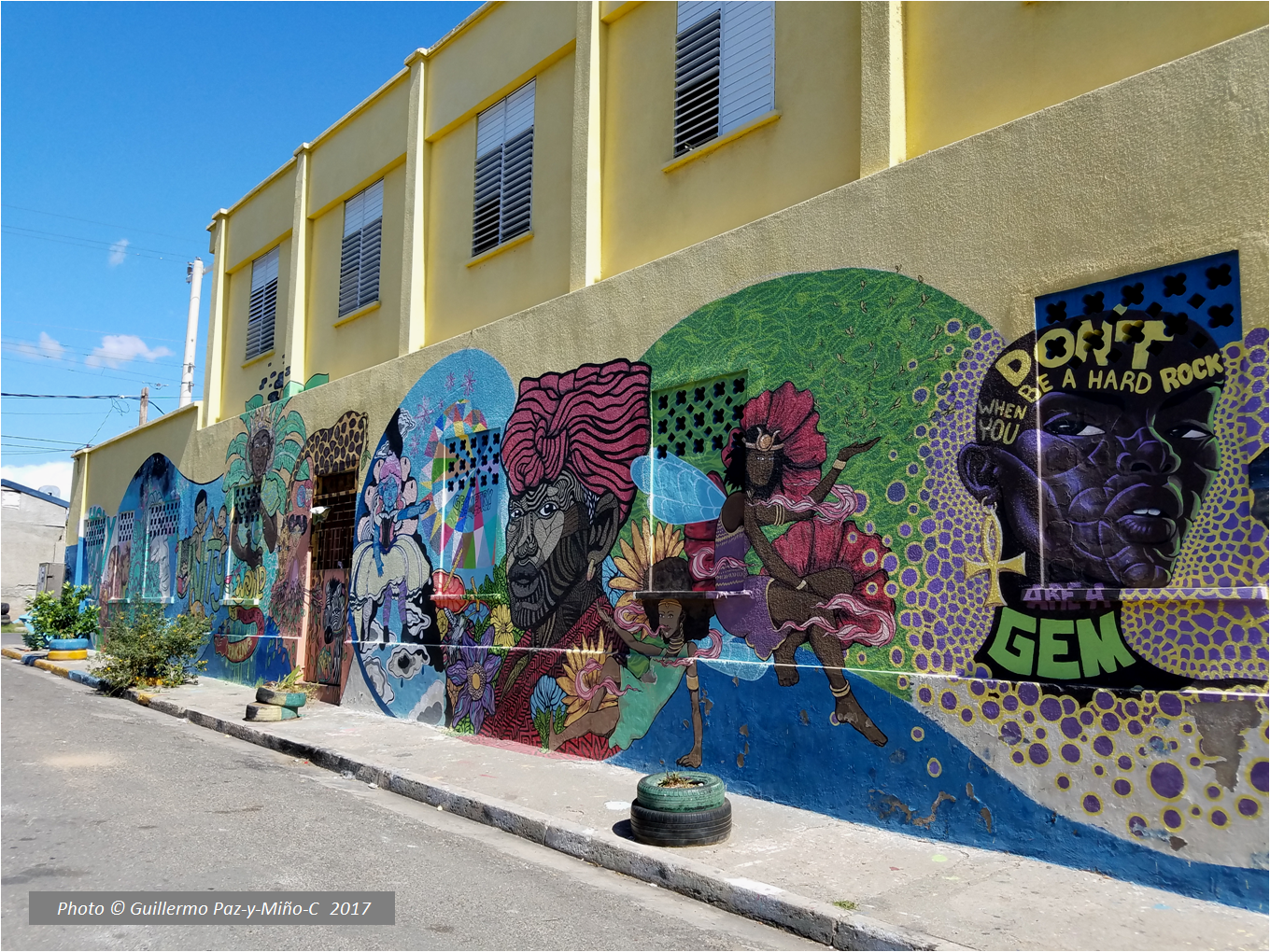
life-yard-school-photo-g-paz-y-mino-c-2017

Above: Inside, a school. We could hear the children cheering and singing. Outside, the most majestic street art. Murals depicting everyday Jamaican life. Powerful. Impressive. The works and message of Paint Jamaica.

life-yard-logic-vs-creativity-photo-g-paz-y-mino-c-2017

Above:  “Logic will get you from A-Z, creativity will get you everywhere.” – At first, we knew artistic expression was evident in the murals. At the end of our visit we realized a world class museum of art, expression and social message had been standing before us, in the streets of a gentle neighborhood. The best of Jamaica: its people. The works and message of Paint Jamaica.

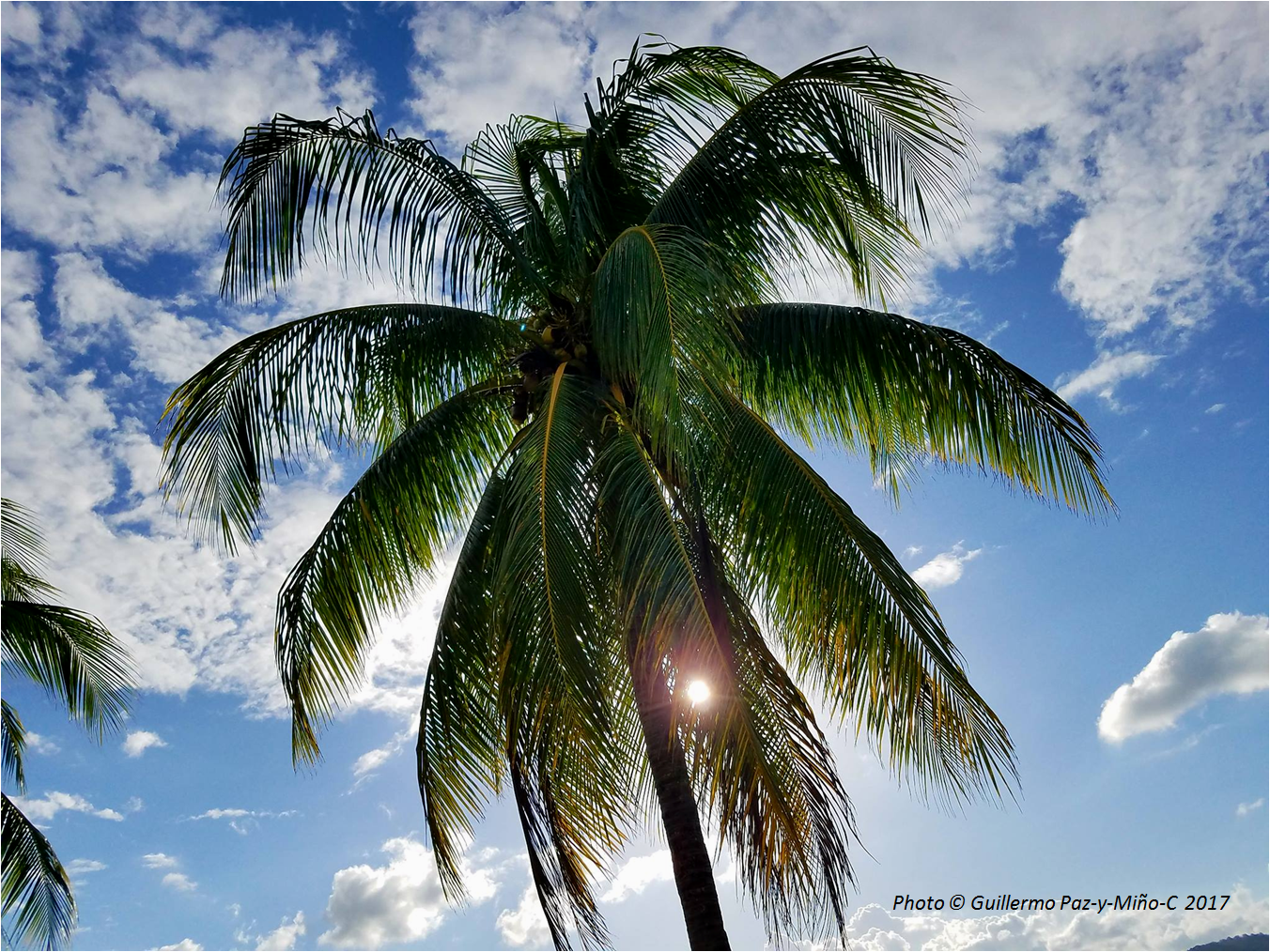
palm-at-port-antonio-jamaica-photo-g-paz-y-mino-c-2017

Above: Pause at Port Antonio.

jamaican-bbq-photo-g-paz-y-mino-c-2017

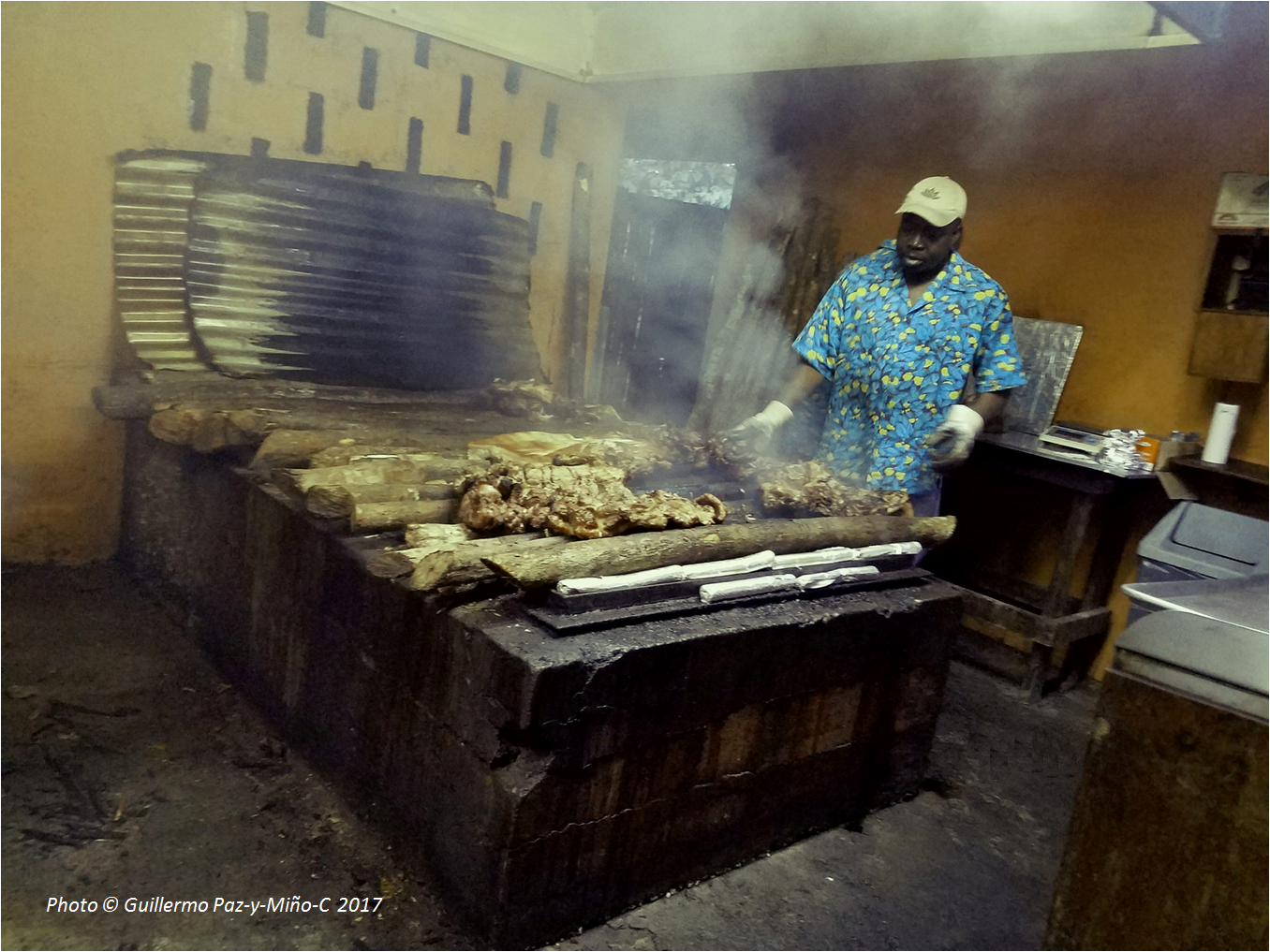
Above: The famous Jamaican Jerk, pork. Smoking is done with sweet-wood-tree wood (Nectandra cf. antillana; there are several species in the genus Nectandra).

jamaican-jerk-chicken-photo-g-paz-y-minoc-2017

Above: The famous Jamaican Jerk, chicken.

baby-bananas-jamaica-photo-g-paz-y-mino-c-2017

Above: Baby Jamaican bananas, about 3 inches in size. Sweet.

egret-and-the-leaf-two-jamaica-photo-g-paz-y-mino-c-2017

Above: Egret comes to my camera.

explorers-at-the-green-grotto-caves-photo-g-paz-y-mino-c-2017

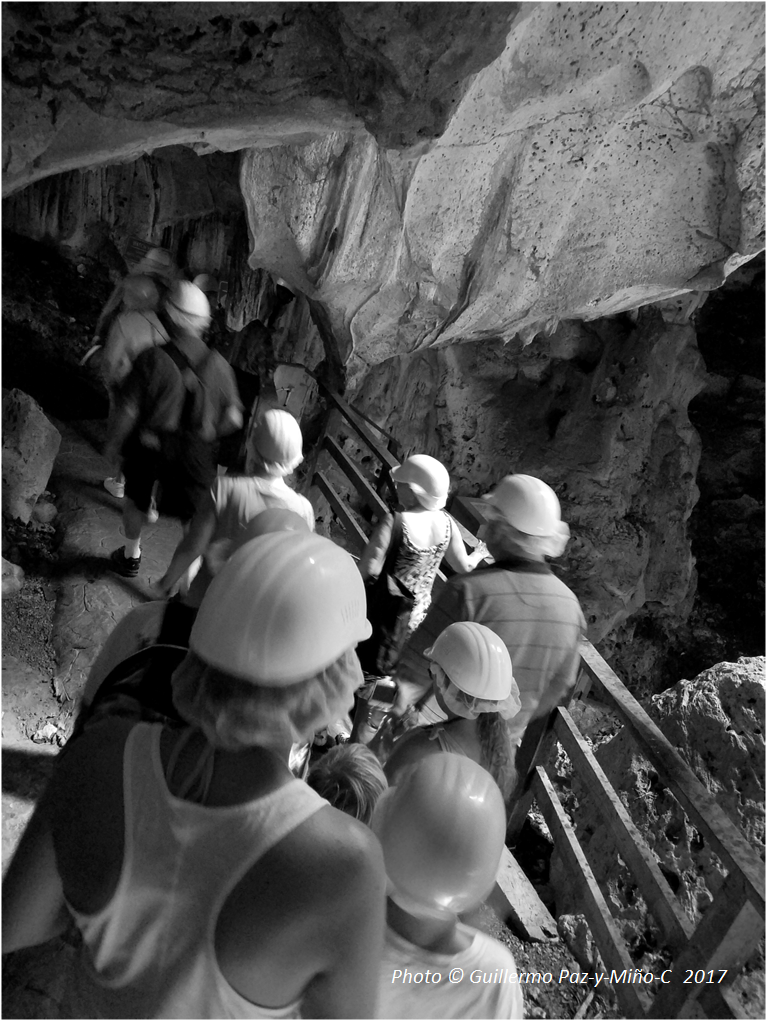
Above: Exploring the Green Grotto Caves.

bridge-green-grotto-caves-photo-g-paz-y-mino-c-2017

Above: Exploring the Green Grotto Caves.

collapsed-entrance-to-green-grotto-caves-photo-g-paz-y-mino-c-2017

Above: Collapsed entrance to the Green Grotto Caves.

top-and-base-of-green-grotto-caves-photo-g-paz-y-mino-c-2017

Above: Top and base of the Green Grotto Caves.

close-up-wall-green-grotto-caves-photo-g-paz-y-mino-c-2017

Above: Some parts of this cave are still alive and growing. Exploring the Green Grotto Caves.

ficus-roots-green-grotto-caves-photo-g-paz-y-mino-c-2017

Above: Another entrance (among many) to the impressive Green Grotto Caves.

ficus-tree-roots-green-grotto-caves-photo-g-paz-y-mino-c-2017

Above: Searching roots of the Ficus tree-liana-epiphyte at one of the entrances to the Green Grotto Caves.

inner-pond-green-grotto-caves-photo-g-paz-y-mino-c-2017

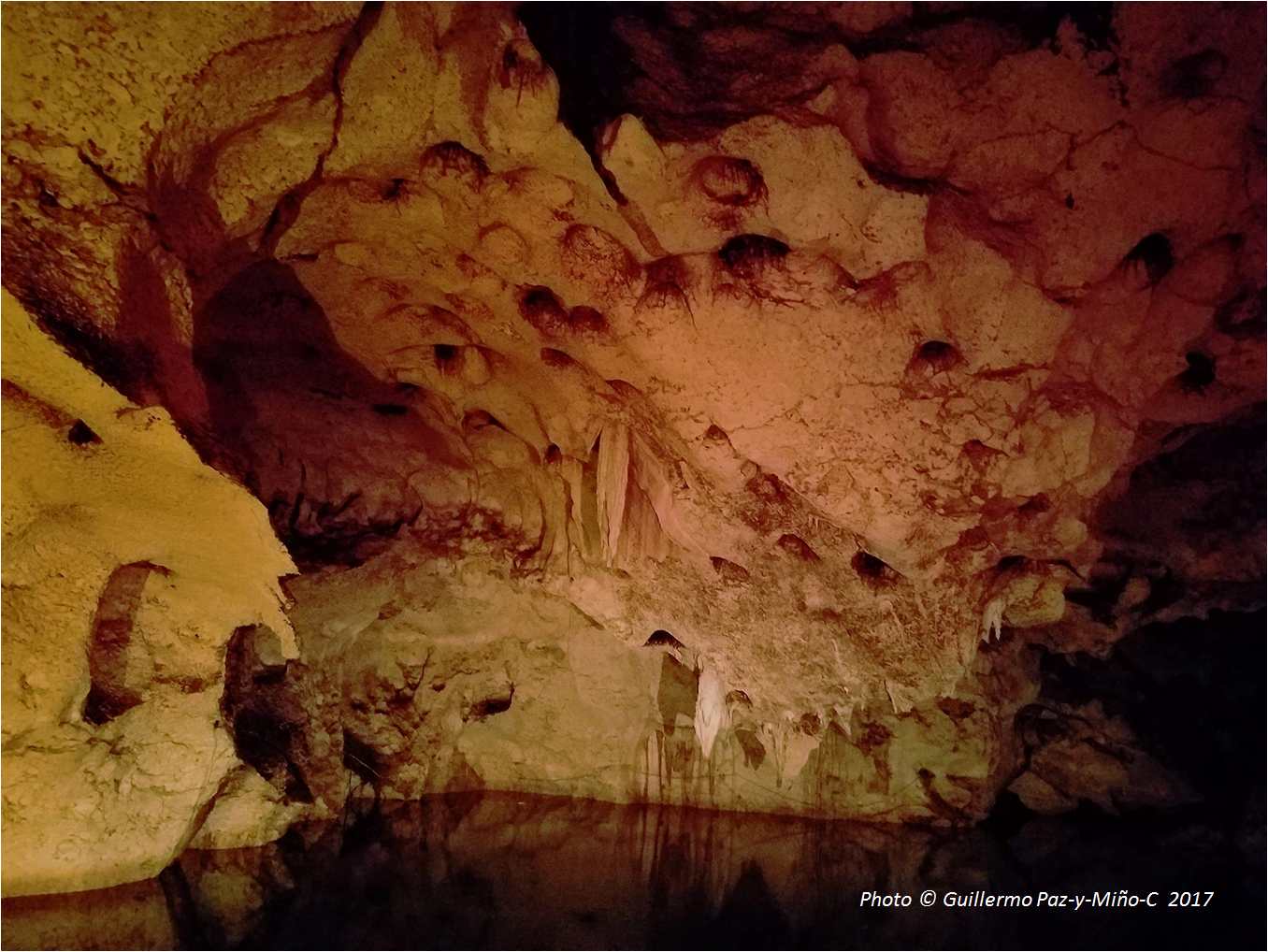
Above: Inner pond (‘lake’) at the Green Grotto Caves.

mummified-bat-green-grotto-caves-photo-g-paz-y-mino-c-2017

Above: Mummified bat inside the Green Grotto Caves. – The bat probably died while perching (hanging on its claws) and its body mummified in place. Caves are cool, often dry and keep stable temperature. – I could not capture a better image, it was quite dark (I used a flashlight for illumination).

her-majesty-plaque-jamaica-photo-g-paz-y-mino-c-2017

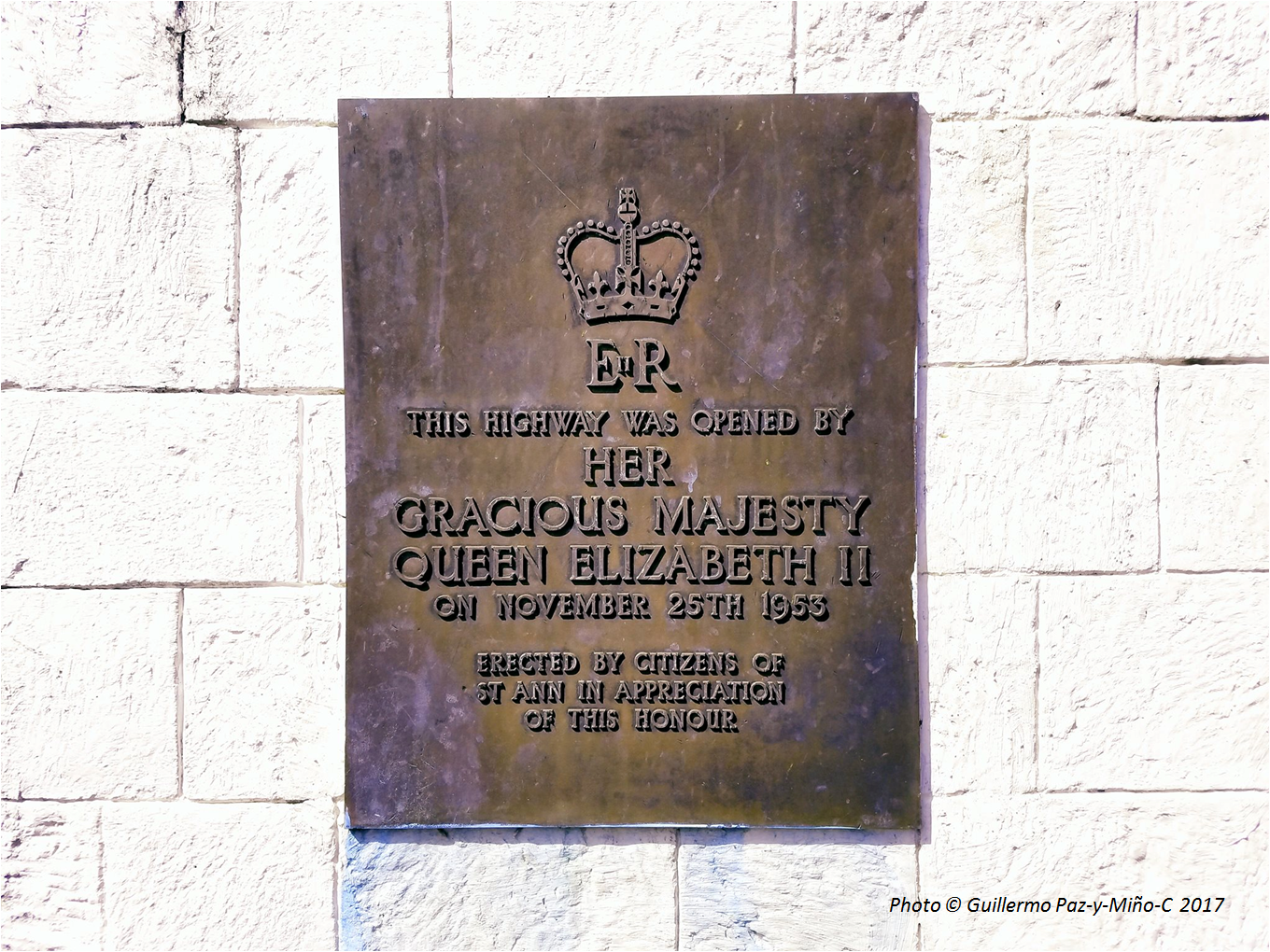
Above: Perhaps in the 1950s, the highway A1 (Northern Coastal Hwy) was memorable (we drove through it almost daily). Monarchies must vanish… long ago overdue. We look forward to seeing Jamaica as a Republic in the future. Currently, Jamaica is a “parliamentary democracy” and a “constitutional monarchy.” In other words, it continues to be part of the British Crown.

queen-conches-near-lucea-jamaica-photo-g-paz-y-mino-c-2017

Above: Queen Conches, threatened in some areas of the Caribbean due to over collection. Edible. Each conch $50-60 US (see 23 on display). Nearby Lucea, ironically on the A1 road (the “Queen Elizabeth II” road, see previous image), Northwest of the island.

feral-cat-closeup-ocho-rios-jamaica-photo-g-paz-y-mino-c-2017

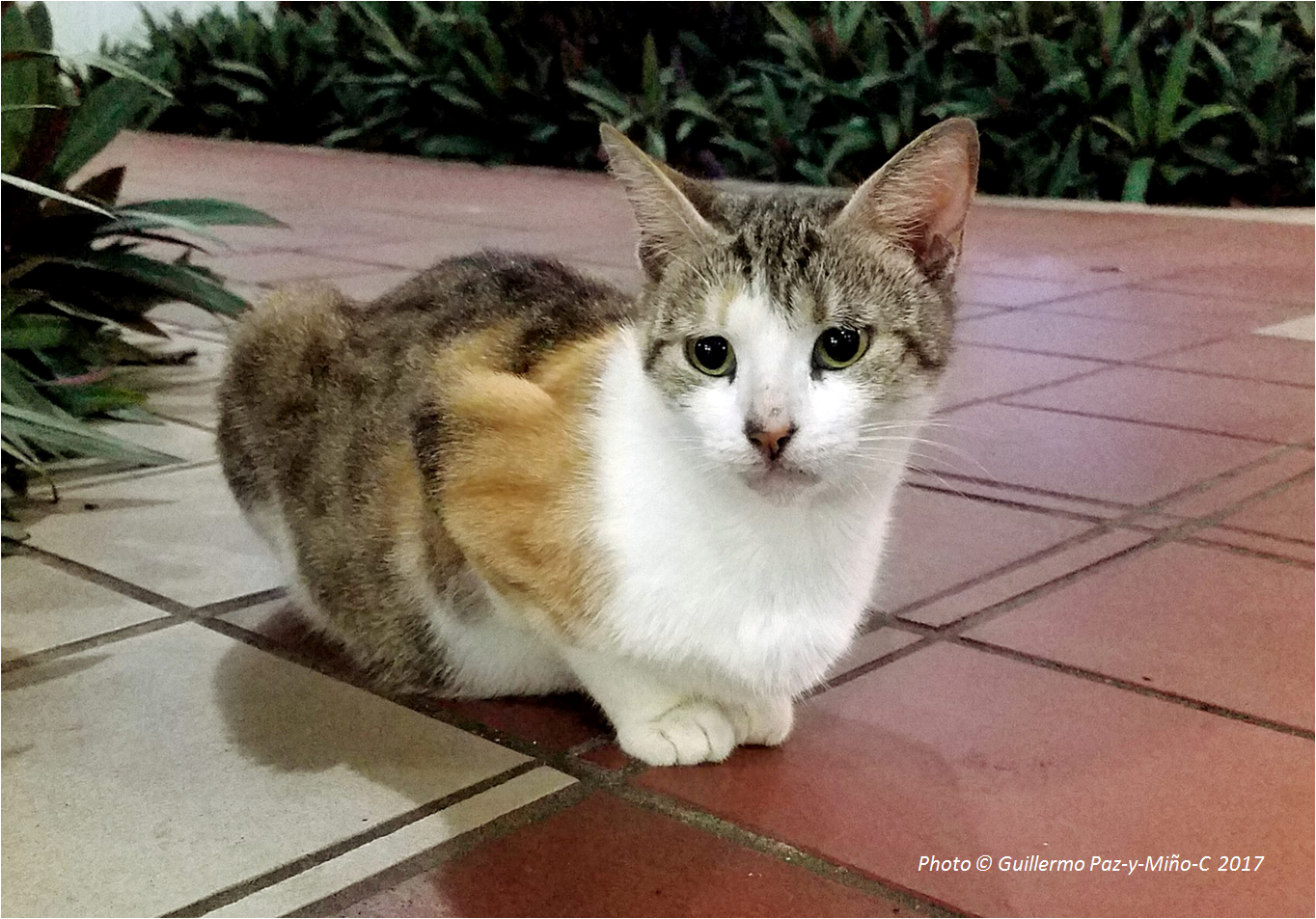
Above: Feral cat that happens to live nearby humans. We saw hundreds in Jamaica. – Islands all over the world have a similar problem (e.g. Hawaii, Galapagos, Sicily). Feral cats feed on the local fauna and are responsible for decimating endemic species. – This female became a bit more tolerant of my camera as I approached her slowly and during several minutes. Her attention was on a toad hiding in the bushes.

architecture-gazebo-two-jamaica-photo-g-paz-y-mino-c-2017

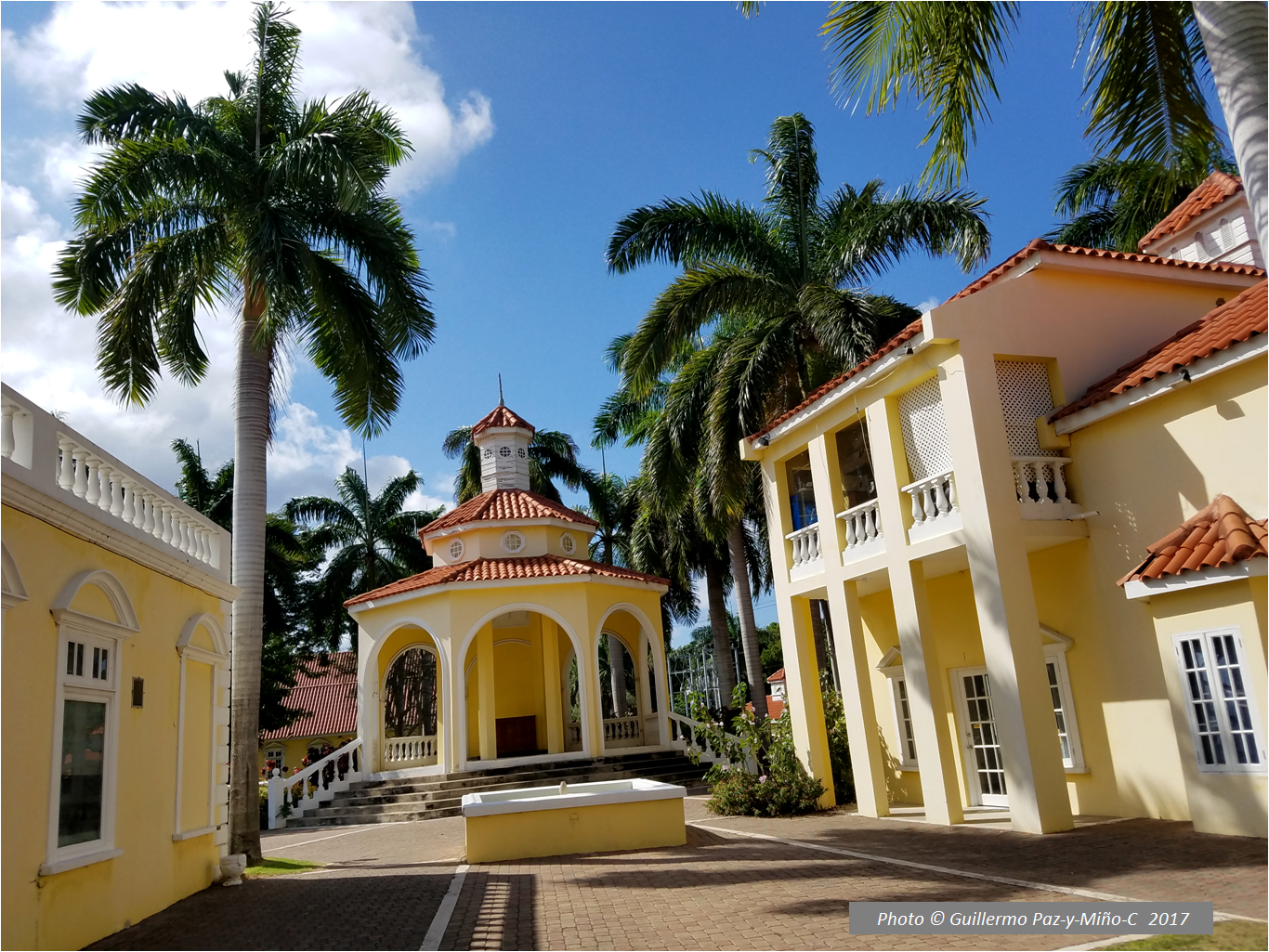
Above: Modern architecture in Jamaica. Common in shopping malls, close to large resorts.

architecture-fountain-jamaica-photo-g-paz-y-mino-c-2017

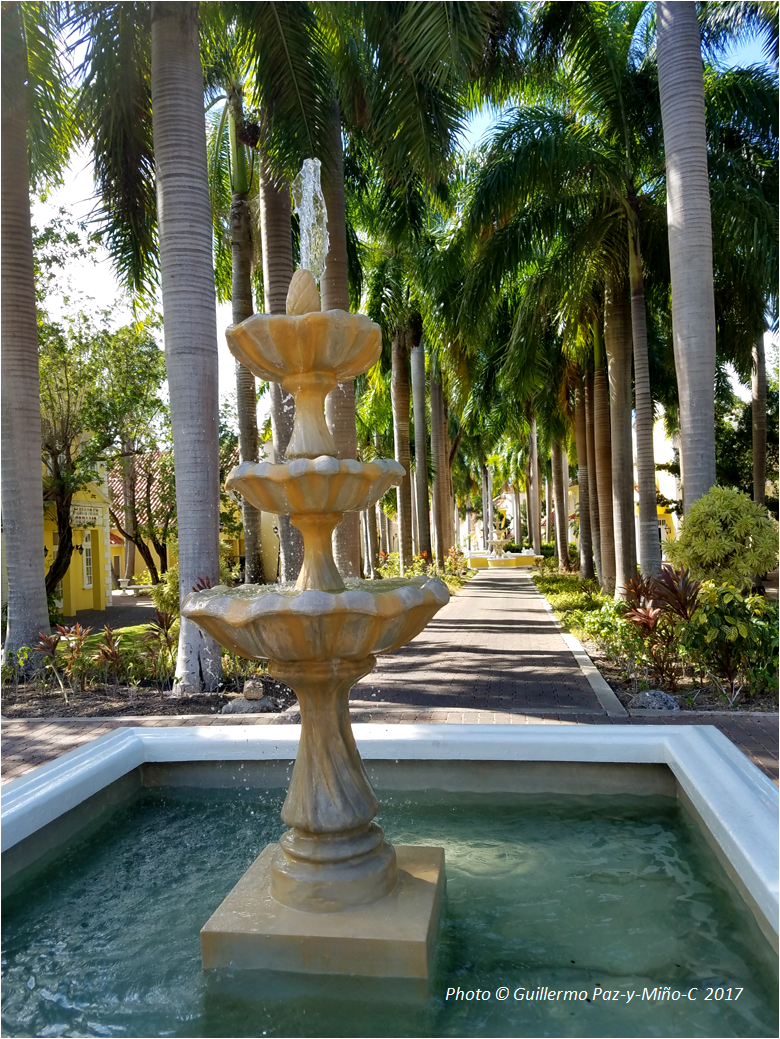
Above: More of modern Jamaican architecture.

architecture-small-fountain-jamaica-photo-g-paz-y-mino-c-2017

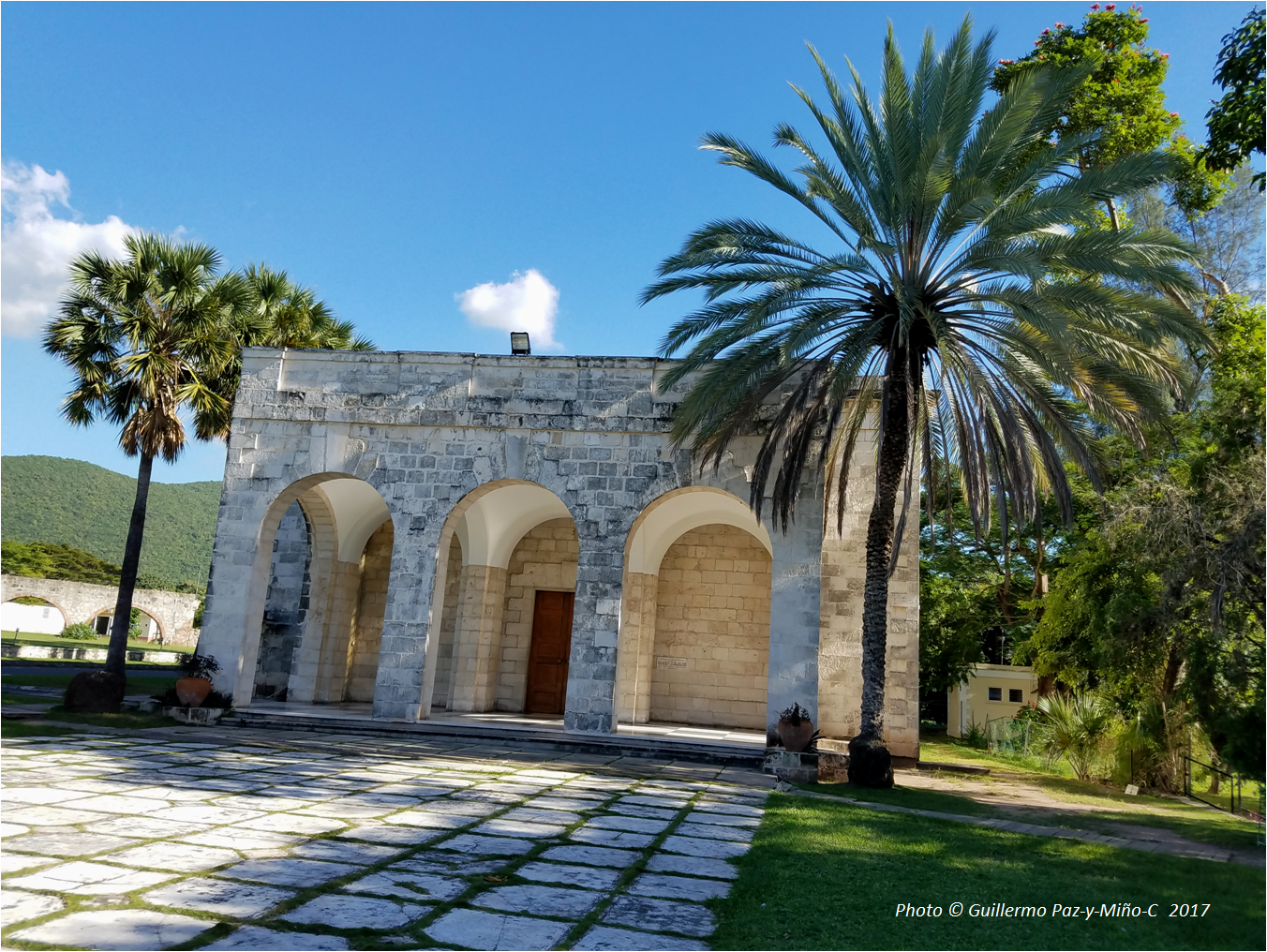
Above: A close up of modern Jamaican architecture.

basic-medical-science-complex-uwi-photo-g-paz-y-mino-c-2017

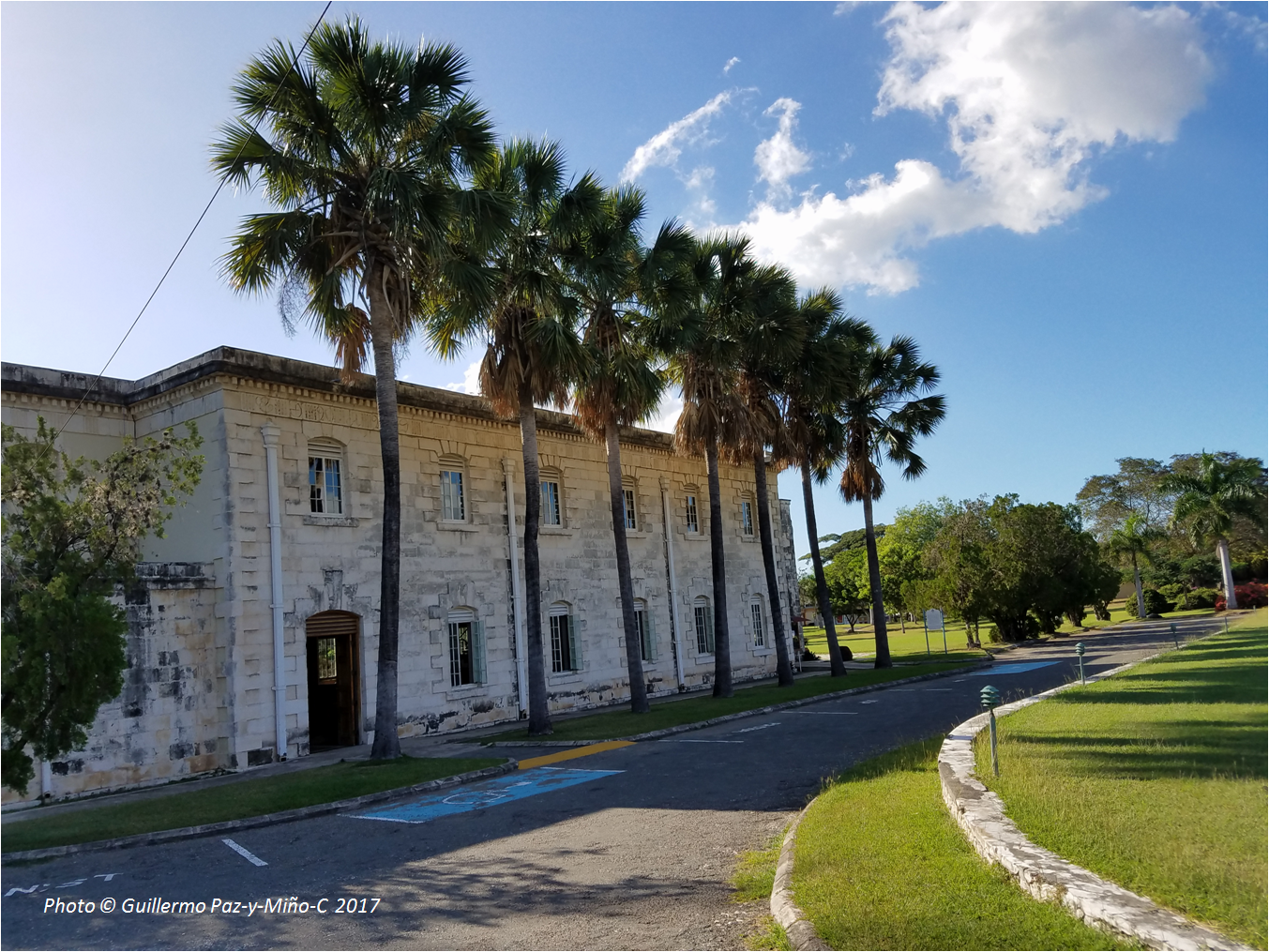
Above: Basic Medical Science Complex of the University of the West Indies, Mona Campus.

uwi-chapel-photo-g-paz-y-mino-c-2017

Above: The Chapel (front view) at the University of the West Indies, Mona Campus.

chapel-side-view-uwi-photo-g-paz-y-mino-c-2017

Above: The Chapel (side view) at the University of the West Indies, Mona Campus.

mtec-lng-frmt-at-chapel-uwi-kingston-jamaica-photo-g-paz-y-mino-c-2017


Above: Our 2016 book, Measuring the Evolution Controversy, visiting the Chapel at the University of the West Indies, Mona Campus.

uwi-chapel-inside-photo-g-paz-y-mino-c-2017

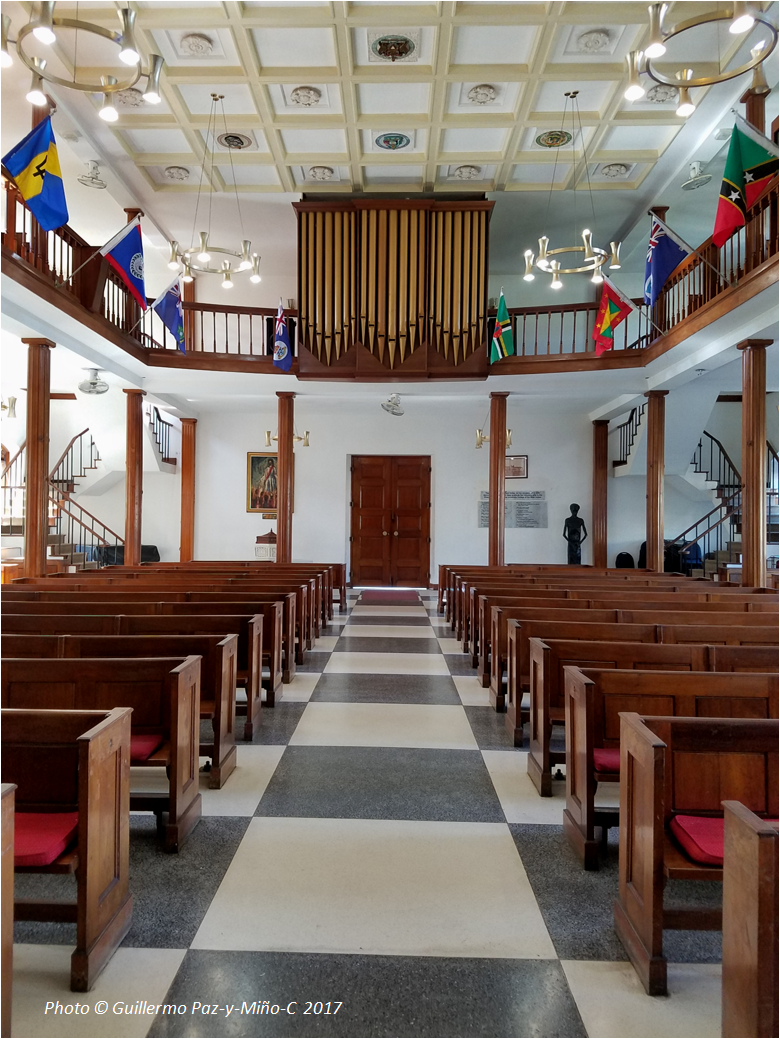
Above: The beautiful indoors of the Chapel at the University of the West Indies, Mona Campus.

uwi-papine-village-monument-photo-g-paz-y-mino-c-2017

Above: The Papine Village Monument at the University of the West Indies, Mona Campus.

uwi-papine-village-monument-females-photo-g-paz-y-mino-c-2017

Above: Enslaved Females’ Names (1832) — the Papine Village Monument in what today is the University of the West Indies, Mona Campus.

mural-assembly-hall-uwi-photo-g-paz-y-mino-c-2017

Above: Mural at the Assembly Hall, University of the West Indies, Mona Campus.

old-aqueduct-uwi-photo-g-paz-y-mino-c-2017

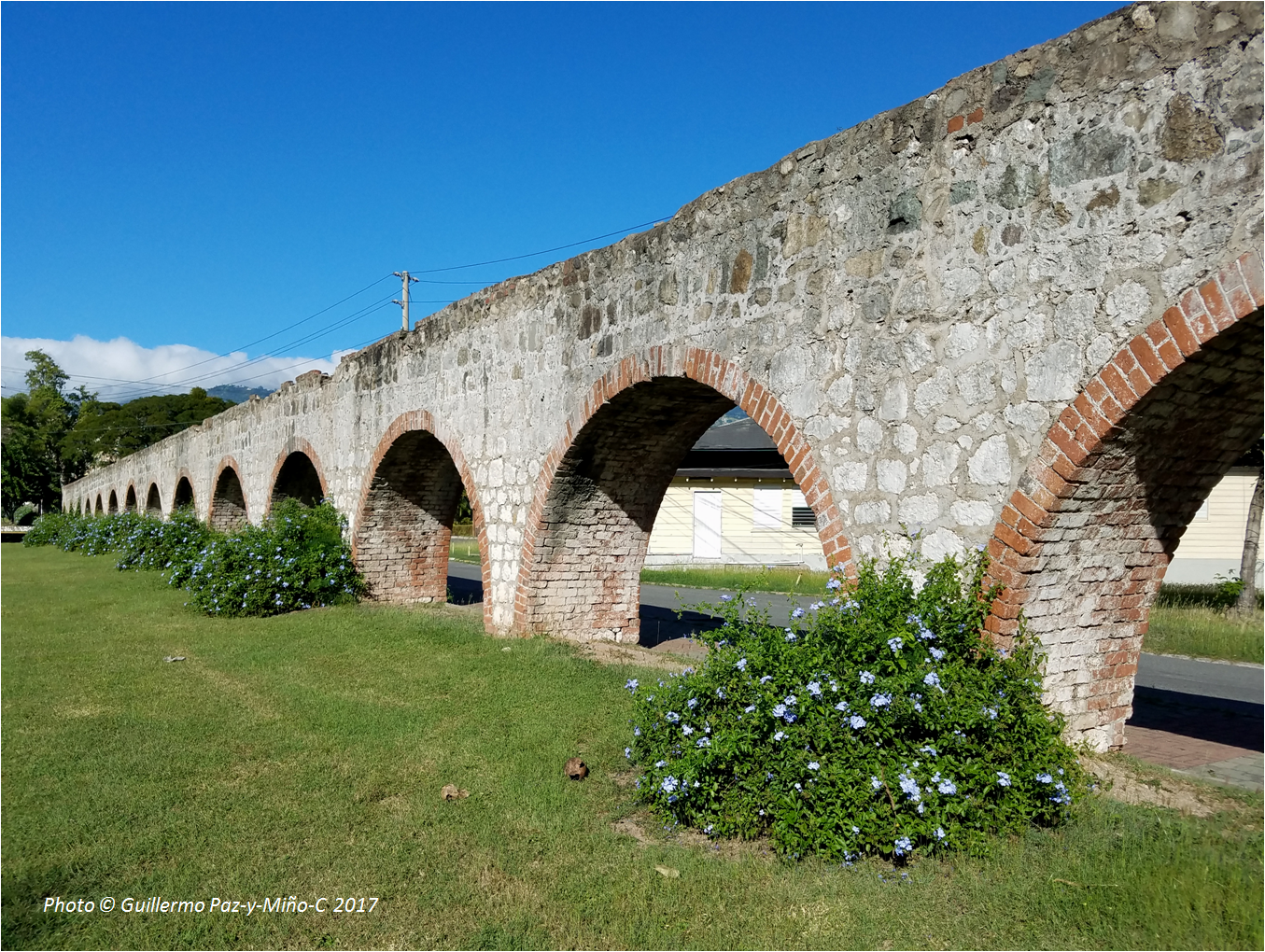
Above: Old aqueduct (18th Century) at the University of the West Indies, Mona Campus.

blighia-tree-uwi-campus-photo-g-paz-y-mino-c-2017

Above: Blighia tree at the University of the West Indies, Mona Campus. Jamaica’s national fruit.

blighia-open-fruit-uwi-campus-photo-g-paz-y-mino-c-2017

Above: Blighia, with the capsule open at the University of the West Indies, Mona Campus.

univ-west-indies-porto-antonio-front-jamaica-photo-g-paz-y-mino-c-2017

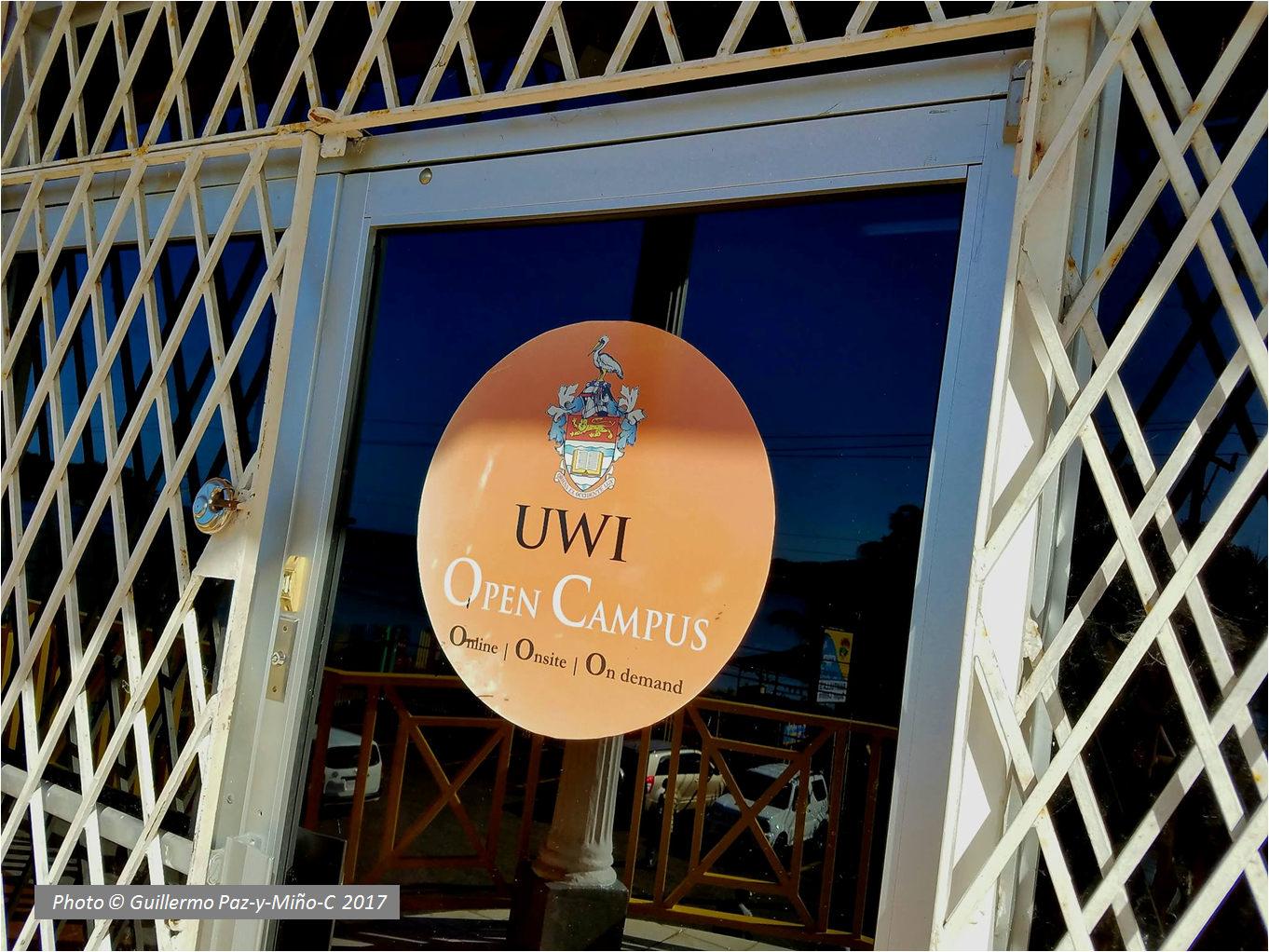
Above: The University of the West Indies Open Campus in Port Antonio.

univ-west-indies-porto-antonio-logo-jamaica-photo-g-paz-y-mino-c-2017

Above: The University of the West Indies Open Campus in Port Antonio.

univ-west-indies-porto-antonio-side-pilards-jamaica-photo-g-paz-y-mino-c-2017

Above: The University of the West Indies Open Campus in Port Antonio.

books-int-science-jamaica-photo-g-paz-y-mino-c-2017

Above: An example of think globally, act locally.

books-two-int-science-jamaica-photo-g-paz-y-mino-c-2017

Above: An example of think globally, act locally.

trifolia-fountain-castleton-botanic-gardens-photo-g-paz-y-mino-c-2017

Above: Trifolia old fountain at the Castleton Botanic Gardens.

toms-river-castleton-botanic-gardens-photo-g-paz-y-mino-c-2017

Above: At the Toms River, Castleton Botanic Gardens.

blue-flowers-jamaica-photo-g-paz-y-mino-c-2017

Above: Color at the Castleton Botanic Gardens.

the-bustamante-memorial-national-heroes-park-jamaica-photo-g-paz-y-mino-c-2017

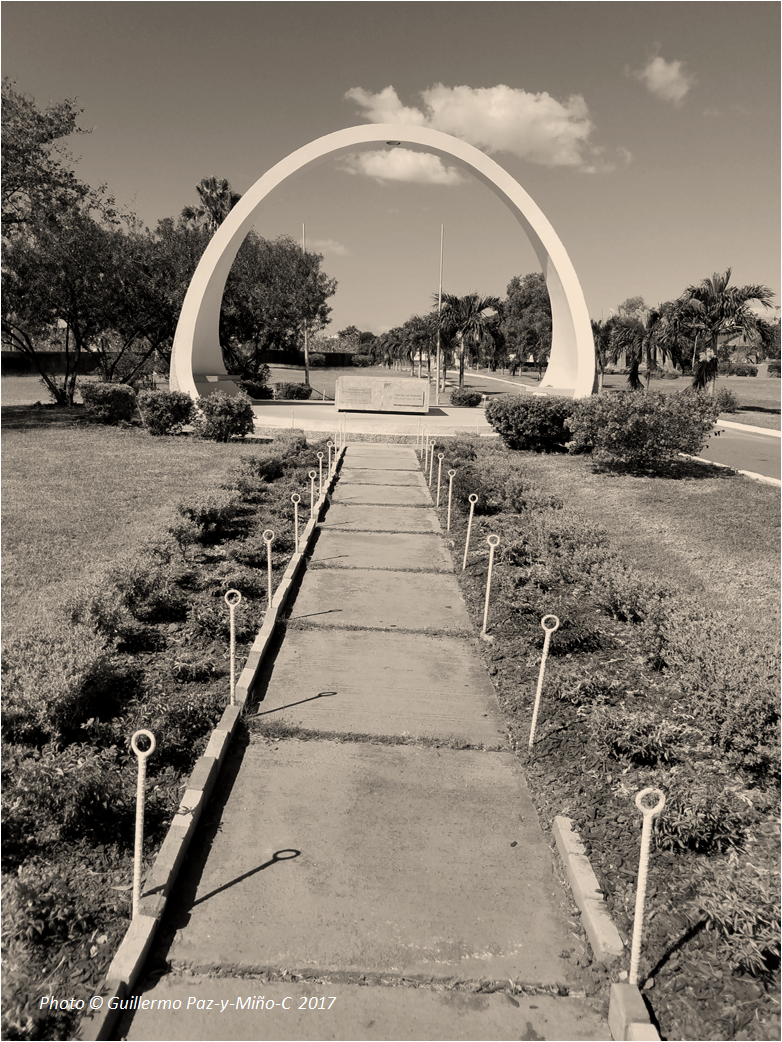
Above: The Alexander Bustamante Memorial at the National Heroes Park, Kingston.

change-of-guard-national-heroes-park-jamaica-photo-g-paz-y-mino-c-2017

Above: Change of Guard at the National Heroes Park, Kingston.

marcus-mosiah-garvey-memorial-national-heroes-park-jamaica-photo-g-paz-y-mino-c-2017

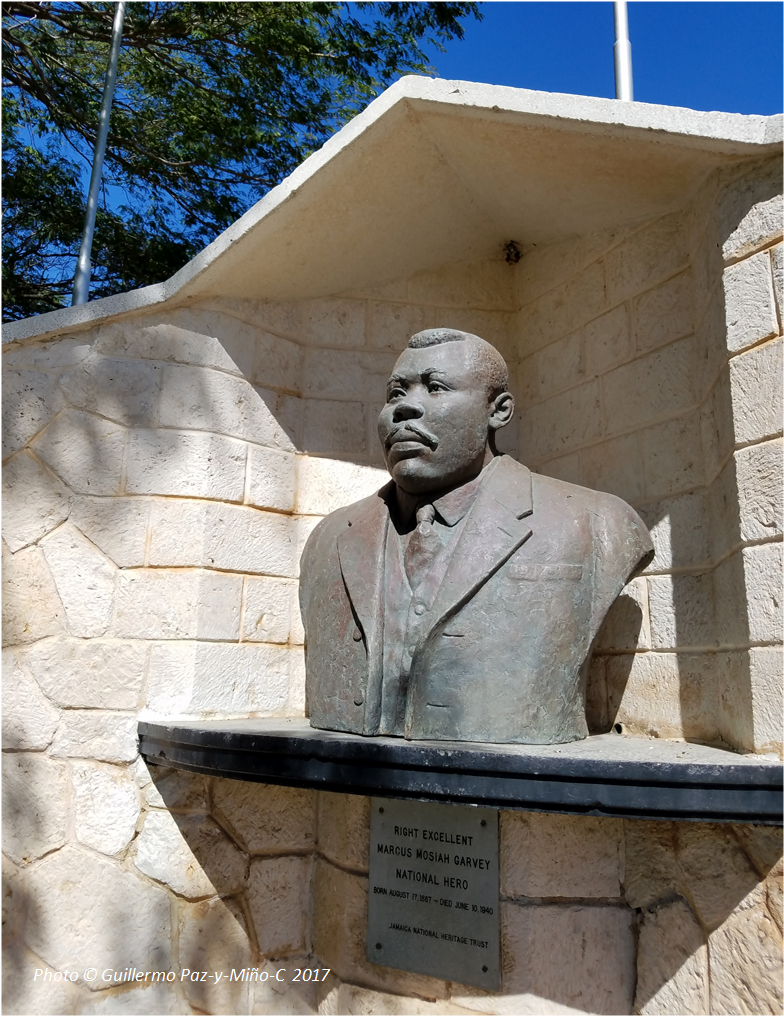
Above: The Marcus Mosiah Garvey Memorial at the National Heroes Park, Kingston.

path-at-castleton-botanic-gardens-photo-g-paz-y-minoc-2017

Above: A path to be taken at the Castleton Botanic Gardens.

pink-flowers-under-leaves-castleton-botanic-gardens-photo-g-paz-y-mino-c-2017

Above: More of the colors at the Castleton Botanic Gardens.

pistil-stamens-white-flower-castleton-botanic-gardens-photo-g-paz-y-mino-c-2017

Above: The absence of color, or presence of the rainbow colors combined (white), at the Castleton Botanic Gardens.

pentamerous-flowers-castleton-botanic-gardens-photo-g-paz-y-mino-c-2017

Above: Penta-meros at the Castleton Botanic Gardens.

ian-fleming-int-arprt-jamaica-photo-g-paz-y-mino-c-2017

Above: The name is Fleming, Ian Fleming. One of the few memories of Fleming in Jamaica. Author of the James Bond series and former British naval intelligence agent. He retired in Oracabessa, Northeast part of Jamaica. From his home, he wrote the James Bond novels. – The Ian Fleming International Airport is located near Oracabessa.

ian-fleming-poster-if-int-arprt-jamaica-photo-g-paz-y-mino-c-2017

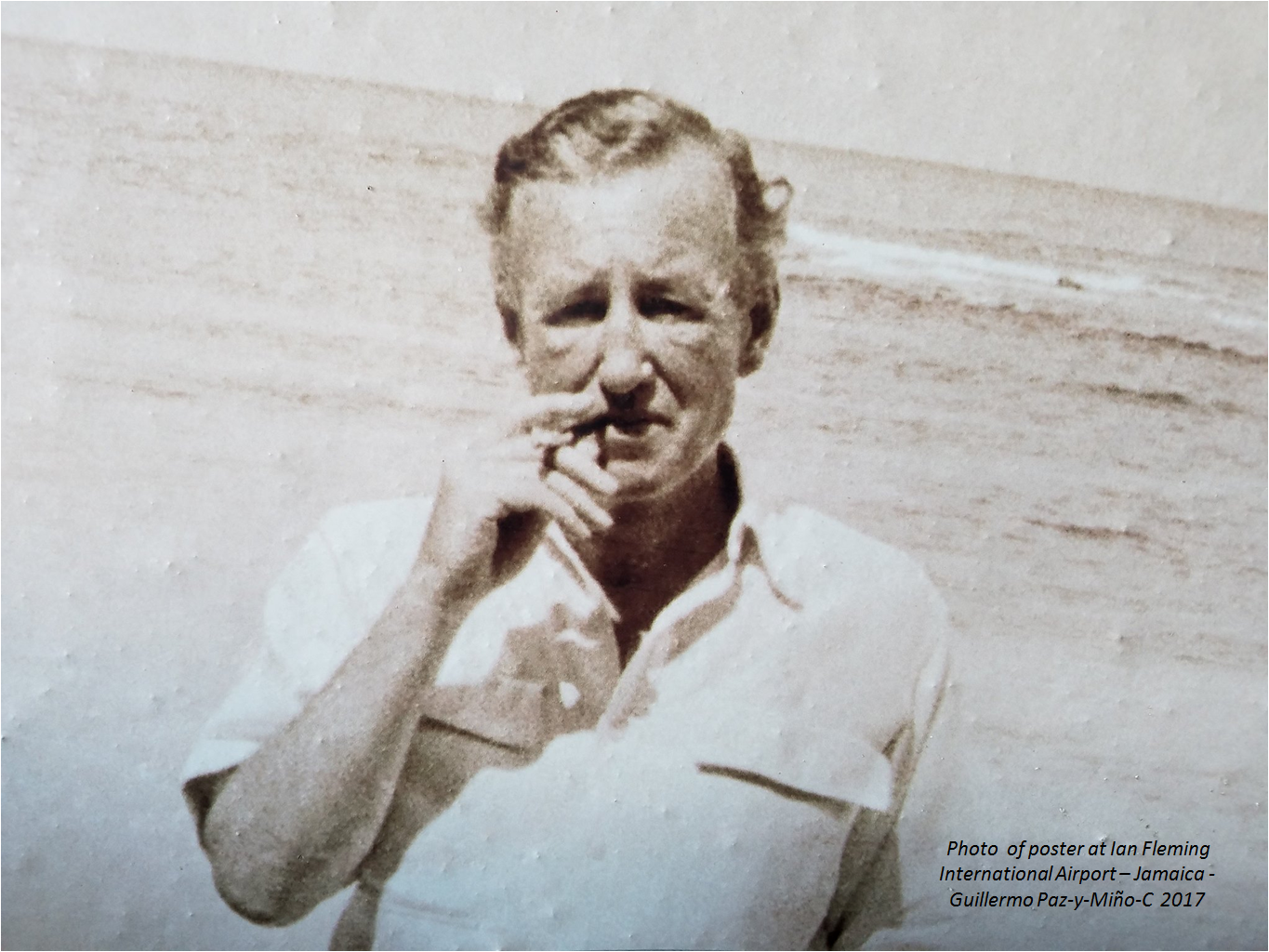
Above: Ian Fleming as my camera found him being remembered (poster) at the mini Ian-Fleming International Airport in Oracabessa. This is what the airport website says about Fleming.

ian-fleming-poster-int-arprt-jamaica-photo-g-paz-y-mino-c-2017

Above: About Ian Fleming, as my camera found him being remembered on a poster at the mini Ian-Fleming International Airport in Oracabessa. This is what the airport website says about Fleming.

plaque-ian-fleming-int-arprt-oracabessa-photo-g-paz-y-mino-c-2017

Above: Celebrating the writer at the Ian-Fleming International Airport in Oracabessa.

norman-washington-manley-memorial-kingston-jamaica-photo-g-paz-y-mino-c-2017

Above: Norman Washington Manley Memorial in Kingston.

norman-washington-manley-memorial-kingston-female-statue-photo-g-paz-y-mino-c-2017

Above: Female at the Norman Washington Manley Memorial in Kingston.

norman-washington-manley-memorial-kingston-male-statue-photo-g-paz-y-mino-c-2017

Above: Male at the Norman Washington Manley Memorial in Kingston.

monument-to-paul-bogle-kingston-photo-g-paz-y-mino-c-2017

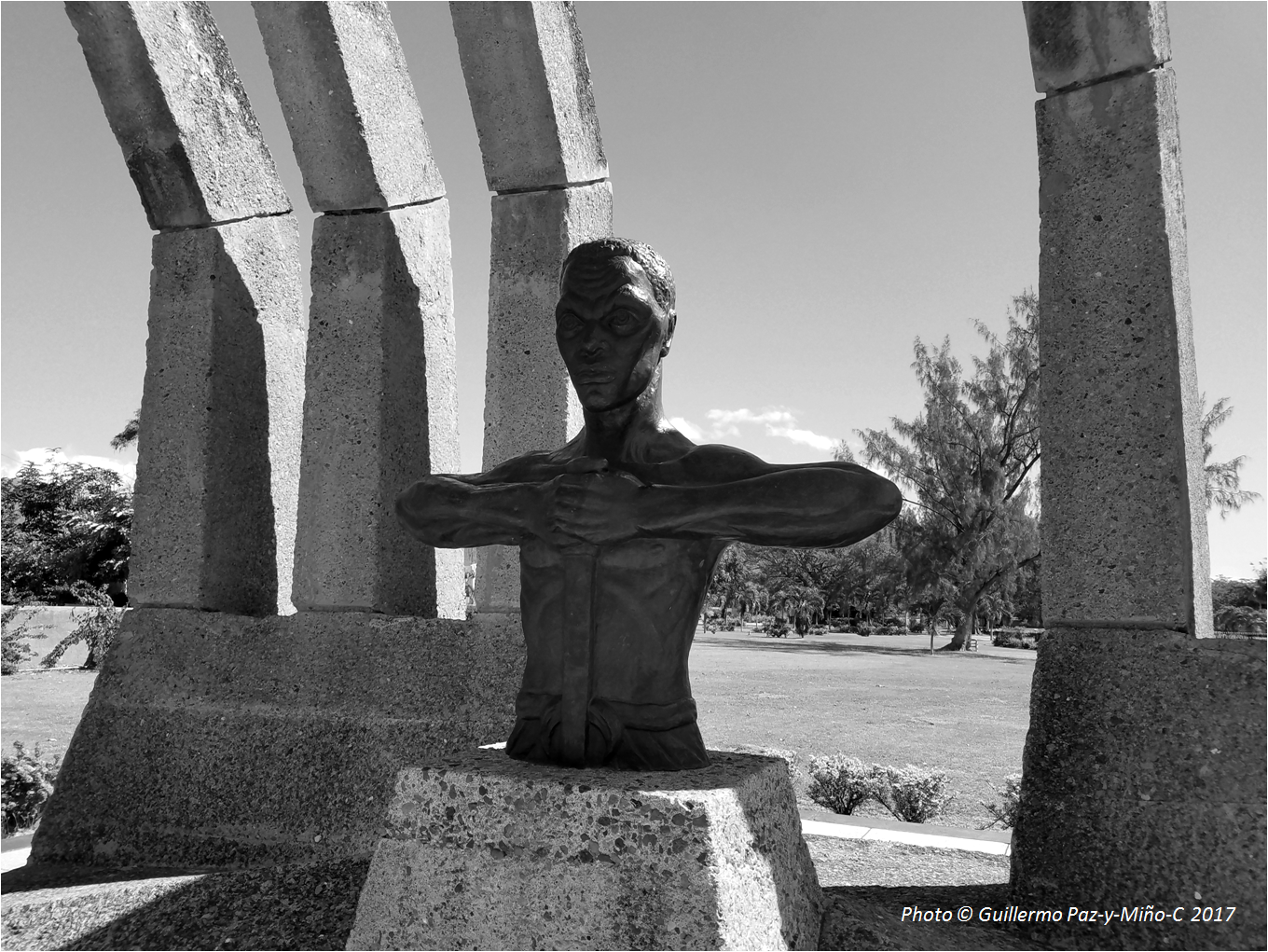
Above: Monument to Paul Bogle in Kingston. The struggles to free a nation.

orange-bay-ne-jamaica-photo-g-paz-y-mino-c-2017

Above: Nearby Orange Bay, Northeast part of the island.

windy-gazebo-port-antonio-photo-g-paz-y-mino-c-2017

Above: After a rainy and windy morning, the day cleared up, gazebo in Port Antonio.

town-at-dusk-ocho-rios-photo-g-paz-y-mino-c-2017

Above: Town at dusk, Ocho Rios. Our last evening… silence.

aerial-view-ne-jamaica-photo-g-paz-y-mino-c-2017

Above: Our last aerial view of Jamaica (Northeast of the island).

Concluding Remark. The future of Jamaica belongs to its people. Despite the socio-economic struggles, the Jamaican spirit is strong and festive. Optimism is contagious and always present. The new generation shall build a Republic on the legacy of its ancestry and the challenges of modern times. One day, I shall return to this scenic Caribbean island and reflect again on its magic, walk its towns, talk to its people, and feel once more the affection of their character. — GPC EvoLiteracy © 2017

You can contact Guillermo Paz-y-Miño-C via email at guillermo.pazyminoc@gmail.com — Follow us on Twitter @gpazymino and Facebook.

  *  *  *  *  *     *  *  *  *  *     *  *  *  *  *

Measuring the Evolution Controversy - Hard copies 2016

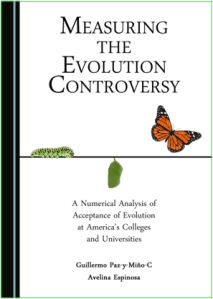
Paz-y-Miño-C, G & Espinosa, A. 2016. Measuring the Evolution Controversy: A Numerical Analysis of Acceptance of Evolution at America’s Colleges and Universities. Cambridge Scholars Publishing, Newcastle, United Kingdom. ISBN (10): 1-4438-9042-1, ISBN (13): 978-1-4438-9042-7.

BOOK small format - Measuring the Evolution Controversy 2016Measuring the Evolution Controversy can be ordered directly from Cambridge Scholars Publishing, Amazon US, or Amazon CA . The publisher has made available a “VIEW EXTRACT” (in PDF), which includes the first 30-pages of the book: Cover, Table of Contents, Acknowledgments, Preface, Chapter ONE and the beginning of Chapter TWO. For PDF of color illustrations go to Image Resources of Didactic Relevance.

“The great contribution of ‘Measuring the Evolution Controversy’ is the rich content of data and analysis that asks detailed questions about the social, economic and political backgrounds of those who tend to reject evolution vs. those who accept evolution as science. Paz-y-Miño-C and Espinosa deftly analyze their data drawn from institutions of higher learning in the United States and particularly New England —which stands as a microcosm of the rest of the country, and indeed elsewhere in the world. It is their scientific approach to these issues which makes this book stand out as a uniquely original contribution.” — Niles Eldredge, PhD, Curator Emeritus of Paleontology at The American Museum of Natural History, New York.

“Pro-science activists and educators constantly bemoan the resistance to the teaching of evolution in the United States. All of us have anecdotes about encounters with the public, parents and students who are misinformed by their churches, Religious-Right groups, and creationist organizations. Paz-y-Miño-C and Espinosa present hard data that support the anecdotal evidence. They also show that although anti-evolutionism typically begins with religion, it is a multi-faceted problem that intersects with political and cultural ideologies. Gathered through careful research over a period of years, their data will enable scientists and defenders of science education to comprehend the roots of the evolution controversy and counteract resistance to evolution more strategically and effectively.”Barbara Forrest, PhD, co-author with Paul R. Gross of Creationism’s Trojan Horse: The Wedge of Intelligent Design (2007), and expert witness for plaintiffs, Kitzmiller et al. v. Dover Area School District (2005).

*  *  *  *  *     *  *  *  *  *     *  *  *  *  *

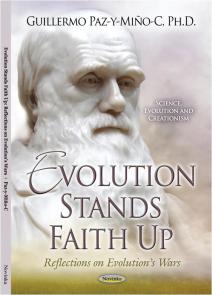
Paz-y-Mino-C_Book_Cover_Evolution_Stands_Faith_Up_JPEGPaz-y-Miño-C., G. 2013. Evolution Stands Faith Up: Reflections on Evolution’s Wars. NOVA Publishers, New York. By NOVA Publishers, New York Soft Cover. Find it at Barnes & Noble, Amazon.comAmazon UK

“The sweet spot of this collection of essays is the interface of science, history and literacy. Paz-y-Miño-C is, in essence, a champion of rationalism and a passionate defender of literacy standards. His essays deftly weave hard survey data and memorable turns of phrase with evocative imagery… While the essays in this collection are vast in coverage —from climate change to energy policy, stem cell research, vaccinations and, especially, evolution— a clear underlying theme emerges: [the author’s] goal is no less than to counter, through the lens of history and the majesty of rationalism, social forces that sanction ignorance, celebrate denial and… continue to diminish our global status in the fields of science and technology.” Jeff Podos, PhD, Professor of Biology, University of Massachusetts Amherst, USA.

“Paz-y-Miño-C  is a firm believer in evolutionary processes. He would like to see decisions made on the basis of facts, not unsupported opinion. He abhors and fears irrational thinking, especially ‘the views of those who see evil in truth and menace in the realities discovered by science.’ He marvels at the intricacy and diversity of life, and how it came about through natural selection… and is clearly frustrated by the unwillingness of so many to see the beauty and majesty in this view of the world and all that it explains.” – Jan A. Pechenik, PhD, Professor of Biology, Tufts University, USA, author of The Readable Darwin: The Origin of Species, as Edited for Modern Readers.

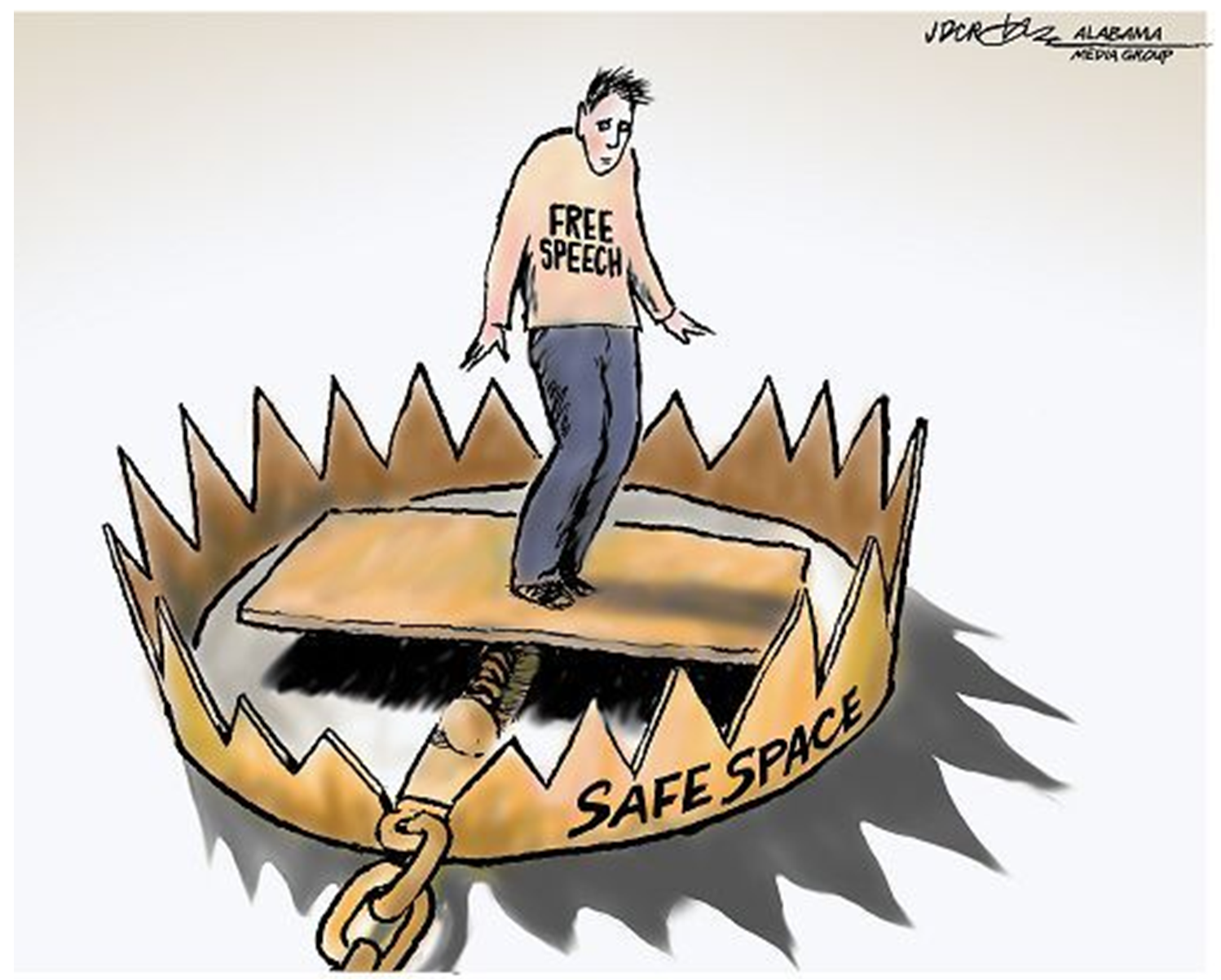
Intolerance toward Free Speech at America’s College Campuses

“…Colleges and universities must lead freedom of speech, nurture the battlefield of ideas, pursue world-competitive standards, deter grade inflation (a historical, pervasive companion of conflict resolution), stand for science and reason, teach the realities of the cosmos and evolution without spiritual justifications, and be the safe spaces where the trigger warning ‘no ignorance allowed’ is respected…” – GPC

Free-Speech Intolerance - Ferst Amen Mint by Gary Varvel - Evolution Literacy

By Guillermo Paz-y-Miño-C

New England Science Public – An Initiative for the Public Understanding of Science – on Twitter @gpazymino@EvoLiteracy – Facebook – ResearchGateAcademia.edu

Free Speech Intolerance On College Campuses

[click on subtitle to be redirected to The Standard Times]

There’s been a trend around the country of trying to get colleges to disinvite speakers with a different point of view, or disrupt a politician’s rally. Don’t do that, no matter how ridiculous or offensive you might find the things that come out of their mouths. Let them talk. If you don’t, you just make them a victim, and then they can avoid accountability.”

Disinvitations of Speakers at US College Campuses 2000 - 2014 The FIRE

Source The FIRE – Click on image to enlarge. See also List of Campus Disinvitation Attempts, 2000–2016.

That doesn’t mean you shouldn’t challenge them. Have the confidence to challenge them, the confidence in the rightness of your position. But listen. Engage. If the other side has a point, learn from them. If they’re wrong, rebut them. Teach them. Beat them on the battlefield of ideas.”

These were President Obama’s remarks at the Howard University commencement ceremony, back in May 2016. He highlighted a nowadays generalized concern in academia: that millennials (the generation born between the 1980s and early 2000s) have grown intolerant of any view contrary to their deepest, yet maturing convictions, a phenomenon documented by Gallup in its latest report “Free Expression On Campus.”

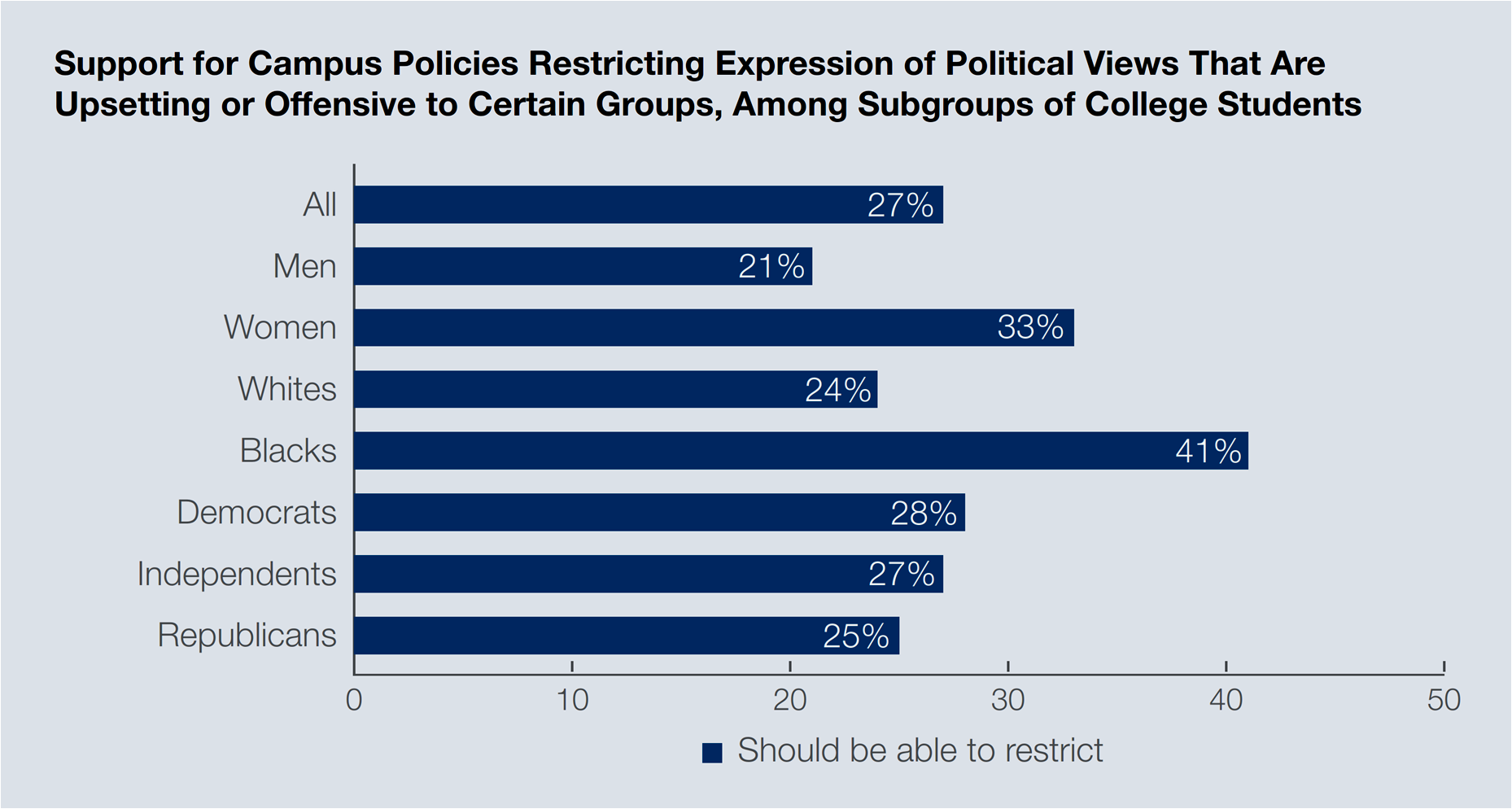
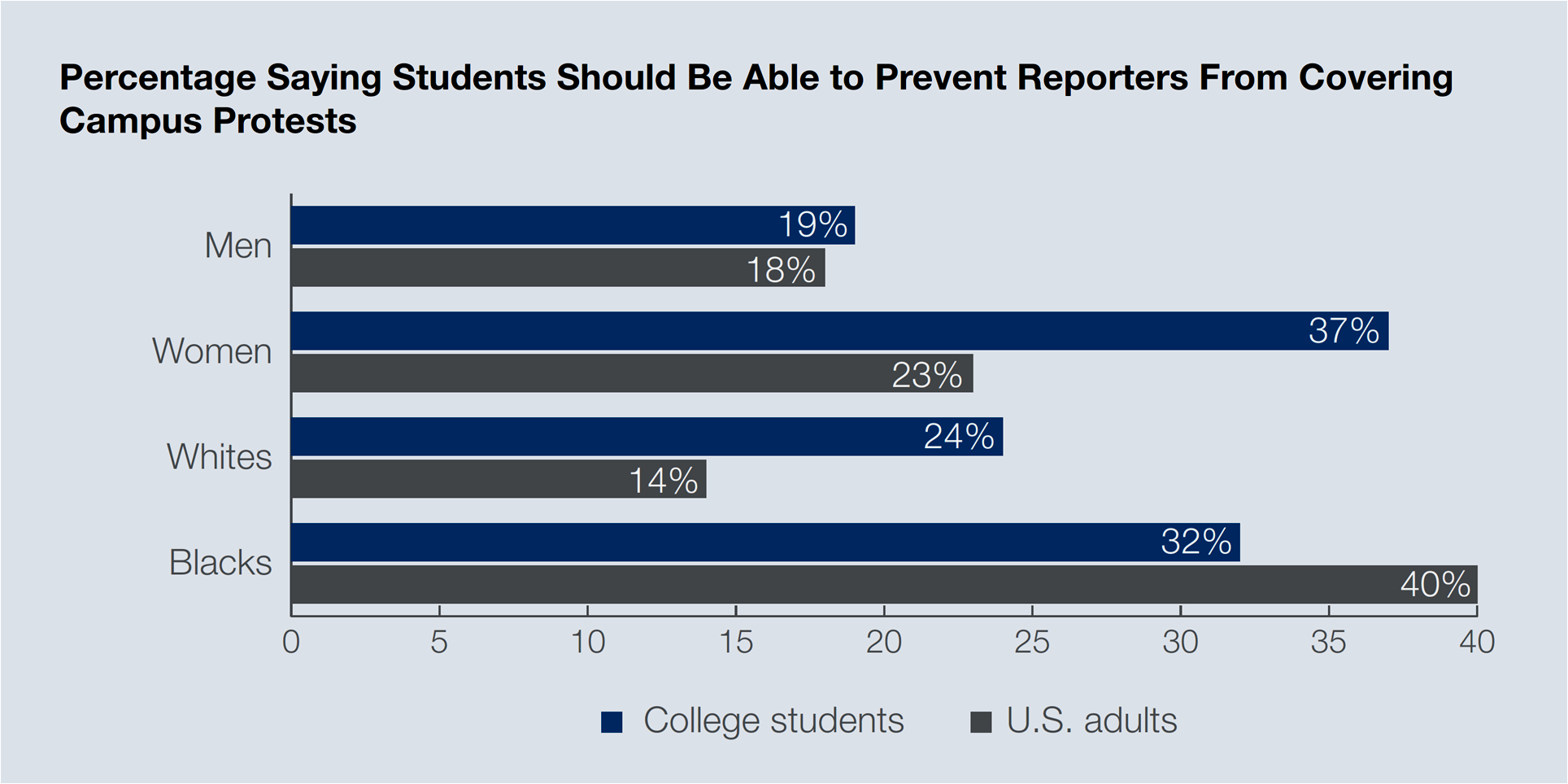
Although “college students believe First Amendment rights remain strong” in the United States, they also hold conflicting views about “shuttering free speech and impeding a free press under certain circumstances.” For instance, even though 81 percent of college students think that freedom of the press is very secure or secure in the country, and 73 percent think likewise about freedom of speech, one in every five college students (22 percent) believe that “to create a positive learning environment for all, it is more important for colleges to prohibit certain speech or expression of viewpoints that are offensive or biased, than to create an open learning environment where students are exposed to all types of speech and viewpoints —even offensive or biased.”

“…boycott actions against free speech may be rooted in capricious interpretations of First Amendment rights by students active and verbal at their institutions…”

But, what is offensive or biased rhetoric? Slurs and language that intentionally seek to hurt or offend (69 percent of students think so), or the wearing of costumes that stereotype racial or ethnic groups (63 percent believe that), or political views that may upset or offend (27 percent of students think colleges should limit such speech). The Gallup data, therefore, implies that boycott actions against free speech may be rooted in capricious interpretations of First Amendment rights by students active and verbal at their institutions.

Support for Campus Policies Restricting Expression Political Views - Gallup 2016

Source: Gallup Poll “Free Expression On Campus” (2016)

Should the media cover protests held at colleges and universities? One in every four students (28 percent, mean of men + women) opposes reporters’ coverage of demonstrations in campus. This view is noticeable among women (37 percent) and African Americans (32 percent). Gallup calls this overall occurrence “support of free press rights in the abstract” (or “in principle”) but not in practice. Protesters believe the press will be unfair in its reporting (49 percent say this), they assert to have the right to be left alone (48 percent), and want to tell their own version of the story on the internet and social media (44 percent). In fact, 86 percent of the polled students prefer the social media for allowing them more control over the story.

Support for Preventing Reporters from Covering Campus Protests - Gallup 2016

Source: Gallup Poll “Free Expression On Campus” (2016)

Free Speech and Safe Spaces - Evolution LiteracyWhy has intolerance of free speech become ubiquitous? Only tentative answers exist to this question. Greg Lukianoff and Jonathan Haidt, authors of “The Coddling of the American Mind,” have taken a psychological path to explain how “in the name of emotional well-being, college students are increasingly demanding protection from words and ideas they don’t like.” The ultimate aim, Lukianoff and Haidt state, “is to turn campuses into ‘safe spaces’ where young adults are shielded from words and ideas that make some uncomfortable. This movement seeks to punish anyone who interferes with that aim, even accidentally.”

“…Emotional reasoning, distorted thinking, magnification of events, and catastrophizing incidents seem to be central to the individual and collective minds of those who perceive offense in daily experiences…”

The “impulse” is called “vindictive protectiveness” and, as described by Lukianoff and Haidt, “it is creating a culture in which everyone must think twice before speaking up, lest they face charges of insensitivity, aggression, or worse.” Emotional reasoning, distorted thinking, magnification of events, and catastrophizing incidents seem to be central to the individual and collective minds of those who perceive offense in daily experiences. Thus, via negative filtering, groups develop a culture which focuses almost exclusively on the unconstructive, and this allows for simpleminded demonization.

“…The challenge is to identify objectively what is intellectually or psychologically damaging and what is mild…”

GETTY IMAGES - Evolution Literacy

Universities must be the safe spaces where the trigger warning “no ignorance allowed” is respected – GETTY IMAGES

Of course aggressions are real, more so in a society —ours— in which micro- and macro-bullying are widespread (see also Cyberbullying). The challenge is to identify objectively what is intellectually or psychologically damaging (hence provide cognitive-behavioral support) and what is mild. At the same time, colleges and universities must lead freedom of speech, nurture the battlefield of ideas, pursue world-competitive standards, deter grade inflation (a historical, pervasive companion of conflict resolution), stand for science and reason, teach the realities of the cosmos and evolution without spiritual justifications, and be the safe spaces where the trigger warning “no ignorance allowed” is respected. — EvoLiteracy © 2016.

Trigger Warning - Life Is Tough - Evolution Literacy 2016

You can contact Guillermo Paz-y-Miño-C via email at guillermo.pazyminoc@gmail.com — Follow us on Twitter @gpazymino and Facebook.

Related Articles

College Educated But Deeply In Debt For An Overpriced Degree

Imminent Collapse of Basic Science Under For-profit Model

Dehumanizing Academia by Dismantling the Humanities

Fragmentary Truths and the Intellectual Imbalance in Academia

Suggested Readings

Hate Speech on Campus – American Civil Liberties Union ACLU

First Amendment – Legal Information Institute, Cornell University

List of United States Supreme Court cases involving the First Amendment

What does Free Speech Mean? United States Courts

*  *  *  *  *     *  *  *  *  *     *  *  *  *  *

Measuring the Evolution Controversy - Hard copies 2016

Paz-y-Miño-C, G & Espinosa, A. 2016. Measuring the Evolution Controversy: A Numerical Analysis of Acceptance of Evolution at America’s Colleges and Universities. Cambridge Scholars Publishing, Newcastle, United Kingdom. ISBN (10): 1-4438-9042-1, ISBN (13): 978-1-4438-9042-7.

BOOK small format - Measuring the Evolution Controversy 2016Measuring the Evolution Controversy can be ordered directly from Cambridge Scholars Publishing, Amazon US, or Amazon CA . The publisher has made available a “VIEW EXTRACT” (in PDF), which includes the first 30-pages of the book: Cover, Table of Contents, Acknowledgments, Preface, Chapter ONE and the beginning of Chapter TWO. For PDF of color illustrations go to Image Resources of Didactic Relevance.

“The great contribution of ‘Measuring the Evolution Controversy’ is the rich content of data and analysis that asks detailed questions about the social, economic and political backgrounds of those who tend to reject evolution vs. those who accept evolution as science. Paz-y-Miño-C and Espinosa deftly analyze their data drawn from institutions of higher learning in the United States and particularly New England —which stands as a microcosm of the rest of the country, and indeed elsewhere in the world. It is their scientific approach to these issues which makes this book stand out as a uniquely original contribution.” — Niles Eldredge, PhD, Curator Emeritus of Paleontology at The American Museum of Natural History, New York.
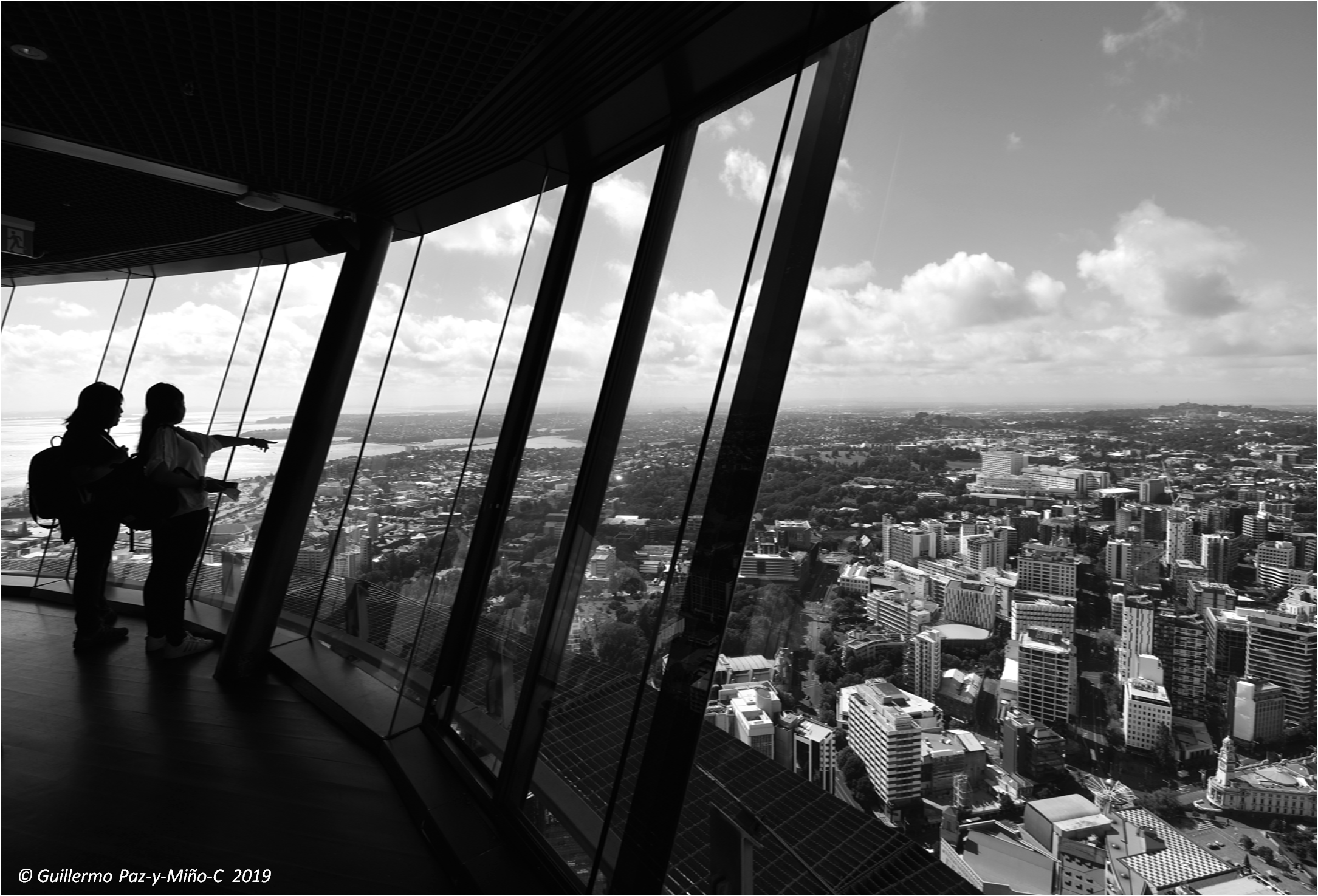
“Pro-science activists and educators constantly bemoan the resistance to the teaching of evolution in the United States. All of us have anecdotes about encounters with the public, parents and students who are misinformed by their churches, Religious-Right groups, and creationist organizations. Paz-y-Miño-C and Espinosa present hard data that support the anecdotal evidence. They also show that although anti-evolutionism typically begins with religion, it is a multi-faceted problem that intersects with political and cultural ideologies. Gathered through careful research over a period of years, their data will enable scientists and defenders of science education to comprehend the roots of the evolution controversy and counteract resistance to evolution more strategically and effectively.”Barbara Forrest, PhD, co-author with Paul R. Gross of Creationism’s Trojan Horse: The Wedge of Intelligent Design (2007), and expert witness for plaintiffs, Kitzmiller et al. v. Dover Area School District (2005).

*  *  *  *  *     *  *  *  *  *     *  *  *  *  *

Paz-y-Mino-C_Book_Cover_Evolution_Stands_Faith_Up_JPEGPaz-y-Miño-C., G. 2013. Evolution Stands Faith Up: Reflections on Evolution’s Wars. NOVA Publishers, New York. By NOVA Publishers, New York Soft Cover. Find it at Barnes & Noble, Amazon.comAmazon UK

“The sweet spot of this collection of essays is the interface of science, history and literacy. Paz-y-Miño-C is, in essence, a champion of rationalism and a passionate defender of literacy standards. His essays deftly weave hard survey data and memorable turns of phrase with evocative imagery… While the essays in this collection are vast in coverage —from climate change to energy policy, stem cell research, vaccinations and, especially, evolution— a clear underlying theme emerges: [the author’s] goal is no less than to counter, through the lens of history and the majesty of rationalism, social forces that sanction ignorance, celebrate denial and… continue to diminish our global status in the fields of science and technology.” Jeff Podos, PhD, Professor of Biology, University of Massachusetts Amherst, USA.

“Paz-y-Miño-C  is a firm believer in evolutionary processes. He would like to see decisions made on the basis of facts, not unsupported opinion. He abhors and fears irrational thinking, especially ‘the views of those who see evil in truth and menace in the realities discovered by science.’ He marvels at the intricacy and diversity of life, and how it came about through natural selection… and is clearly frustrated by the unwillingness of so many to see the beauty and majesty in this view of the world and all that it explains.” – Jan A. Pechenik, PhD, Professor of Biology, Tufts University, USA, author of The Readable Darwin: The Origin of Species, as Edited for Modern Readers.

The IDeA of Washington DC

Washington’s character is intrinsic to its museums, splendors of the arts and sciences, and the humanities of modern culture. They lead the world not by their past, which is recent (mid 1800s) in contrast to their European counterparts, but the future because they project the direction in which creativity, discovery and the human intellect should go.

G The Hunt Museum Nat Hist Washington DC - Photo G-Paz-y-Mino-C 2016

The Hunt – National Museum of Natural History in Washington DC. The Hall Of Human Origins at the Smithsonian is one of the best in the world. Photo G. Paz-y-Miño-C.

I finally sketched this chronicle. During June 26-28, 2016, I participated at the Institutional Development Award meeting (IDeA) in Washington DC. As per its website, the “IDeA program broadens the geographic distribution of NIH [National Institutes of Health] funding for biomedical research. The program fosters health-related research and enhances the competitiveness of investigators at institutions located in states in which the aggregate success rate for applications to NIH has historically been low… IDeA [supports] faculty development and research infrastructure enhancement at institutions in 23 states and Puerto Rico.”

The gathering included 1000 attendees (scientists, postdocs, graduate and undergraduate students, and science administrators), the presentation of 180 posters (on the research sponsored by IDeA), about 20 plenary talks, workshops and small(er)-group discussions. These meetings are important for catching up with information about trends in modern research topics suitable for NIH funding, new granting policies by the agency (which are always a moving target), expansion-contraction or ending of programs, emergence of new ones, and the idiosyncrasies of administrative and bureaucratic science-funding work. I have never met a scientist who likes these meetings, but all find them crucial to attend.

I am indirectly involved with IDeA via my research collaboration with Avelina Espinosa on the mechanisms of taxa-, clone- and kin-discrimination in protists (i.e. Entamoeba spp. –see publications). Avelina has been sponsored by IDeA Networks of Biomedical Research Excellence (INBRE) during the past ten years.

INBRE puts the IDeA approach into action.” It enhances “research infrastructure through support of a statewide system of institutions with a multidisciplinary, thematic scientific focus… INBRE’s goal is to “[develop] biomedical research (in Avelina’s case, her studies with pathogenic amebozoans)… and strengthen the research capabilities of… faculty, and provide access to… resources for promising undergraduate students throughout the eligible states (e.g. Roger Williams University in Rhode Island).”

As always, Avelina and I took time –before and after the meeting– to explore the museums, libraries and monuments, and to learn as much as possible about the local history and culture. But, with a difference on this occasion; the District of Columbia is quite known to us. We have been traveling to DC since the early 1990s, at first yearly, for professional reasons (I was a biodiversity intern/consultant at the World Bank in the Summer of 1993, as part of a Graduate Certificate in Tropical Biology and Conservation at the University of Missouri St. Louis), and later to visit the NIH medical campus. We did the latter for a decade and became familiar with Bethesda, DC, restaurants (many but not all in Adams Morgan), the metro system and public transportation. A great exposure to the “Washingtonian life.”

Washington’s character is intrinsic to its museums, splendors of the arts and sciences, and the humanities of modern culture. They lead the world not by their past, which is recent (mid 1800s) in contrast to their European counterparts, but the future because they project the direction in which creativity, discovery and the human intellect should go.

Below are some images in no hierarchical order, but they do show events in which we were involved during the trip and in a semi-chronological fashion, starting with the IDeA meeting and drifting into a combination of meeting-plus-traveling to the Washington Mall for the rest of the day, and to finally visiting Washington all day long. Most photos are in low definition and have little or no editing (click on them to enlarge). Please note that images are copyrighted, all rights reserved, enjoy watching them! — Guillermo Paz-y-Miño-C – EvoLiteracy © 2016.

A - MTEC at National Zoo in DC - Photo G-Paz-y-Mino-C 2016

Above: To start with humor, upon arrival to Washington DC, our book Measuring The Evolution Controversy, visited the Panda facilities at the National Zoo. Selfie with the “Giant Panda” sculpture by Eric Berg (2006).

Giant Panda feeding National Zoo Washington DC - Photo G-Paz-y-Mino-C 2016

Above: Giant Panda feeding at the National Zoo in Washington DC. Wild animals belong in the wild…

IDeA name tag - Photo G-Paz-y-Mino-C 2016

Above: Prior to the IDeA meeting. I like meetings in which everything they give you fits in a 2-GB flash drive… which is part of the ID tag… and with all the presentations and posters in it.

B IDeA Meeting Washington DC - Photo G-Paz-y-Mino-C 2016

Above: The IDeA opening session.

A IDeA Meeting Washington DC - Photo G-Paz-y-Mino-C 2016

Above: And the left side of the room, IDeA meeting in Washington DC.

C the iPosters at Washington DC - Photo G-Paz-y-Mino-C 2016

Above: The iPoster session; all posters were presented on touch screens.

CC the iPosters at Washington DC - Photo G-Paz-y-Mino-C 2016

Above: At the electronic poster session, as they called it, the iPosters. The cup was for tips…

IDeA flashdrive - Photo G-Paz-y-Mino-C 2016

Above:  If anything, THIS IS ALL THEY SHOULD GIVE YOU TO TAKE HOME… at / from a scientific meeting (i.e. three days, 1000 participants, 180 posters, about 20 plenary talks, symposia and small discussions). All in a flash-drive, no paper, no pens (of which you have plenty in your office), no meeting-bags (which usually stay at the hotel-room –they are ugly). In fact, organizers should only give you –a priori– just a weblink to find everything which was uploaded to the flash-drive. So, no flash-drive in the future.

New Escalators Washington DC - Photo G-Paz-y-Mino-C 2016

Above: On our way to the Washington Mall. Brand new escalators in the DC’s Metro… very bright… easy to see.

Panoramic Library of Congress - Photo G-Paz-y-Mino-C 2016

Above: The majestic Library of Congress… Washington DC.

Interior Library of Congress - Photo G-Paz-y-Mino-C 2016

Above: The interior of the Library of Congress, Washington DC.

Main Reading Room Library of Congress Washington DC - Photo G-Paz-y-Mino-C 2016

Above: The main reading room (central building), Library of Congress in Washington DC.

Decorations Library of Congress Washington DC - Photo G-Paz-y-Mino-C 2016

Above: Decorations at the Library of Congress in Washington DC… The main building was completed in the late 1890s.

Ceiling Library of Congress Washington DC - Photo G-Paz-y-Mino-C 2016

Above: The ceiling “flower” ornaments, Library of Congress, Washington DC.

MTEC at Library of Congress US - Photo G-Paz-y-Mino-C 2016

Above: Our book, Measuring the Evolution Controversy, posing for selfie at the main hall, Library of Congress, Washington DC.

Library of Congress Washington DC - Photo G-Paz-y-Mino-C 2016

Above: One of our last stops by the Library of Congress… Washington DC.

Tunnel to Library of Congress - Photo G-Paz-y-Mino-C 2016

Above: The “tunnel” from the Capitol to the Library of Congress (goes both ways), Washington DC.

The US Capitol - Photo G-Paz-y-Mino-C 2016

Above: The Capitol renovation continues. The dome, already finished, looks amazingly white, polished and shiny… Washington DC.

Constantino Brumidi painting US Capitol - Photo G-Paz-y-Mino-C 2016

Above: Despite the renovation going on at the U.S. Capitol, we could see the Constantino Brumidi’s paintings.

William Jennings Bryan and Junípero Serra - Photo G-Paz-y-Mino-C 2016

Above: TALKING ABOUT CONTRAST – Nebraska chose William Jennings Bryan as the most prominent native to represent the state at the U.S. Capitol. California went for Junípero Serra. Indiana, in the back, a bit pale.

Museum African American History Culture Washington DC - Photo G-Paz-y-Mino-C 2016

Above: The new building of the National Museum of African American History and Culture (still under construction), it shall open before the end of 2016, Washington DC.

Presidential 2 of 3 Mural Mama Ayeshas Rest Washington DC - Photo G-Paz-y-Mino-C 2016

Above: The Presidential Mural at the Mama Ayesha’s restaurant in Adams Morgan (Part I)…

Presidential 3 of 3 Mural Mama Ayeshas Rest Washington DC - Photo G-Paz-y-Mino-C 2016

Above: The Presidential Mural at the Mama Ayesha’s restaurant in Adams Morgan (Part II)…

D Hippo and Okapi Museum Nat Hist Washington DC - Photo G-Paz-y-Mino-C 2016

Above: Up close – Hippo and Okapi at the National Museum of Natural History in Washington DC.

Jaguar National Museum of Natural History - Photo G-Paz-y-Mino-C 2016

Above: Melanic Jaguar, National Museum of Natural History, Washington DC.

F Homo heidelbergensis Museum Nat Hist Washington DC - Photo G-Paz-y-Mino-C 2016

Above: Homo heidelbergensis – National Museum of Natural History in Washington DC. The Human Origins Exhibit at the Smithsonian is one of the best in the world…

E Children at Museum Nat Hist Washington DC - Photo G-Paz-y-Mino-C 2016

Above: PRIMATES – Children (next to bronze chimp statue) watching video about Morganucodon, the first mammals, and the extinction of dinosaurs. National Museum of Natural History in Washington DC.

L Morganucodon Museum Nat Hist Washington DC - Photo G-Paz-y-Mino-C 2016

Above: And the Morganucodon Award goes to… National Museum of Natural History in Washington DC.

A Great Inca Road Exhibit Nat Museum Ame Indian - Photo G-Paz-y-Mino-C 2016

Above: At the GREAT INKA ROAD EXHIBIT, Smithsonian National Museum of the American Indian in Washington DC. It summarizes the history of the Inka (Inca) Empire, open until 2018. Impressive, with excellent didactic options (touch screens).

B Great Inca Road Exhibit Nat Museum Ame Indian - Photo G-Paz-y-Mino-C 2016

Above: INKA ROAD EXHIBIT, Smithsonian National Museum of the American Indian in Washington DC.

C Great Inca Road Exhibit Nat Museum Ame Indian - Photo G-Paz-y-Mino-C 2016

Above: INKA ROAD EXHIBIT, Smithsonian National Museum of the American Indian in Washington DC. Inka khipu (years 1400-1600s) Peru. Cotton, Agave fiber.

D Great Inca Road Exhibit Nat Museum Ame Indian - Photo G-Paz-y-Mino-C 2016

Above: INKA ROAD EXHIBIT, Smithsonian National Museum of the American Indian in Washington DC. This is a very good museum.

OJIBWE Birch Bark Canoe National Museum of the American Indian - Photo G-Paz-y-Mino-C 2016

Above: OJIBWE Birch Bark Canoe at the National Museum of the American Indian, Washington DC.

Inside of OJIBWE Birch Bark Canoe - Photo G-Paz-y-Mino-C 2016

Above: Inside OJIBWE Birch Bark Canoe at the National Museum of the American Indian, Washington DC.

Pineapple lily Eucomis sp US Botanic Garden - Photo G-Paz-y-Mino-C 2016

Above: Pineapple lily, Eucomis sp., US Botanic Garden, Washington DC.

Another take Arlington National Cemetery - Photo G-Paz-y-Mino-C 2016

Above: At the main entrance to the Arlington National Cemetery in Virginia…

Memorial Amphitheater Arlington National Cemetery - Photo G-Paz-y-Mino-C 2016

Above: The impressive Memorial Amphitheater at the Arlington National Cemetery in Virginia. It resembles –in architecture– the Greek archeological amphitheaters of Europe…

MTEC at the Arlington National Cemetery - Photo G-Paz-y-Mino-C 2016

Above: Our book visiting the Memorial Amphitheater at the Arlington National Cemetery in Virginia…

NATIONAL PORTRAIT GALLERY in Washington DC - Photo G-Paz-y-Mino-C 2016

Above: The NATIONAL PORTRAIT GALLERY in Washington DC. This is a world-class museum, Smithsonian quality, impressive, very well conceptualized and representative of the American portrait culture and legacy (a specialized collection on/about the United States). Entrance to the museum is free, as to all Smithsonian museums in Washington. Free education for anyone, from anywhere in the world, who decides to visit. You need an entire day to explore it well. What a treat!

Corridors NATIONAL PORTRAIT GALLERY in Washington DC - Photo G-Paz-y-Mino-C 2016

Above: Halls and corridors at the NATIONAL PORTRAIT GALLERY in Washington DC.

THE DYING TECUMSEH - National Portrait Gallery - Photo G-Paz-y-Mino-C 2016

Above: THE DYING TECUMSEH by Ferdinand Pettrich (about 1850s) National Portrait Gallery, Washington DC. Marble with painted copper. The beauty is that if you stare at the sculpture, Tecumseh seems to continue dying, he never ends dying.

Mohamed Ali National Portrait Gallery - Photo G-Paz-y-Mino-C 2016

Above: Mohamed Ali at the National Portrait Gallery in Washington DC.

Rosa Parks by Marshall Rumbaugh National Portrait Gallery - Photo G-Paz-y-Mino-C 2016

Above: ROSA PARKS, by Marshall Rumbaugh, 1983, National Portrait Gallery, Washington DC. Painted limewood (sculptured).

Close up Rosa Parks by Marshall Rumbaugh National Portrait Gallery - Photo G-Paz-y-Mino-C 2016

Above: And detail of ROSA PARKS, by Marshall Rumbaugh, 1983, National Portrait Gallery, Washington DC. Painted limewood (sculptured).

BLACK HAWK Nat Portrait Gallery - Photo G-Paz-y-Mino-C 2016

Above: BLACK HAWK, by George Catlin, oil on canvas, about 1835. National Portrait Gallery in Washington DC.

Einstein by Jo Davidson Nat Portrait Gallery - Photo G-Paz-y-Mino-C 2016

Above: Up close: terra cotta and a cell-phone camera. – Work of Jo Davidson, terra cotta, 1934, National Portrait Gallery in Washington DC.

EO Wilson by Jennie Summerall - Photo G-Paz-y-Mino-C 2016

Above: Edward O. Wilson by Jennie Summerall, National Portrait Gallery, Washington DC. Oil on canvas (2006).

WJC - National Portrait Gallery - Photo G-Paz-y-Mino-C 2016

Above: WJC – National Portrait Gallery, Washington DC, by Chuck Close, oil on canvas (2006).

ACHELOUS AND HERCULES and ONE AND ANOTHER National Portrait Gallery - Photo G-Paz-y-Mino-C 2016

Above: ACHELOUS AND HERCULES (back) by Thomas Hart Benton, and ONE AND ANOTHER (front) by Hugo Robus, National Portrait Gallery, Washington DC.

One And Another NATIONAL PORTRAIT GALLERY in Washington DC - Photo G-Paz-y-Mino-C 2016

Above: ONE AND ANOTHER (1934), bronze on wood base, by Hugo Robus. National Portrait Gallery in Washington DC. This is such a beautiful piece, human size. An entire room for it. The paintings around seem static, almost watching at One And Another…

Close up ACHELOUS AND HERCULES National Portrait Gallery - Photo G-Paz-y-Mino-C 2016

Above: ACHELOUS AND HERCULES, oil on canvas (1947), by Thomas Hart Benton, National Portrait Gallery, Washington DC.

Babbon National Portrait Gallery - Photo G-Paz-y-Mino-C 2016

Above: Baboon (1930s) by Bessie Stough Callender, National Portrait Gallery in Washington DC. It reminded us of the Egyptian baboons…

Babbon B&W National Portrait Gallery - Photo G-Paz-y-Mino-C 2016

Above: Close up of Baboon (1930s), in B&W, by Bessie Stough Callender; National Portrait Gallery in Washington DC.

Falcons National Portrait Gallery - Photo G-Paz-y-Mino-C 2016

Above: Falcons (left unfinished, right finished, 1937) on black Belgian marble, by Bessie Stough Callender, National Portrait Gallery in Washington DC.

Washington Sea Eagle National Portrait Gallery - Photo G-Paz-y-Mino-C 2016

Above: Washington Sea Eagle (1836-39) by John James Audubon, oil on canvas. Zoom in, you can see the carks on the canvas. National Portrait Gallery in Washington DC.

Giant Panda B&W feeding National Zoo Washington DC - Photo G-Paz-y-Mino-C 2016

Above: Giant Panda feeding on bamboo, National Zoo, Washington DC. Wild animals belong in the wild…

Welcoming Lion National Zoo Washington DC - Photo G-Paz-y-Mino-C 2016

Above: Welcoming Lion, National Zoo, Washington DC.

Priscilla The Parrot Fish National Zoo Washington DC - Photo G-Paz-y-Mino-C 2016

Above: Priscilla The Parrot Fish at the National Zoo, Washington DC.

Electronic Superhighway Nat Portrait Gallery - Photo G-Paz-y-Mino-C 2016

Above: Electronic Superhighway (2002) by Nam June Paik (born in Korea), pioneer of video-art. National Portrait Gallery in Washington DC.

H The White House Washington DC - Photo G-Paz-y-Mino-C 2016

Above: The White House, as close as you can get nowadays…

Jefferson Memorial Washington DC - Photo G-Paz-y-Mino-C 2016

Above: The Jefferson Memorial awakening… by the Potomac, Washington DC

Jefferson Memorial Washington DC color - Photo G-Paz-y-Mino-C 2016

Above: The Jefferson Memorial, another view, Washington DC

MTEC US Supreme Court - Photo G-Paz-y-Mino-C 2016

Above: Remember EDWARDS V. AGUILLARD? The 1987 (June 19) US Supreme Court ruling concerning “…a Louisiana law (i.e. Creationism Act) requiring that creation science be taught in public schools, along with evolution, violated the Establishment Clause of the First Amendment because the law was specifically intended to advance a particular religion…” Well, MTEC visited the US Supreme Court to reflect about that specific ruling. It was a beautiful, sunny day, dry and perfect to pose for selfies.

Pillars US Supreme Court - Photo G-Paz-y-Mino-C 2016

Above: The imposing architecture of the U.S. Supreme Court in Washington DC.

The famous staircase at the US Supreme Court - Photo G-Paz-y-Mino-C 2016

Above: The famous staircase at the U.S. Supreme Court in Washington DC. There are two of these beautiful stairways in the building.

When water breaks Bethesda MD - Photo G-Paz-y-Mino-C 2016

Above: When Water Breaks, It Always Does, Bethesda.

Chesapeake Bays Fish Market Washington DC - Photo G-Paz-y-Mino-C 2016

Above: We visited the famous Chesapeake Bay’s Fish marketplace. This made the day!

Chesapeake B Bays Fish Market Washington DC - Photo G-Paz-y-Mino-C 2016

Above: Close ups of the Chesapeake Bay’s Fish market.

Crabs Chesapeake Bays Fish Market Washington DC - Photo G-Paz-y-Mino-C 2016

Above: And even closer… Chesapeake Bay’s Fish market, Washington DC.

Sooner or Later Nat Museum Ame Indian - Photo G-Paz-y-Mino-C 2016

Above: Sooner or Later, National Museum of the American Indian, Washington DC.

MTEC at the US Supreme Court - Photo G-Paz-y-Mino-C 2016

Above: Our Book at the US Supreme Court. MTEC took some time to visit the building. Here, the volume is posing with one of the Cherub sculptures (the “Pen and Mace”) of the flagpole base. Both look radiant.
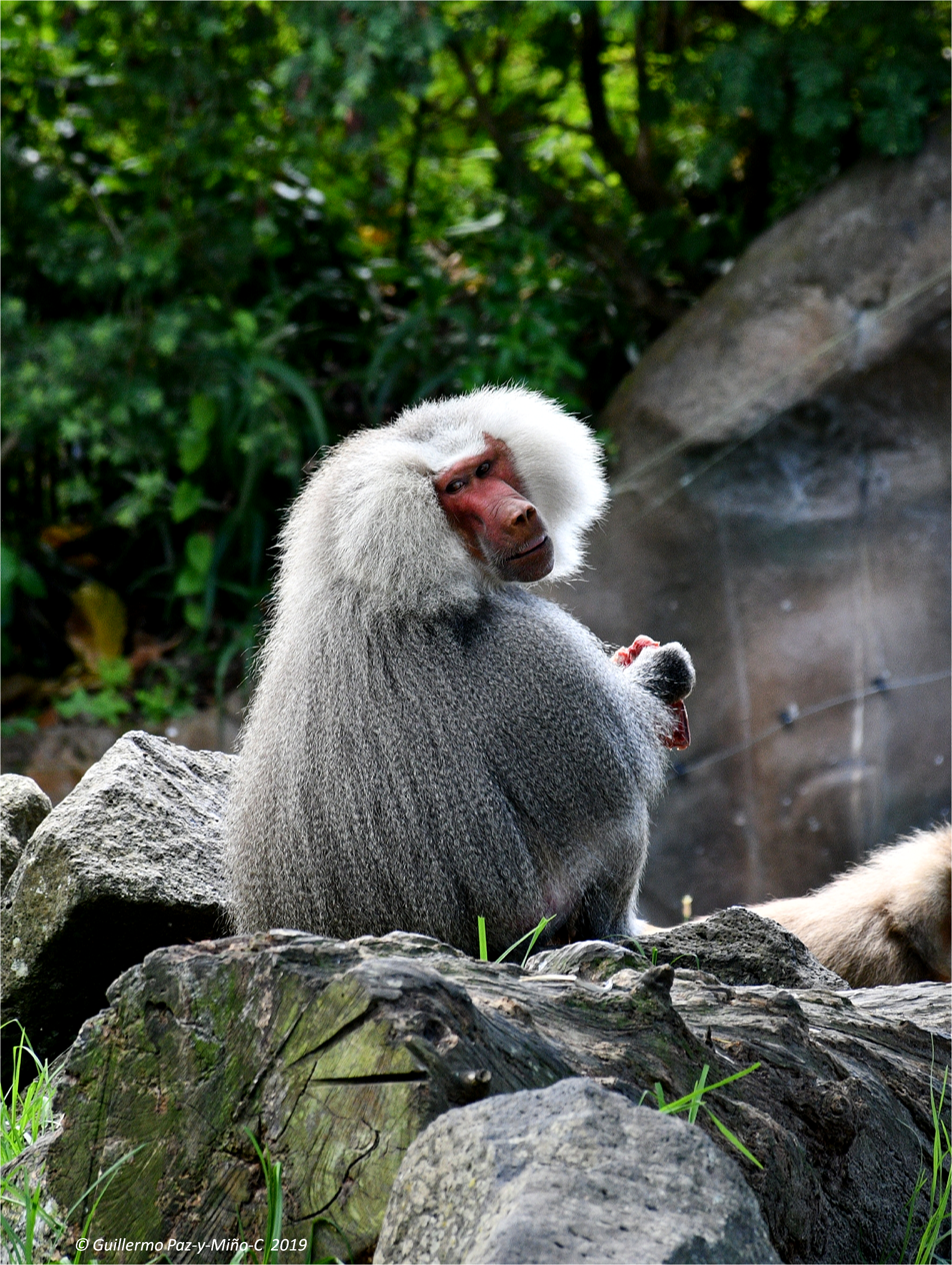
You can contact Guillermo Paz-y-Miño-C via email at guillermo.pazyminoc@gmail.com — Follow us on Twitter @gpazymino and Facebook.

*  *  *  *  *     *  *  *  *  *     *  *  *  *  *

Promotion Measuring the Evolution Controversy Paz-y-Mino-C & Espinosa 2016

Paz-y-Miño-C, G & Espinosa, A. 2016. Measuring the Evolution Controversy: A Numerical Analysis of Acceptance of Evolution at America’s Colleges and Universities. Cambridge Scholars Publishing, Newcastle, United Kingdom. ISBN (10): 1-4438-9042-1, ISBN (13): 978-1-4438-9042-7.

BOOK small format - Measuring the Evolution Controversy 2016Measuring the Evolution Controversy can be ordered directly from Cambridge Scholars Publishing, Amazon US, or Amazon CA . The publisher has made available a “VIEW EXTRACT” (in PDF), which includes the first 30-pages of the book: Cover, Table of Contents, Acknowledgments, Preface, Chapter ONE and the beginning of Chapter TWO. For PDF of color illustrations go to Image Resources of Didactic Relevance.

“The great contribution of ‘Measuring the Evolution Controversy’ is the rich content of data and analysis that asks detailed questions about the social, economic and political backgrounds of those who tend to reject evolution vs. those who accept evolution as science. Paz-y-Miño-C and Espinosa deftly analyze their data drawn from institutions of higher learning in the United States and particularly New England —which stands as a microcosm of the rest of the country, and indeed elsewhere in the world. It is their scientific approach to these issues which makes this book stand out as a uniquely original contribution.” — Niles Eldredge, PhD, Curator Emeritus of Paleontology at The American Museum of Natural History, New York.

“Pro-science activists and educators constantly bemoan the resistance to the teaching of evolution in the United States. All of us have anecdotes about encounters with the public, parents and students who are misinformed by their churches, Religious-Right groups, and creationist organizations. Paz-y-Miño-C and Espinosa present hard data that support the anecdotal evidence. They also show that although anti-evolutionism typically begins with religion, it is a multi-faceted problem that intersects with political and cultural ideologies. Gathered through careful research over a period of years, their data will enable scientists and defenders of science education to comprehend the roots of the evolution controversy and counteract resistance to evolution more strategically and effectively.”Barbara Forrest, PhD, co-author with Paul R. Gross of Creationism’s Trojan Horse: The Wedge of Intelligent Design (2007), and expert witness for plaintiffs, Kitzmiller et al. v. Dover Area School District (2005).

*  *  *  *  *     *  *  *  *  *     *  *  *  *  *

Paz-y-Mino-C_Book_Cover_Evolution_Stands_Faith_Up_JPEGPaz-y-Miño-C., G. 2013. Evolution Stands Faith Up: Reflections on Evolution’s Wars. NOVA Publishers, New York. By NOVA Publishers, New York Soft Cover. Find it at Barnes & Noble, Amazon.comAmazon UK

“The sweet spot of this collection of essays is the interface of science, history and literacy. Paz-y-Miño-C is, in essence, a champion of rationalism and a passionate defender of literacy standards. His essays deftly weave hard survey data and memorable turns of phrase with evocative imagery… While the essays in this collection are vast in coverage —from climate change to energy policy, stem cell research, vaccinations and, especially, evolution— a clear underlying theme emerges: [the author’s] goal is no less than to counter, through the lens of history and the majesty of rationalism, social forces that sanction ignorance, celebrate denial and… continue to diminish our global status in the fields of science and technology.” Jeff Podos, PhD, Professor of Biology, University of Massachusetts Amherst, USA.

“Paz-y-Miño-C  is a firm believer in evolutionary processes. He would like to see decisions made on the basis of facts, not unsupported opinion. He abhors and fears irrational thinking, especially ‘the views of those who see evil in truth and menace in the realities discovered by science.’ He marvels at the intricacy and diversity of life, and how it came about through natural selection… and is clearly frustrated by the unwillingness of so many to see the beauty and majesty in this view of the world and all that it explains.” – Jan A. Pechenik, PhD, Professor of Biology, Tufts University, USA, author of The Readable Darwin: The Origin of Species, as Edited for Modern Readers.

Russia: A Saturation of Beauty

“…There is so much history in Russia, a cultural legacy for the world. Its splendor is overwhelming. The fantasy in the architecture of its cathedrals and palaces; the colors of joy on its paintings; the ballerinas dancing in the snow at the tempo of always original music; the transcendent prose and verse of its writers, above all –to me– the perfection of Tolstoy’s Anna Karenina. A nation of great contrasts like all mega homelands. Of imposed extreme inequality and oppression by its past ruling Tsars, shamelessly sheltered by the co-conspirator Orthodoxy, the Church and its wicked Patriarchs, enticers of the populous. Its 1917 Revolution was inevitable, as it later was the Cold War with the West, which sequels still mark the divide between the peoples of Russia and ‘the capitalists.’ But what impresses me most of Russia is its capacity to have rebuilt itself after the significant obliteration of its land during World War II. Only a collective mind that treasures culture could reconstruct it, despite its 27-million casualties while battling Nazism. — One day, in the distant future, just before the subversive cells of my skin take over the rest of the organs and inflict their final harm, I would like to see the Russian Cathedrals again. Not because an Atheist needs conversion before death; that will never happen, I will always reject Fraud. But because these ‘now museums’ represent the saturation of art-beauty that I have been looking for…” — GPC.

We just returned from Russia after attending the Moscow Forum Protists – 2016 held at Lomonosov Moscow State University, from June 6th to 10th. The program, sponsored by the International Society of Protistologists (ISOP), included five plenary sessions with keynote speakers, general oral presentations, two symposia (integrative co-evolution between mitochondria and their hosts, and protists of marine sediments), and poster presentations (two sessions with about 50 posters each) on diverse topics, including: evolution and phylogeny, taxonomy, systematics and DNA barcoding, genomics and molecular biology, cell biology, organismal biology, parasitology, diversity and biogeography, ecology of soil protists, ecology of aquatic protists, bioindicators and palaeoecology. The 200 participants had time to exchange ideas during informal, social gatherings.

Avelina Espinosa and I participated with a poster (something we have not done in years, perhaps since we were postdocs, although our students present posters often) titled “Aggregative Behavior, Cell Signaling and Morphometrics: Entamoeba Discrimination Studies.” It summarized our latest papers (2016) featured on the Journal of Eukaryotic Microbiology (for details and links to articles see Symposium Kin-Discrimination in Protists just featured on JEUK). Here is the poster, you can click on the image to enlarge:

Aggregative Behav Cell Signaling Morphometrics Entamoeba Discrimination Studies 2016

The meeting included a pre-conference trip to Saint Petersburg and a post-conference tour to the Golden Ring of Russia; we joined both. Plus three excursions, two of which we did on our own (the Armoury Chamber and the Moscow Kremlin), and a visit to the State Tretyakov Gallery, which we missed due to a conflict on our schedule.

Below, I include some of the images of our trip, in no particular order. On purpose, I often use a phone-camera to document our traveling. Most images are in low definition and have little or no editing (click on them to enlarge). Please note that images are copyrighted, all rights reserved, enjoy watching them! — EvoLiteracy © 2016.

MTEC at downtown campus Lomonosov Moscow State University - Photo G-Paz-y-Mino-C 2016

Above: Our book, Measuring the Evolution Controversy (2016), at the downtown campus of Lomonosov Moscow State University. Quite a stop to start our official visit. The old campus is located nearby the Kremlin. The new campus is located South of the city’s center.

Opening ISOP 2016 - Photo G-Paz-y-Mino-C 2016

Above: Opening at Moscow Forum Protists – 2016. The Faculty of Biology Building, Lomonosov Moscow State University.

Main Building COLOR Lomonosov Moscow State University - Photo G-Paz-y-Mino-C 2016

Above: Main Building Lomonosov Moscow State University. There are seven identical buildings in Moscow, one of them belongs to the University.
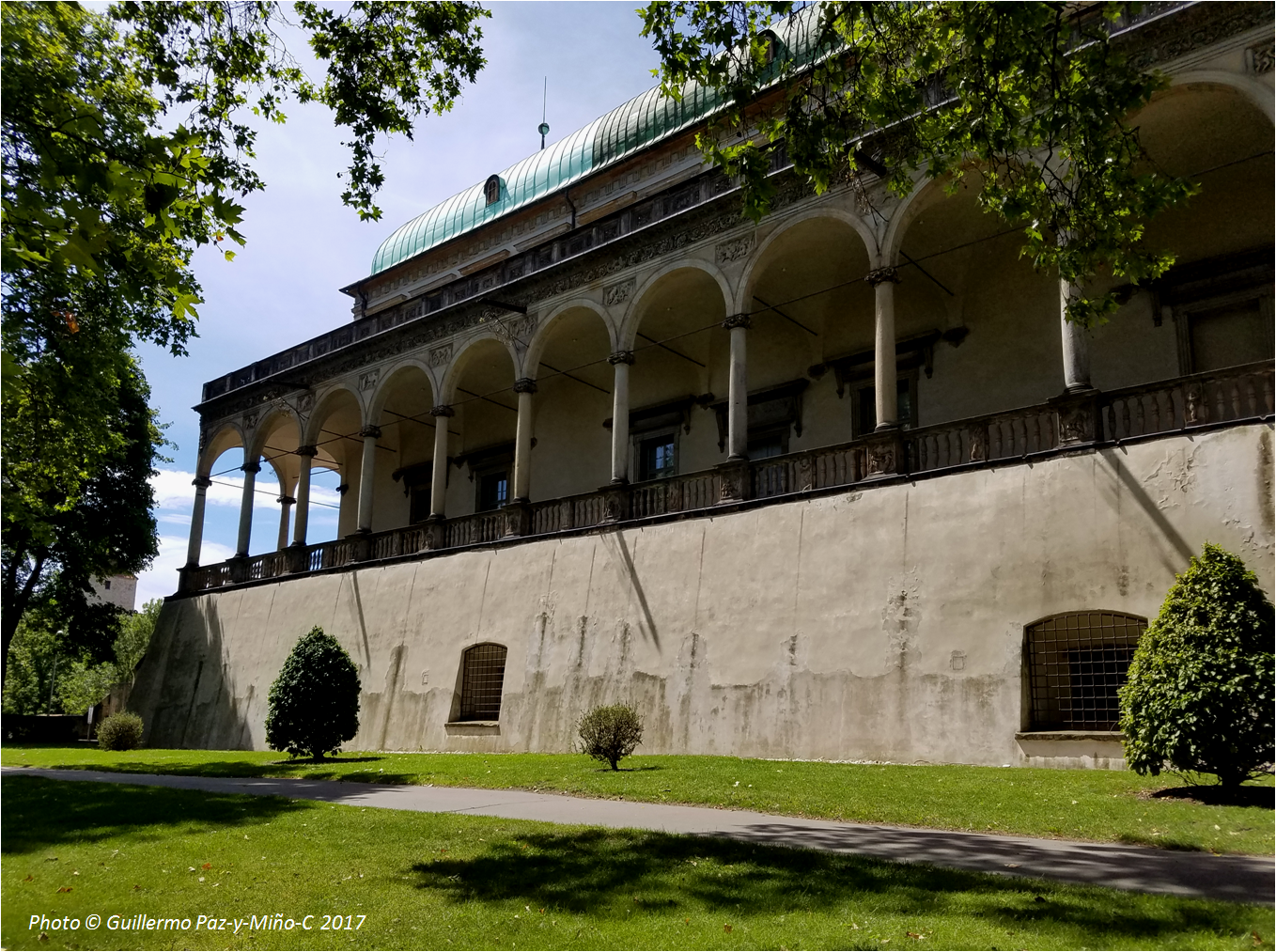
VDNKH Metro Station in Moscow - Photo G-Paz-y-Mino-C 2016

Above: VDNKH Metro Station in Moscow. Tiles covering an entire wall (18 x 6 feet). While we were admiring this “tile-mosaic,” a young couple, plus a boy with his mother, stopped by to take pictures, an indication that this was an appreciated spot.

Cathedral of the Nativity of the Virgin in Suzdal Russia - Photo G-Paz-y-Mino-C 2016

Above: Cathedral of the Nativity of the Virgin in Suzdal, Russia. My favorite; blue is the right color.

Cathedral of the Nativity of the Virgin INSIDE Suzdal Russia - Photo G-Paz-y-Mino-C 2016

Above: Inside the Cathedral of the Nativity of the Virgin in Suzdal, Russia.

The Senate and The Secret Gardens Kremlin Moscow - Photo G-Paz-y-Mino-C 2016

Above: The Senate and The Secret Gardens, Kremlin, Moscow.

Kremlin Wall with tower - Photo G-Paz-y-Mino-C 2016

Above: The iconic Kremlin Wall with tower, Moscow. The Kremlin buildings (government and museums) are enclosed by the wall.

The Grand Kremlin Palace Moscow - Photo G-Paz-y-Mino-C 2016

Above: The Grand Kremlin Palace in Moscow.

MTEC exploring Moscow Map - Photo G-Paz-y-Mino-C 2016

Above: Our book, Measuring the Evolution Controversy, planning the next day’s activities in Moscow. The Metro system is quite efficient to explore the city’s historic buildings, monuments and museums.

Russian State Library Main Hall - Photo G-Paz-y-Mino-C 2016

Above: Russian State Library, Main Hall, Moscow. An old palace in current renovation.

Marble stairs at the Russian State Library - Photo G-Paz-y-Mino-C 2016

Above: Marble stairs at the Russian State Library; history polished on marble, perhaps by millions of people over the years, Moscow.

View of Kermlin from Russian State Library Moscow - Photo G-Paz-y-Mino-C 2016

Above: View of the Kremlin from the Russian State Library in Moscow.

Fyodor Dostoyevsky Russian State Library - Photo G-Paz-y-Mino-C 2016

Above: Fyodor Dostoyevsky statue at the Russian State Library, frequented spot by pigeons and birdlife. Quiet, little explored by pedestrians now that the surroundings are in renovation.

Detail of Facade Russian State Library - Photo G-Paz-y-Mino-C 2016

Above: Detail of façade at the Russian State Library, Moscow.

Book Museum View - Russian State Library - Photo G-Paz-y-Mino-C 2016

Above: Book Museum at the Russian State Library. Its collection of old books is impressive, hundreds of volumes.

SURVEYING VOYAGES Book Museum Russian State Library - Photo G-Paz-y-Mino-C 2016

Above: Darwin’s SURVEYING VOYAGES (1839) at the Book Museum of the Russian State Library, Moscow.

HUMANI CORPORIS FABRICA Book Museum Moscow - Photo G-Paz-y-Mino-C 2016

Above: The original HUMANI CORPORIS FABRICA by Andreas Vesalius (1543) at the Book Museum, Russian Sate Library, Moscow. I have seen this book twice, the first time at the Library of Medicine, National Institutes of Health, Bethesda, in the US.

DON QVIXOTE OF LA MANCHA Book Museum Russian State Library - Photo G-Paz-y-Mino-C 2016

Above: DON QVIXOTE OF LA MANCHA (1616), Book Museum, Russian State Library, Moscow.

1867 Das Kapital - Book Museum - Russian State Library - Photo G-Paz-y-Mino-C 2016

Above: 1867 edition of Das Kapital by Karl Marx, Book Museum, Russian State Library, Moscow.

MTEC at Library Lomonosov Moscow State University - Photo G-Paz-y-Mino-C 2016

Above: Our book, Measuring the Evolution Controversy, enjoying a lovely day outside the Library of Lomonosov Moscow State University. MTEC was not allowed in the Library due to lack of proper “pass,” which was required for visitors. In any event, the book took some time for selfies and promotion.

Modern Moscow at sunset - Photo G-Paz-y-Mino-C 2016

Above: Modern Moscow at sunset, a view from our hotel.

Moscow River and Kremlin - Photo G-Paz-y-Mino-C 2016

Above: Moskva River and Kremlin (on the right), Moscow.

Saint Basil's Cathedral Moscow NIGHT - Photo G-Paz-y-Mino-C 2016

Above: Saint Basil’s Cathedral (night), Moscow.

Saint Basil's Cathedral Moscow - Photo G-Paz-y-Mino-C 2016

Above: Saint Basil’s Cathedral, Moscow, panoramic view.

Saint Basil's Cathedral Moscow closeup - Photo G-Paz-y-Mino-C 2016

Above: Saint Basil’s Cathedral, close up, Moscow.

Orthodox Moscow - Photo G-Paz-y-Mino-C 2016

Above: Orthodox Moscow, next to Saint Basil’s Cathedral.

The Historical Museum at Red Square Moscow - Photo G-Paz-y-Mino-C 2016

Above: The Historical Museum at Red Square, Moscow. It has an excellent collection of artifacts related to Russian history, starting from Homo erectus (the first archeological discoveries in Russian landscapes) up to the 20th Century.

The GUM Building at Red Square Moscow - Photo G-Paz-y-Mino-C 2016

Above: The GUM Building at Red Square, Moscow.

Annunciation Cathedral side-view Kremlin Moscow - Photo G-Paz-y-Mino-C 2016

Above: Annunciation Cathedral, side-view, Kremlin, Moscow.

Annunciation Cathedral B&W Kremlin Moscow - Photo G-Paz-y-Mino-C 2016

Above: Annunciation Cathedral in B&W, Kremlin, Moscow.

The Ivan The Great Bell Tower - Kremlin Moscow - Photo G-Paz-y-Mino-C 2016

Above: Ivan The Great Bell Tower, Kremlin Moscow.

Cathedral of Christ the Saviour Moscow - Photo G-Paz-y-Mino-C 2016

Above: Cathedral of Christ the Saviour, Moscow.

Bolshoi Theatre Moscow - Photo G-Paz-y-Mino-C 2016

Above: Bolshoi Theatre, Moscow.

Bolshoi Theatre Stage Moscow - Photo G-Paz-y-Mino-C 2016

Above: Bolshoi Theatre’s stage, Moscow. We were fortunate to get tickets for the Opera Katerina Izmailova, an adaptation of Shostakovich’s opera Lady Macbeth of the Mtsensk District.

Bolshoi Theatre Central Balcony Moscow - Photo G-Paz-y-Mino-C 2016

Above: Bolshoi Theatre Central Balcony, Moscow.

Beautiful Moscow by night - Photo G-Paz-y-Mino-C 2016

Above: Beautiful Moscow by night.

Diptic MEMORIAL MUSEUM OF COSMONAUTICS Moscow - Photo G-Paz-y-Mino-C 2016

Above: At the MEMORIAL MUSEUM OF COSMONAUTICS, Moscow.

MTEC at MEMORIAL MUSEUM OF COSMONAUTICS Moscow - Photo G-Paz-y-Mino-C 2016

Above: Our book, Measuring the Evolution Controversy, at the MEMORIAL MUSEUM OF COSMONAUTICS, Moscow.

Back View of Lenin's Mausoleum - Photo G-Paz-y-Mino-C 2016

Above: Back view of Lenin’s Mausoleum, Kremlin, Moscow.

Karl Marx Monument Moscow - Photo G-Paz-y-Mino-C 2016

Above: Karl Marx monument in Moscow.

Handcrafted Nature Boxes St Petersburg - Photo G-Paz-y-Mino-C 2016

Above: Handcrafted Nature Boxes, St. Petersburg.

Casual Moscow with Fast Food - Photo G-Paz-y-Mino-C 2016

Above: Casual Moscow… fast-food style.

Kazan Cathedral Moscow - Photo G-Paz-y-Mino-C 2016

Above: Kazan Cathedral, Red Square, Moscow.

MTEC posing before The Senate Kremlin Moscow - Photo G-Paz-y-Mino-C 2016

Above: Our book, Measuring the Evolution Controversy, posing before The Senate, Kremlin Moscow.

STONE FLOWER FOUNTAIN in Moscow - Photo G-Paz-y-Mino-C 2016

Above: STONE FLOWER FOUNTAIN in Moscow.

The Friendship of People Fountain Moscow - Photo G-Paz-y-Mino-C 2016

Above: The Friendship of People Fountain, Moscow.

ARCHITECTURAL DETAIL CENTRAL PAVELION Moscow - Photo G-Paz-y-Mino-C 2016

Above: Architectural detail, Central Pavilion, Moscow.

Kazan Cathedral St Petersburg - Photo G-Paz-y-Mino-C 2016

Above: Kazan Cathedral in St. Petersburg.

Church of the Savior on Spilled Blood St Petersburg - Photo G-Paz-y-Mino-C 2016

Above: Church of the Savior on Spilled Blood, St. Petersburg.

Church of the Savior on Spilled Blood St Petersburg CLOSE UP - Photo G-Paz-y-Mino-C 2016

Above: Close up of Church of the Savior on Spilled Blood, St. Petersburg.

B&W Church on The Spilled Blood St Petersburg - Photo G-Paz-y-Mino-C 2016

Above: Church on The Spilled Blood, St. Petersburg. The church is so colorful that even in B&W the viewer can imagine the colors.

Close up Hermitage Museum St Petersburg - Photo G-Paz-y-Mino-C 2016

Above: Close up of The Hermitage Museum, St. Petersburg.

The Royal Throne Hermitage Museum St Petersburg - Photo G-Paz-y-Mino-C 2016

Above: The Royal Throne at The Hermitage Museum, St. Petersburg.

Wooden Floor Winter Palace Hermitage Museum St Petersburg - Photo G-Paz-y-Mino-C 2016

Above: Wooden Floor at The Winter Palace, The Hermitage Museum, St. Petersburg.

RUSSIAN ACADEMY OF SCIENCES St Petersburg - Photo G-Paz-y-Mino-C 2016

Above: The old building of the Russian Academy of Sciences in St. Petersburg.

Main Entrance Summer Palace St Petersburg - Photo G-Paz-y-Mino-C 2016

Above: Main Entrance to The Summer Palace, St. Petersburg.

Meet me at the bridge St Petersburg - Photo G-Paz-y-Mino-C 2016

Above: Meet me at the bridge, St. Petersburg.

The last red phone St Petersburg - Photo G-Paz-y-Mino-C 2016

Above: The last red phone, St. Petersburg.

Dormition Cathedral Vladimir - Photo G-Paz-y-Mino-C 2016

Above: Dormition Cathedral in Vladimir, Russia.

Matryoshkas from the 1920s Trinity Church Vladimir - Photo G-Paz-y-Mino-C 2016

Above: Matryoshkas from the 1920s, Trinity Church, Vladimir, Russia. In the old(er) days, the dolls were of pale colors, which changed over the years to a more colorful design.

A Fowl Trinity Church Vladimir - Photo G-Paz-y-Mino-C 2016

Above: A Fowl at the Trinity Church in Vladimir, Russia.

Lenin Stalin Trinity Church Vladimir Russia - Photo G-Paz-y-Mino-C 2016

Above: Lenin and Stalin on glass, Trinity Church, Vladimir, Russia.

Town of Suzdal Russia - Photo G-Paz-y-Mino-C 2016

Above: Town of Suzdal, Russia.

B&W House in Suzdal Russia - Photo G-Paz-y-Mino-C 2016

Above: Traditional old-house in the town of Suzdal, Russia.

Colorful Russia Suzdal - Photo G-Paz-y-Mino-C 2016

Above: Colorful Russia, the town of Suzdal.

Saint Euthymius Monastery Russia - Photo G-Paz-y-Mino-C 2016

Above: Saint Euthymius Monastery, Suzdal, Russia.

Detail of ceiling at Trinity Church Vladimir - Photo G-Paz-y-Mino-C 2016

Above: Detail of ceiling at Trinity Church in Vladimir, Russia.

The Former KGB - Photo G-Paz-y-Mino-C 2016

Above: The Former KGB building in Moscow.

Water reflection Convent Bogolyubovo Vladimir region Russia - Photo G-Paz-y-Mino-C 2016

Above: Water reflection of Convent Bogolyubovo in the Vladimir region, Russia.

Old Village Suzdal Russia - Photo G-Paz-y-Mino-C 2016

Above: Old Village in the town of Suzdal, Russia.

More of the Saint Euthymius Monastery Russia - Photo G-Paz-y-Mino-C 2016

Above: Saint Euthymius Monastery, Suzdal, Russia.

Golden Gate Vladimir Russia - Photo G-Paz-y-Mino-C 2016

Above: Golden Gate, Vladimir, Russia.

Church of The Transfiguration Russia - Photo G-Paz-y-Mino-C 2016

Above: Church of The Transfiguration, Suzdal, Russia.

Church of The Transfiguration Russia Close Ups - Photo G-Paz-y-Mino-C 2016

Above: The Church of The Transfiguration is completely built on wood, Suzdal, Russia.

Convent Bogolyubovo Vladimir region Russia - Photo G-Paz-y-Mino-C 2016

Above: Convent Bogolyubovo, Vladimir region, Russia.

Matryoshkas in color St Petersburg - Photo G-Paz-y-Mino-C 2016

Above: Matryoshkas in color, St. Petersburg.

MTEC inside the Russian State Library - Photo G-Paz-y-Mino-C 2016

Above: Our book, Measuring the Evolution Controversy, enjoying a visit to one of the reading rooms at the Russian State Library in Moscow.

You can contact Guillermo Paz-y-Miño-C via email at guillermo.pazyminoc@gmail.com — Follow us on Twitter @gpazymino and Facebook.

Suggested Readings

Kin Recognition or Kin Discrimination in Single-Celled Organisms – Protists

Symposium Kin-Discrimination in Protists just featured on JEUK

Protisto-Biologists Flock to Seville for ECOP-ISOP Scientific Meeting

Anna Karenina by Leo Tolstoy full text

*  *  *  *  *     *  *  *  *  *     *  *  *  *  *

D - Headline Book Measuring the Evolution Controversy 2016

Paz-y-Miño-C, G & Espinosa, A. 2016. Measuring the Evolution Controversy: A Numerical Analysis of Acceptance of Evolution at America’s Colleges and Universities. Cambridge Scholars Publishing, Newcastle, United Kingdom. ISBN (10): 1-4438-9042-1, ISBN (13): 978-1-4438-9042-7.

BOOK small format - Measuring the Evolution Controversy 2016Measuring the Evolution Controversy can be ordered directly from Cambridge Scholars Publishing, Amazon US, or Amazon CA . The publisher has made available a “VIEW EXTRACT” (in PDF), which includes the first 30-pages of the book: Cover, Table of Contents, Acknowledgments, Preface, Chapter ONE and the beginning of Chapter TWO. For PDF of color illustrations go to Image Resources of Didactic Relevance.

“The great contribution of ‘Measuring the Evolution Controversy’ is the rich content of data and analysis that asks detailed questions about the social, economic and political backgrounds of those who tend to reject evolution vs. those who accept evolution as science. Paz-y-Miño-C and Espinosa deftly analyze their data drawn from institutions of higher learning in the United States and particularly New England —which stands as a microcosm of the rest of the country, and indeed elsewhere in the world. It is their scientific approach to these issues which makes this book stand out as a uniquely original contribution.” — Niles Eldredge, PhD, Curator Emeritus of Paleontology at The American Museum of Natural History, New York.

“Pro-science activists and educators constantly bemoan the resistance to the teaching of evolution in the United States. All of us have anecdotes about encounters with the public, parents and students who are misinformed by their churches, Religious-Right groups, and creationist organizations. Paz-y-Miño-C and Espinosa present hard data that support the anecdotal evidence. They also show that although anti-evolutionism typically begins with religion, it is a multi-faceted problem that intersects with political and cultural ideologies. Gathered through careful research over a period of years, their data will enable scientists and defenders of science education to comprehend the roots of the evolution controversy and counteract resistance to evolution more strategically and effectively.”Barbara Forrest, PhD, co-author with Paul R. Gross of Creationism’s Trojan Horse: The Wedge of Intelligent Design (2007), and expert witness for plaintiffs, Kitzmiller et al. v. Dover Area School District (2005).